
Media
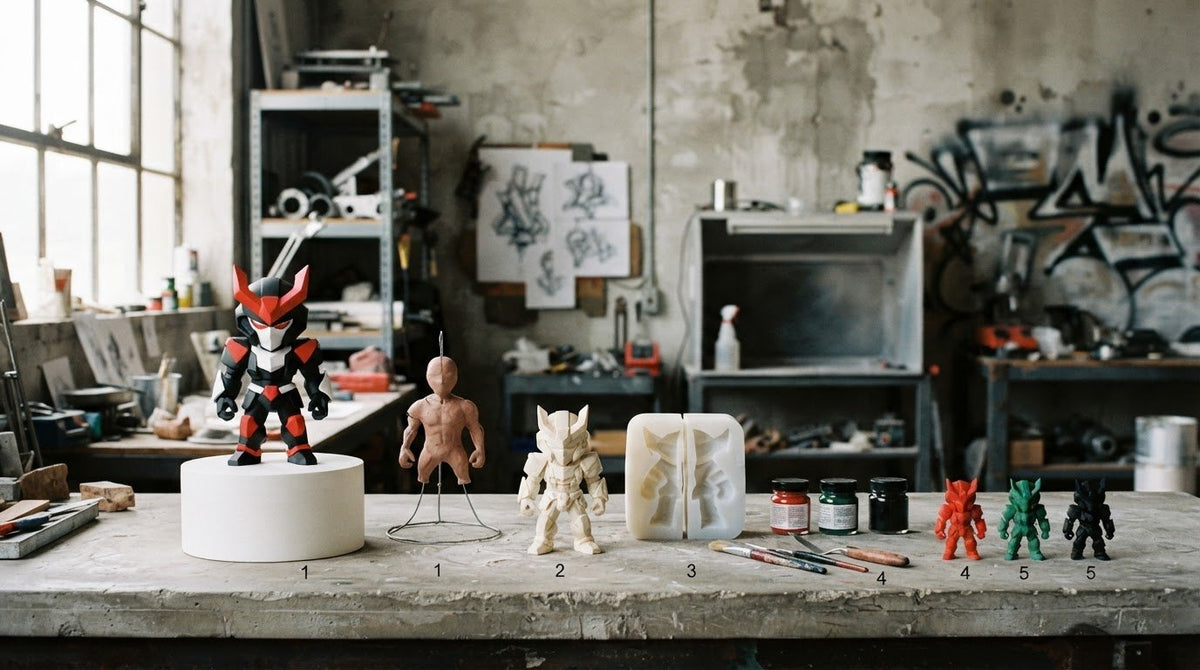
How Limited Edition Toys Are Made: From Design to Finished Edition
Understanding how limited edition toys are made means following the character from concept through design, production, finishing, and the records attached to its release. “Limited” describes a clai...
Read more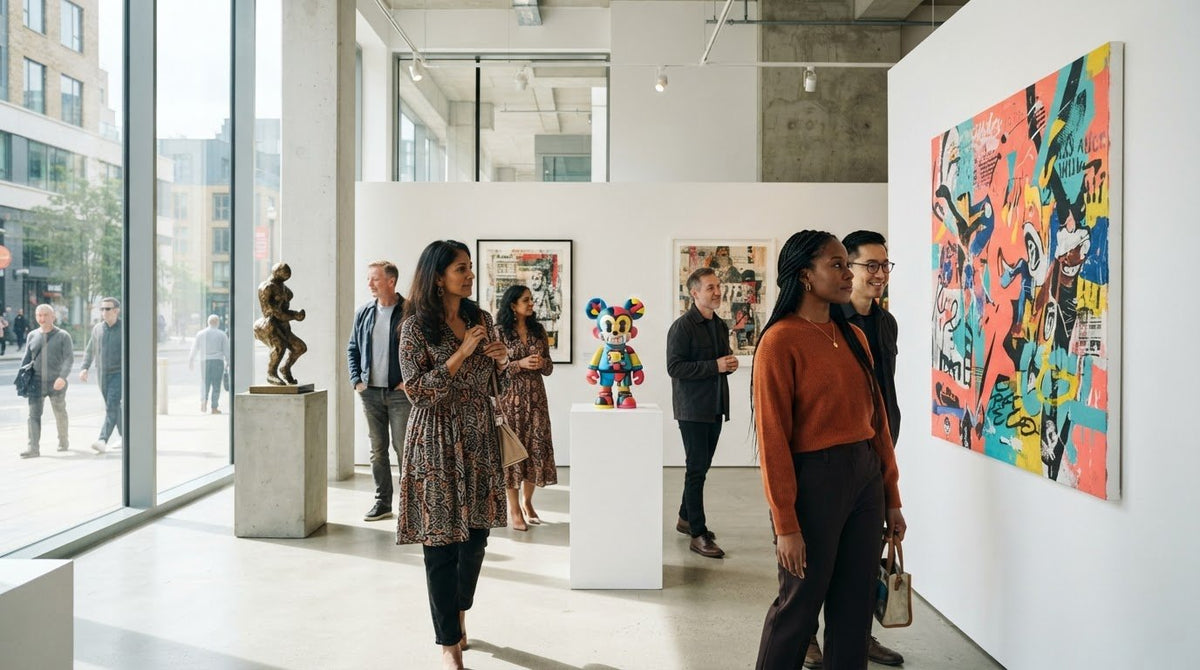
Art That Makes You Happy: Finding Meaning in the Work You Live With
Art that makes you happy is not a fixed category. Fringe creates physical pop art as oil on canvas, bronze sculptures, hybrids on paper, limited edition prints and collectible toys. Each form gives...
Read more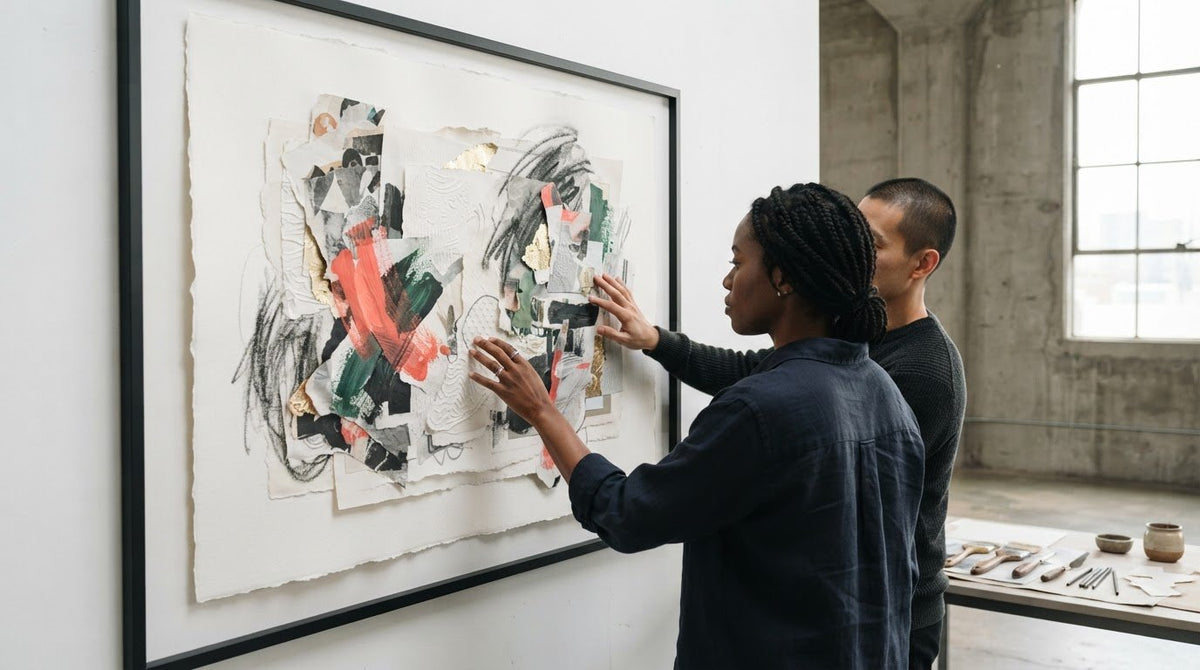
Hybrid Art on Paper: How Materials Shape the Work
A title can’t establish whether a work is an original hybrid artwork or a print. Hybrid art on paper is understood through the relationship between its materials, techniques, and paper support. The...
Read more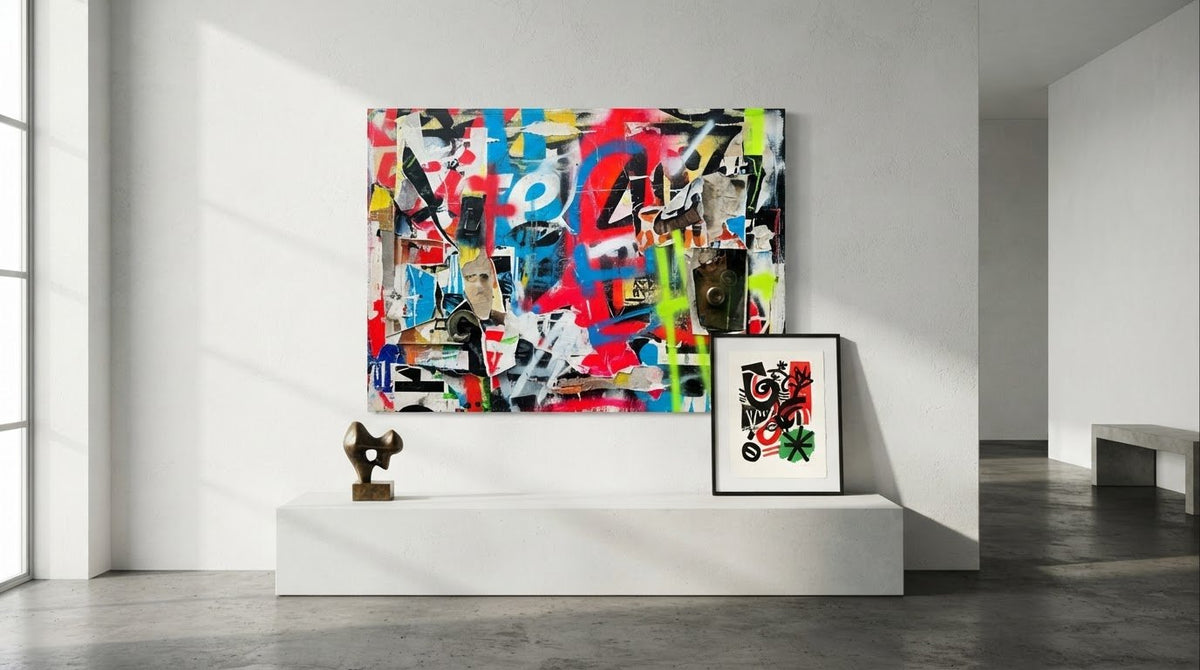
Original Pop Art Mixed Media: How to Read the Physical Work
“Original” and “mixed media” answer different questions. A pop art mixed media original is not defined by the label alone: originality describes the work’s status, while medium identifies its physi...
Read more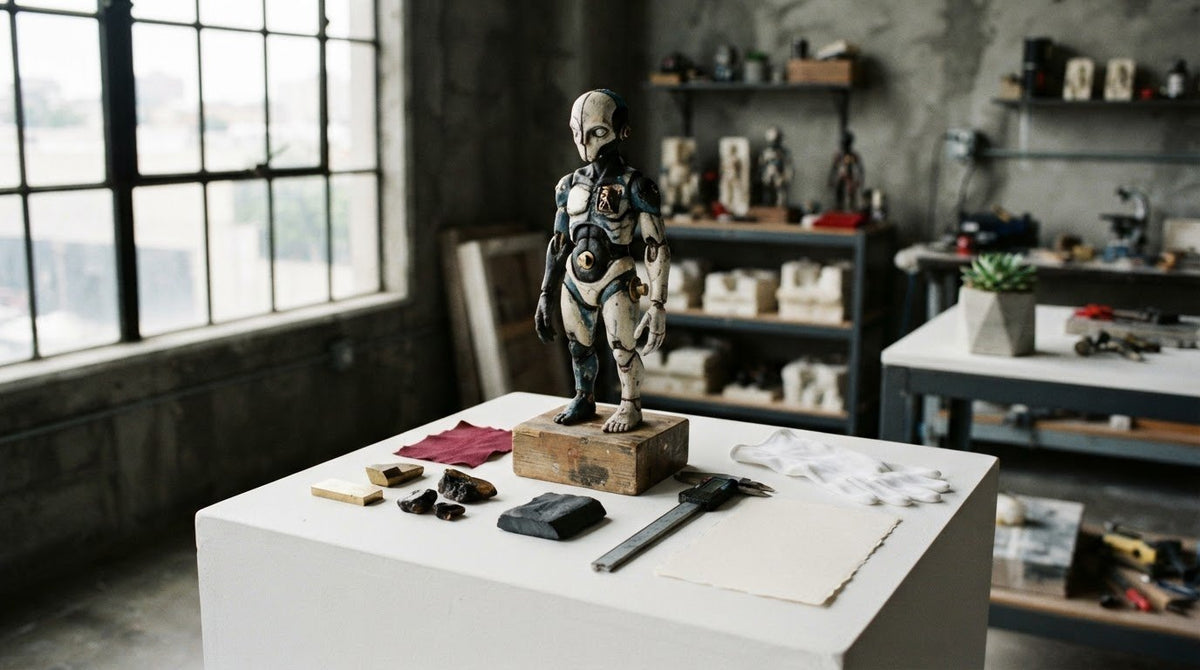
Collectible Art Toys in Limited Editions: Read the Object, Not the Hype
An edition number records a declared quantity. It does not establish authorship, material, or provenance. Listings for collectible art toys limited edition may emphasize release language while omit...
Read more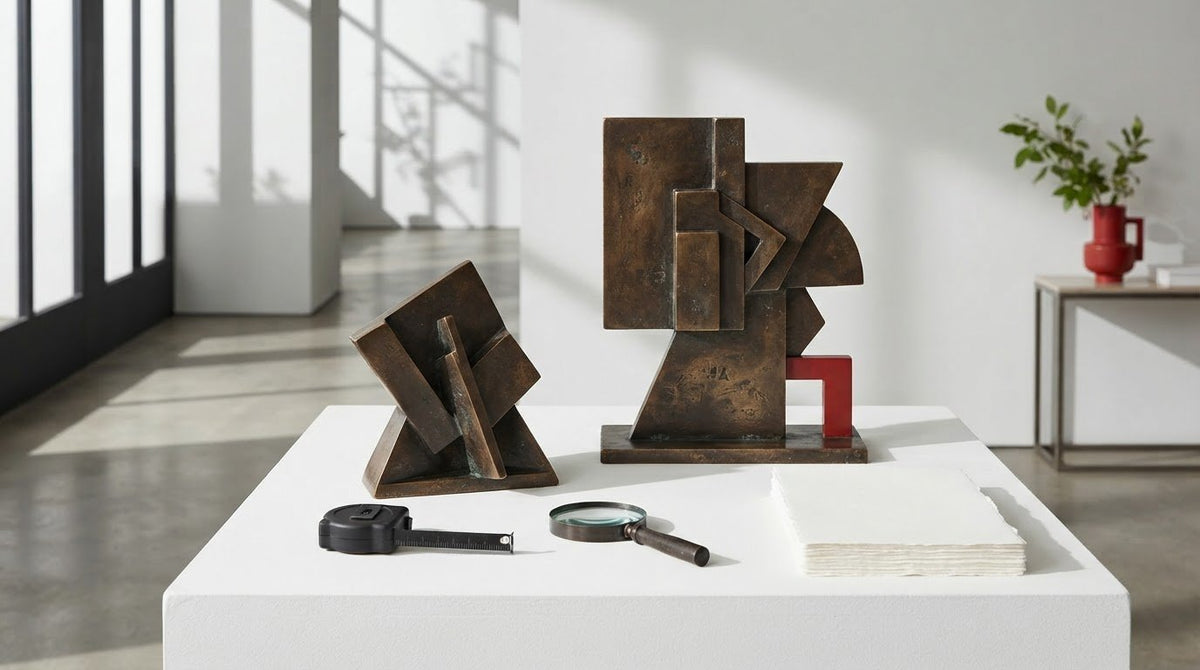
Buy Bronze Sculpture Online: A Collector’s Guide
A bronze label identifies a material category, not whether a particular work belongs in your collection. To buy bronze sculpture online, assess the object itself: photographs can flatten scale and ...
Read more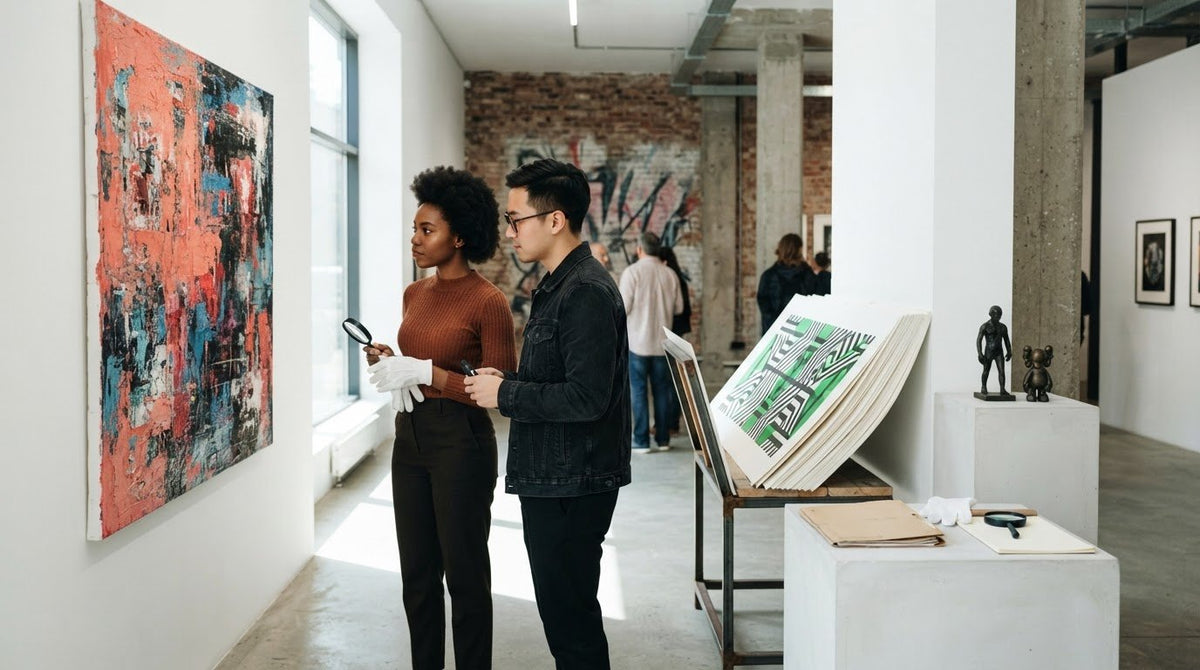
Original Art vs Print Investment Value: What Collectors Should Compare
An original isn’t automatically the stronger investment. The question of original art vs print investment value comes down to evidence about the specific work: an original is a distinct physical ob...
Read more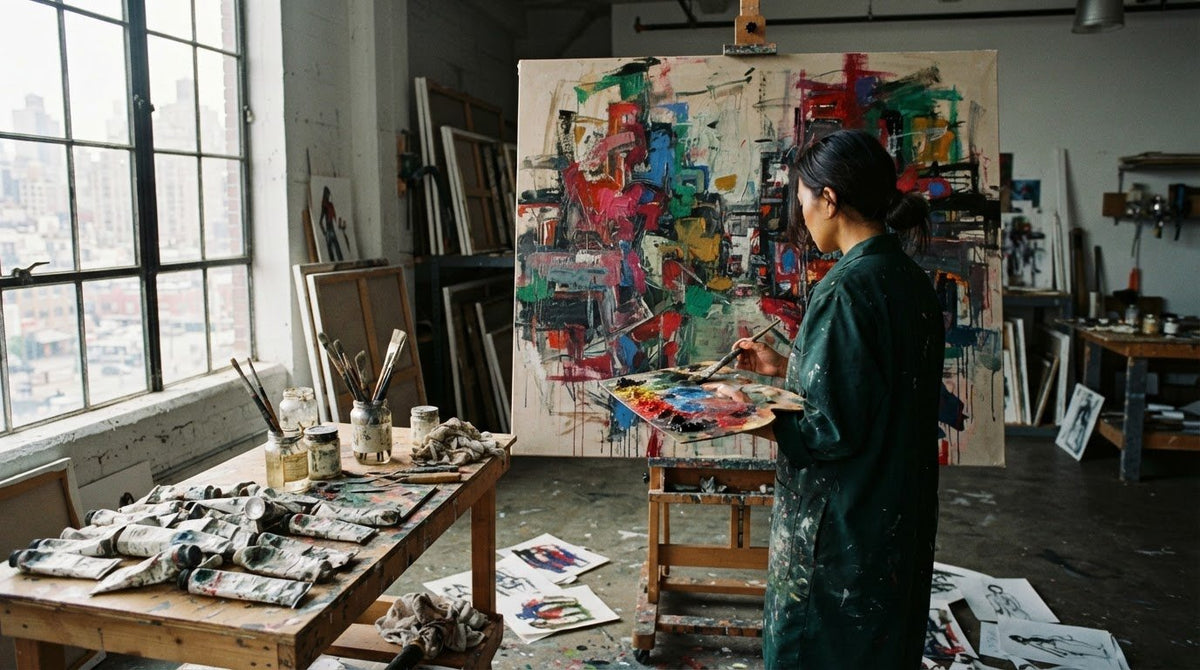
The Creative Process of an Oil Painter: Decisions, Revisions, and Material
An oil painting records decisions, not a fixed sequence. The creative process of an oil painter may begin with a reference, a memory, or a compositional problem, then change as forms, colors, and e...
Read more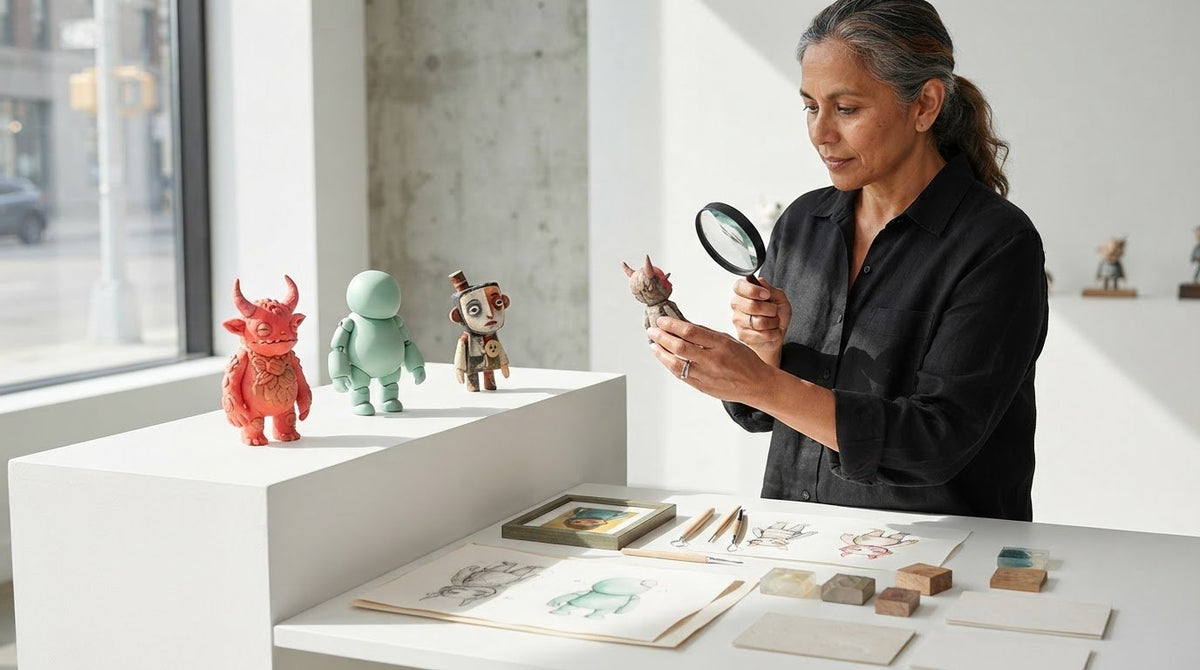
Independent Character Toy Artists: How to Read the Work
When discovering independent character toy artists, start with authorship, not the toy’s format. A recurring character is evidence of a practice, but it does not by itself establish who created the...
Read more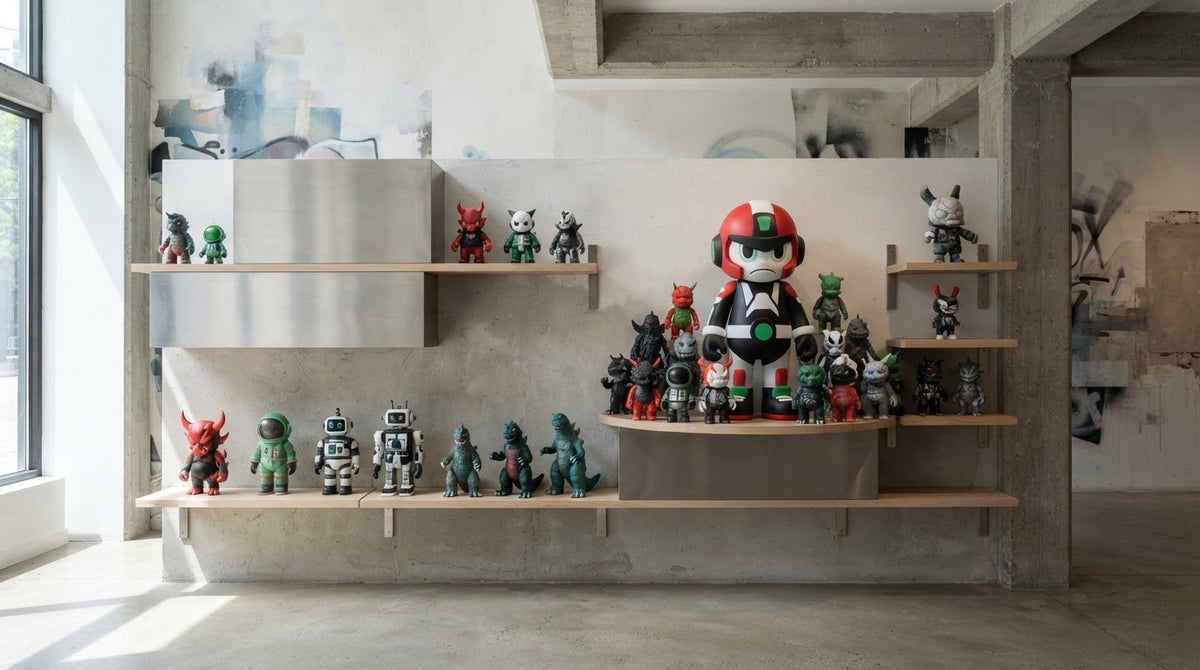
How to Display Designer Toys: A Collector’s Guide
A shelf can hold a collection and still hide its figures. Knowing how to display designer toys starts with the main viewing position: each face, outline, and defining detail should remain visible. ...
Read more
How to Commission a Piece of Art: Define the Object Before the Image
A commission brief identifies the physical artwork, while a written agreement records its scope and terms. Knowing how to commission a piece of art means defining both before work begins.Separate r...
Read more
Mistakes to Avoid When Buying Art Online
The photograph isn’t the artwork. The most consequential mistakes to avoid when buying art online happen when a screen image is treated as a complete account of the object. A photograph can flatten...
Read more
Documenting Provenance for Your Artwork: A Collector’s Record
An artwork’s paperwork records a history; it doesn’t, by itself, prove who made it. Documenting provenance for your artwork means linking known ownership events to details about the specific object...
Read more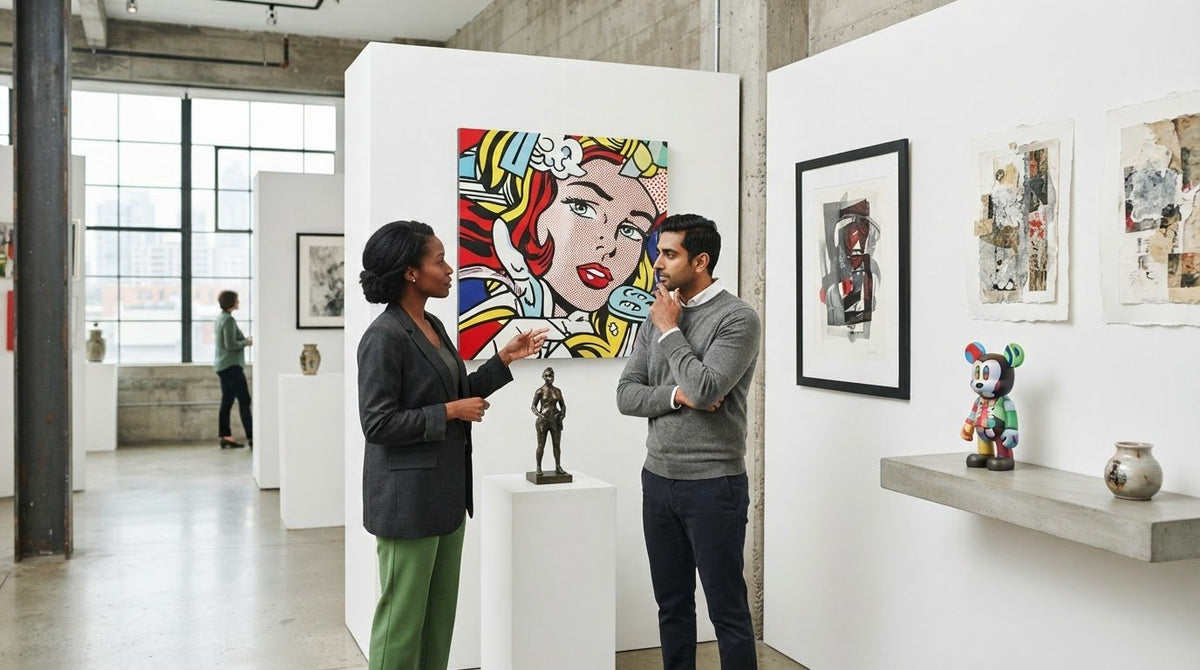
Art Collecting for Beginners: A Practical Guide
A first collection is defined by its criteria, not its price tag. The most useful art collecting for beginners tips start with deciding what you want to live with, then applying that standard consi...
Read more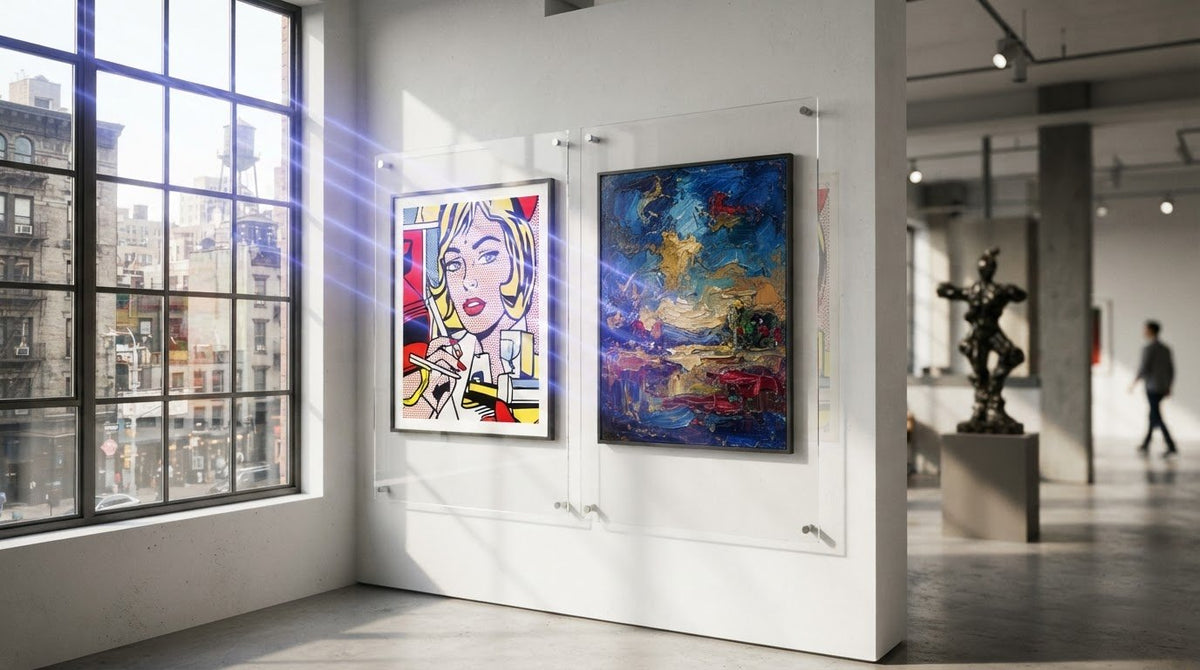
UV Protection for Art Prints and Paintings: A Practical Guide
UV-filtering glazing can reduce one source of exposure, but it cannot make artwork immune to light. Sunlight reaching a print or painting is a reasonable concern, yet indoor light and the duration ...
Read more