
Art Collecting for Beginners: A Practical Guide
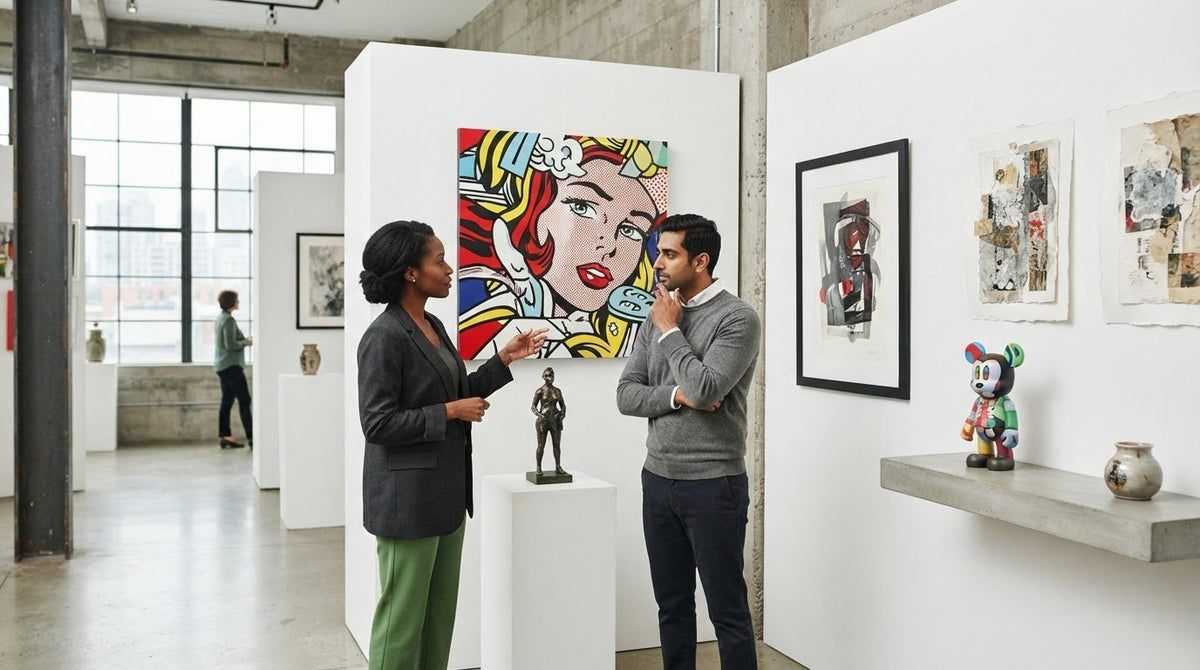
A first collection is defined by its criteria, not its price tag. The most useful art collecting for beginners tips start with deciding what you want to live with, then applying that standard consistently. An initial purchase can feel arbitrary when terms such as edition, provenance, and condition are unfamiliar. Treat them as reasons to ask specific questions, not to guess.
This guide offers a practical way to begin without treating art as a guaranteed investment. You’ll learn to set personal criteria, compare works across formats, and check the details that matter before buying. Oil on canvas, bronze sculptures, limited edition prints, hybrids on paper, and collectible toys are different physical forms. The format alone doesn’t determine whether a work belongs in your collection.
The following sections cover first acquisitions, useful records, and basic care as a collection grows. Art can hold meaning without making promises about future value. A clear record and a consistent point of view are a sound place to start.
Key Takeaways
- Use these art collecting for beginners tips to set consistent selection criteria around subject, artist, medium, scale, and how each work relates to the rest.
- Before acquiring a work, identify it, confirm its stated details, review its condition, and keep the available documentation.
- Record the artist, title, medium, dimensions, acquisition date, and edition information when applicable.
- As the collection grows, maintain a simple inventory and follow care instructions specific to each work.
Art collecting for beginners starts with a point of view
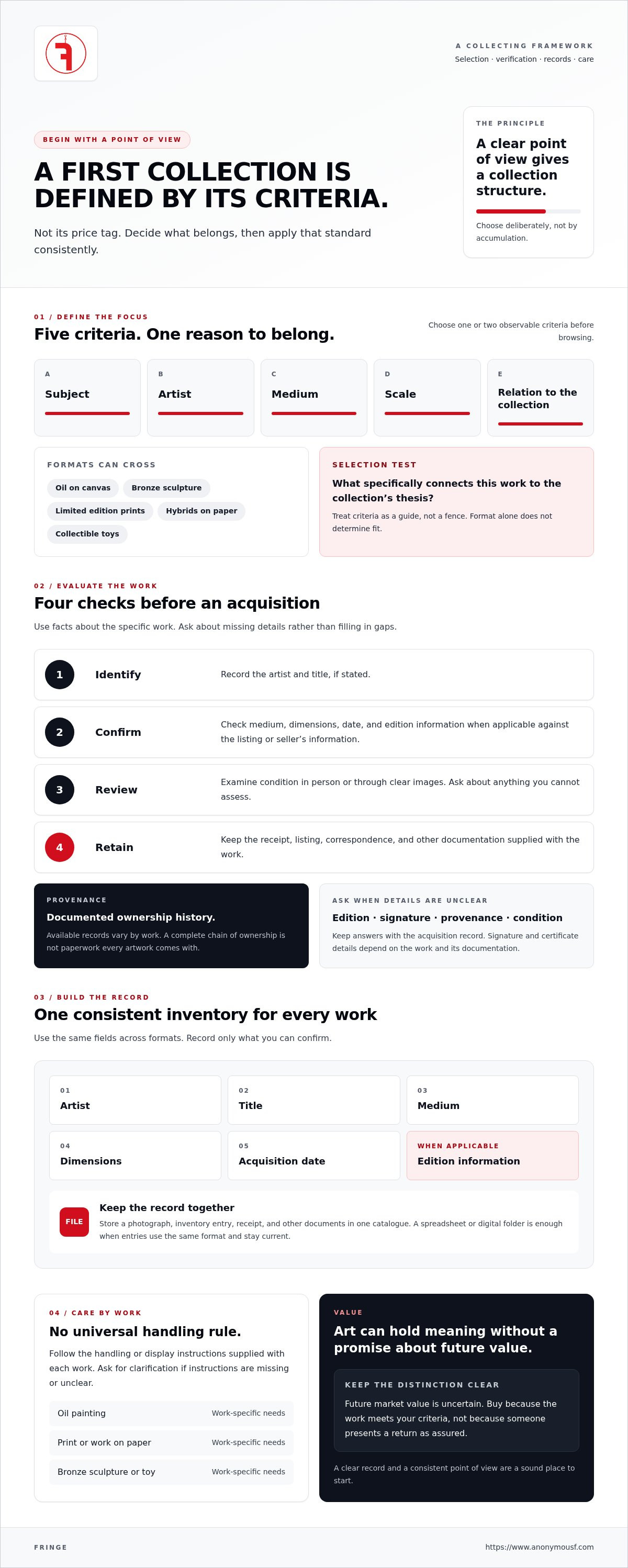
A collection needs a selection principle, not simply a growing number of objects. Subject, artist, medium, scale, and a work’s relationship to pieces already owned can each give an acquisition a reason to belong. A collection can cross formats: oil on canvas, bronze sculpture, limited edition prints, hybrids on paper, and collectible toys each bring different physical qualities.
A collecting thesis is a repeatable rule for deciding which works belong in a collection and which do not. It needn’t predict future value. It should make the next choice clearer. The private art collection overview offers background on the form; your own criteria determine its direction.
How can a beginner define a collecting focus?
Choose one or two observable criteria before browsing. You might focus on a subject, a particular medium, or a scale that suits the space available. For example, you could decide to collect works featuring a particular kind of imagery, or choose pieces that fit a defined display area. Clear criteria make it easier to compare options and give the collection meaning through deliberate selection, not accumulation.
Keep the focus flexible. “Works on paper” is a clear filter, but an absolute ban on every other medium may exclude a piece that meaningfully relates to the collection. Treat your criteria as a guide, not a fence. Name what draws your attention, set a limit you can observe, then check whether a prospective work fits the wider group.
Before acquiring a work, ask what specifically connects it to your thesis. If the answer is only that it is available or prominent, pause and compare it with other options. A consistent point of view gives a collection structure without requiring every work to look alike.
Evaluate an artwork before adding it to your collection
A considered purchase starts with facts about the specific work. Identify it, confirm the stated details, review its condition, then retain the documentation provided. This sequence helps separate what is known from what still needs an answer. If a listing leaves out a detail, ask about it before deciding rather than filling in the gap yourself.
- Identify: Record the artist and title, if stated.
- Confirm: Check the medium, dimensions, date, and edition information when applicable against the listing or seller’s information.
- Review: Examine the work’s condition in person or through clear images, and ask about anything you can’t assess.
- Retain: Keep the receipt, listing, correspondence, and other documentation supplied with the work.
Provenance records an artwork’s documented ownership history. The records available vary by work; a complete chain of ownership isn’t paperwork every artwork comes with. Signature and certificate details also depend on the work and its documentation.
What details should a first-time art buyer check?
Ask direct questions if edition, signature, provenance, or condition details are missing, inconsistent, or unclear. Keep the answers with the acquisition record. Note the artist, title, medium, dimensions, date, and edition information when applicable. The Beginner’s Guide to Collecting Art also discusses practical first-purchase considerations, including budget and sourcing.
These art collecting for beginners tips make an acquisition easier to understand and document; they can’t guarantee future appreciation. Art’s future market value is uncertain. Buy because the work meets your criteria, not because someone presents a return as assured.
Build and care for an art collection over time
A collection becomes easier to manage when every work has a consistent record. Keep an inventory with the acquisition date, artist, title, medium, dimensions, and available documentation. Add edition information when it applies. Use the same fields for paintings, bronze sculpture, prints, paper works, and collectible toys, while noting the distinct format of each piece.
How should a new collector document and live with the works?
Photograph each work and store the image with its record, receipt, and other documents in one catalogue. A simple spreadsheet or digital folder is enough if entries use the same format and stay current. These records remain useful even as the collection’s focus changes. For a print or other editioned work, include the edition details provided; for any format, record only what you can confirm.
Care depends on the individual work. Follow any handling or display instructions supplied with it, and ask for clarification if those instructions are missing or unclear. Avoid applying a universal rule to every medium. An oil painting, a print, a work on paper, a bronze sculpture, and a character-based physical work may have different handling needs. Fringe offers these formats, including character-based collectible toys.
Display decisions affect how works sit alongside one another and how you live with them. Make those choices with the work’s specific instructions in view, rather than assuming one arrangement suits every object. Note any useful handling guidance in the catalogue so it stays with the work if its place changes.
Keep the catalogue plain and factual. The work can carry its own meaning; the record keeps its history and details in reach.
Let your criteria guide the next acquisition
A collection takes shape through consistent choices. Subject, artist, medium, and scale provide a point of view; checking each work’s stated details and keeping its records preserves useful context. No purchase needs a promise of future appreciation to justify its place.
These art collecting for beginners tips apply across physical formats. Fringe offers oil paintings, bronze sculptures, limited edition prints, hybrids on paper, and collectible toys. Its original characters include Mylo, Nova, and Gutinke. Different formats can sit within one collection when the choices follow a clear rule.
Keep that rule practical, and revise it when your interests change. Record each acquisition and follow the care instructions specific to the work. The result is a collection built through deliberate decisions, not a forecast of what the market might do. Explore Fringe’s character-based collectible toys and choose a work that fits your collecting criteria.
Frequently Asked Questions
How do I start collecting art as a beginner?
Start with a few criteria you can apply consistently, such as subject, medium, artist, or scale. These art collecting for beginners tips help make each choice deliberate rather than based on filling a wall or following a trend. Compare works against your criteria, but keep the focus flexible. Your interests and knowledge can change as the collection develops.
What should I check before buying an artwork?
Confirm the artist, title, medium, dimensions, and any stated date or edition details. Review the work’s condition and ask what documentation is available. Records differ by artwork, so don’t assume every piece comes with a certificate, edition information, or a complete ownership history. If a detail is unclear or inconsistent, ask the seller directly and retain the response with your records.
Do I need a large budget to start collecting art?
No single budget defines a collection. Set a spending limit that fits your finances before comparing works, then assess each choice against your criteria. Starting with accessible options like canvas wall art from Panther Print allows new collectors to experiment with subjects and styles without overspending. Oil paintings, bronze sculptures, limited edition prints, hybrids on paper, and collectible toys are different formats, not a ranking of quality. A low price doesn’t prove value, and a high price doesn’t prove quality.
Is collecting art a good investment?
Future resale value is uncertain, so don’t buy on the assumption that a work will appreciate. Treat claims of guaranteed returns cautiously. A collecting focus helps you choose work for reasons you can state, while accurate records preserve its known details. The work may matter to you regardless of what a future market offers. That distinction is useful before any purchase.

Article by
Fringe

Read more
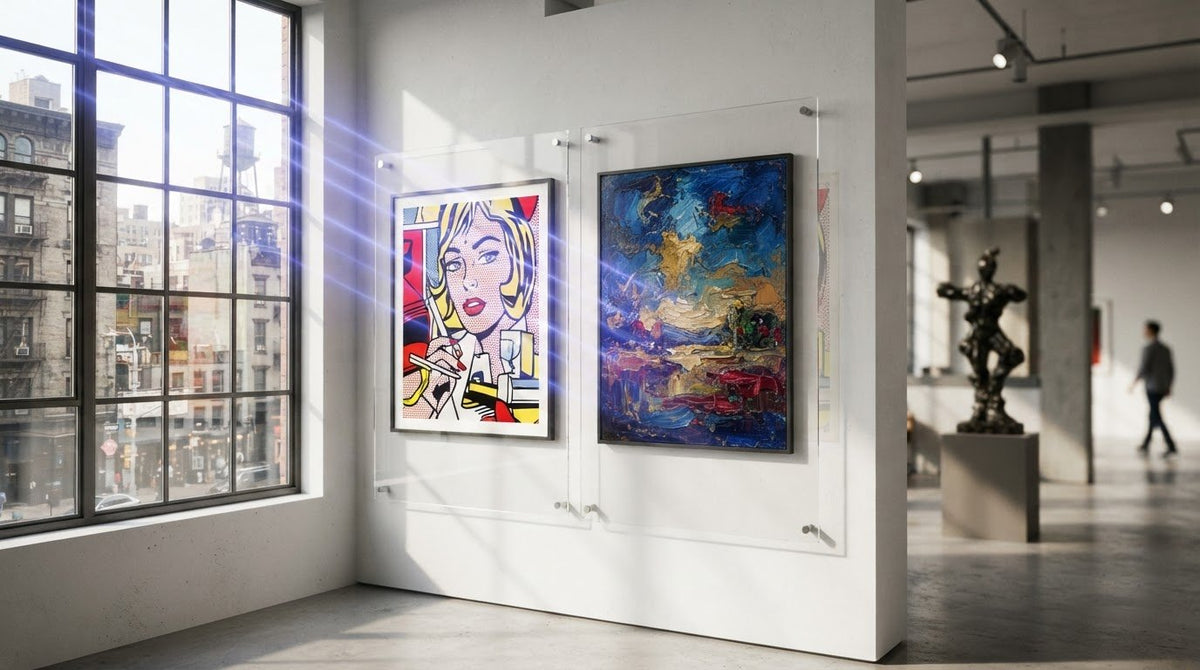
UV Protection for Art Prints and Paintings: A Practical Guide
UV-filtering glazing can reduce one source of exposure, but it cannot make artwork immune to light. Sunlight reaching a print or painting is a reasonable concern, yet indoor light and the duration ...
Read more
Documenting Provenance for Your Artwork: A Collector’s Record
An artwork’s paperwork records a history; it doesn’t, by itself, prove who made it. Documenting provenance for your artwork means linking known ownership events to details about the specific object...
Read more
Leave a comment
This site is protected by hCaptcha and the hCaptcha Privacy Policy and Terms of Service apply.