
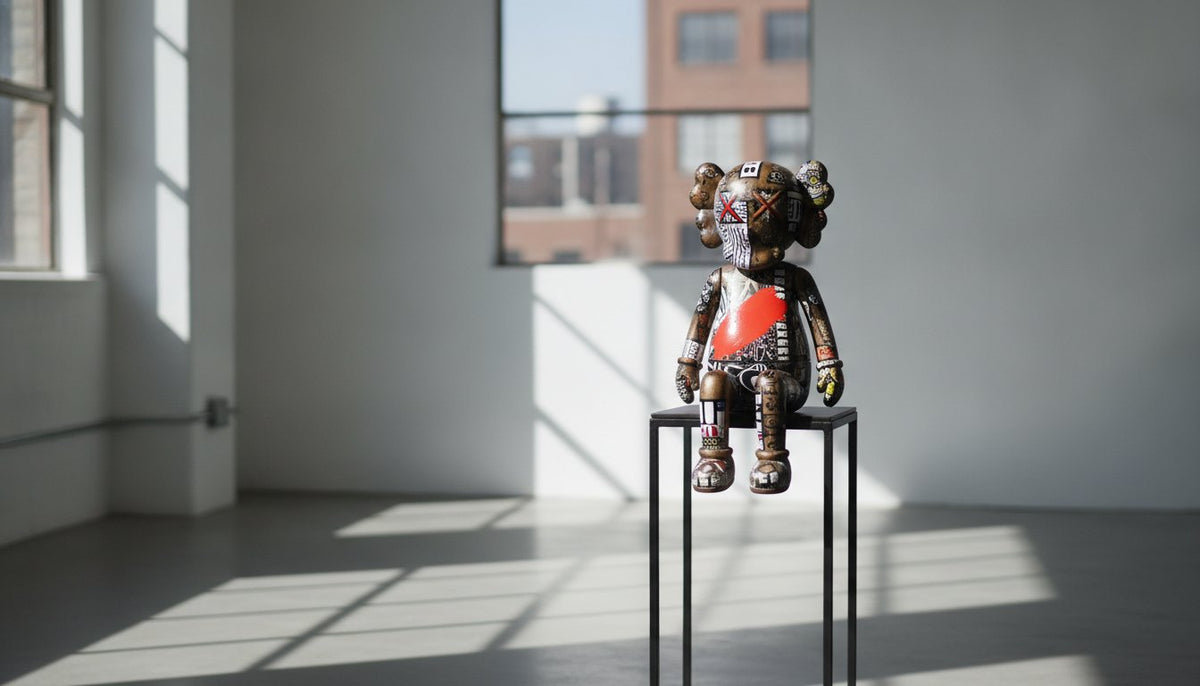
How to Start a Designer Toy Collection: A Framework for Curation
Not everyone understands the weight of a character sculpture. That's rather the point. Understanding how to start a designer toy collection requires a shift from buying products to acquiring objects with a human pulse. You likely recognize the frustration of a market saturated with mass-produced vinyl that lacks narrative weight. It's the difference between a commercial toy and a piece of art defined by material and intent.
This framework provides a methodology for selecting pieces that hold value through specific edition sizes and physical integrity. We examine the distinction between commercial figures and bronze or oil-on-canvas hybrids. You'll learn to identify rarity through production numbers and build a collection with narrative intent. The focus remains on physical truths. The quality of the work is a settled matter.
Key Takeaways
- Distinguish between the mass accumulation of vinyl figures and the selection of character-based sculptures.
- Understand how to start a designer toy collection by prioritizing restricted edition sizes and artist provenance.
- Evaluate the material weight of bronze and oil on canvas to ensure the physical integrity of the work.
- Select objects based on their internal narrative and human pulse to ensure the collection reflects artistic substance.
The Distinction Between Accumulation and Curation
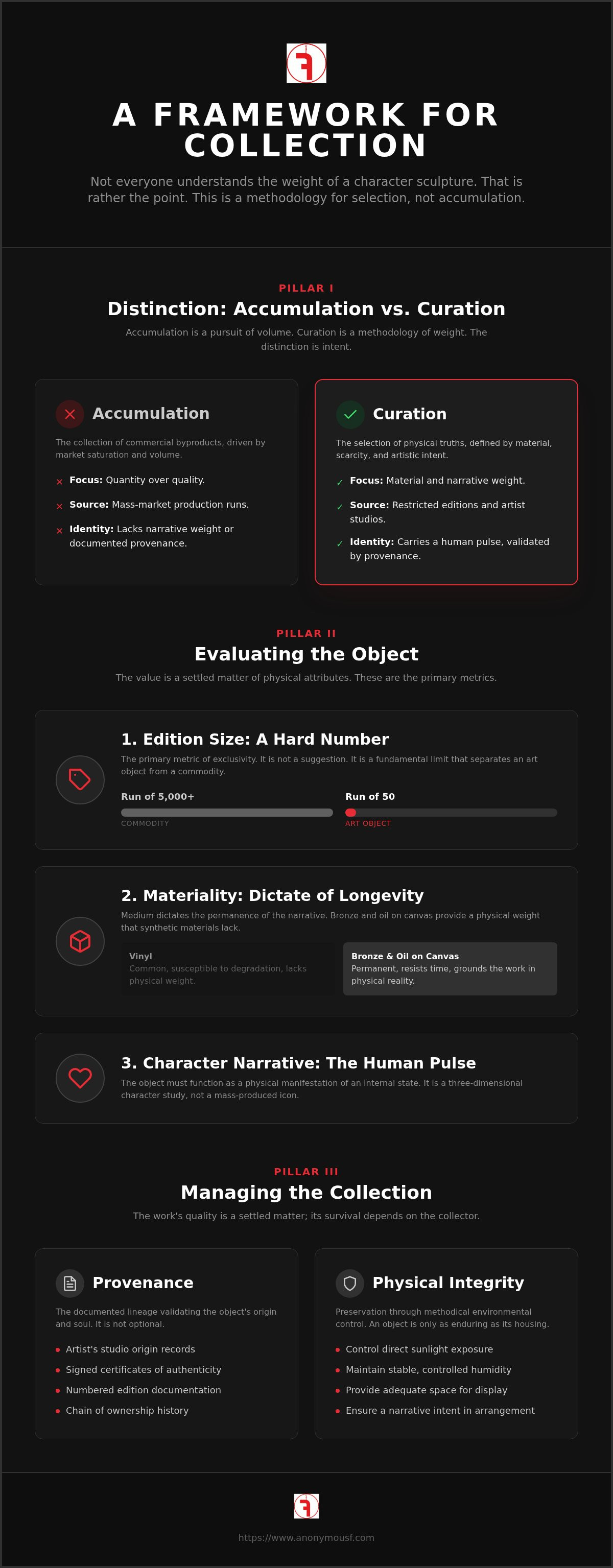
Accumulation is a pursuit of volume. Curation is a methodology of weight. Knowing how to start a designer toy collection begins with recognizing that a character sculpture is a physical truth, not a commercial byproduct. The distinction lies in the creator's intent and the scarcity of the run. Mass-market products rely on saturation. Art toys rely on restricted edition sizes and documented provenance.
Provenance starts with the artist's studio. It tracks the life of the sculpture from the first casting to the current owner. Without this record, an object is merely mass-produced material. With it, the object becomes a record of a human pulse. The edition size is a hard number. It's not a suggestion. A run of 50 is fundamentally different from a run of 5,000. Curation requires selecting objects based on these material specifications and the narrative weight they hold within a room.
Defining the Art Toy in a Contemporary Context
Contemporary designer toys bridge the gap between traditional sculpture and pop culture. They are physical manifestations of internal states. The value of an object like Mylo or Nova is a settled matter of its physical attributes, including the medium and the scale. It's not a matter of persuasion. It's a matter of fact. These objects function as character studies in three dimensions.
They often utilize materials like bronze or oil on canvas to provide a permanence that vinyl lacks. This intersection of the avant-garde and the everyday defines the modern collector's landscape. You can find more on this philosophy in our guide, The Soul of the Object. Curation is an act of quiet observation. It prioritizes the soul of the work over the noise of the market. The object speaks for itself.
Evaluating the Object: Edition, Medium, and Character Narrative
The worth of a collection is defined by the hard limits of its production. When considering how to start a designer toy collection, the edition size is the primary metric of exclusivity. Small runs ensure that the multiple retains its character as an art object rather than a commodity. Characters like Mylo and Nova possess a narrative pulse because they aren't mass-produced icons. They are specific explorations of internal struggles. They exist as physical evidence of a story told through form.
Materiality dictates the longevity of the narrative. While vinyl is common in the market, mediums like bronze and oil on canvas provide a permanence that synthetic materials lack. These essential tips for buying collectible toys emphasize the importance of material integrity. A bronze sculpture carries a physical weight that grounds the work in reality. It resists the degradation of time. It doesn't fade. It doesn't warp. It simply exists as a settled fact of art.
Identifying Rarity Through Material and Specification
Bronze sculptures offer a paradox of permanence in a disposable culture. They are heavy, cold, and enduring. Hybrid works on paper combine oil and ink to create unique, non-replicable textures that digital prints cannot replicate. These pieces cannot be duplicated with precision. The truth of the collection rests in the process, from the initial sketch to the final cast. Each step adds a layer of narrative weight. The collector is an observer of this evolution. You can view these physical art toys to see the intersection of medium and character. The work is finished when the narrative is complete. It doesn't require further explanation.
How to Manage Provenance and Physical Integrity
Not everyone understands the administrative weight of a collection. That is often the point. Provenance is the documented lineage of a sculpture, beginning at the artist's studio and following the object through each transition of ownership. It's the paper trail that validates the soul of the work. When learning how to start a designer toy collection, you must treat documentation with the same reverence as the object itself. Signed certificates and numbered edition records are not optional extras. They are the evidence of the object's origin.
Physical integrity is a matter of environmental control. Bronze and oil on canvas require specific conditions to remain unchanged by time. As these objects are elevated firmly into the art world, their preservation becomes a professional standard. It's about respecting the material truth of characters like Mylo or Nova. An object is only as enduring as the environment that houses it. The quality of the work is a settled matter; its survival depends on the collector.
Maintaining the Integrity of the Physical Work
Preservation requires a methodical approach. Direct sunlight degrades oil on canvas and hybrid paper pieces, causing irreversible fading of the pigments. Controlled humidity prevents the oxidation of bronze surfaces. Displaying a collection should reflect a narrative intent rather than simple storage. Each sculpture needs space to exist. You can follow our guide on How to Display a Contemporary Art Collection for specific placement strategies. A collection is a record of human connection. The status of the work is already decided.
Establishing a Legacy of Form
Curation is an intentional act. It moves beyond the acquisition of vinyl to the selection of objects with material permanence. Understanding how to start a designer toy collection requires a commitment to the physical integrity of the work. You've seen the necessity of documented provenance and the weight of restricted edition sizes. Characters like Mylo and Nova exist as character studies in bronze, oil on canvas, and hybrid paper. These materials ensure the narrative pulse of the work remains intact for the future. We provide global shipping for enthusiasts ready to anchor their environment with sculptures that prioritize substance over saturation. The Fringe collection consists of original characters and limited editions. The transition from browser to collector is a matter of recognizing the soul within the object.
Frequently Asked Questions
What is the definition of a designer toy?
A designer toy is a character-based sculpture produced in limited quantities by independent artists. These objects are defined by artistic intent and restricted production runs rather than mass-market saturation. They frequently utilize materials like bronze or oil on canvas. This distinction is the first step in understanding how to start a designer toy collection that prioritizes narrative weight over simple accumulation.
How do I verify the edition size of a collectable toy?
Verification rests on the certificate of authenticity and the physical markings on the object. Artists typically number each piece directly on the base or within the documentation provided by the studio. This record tracks the total volume of the run. A smaller edition size ensures exclusivity and material value. It's a factual record of the object's rarity in a crowded market.
Is it necessary to keep the original packaging for art toys?
Original packaging serves as a record of provenance and a tool for preservation. For the collector, the box often contains specific edition numbers and artist branding that validate the object's history. While the sculpture remains the primary focus, the packaging protects delicate surfaces from environmental damage. It ensures the physical integrity of the work. It isn't just a container; it's context.
Why do materials like bronze and oil increase the value of a toy collection?
Materials like bronze and oil on canvas provide a permanence that synthetic vinyl lacks. These mediums involve complex processes that add physical weight and unique textures to the work. When considering how to start a designer toy collection, selecting these materials ensures the pieces hold material value. Bronze doesn't degrade. Oil maintains its visual depth. The material itself carries the drama.

Article by
Fringe

Read more
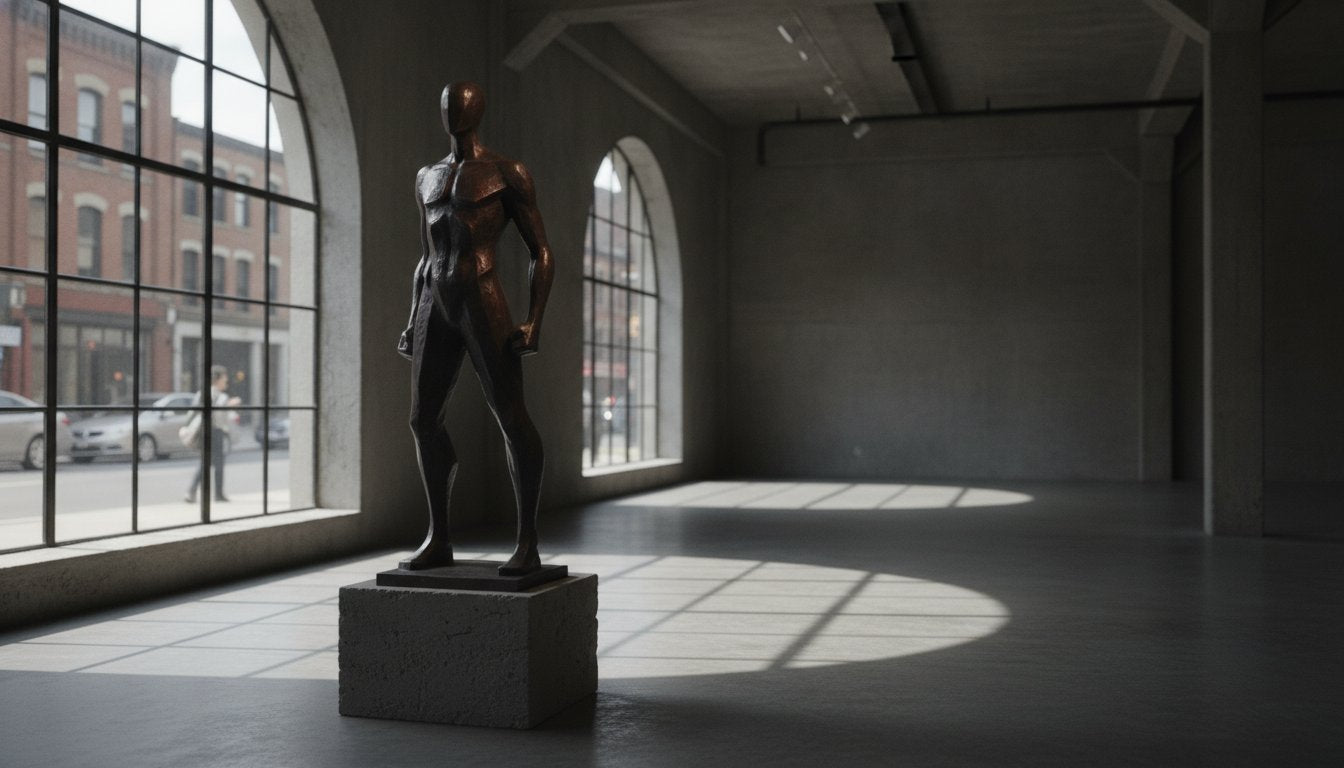
Valuing Contemporary Bronze Sculptures: The Specification of Authority
Not everyone understands the distinction between a mass-produced casting and a fine art bronze. That's rather the point. You likely recognize the frustration of a market where pricing structures re...
Read more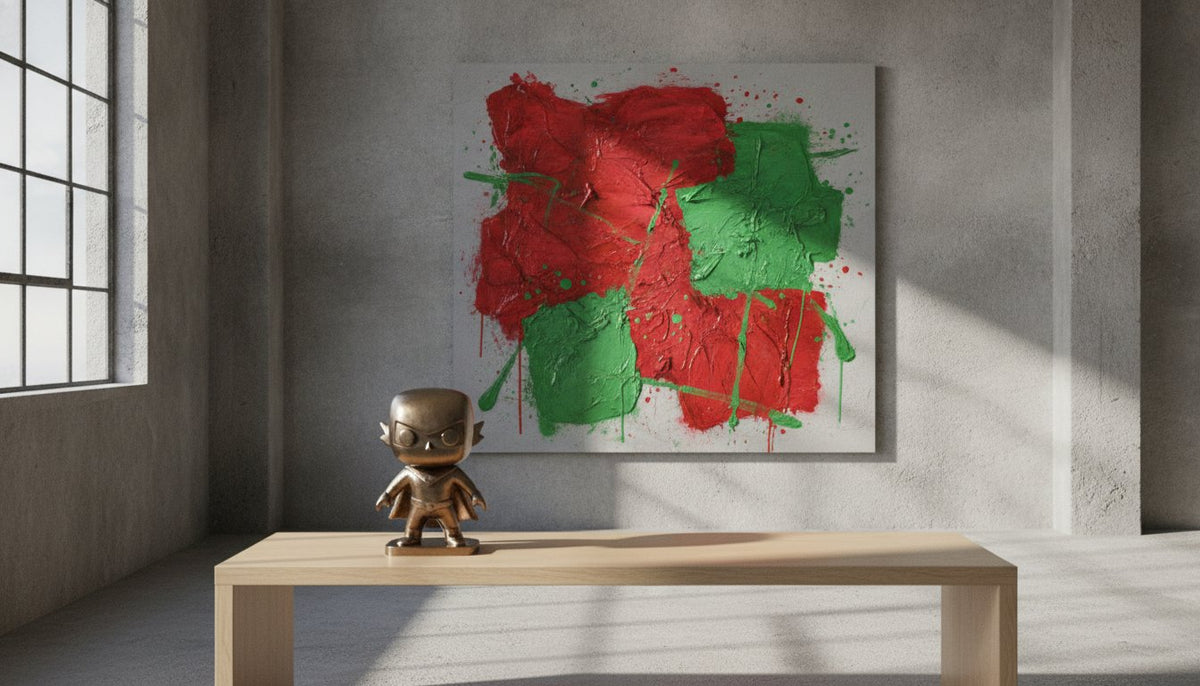
Original Pop Art for Home Decor: The Specification of the Physical Object
Most walls are occupied by ghosts of images, digital echoes printed on mass-produced paper. Not everyone understands the weight of a physical character object. That's rather the point. Acquiring or...
Read more
Leave a comment
This site is protected by hCaptcha and the hCaptcha Privacy Policy and Terms of Service apply.