
The Soul of the Object: A Guide to Collectible Designer Toys in 2026
Can a physical object truly hold a piece of the human spirit? In a world where shelves are often crowded with transient plastic, we find ourselves searching for something that feels less like a product and more like a shared secret. You’ve likely felt the fatigue of the relentless blind box cycle, where the initial excitement often gives way to a hollow sense of clutter. It’s a common struggle; the desire for a tactile, human connection is frequently buried under the noise of temporary fads.
Finding collectible designer toys that carry genuine narrative weight is about more than just acquisition. This guide invites you to discover the intersection of contemporary art and character-based sculpture to find pieces that resonate with your personal journey. We’ll explore how to distinguish investment-grade art from passing trends, understand the quiet power of different materials, and connect with the unique philosophies of the artists shaping the 2026 landscape. By the end, you will see your collection not as a series of items, but as a vivid map of your own heart.
Key Takeaways
- Learn to distinguish between mass-produced figurines and artist-led collectible designer toys that serve as meaningful explorations of character and form.
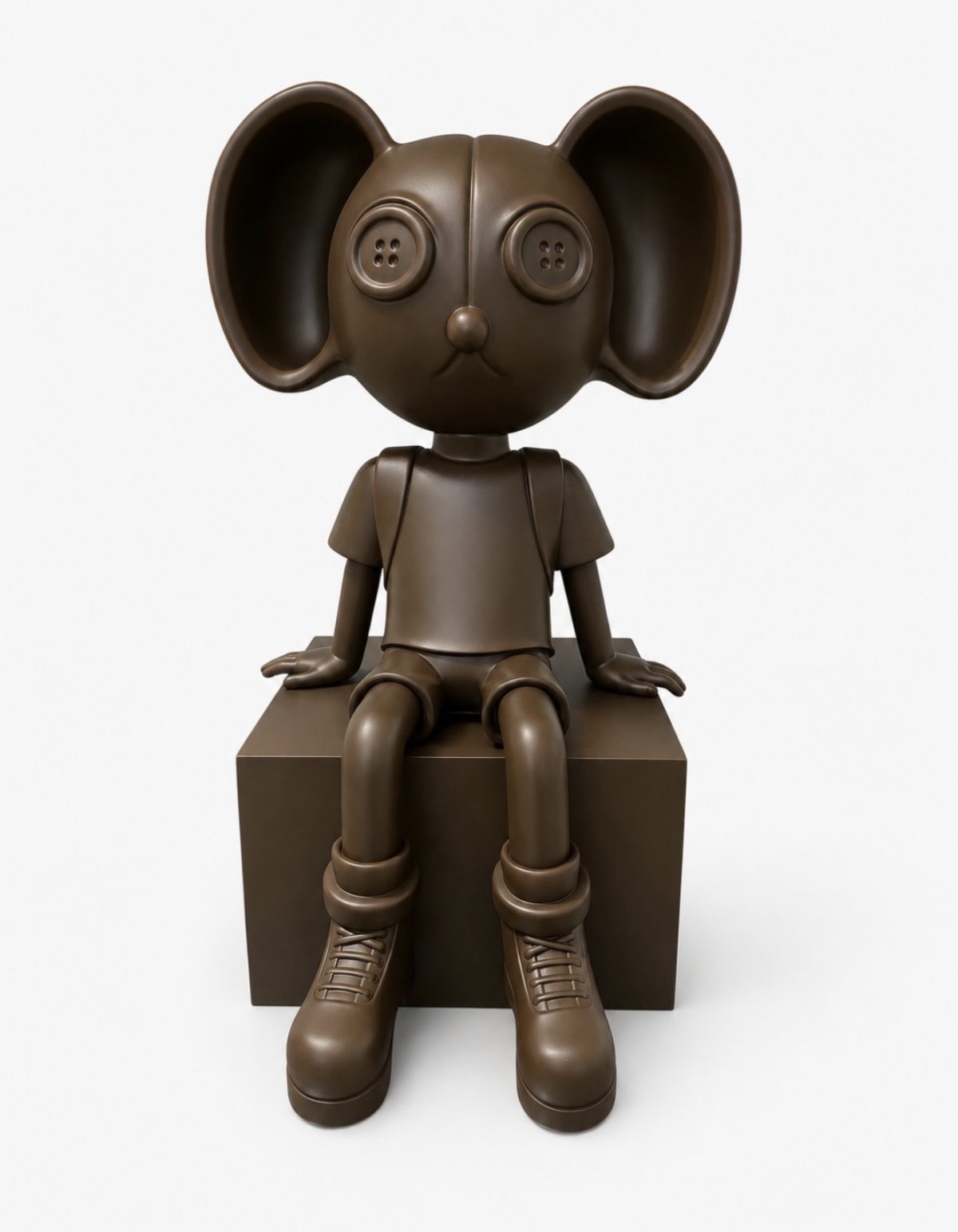
- Discover how character-based art acts as an empathetic observer of our lives, reflecting universal human struggles through the narrative depth of characters like Mylo and Nova.
- Evaluate the "soul" of your collection by contrasting the ephemeral nature of vinyl with the timeless, narrative weight found in bronze sculptures.
- Gain a clear framework for curating a sophisticated home gallery that reflects your personal philosophy rather than following fleeting mass-market trends.
Beyond Vinyl: Defining the Modern Collectible Designer Toy
A collectible designer toy is rarely just a physical form; it's an artist-led exploration of character that lives at the intersection of sculpture and storytelling. Unlike mass-market figurines found in big-box aisles, these pieces are born from the internal reflections of a creator. They aren't designed by committee to satisfy a broad demographic. Instead, they represent a singular vision, often serving as a vessel for complex human emotions. To understand the foundation of this movement, one might ask What are art toys? at their most basic level. In 2026, the answer has evolved significantly from the 90s "urban vinyl" roots. While that era celebrated the grit of the street, today's collectible designer toys have matured into sophisticated contemporary art sculptures that command respect in the world's most prestigious galleries.
The distinction between a mass-produced toy and a studio piece lies in the presence of the artist's hand. You can feel the difference in the intentionality of the silhouette and the narrative weight of the character. Studio pieces are often produced in strictly limited editions, ensuring that the artistic integrity remains intact. This scarcity isn't just about market value. It's about the intimacy of knowing that only a small number of people share a connection with that specific iteration of the artist's soul. It's a quiet dialogue between the creator and the collector, mediated by the object itself.
The Shift from Plaything to Fine Art
The journey from the playroom to the auction house has been a slow, deliberate ascent. Collectors now seek pieces that offer more than mere aesthetic appeal; they want art that acts as an empathetic observer of their own lives. This shift is reflected in the materials we see today. While vinyl remains a beloved medium for its pop sensibility, many artists are moving toward the timeless weight of bronze or the rich textures of oil on canvas to bring their characters to life. With adult collectors now accounting for over 60% of unique figure purchases, the industry has pivoted to meet a demand for depth and permanence. These objects are no longer seen as temporary fads but as significant investments in a personal narrative.
Anatomy of a Collectible: What to Look For
Curating a meaningful collection requires a discerning eye for recurring motifs and signature styles. When you look at a character like Mylo or Nova, you aren't just seeing a shape. You're seeing a mirror for human struggle and connection. To ensure you're acquiring a piece of lasting value, focus on the following elements:
- Production Runs: Understand the difference between open editions and unique 1-of-1 pieces. Limited runs usually hold their narrative and financial value longer.
- The Artist's Signature: Look for consistent themes that resonate with your own story. A recognizable visual language is the hallmark of a serious studio artist.
- Authentication: In the modern market, certificates of authenticity and high-quality packaging are essential. They serve as the provenance for your miniature sculpture.
By focusing on these details, you move beyond the noise of the trend and into the realm of true curation. You aren't just buying an object. You're adopting a story that will grow alongside you.
The Narrative Weight: Why Character-Based Art Resonates
A character's gaze can be a profound thing. While mass-market icons are often designed to be instantly recognizable and universally pleasing, the personalities found within the world of collectible designer toys offer something far more intimate. Characters like Mylo and Nova don't just sit on a shelf; they act as empathetic observers of our own lives. They carry a narrative weight that mirrors our internal struggles, our quiet joys, and the complexities of human connection. When you bring one of these pieces into your home, you aren't just adding a decoration. You are welcoming a philosophical companion that understands the duality of being human. This storytelling transforms a physical object into a vessel for reflection, bridging the gap between the artist's intent and your own personal history.
The difference between an icon and a personality is found in the depth of the character's soul. An icon is a brand; it's a symbol of pop culture meant to be consumed. A personality, however, is studio-driven and layered with meaning. As you begin to explore these character-driven narratives, you'll find that the bond between collector and object becomes a shared journey of discovery. The object becomes a mirror, reflecting back the parts of ourselves we often keep hidden.
The Human Pulse in Sculpture
There is a specific kind of vulnerability found in the expressions and postures of character-based art. We often find ourselves drawn to "imperfect" designs-a slumped shoulder, a distant look in the eyes, or an asymmetrical form. These evocative choices create a deeper bond than any symmetrical perfection ever could. It's in these flaws that we recognize our own humanity. Modern character design often sits at a fascinating intersection of nostalgia and modernism, using the familiar language of toys to explore sophisticated, contemporary themes of isolation and belonging. The human pulse is felt in every curve of the sculpture.
Building a World: Characters as a Shared Journey
When an artist releases recurring characters, they are building a cohesive universe that the collector is invited to inhabit. The artist isn't just a manufacturer; they are a storyteller who uses form instead of words. This shift in perspective transforms the act of buying into an act of guardianship. Collectors often feel a sense of responsibility toward the characters they acquire, treating collectible designer toys as artifacts of a larger, evolving story. You aren't just owning a piece of art. You are becoming a custodian of a character's history, ensuring their narrative continues within the walls of your own life.
- Empathy through form: Characters act as silent witnesses to our daily lives.
- Narrative continuity: Recurring figures build a world that grows with the collection.
- The collector's role: Shifting from a consumer to a guardian of a shared story.
From Bronze to Canvas: Comparing Materials and Artistic Value
The physical reality of an object dictates how we interact with its story. While we've explored the narrative weight of characters, the substance they're made of provides the actual pulse we feel in our hands. Every material possesses a unique soul that influences our emotional response. Vinyl is vibrant and accessible; it captures the electric energy of pop culture with a light, ephemeral touch. However, as collectible designer toys move further into the territory of fine art, we see a profound shift toward materials that promise permanence. Bronze, for instance, offers a timeless weight that anchors a character in reality. It transforms a fleeting design into an enduring legacy that feels substantial from the moment you touch it.
This tactile dialogue extends beyond three-dimensional forms. A collection truly breathes when collectible designer toys are paired with hybrids on paper or oil paintings. These traditional mediums provide a vital backdrop for the sculptures, expanding the character's universe into the two-dimensional plane. The texture of oil on canvas or the delicate grain of paper adds another layer of human touch to the studio's output. It's a holistic approach to world-building where the material choice is as deliberate as the character’s expression. The weight matters. The temperature of the surface matters. These details are the difference between a mass-produced item and a piece of art that resonates with your personal narrative.
The Timelessness of Bronze Pop Art
Bronze is the ultimate medium for those who view their collection as a multi-generational archive. The process of casting is incredibly labor-intensive, moving from the artist’s initial sketch to a physical wax model before finally being birthed in molten metal. This journey leaves an invisible mark on the piece. Over the years, bronze develops a patina, a changing surface that reacts to its environment. This isn't decay; it's lived history. The art literally grows older with you, its surface recording the passage of time in a way that synthetic materials never will. It carries a sense of gravity that stays with you long after you've looked away.
Material Comparison: Vinyl, Resin, and Bronze
When evaluating the feel of a sculpture, consider the psychological impact of weight and temperature. Vinyl is warm and forgiving, while bronze is cool to the touch and carries a significant physical presence. This tactile feedback matters because it changes how we perceive value and connection. Different materials offer different futures for your collection:
- Durability and Archival Quality: Bronze and high-quality resins offer a level of longevity that ensures the piece can be passed down through generations.
- Tactile Feedback: The density of a piece influences its perceived gravity and emotional importance in a room.
- Investment Potential: Material rarity and the complexity of the production process often dictate long-term market value and collector interest.
Choosing the right material is a deeply personal decision. It’s about finding the medium that best captures the spirit of the character you've chosen to bring into your life. Whether it's the pop energy of vinyl or the ancient strength of bronze, the material is the skin of the story.

Curating with Purpose: A Guide for New Collectors
Stepping into the world of collectible designer toys can feel like entering a crowded room where everyone is shouting for your attention. The noise of mass-market trends and the pressure of the "blind box" cycle often distract from the quiet resonance that art is meant to provide. To curate with purpose is to reclaim your silence. It's an invitation to stop chasing the fleeting "must-have" and start seeking the "must-feel." Your collection should be a mirror of your internal landscape, a curated gallery of characters that act as companions through your own evolution. By focusing on pieces that possess a genuine soul, you transform your living space from a storage unit for plastic into a sanctuary for storytelling.
A sophisticated collection doesn't need to be vast. It needs to be intentional. You aren't just filling shelves; you're building an environment that reflects your personal philosophy. This process requires patience and a willingness to listen to what a piece is saying before you bring it home. When you find that resonance, the object ceases to be a mere collectible and becomes a part of your daily narrative.
Finding Your Aesthetic Voice
Before you commit to a new piece, pause and ask: does this character speak to my journey? It's easy to succumb to "collection fatigue" when you prioritize quantity over narrative weight. Try mixing mediums to create a more textured environment. A character-based sculpture takes on a new life when displayed alongside oil paintings or limited edition prints that share a similar emotional frequency. This balance ensures that your aesthetic voice remains clear and consistent, rather than being drowned out by the clutter of temporary fads. Focus on the quality of the connection rather than the volume of the display.
The Ethics of Collecting: Supporting the Creator
The soul of an object is often tied to the hands that made it. When you choose to buy directly from independent studios, you're doing more than just purchasing a product. You're participating in an artist’s creative ecosystem. Independent, artist-owned brands offer a depth that corporate licenses simply cannot replicate. There's a transparency and a vulnerability in these works because they aren't filtered through a marketing department. You aren't just a consumer; you're a guardian of the artist's vision. Supporting these creators ensures that the world of character-based art remains a space for authentic human reflection rather than just another commercial transaction.
Once you’ve found the pieces that resonate, caring for them becomes a ritual of respect. Authentication is your first step. Always keep your certificates of authenticity and original packaging, as these are the provenance of your art. Maintain your collection by keeping sculptures out of direct sunlight and in a climate-controlled environment to preserve the integrity of materials like vinyl or resin. For bronze, a simple dusting is often enough, as the patina will evolve naturally. By treating these collectible designer toys with care, you ensure their stories remain vibrant for years to come. You're preserving a legacy of human emotion, one sculpture at a time.
Discovering Fringe: Meet Mylo, Nova, and the Soul of the Studio
Within the walls of the Fringe studio, the line between pop culture and fine art doesn't just blur; it disappears. Here, collectible designer toys are treated as sacred vessels for the human experience. It's a space where vibrant aesthetics meet deep, internal reflection, creating objects that demand you slow down and listen. This isn't just about production. It's about a philosophical journey that the artist and the collector embark upon together. You're not just looking at a figure; you're witnessing the intersection of contemporary art and character-based sculpture, designed to find pieces that resonate with your personal narrative.
This studio isn't a factory. It's a sanctuary for the "Philosophical Storyteller." Every creation is a character study, a gallery walkthrough that prioritizes authenticity over trends. The emotional register is steady and reflective. We believe that art should feel like a bridge between the avant-garde and the everyday. It's a companion to the collector, a quiet authority that speaks to the complexities of the heart. When you hold a Fringe piece, you're holding a story that has been carefully curated to reflect the vulnerability and grounded warmth of the human condition.
The Characters of Fringe
At the center of this world are the characters, each serving as a unique lens through which we view ourselves. Mylo stands as the quiet observer of the modern heart, a figure whose stillness invites us to reflect on our own solitude and connection. Nova, by contrast, exists at the intersection of the past and the future, carrying a sense of nostalgia that's firmly rooted in a modern world. Along with Gutinke, these figures transcend the conventional "toy" label. They are character-based sculptures that carry the narrative weight of contemporary art. They don't just occupy space; they inhabit it. They act as mirrors for human struggle, turning collectible designer toys into something profoundly more substantial than a mere shelf-filler.
A Studio Walkthrough: Beyond the Object
The soul of Fringe extends beyond three-dimensional forms into a diverse artistic ecosystem. To fully understand the narrative, one must look at how traditional oil painting integrates with contemporary sculpture. An oil on canvas piece might capture a moment of a character’s life that the sculpture only hints at. Hybrids on paper act as a vital bridge, capturing the raw energy of the initial sketch before it takes its final, physical form. This diversity of medium ensures that the story is told from every possible angle. It’s an invitation to lose yourself in a world built on authenticity and empathy.
- Bronze Sculptures: Capturing the timeless weight of a character's soul in metal.
- Oil on Canvas: Providing the atmospheric depth and color of the character's universe.
- Limited Edition Prints: Accessible windows into the studio's philosophical journey.
If you're ready to find a piece that resonates with your own journey, you're invited to explore the current collection of original characters and sculptures. Discover the intersection of art and companionship today.
Begin Your Journey into Character-Based Art
The transition from mass-produced plastic to intentional, character-driven sculpture is a shift toward authenticity. It's a choice to value depth over volume. Throughout this guide, we've explored how the choice of material, whether the warmth of vinyl or the ancient weight of bronze, defines the physical soul of a piece. By curating with a focus on narrative depth rather than fleeting market trends, you transform your environment into a living gallery of human experience. These collectible designer toys are more than static figures; they are quiet companions that mirror the complexities of the heart. They act as silent witnesses to our struggles and celebrations.
As an independent, artist-owned studio, Fringe offers original character-based narratives that speak to the modern condition. We provide global shipping for fine art collectors to ensure these stories can travel anywhere in the world. Discover the narrative world of Mylo, Nova, and Fringe's original sculptures and find the character that resonates with your personal story. Your collection is a map of your journey. Let it be a meaningful one.
Frequently Asked Questions
What is the difference between an art toy and a regular action figure?
An art toy is a deliberate expression of an artist's personal vision rather than a piece of mass-market merchandise. While action figures are often tied to major film or comic franchises, these studio-driven pieces focus on original character narratives and sculptural form. They are created to be philosophical companions that resonate with a collector's internal journey rather than playthings meant for a broad demographic.
Are collectible designer toys a good investment for art collectors?
Many collectors find that limited edition studio pieces hold significant value because of their scarcity and the artist's growing reputation. While the emotional connection should always come first, the secondary market for collectible designer toys has shown steady growth as they gain recognition in galleries and auction houses. Pieces with documented provenance and those made from archival materials like bronze often maintain the strongest long-term value.
How do I know if a designer toy is authentic?
Authenticity is found in the details of the artist's signature style and the accompanying documentation. Most reputable studios provide a certificate of authenticity and specific, high-quality packaging that acts as the piece's provenance. Always look for the artist's mark on the sculpture itself. Buying directly from an independent studio ensures that the work is a genuine part of the creator's creative ecosystem.
What are the best materials for a long-lasting art toy collection?
Bronze and high-quality resins are the premier choices for those seeking archival longevity. While vinyl is a beloved medium for its pop aesthetic, it can be sensitive to environmental factors over several decades. Bronze is virtually indestructible and develops a natural patina that adds a layer of lived history to the object. Choosing these substantial materials ensures your collection can be passed down through generations.
How should I display and clean my bronze pop art sculptures?
Display your bronze sculptures in a stable environment away from extreme humidity or direct sunlight to preserve their finish. Cleaning should be a gentle ritual; a light dusting with a soft, dry microfiber cloth is usually all that's required. Avoid harsh chemicals that might strip the artist’s intended patina. Let the metal breathe and age naturally, as the evolving surface is part of the character's unique story.
Why are designer toys produced in limited editions?
Limited editions protect the artistic integrity of the work and ensure an intimate dialogue between the artist and the collector. By restricting the number of pieces, the studio ensures that each object remains a rare vessel for storytelling rather than a commodity. This scarcity creates a sense of guardianship for the collector, who becomes one of the few custodians of that specific narrative iteration.
Can I buy original pop art directly from the artist?
Yes, purchasing directly from an independent studio is the best way to support the artist’s vision and ensure transparency. This direct-to-collector model removes the corporate filter, allowing for a more human connection between the creator and the guardian of the art. It ensures that the "soul" of the studio remains intact and that your acquisition directly fuels the next chapter of the artist's journey.
What is a 'hybrid on paper' in the context of Fringe art?
A hybrid on paper is a unique medium that bridges the gap between a raw studio sketch and a finished contemporary form. These works often combine traditional drawing techniques with modern textures to explore the early iterations of characters like Mylo or Nova. In the world of collectible designer toys, these pieces provide a vital two-dimensional context that deepens the narrative weight of the physical sculptures.

Article by
Fringe

Read more
Daville Baillie Gallery Johannesburg and Fringe presents “Don’t Blink” The opening of Fringe’s solo exhibition on 2 September, from 11:00, coincides with the eagerly anticipated launch of the Vi...
Read more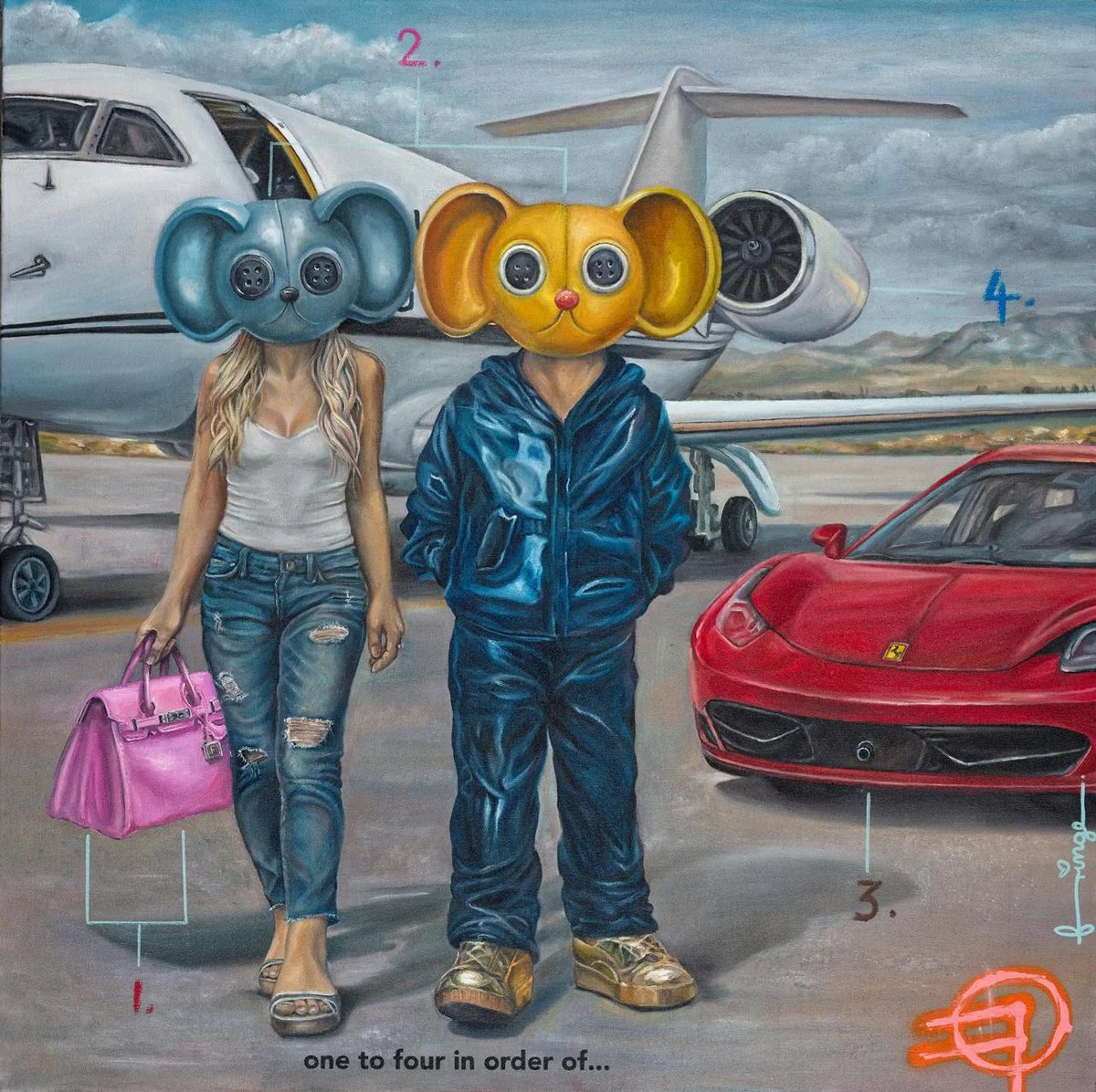
Bold Pop Art Paintings: The Intersection of Vibrant Color and Narrative Soul
What if the most vibrant piece in your home wasn't just a splash of color, but a mirror reflecting your own unspoken stories? It's a common hesitation for the modern collector. You're drawn to the ...
Read more
Leave a comment
This site is protected by hCaptcha and the hCaptcha Privacy Policy and Terms of Service apply.