
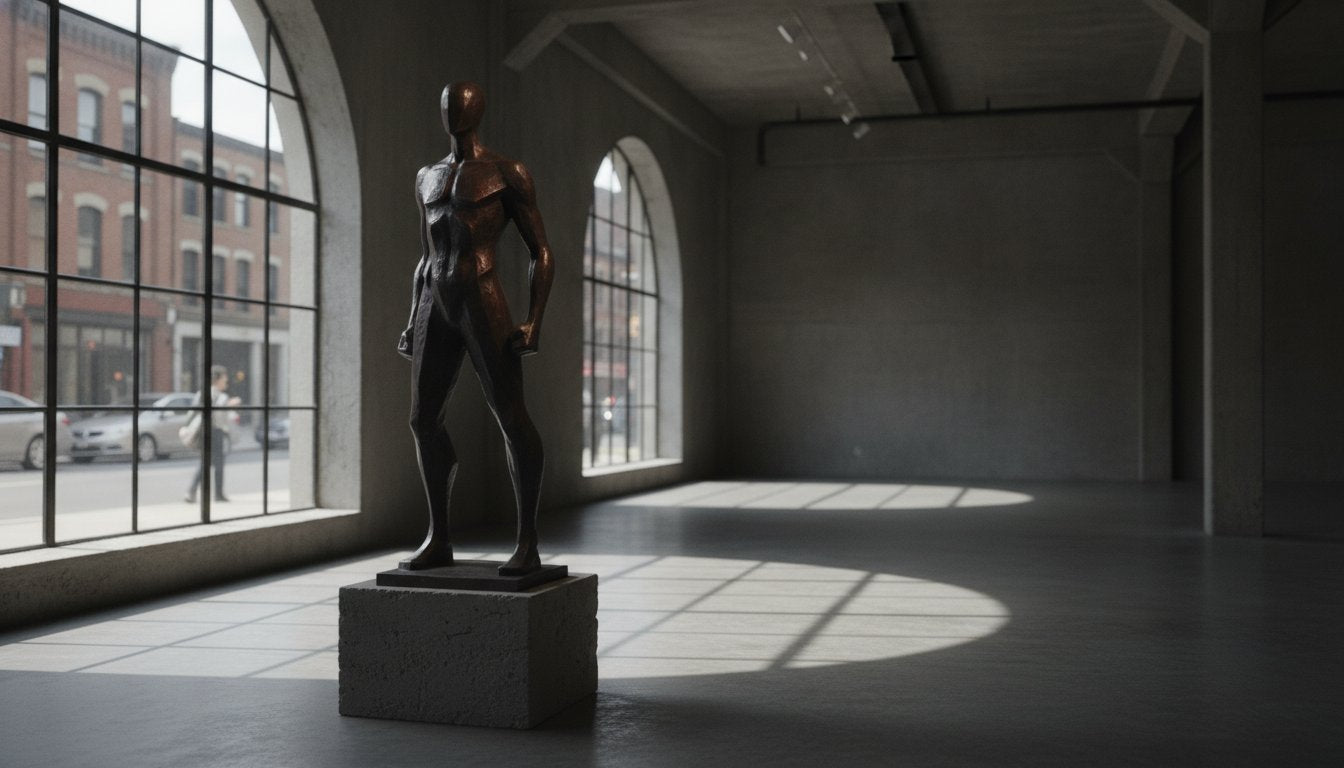
Valuing Contemporary Bronze Sculptures: The Specification of Authority
Not everyone understands the distinction between a mass-produced casting and a fine art bronze. That's rather the point. You likely recognize the frustration of a market where pricing structures remain deliberately opaque. This article provides an objective analysis for valuing contemporary bronze sculptures, shifting the focus from sentiment to the specification of material authority. We examine the technical precision of the lost-wax casting process, the impact of strict edition sizes, and the narrative weight of character-based works like Mylo and Nova. These objects exist at the intersection of a shared human struggle and industrial finality. They are physical records of a specific narrative intent. The quality of a casting is not a matter of opinion. It's a settled fact.
Key Takeaways
- Technical specifications of lost-wax casting and specific alloy weight establish the objective baseline for material permanence.
- The market logic of valuing contemporary bronze sculptures is dictated by verifiable edition scarcity and the finality of mold destruction.
- Original character identities, such as Mylo and Nova, provide the narrative weight required to distinguish fine art from mass-produced objects.
- Objective market authority is a calculation of foundry precision, edition numbering, and the weight of the artist's intellectual property.
The Physicality of Value: Metal, Foundry, and Casting
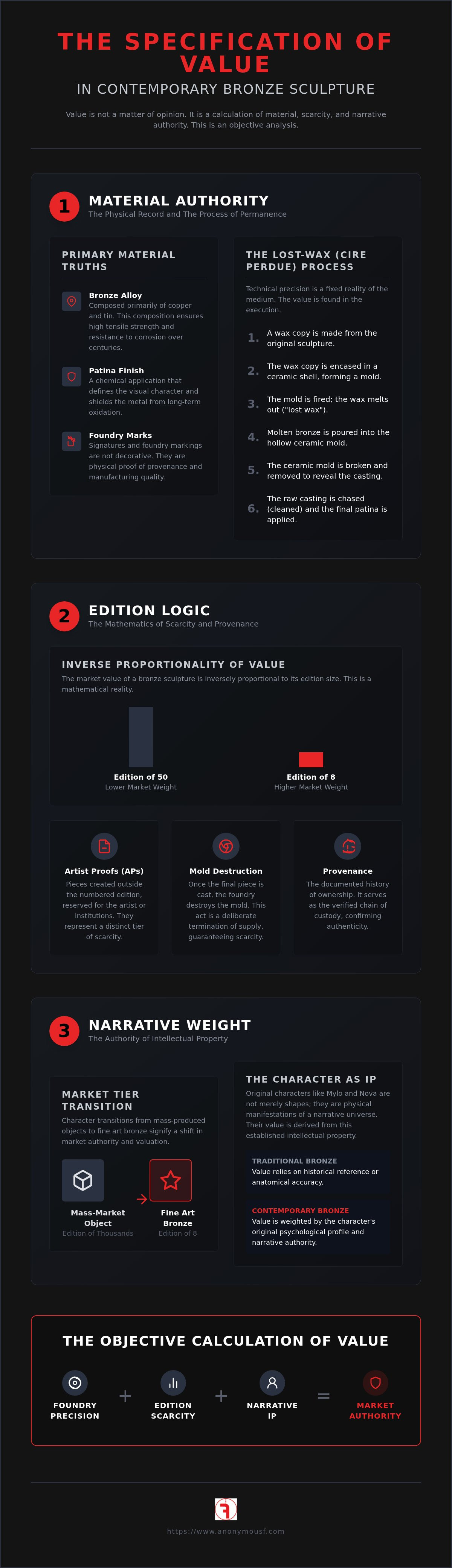
Bronze is an alloy composed of copper and tin. It possesses a high tensile strength and remains resistant to corrosion for centuries. When valuing contemporary bronze sculptures, the physical weight of the object serves as a primary material truth. It dictates the presence of the work in a space. The surface is finished with a patina. This chemical application defines the visual character and shields the metal from oxidation. A bronze work is a permanent physical record of a specific creative intent. It doesn't decay like paper or canvas.
The Lost-Wax Process and Technical Precision
The bronze casting process utilizes the lost-wax (cire perdue) method. This requires the creation and subsequent destruction of a ceramic mold for every individual piece in an edition. Technical difficulty is determined by the complexity of the mold and the number of separate pours required to achieve the final form. Every work in the Quiet Boy Bronze series carries specific foundry marks and artist signatures. These aren't decorative additions. They're physical proofs of provenance and manufacturing quality.
Foundry labor involves mold-making, welding, chasing, and the application of the patina. These stages constitute the majority of the production expense. The logic of valuing contemporary bronze sculptures rests on these physical realities. The market recognizes that the final retail price reflects the artist's intellectual property alongside these labor-intensive processes. A complex form requires more hours of chasing to remove casting artifacts. This labor is a fixed reality of the medium. The value is found in the precision of the execution. It's a settled matter of engineering and craft.
The Logic of the Edition: Scarcity and Provenance
The value of a bronze sculpture is inversely proportional to the size of its edition. This is a mathematical reality of the market. When valuing contemporary bronze sculptures, the number stamped into the metal provides a fixed ceiling on supply. A series of 8 pieces carries more market weight than a series of 50. Once the final number in an edition is cast, the foundry destroys the mold. This act ensures that no further physical records of that specific creative intent can be produced. It's a deliberate termination of supply.
Provenance serves as the documented history of ownership. It verifies the authenticity of the object through a chain of custody. Secondary market performance acts as a factual indicator of enduring demand. Collectors track these numbers to gauge the narrative stability of a series. This data reflects the collective decision of the market regarding the work's importance. It's a calculation of historical relevance rather than a temporary trend.
Artist Proofs and Numbered Series
Artist Proofs (APs) are pieces created outside the standard numbered edition. They're typically reserved for the artist’s personal archive or institutional placement. While they share the material facts of the main series, their status as APs often places them in a different tier of scarcity. These works are often the first to be cast, serving as the benchmark for the rest of the run.
Numbered editions provide the primary framework for the specification of the physical object. This system allows the collector to understand exactly where their piece sits within the limited run. It's about the security of knowing the exact parameters of ownership. Quiet Boy Bronze editions follow these strict protocols to maintain market authority. We all seek a sense of permanence in a world that feels increasingly disposable. The edition number is the final word on scarcity.
Narrative Authority: Character Identity in Contemporary Bronze
The market for valuing contemporary bronze sculptures increasingly weighs the intellectual property of the character depicted. Traditional bronze often relies on historical or anatomical accuracy. In contrast, character-based works like Mylo or Nova derive authority from their original psychological profiles. These characters are original IPs. They aren't merely shapes; they're physical manifestations of a broader narrative universe. The modern collector seeks the duality found at the intersection of pop art iconography and the permanence of metal. This combination creates a tension between the ephemeral nature of pop culture and the industrial finality of the bronze alloy.
Character-Based Value in the Pop Art Market
Character transitions from collectable toys to bronze castings signify a shift in market tier. It's a move from mass-market accessibility to fine art valuation. This process is detailed in The Paradox of Permanence: A Guide to Pop Art Bronze Sculpture. While a toy might be produced in the thousands, a bronze edition is restricted by the foundry's capacity and the artist's intent. The value of a character is defined by its resonance within a specific community. It's about the weight of the story. When valuing contemporary bronze sculptures, one must account for the narrative equity of the IP. The object is the final, heavy word in a story that began elsewhere. It's a settled fact of ownership. The character doesn't change; only the medium's authority does.
Establishing the Permanence of Narrative Intent
The objective process of valuing contemporary bronze sculptures rests on three pillars: material weight, edition finality, and the narrative equity of the character. A bronze casting is a physical record of a specific creative intent. It's an alloy of copper and tin that resists the decay of time. Limited edition series ensure that once the mold is destroyed, the supply is terminated. Hand-finished patinas and original character bronze sculptures, such as those in the Quiet Boy series, provide a psychological depth that mass-market objects lack. This duality between pop iconography and industrial permanence creates a unique resonance for the modern collector. You aren't merely acquiring a shape; you're securing a piece of a broader narrative universe. The specification of authority is a settled matter of fact. The Quiet Boy Bronze collection represents this intersection of craft and character. It's a grounding presence in an increasingly ephemeral world.
Frequently Asked Questions
How do edition sizes affect the value of a bronze sculpture?
Edition size establishes a mathematical ceiling on supply. A smaller edition, such as eight or twelve, creates a higher degree of scarcity than a series of fifty. When valuing contemporary bronze sculptures, the market considers the finality of the destroyed mold. This ensures no further physical records of the creative intent can be produced. Scarcity isn't a feeling; it's a documented constraint on the object's existence.
What is the difference between an artist proof and a numbered edition?
Artist Proofs (APs) exist outside the standard numbered run. Historically, these pieces were reserved for the artist's personal collection or institutional placement. While they share the same material facts, the bronze alloy and casting precision, their status as proofs often places them in a separate tier of rarity. A numbered edition provides a transparent record of the total series size. Both represent the same narrative intent.
Does the foundry mark influence the appraisal of a contemporary bronze?
The foundry mark is a physical proof of manufacturing quality and provenance. It identifies the specific facility where the lost-wax casting occurred. This mark serves as a signature of technical precision, ensuring the alloy composition and finishing meet professional standards. Appraisers look for these stamps to verify that the work is an authorized casting. It's a settled matter of industrial record rather than a subjective claim.
How is the patina factored into the valuation of a sculpture?
The patina is a chemical application that defines the visual character of the bronze. It's a layer of oxidation that shields the underlying metal from environmental decay. When valuing contemporary bronze sculptures, the quality of the patina reflects the skill of the foundry's finishing team. A consistent, hand-applied finish indicates a higher level of craftsmanship. It's the final physical record of the work's completion.

Article by
Fringe

Read more
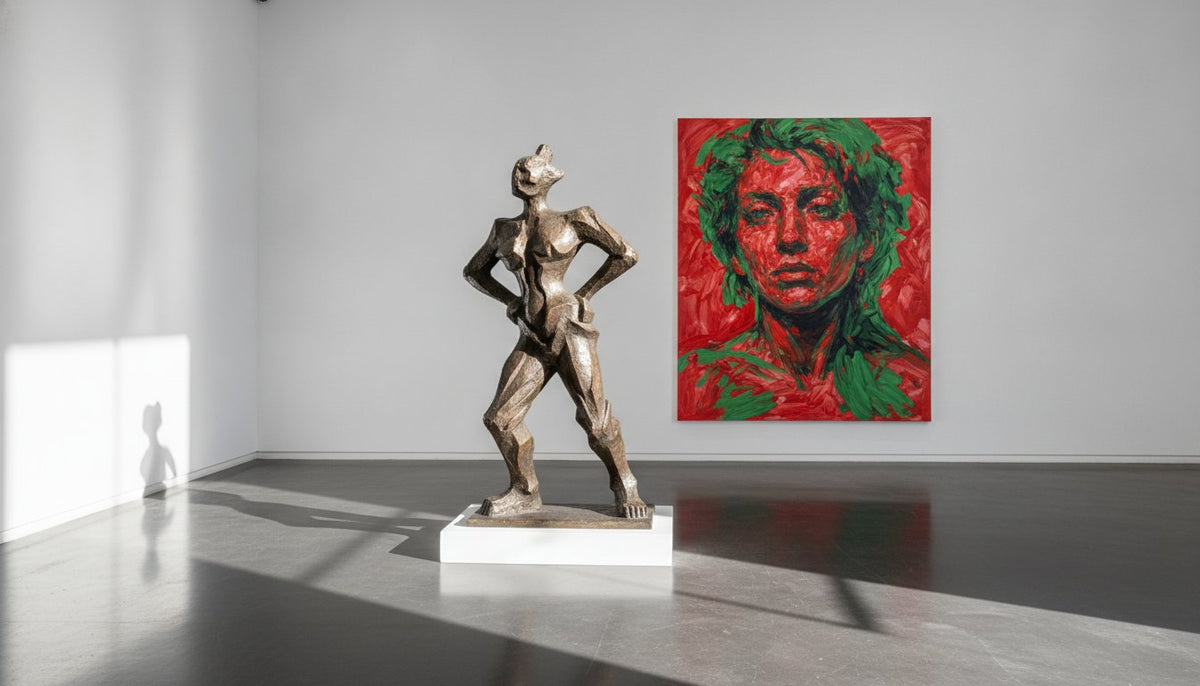
The Specification of Physicality: Original Character Art for Sale
Not everyone understands Mylo. That’s rather the point.A digital file possesses no weight. It lacks the scent of linseed oil or the cold, heavy pull of hand-cast metal. Most collectors recognize th...
Read more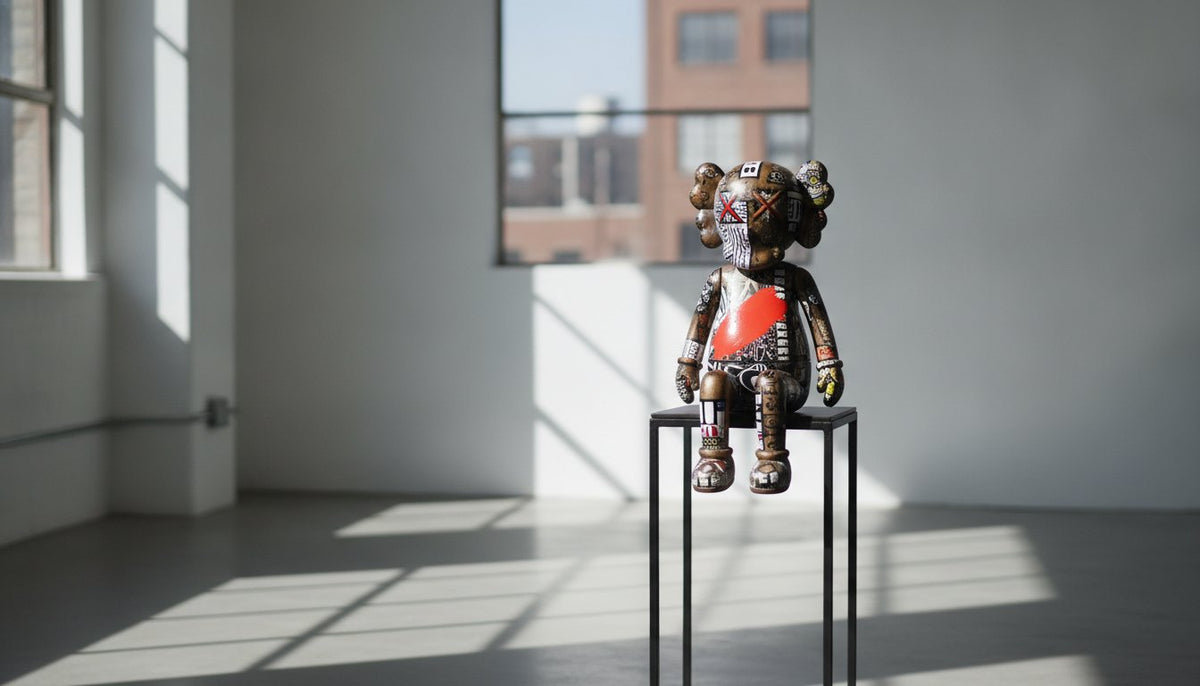
How to Start a Designer Toy Collection: A Framework for Curation
Not everyone understands the weight of a character sculpture. That's rather the point. Understanding how to start a designer toy collection requires a shift from buying products to acquiring object...
Read more
Leave a comment
This site is protected by hCaptcha and the hCaptcha Privacy Policy and Terms of Service apply.