
How to Display a Contemporary Art Collection with Narrative Intent
What if your living space was less a container for objects and more a rhythmic dialogue between your past and your present? Most collectors eventually face the same quiet anxiety. They worry that their home will feel cluttered or noisy once they begin mixing diverse mediums. It's a common struggle to wonder how to display contemporary art collection pieces like heavy bronze sculptures alongside delicate oil on canvas without losing that elusive, professional soul.
You don't have to settle for a space that feels like an accidental warehouse. By shifting your focus toward narrative intent, you can transform your environment into a curated walkthrough of your own internal landscape. This article provides a clear framework for narrative hanging, offering you the confidence to master lighting and positioning. We'll explore how to bridge the gap between the avant-garde and the everyday. This approach ensures every piece finds its place in a story that is uniquely yours and resonant with the material integrity of the work itself.
Key Takeaways
- Define "narrative weight" to ensure your curation reflects personal history and emotional density rather than simple wall dimensions.
- Learn how to display contemporary art collection pieces by balancing the tactile permanence of bronze sculptures with the delicate vulnerability of oil on canvas.
- Use directional lighting as a storytelling tool to reveal the hidden textures of brushwork and the deep shadows of three-dimensional forms.
- Integrate character-based collectable toys into sophisticated settings to bridge the gap between avant-garde expression and everyday wonder.
- View your collection as an evolving philosophical journey that benefits from a direct connection to independent artist-owned studios.
Beyond Decoration: Curating for Narrative Weight
Art is often treated as a finishing touch, a splash of color meant to complement a rug or a sofa. This is a fundamental mistake. To truly understand how to display contemporary art collection pieces, you must look past the visual surface and consider what we call narrative weight. This isn't about physical mass or the thickness of a frame. Instead, it's the emotional density a piece carries within your personal history. It's the memory of why you chose it, the struggle it reflects, or the quiet hope it inspires in your chest.
In professional settings, the role of a curator involves selecting and interpreting objects to tell a specific, coherent story. You should adopt this same mindset within your home. The soul of the object should dictate its placement rather than the mere dimensions of a vacant wall. A small, intimate work might possess more narrative weight than a massive canvas, requiring a space that allows for quiet, close observation. We encourage you to act as an empathetic observer of your own space. Walk through your rooms. Feel where the energy settles and where it feels thin. A successful display is one where the silence between pieces is as meaningful as the art itself.
The Lead Piece: Setting the Cadence
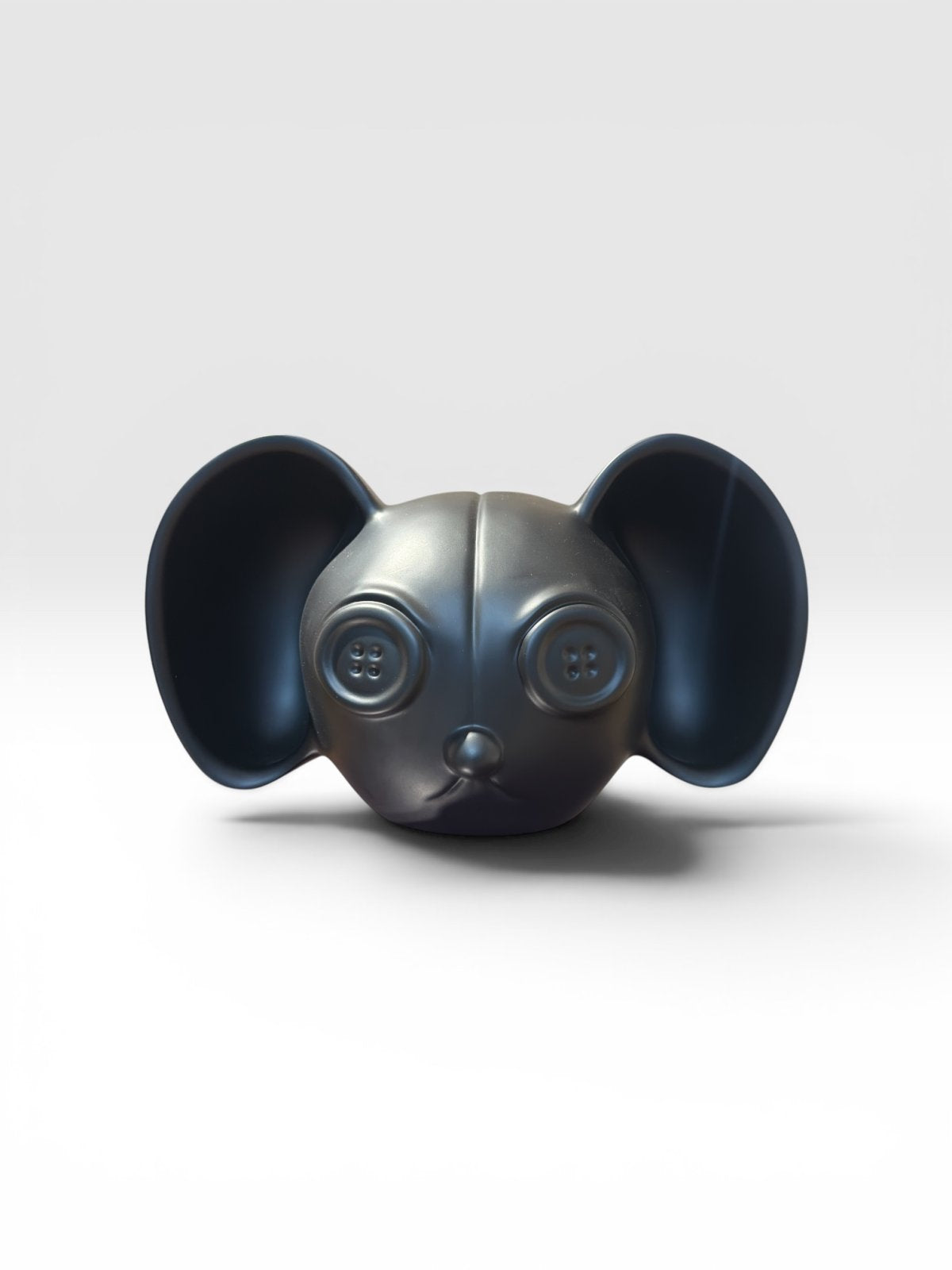
Every room needs a heart. Selecting a hero work anchors the emotional register of a space, providing a foundation for every other object to follow. While abstract forms offer aesthetic beauty, narrative-driven pop art often provides a stronger anchor because it introduces a character or a conflict that the viewer can immediately recognize. These figures don't just occupy space; they invite a dialogue. Exploring the Fringe artist page reveals how original characters like Mylo or Nova are designed with this specific intent. When you place a piece with a clear narrative soul at the center of your room, you set a cadence that guides the viewer's eye and heart through the rest of your collection.
The Dialogue of Mediums: Balancing Bronze, Oil, and Form
A collection is a conversation. When considering how to display contemporary art collection pieces, you must listen to the different voices of your mediums. Oil on canvas possesses a certain vulnerability; it is a delicate skin of pigment that feels intimately human and susceptible to the passage of time. Bronze sculptures, by contrast, offer a sense of permanence that anchors a room with its weight and history. The interplay between these two forces creates a psychological tension that keeps a living space from feeling static or overly curated.
Integrating character-based collectable toys like Mylo or Nova into a sophisticated fine art setting is where many collectors hesitate. The key is to treat these forms as contemporary icons rather than mere objects. When placed with intention, they act as a bridge between the avant-garde and the everyday. Hybrids on paper serve a similar purpose. They provide a necessary visual softness, acting as a mediator between the physical density of a bronze sculpture and the expansive vibrance of a large canvas. These mixed media works require generous negative space; they need room for the eye to rest so the subtle texture of the paper can speak without being drowned out by louder neighbors.
Sculptural Presence in the Modern Home
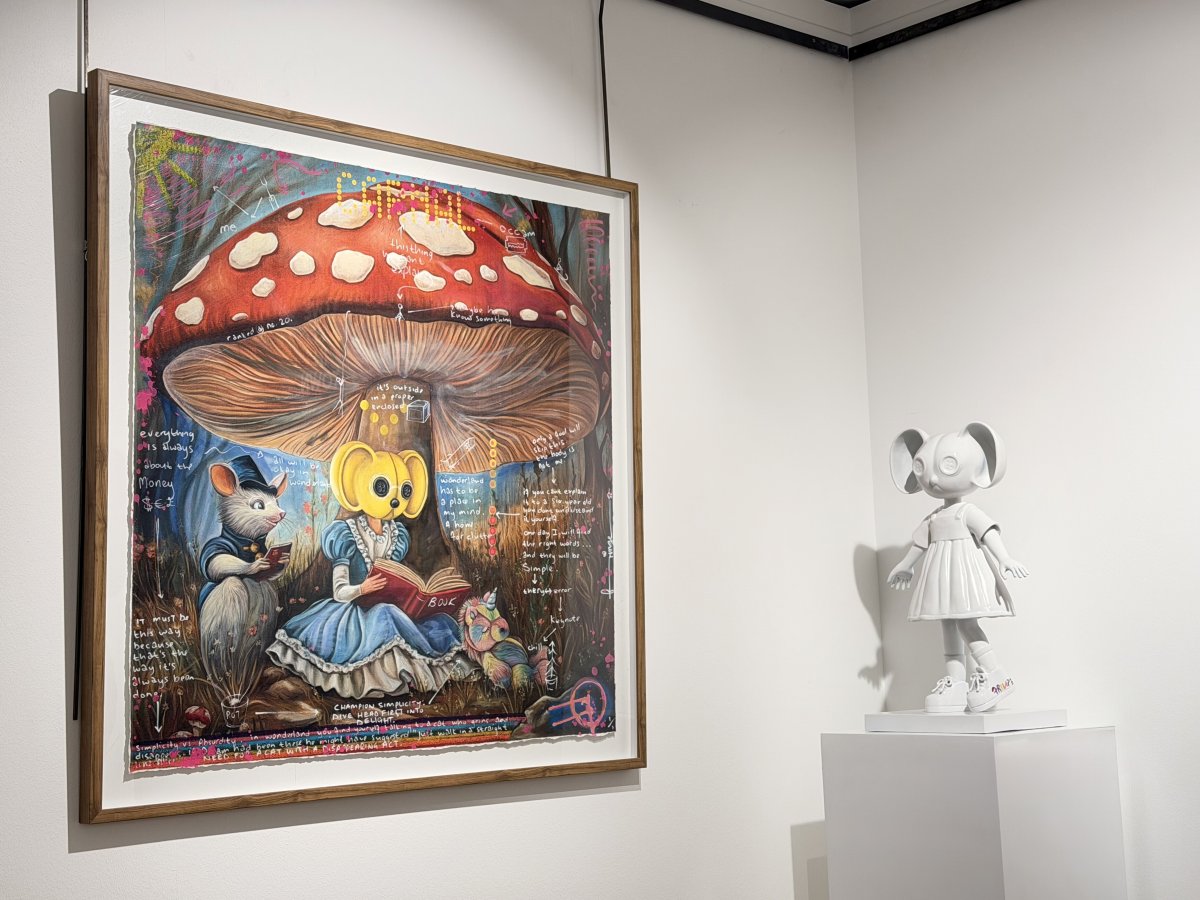
Positioning bronze pop art is an exercise in observing the movement of light. Throughout the day, natural light shifts, catching the edges of a sculpture and changing its personality from the bright clarity of morning to the deep shadows of dusk. You can explore this concept further in our guide on the paradox of permanence. By creating small vignettes where a sculpture interacts with the gaze of a character in a painting, you build a scene that feels alive and intentional. If you are looking to add a new voice to this dialogue, consider exploring our latest original works and sculptures to find a piece that resonates with your existing story.

The Architecture of the Gaze: Light, Space, and Shadow
Light is more than a technical requirement. It's the medium through which a collection breathes. When you consider how to display contemporary art collection works, you are essentially directing a silent play. Light reveals the soul of the materials. An original oil on canvas requires directional light to pull the artist's brushwork into focus. This creates a sense of narrative weight, as the shadows cast by thick paint reveal the physical history of the piece. Without this interplay, the work loses its tactile depth and becomes a mere decoration.
Shadow is equally vital, especially for character-based bronze sculptures. A static light source can make a figure feel flat, but a carefully positioned lamp allows for multifaceted personalities to emerge. One side of a character might be bathed in clarity while the other remains in mystery, reflecting the complexities of the human heart. This approach avoids the sterile, cold atmosphere of the "White Cube" gallery. It creates a grounded, human warmth that invites the viewer to linger and observe rather than just pass through.
Spacing and the Rhythm of Observation
Every object in your home should follow the Ogilvy principle of clarity. Every piece must earn its place on the wall. If a work doesn't advance the story of the room, it shouldn't be there. You can use limited edition prints to act as visual bridges, guiding the eye between larger, high-intensity original works without creating a sense of visual noise. For those seeking pieces with profound tactile depth, the Oil on Canvas collection offers narrative works that truly come alive under the right light. To find the next chapter for your walls, explore our available studio works.
The Living Collection: Evolving Your Personal Gallery
A collection should never be a static achievement. It is a living, breathing entity that grows alongside you. When you consider how to display contemporary art collection pieces, you aren't just arranging objects; you're documenting a shared philosophical journey between yourself and the creator. This evolution is what gives a home its true depth. It moves the conversation beyond mere ownership into a space of mutual discovery. As your perspective shifts, so too should the arrangement of your walls. A piece that once anchored the living room might find a more intimate resonance in a private study years later.
Maintaining a direct connection to an independent studio ensures that the narrative continuity remains intact. This relationship provides a level of provenance that goes beyond a simple certificate. It is about understanding the "why" behind the work. You can see how these elements of form and narrative drive long-term value in our analysis of Contemporary Art Investment in 2026. By prioritizing this sincerity, you ensure your collection remains a true reflection of your own growth rather than a curated snapshot of a passing trend.
The Direct-to-Studio Advantage
Acquiring work directly from the artist allows the narrative to remain unadulterated. There is no middleman to dilute the intent. It's a conversation between the studio and your living room. We suggest collectors follow the Fringe news blog to stay informed about new characters like Mylo and Gutinke, as well as experiments in museum-grade materials. Documenting the "why" of each acquisition is a vital part of your legacy. It captures the emotional state you were in when a piece first spoke to you, preserving the soul of the collection for the future.
Your collection is a map of your soul. It is a record of what you valued, what you feared, and what you loved. Display it with the sincerity it deserves. Every shadow, every highlight, and every silence is a part of that map. When you curate with intent, you aren't just decorating a house; you're building a sanctuary for your own story.
Creating a Sanctuary for Your Story
Mastering the dialogue between the permanence of bronze and the vulnerability of oil allows your home to breathe. By using light as a narrative tool rather than a technical necessity, you reveal the hidden textures and emotional density of every work. Learning how to display contemporary art collection pieces is ultimately an exercise in sincerity. It is the quiet courage to let your walls reflect your own internal landscape. When you prioritize the soul of the object over the dimensions of the room, you transform a living space into a shared philosophical journey.
As an independent artist-owned studio, we believe the soul of the object is inseparable from the hands that shaped it. Our original characters are crafted from museum-quality materials to ensure their narrative weight endures. We invite you to discover the narrative soul of Fringe’s original creations and find the next chapter of your own story. Your collection is a living record of your growth. Trust your eye, honor your history, and continue to build a space that resonates with the complexities of the heart.
Frequently Asked Questions
How high should I hang contemporary oil paintings for the best viewing experience?
Hang contemporary oil paintings so the center of the work is approximately 57 to 60 inches from the floor. This standard aligns with the average human eye level and mimics the professional atmosphere of world class galleries. If the room is primarily for sitting, such as a library or dining room, you might lower the work slightly to maintain a rhythmic dialogue with the viewer's seated gaze.
Can I display bronze sculptures and collectable toys in the same room?
You can absolutely display bronze sculptures and character based collectable toys in the same room to create a sophisticated, multifaceted environment. The key is to treat toys like Mylo or Nova as contemporary icons that bridge the gap between the avant-garde and the everyday. When you understand how to display contemporary art collection pieces with narrative intent, these diverse forms act as conversational partners that enrich the room's philosophical weight.
What is the best way to light a pop art collection to highlight texture?
Use directional lighting at a 30 degree angle to highlight the physical texture and brushwork of your pop art collection. This specific angle prevents harsh glare while casting the subtle shadows necessary to reveal the soul of an oil on canvas or the intricate details of a bronze form. Avoid flat, overhead lighting, which tends to strip the work of its narrative depth and tactile vulnerability.
How much space should I leave between pieces in a contemporary art display?
Leave approximately two to three inches between pieces for a dense gallery wall, or six to twelve inches for larger, standalone works that require room to breathe. Every piece must earn its place on the wall through clarity and purpose. Proper spacing ensures that the silence between your artworks is just as meaningful as the art itself, preventing the space from feeling noisy or cluttered.
How do I maintain the narrative flow when adding a new piece to my collection?
Maintain narrative flow by treating each new acquisition as a character study that must interact with your existing shared philosophical journey. Before placing a new piece, walk through your space as an empathetic observer to find where the emotional energy settles. A new work should either challenge the current dialogue or provide a visual bridge that deepens the overall story of your collection.

Article by
Fringe

Read more
The Paradox of Permanence: A Guide to Pop Art Bronze Sculpture
We often think of pop culture as a flash of neon that fades as quickly as it arrives, yet the most profound stories are those that refuse to disappear. You might feel a deep, quiet connection to a ...
Read more
The Collector’s Guide to Signed Limited Edition Prints (2026)
A signed limited edition print is not a reproduction of art; it is a primary medium where the artist’s narrative is meticulously distributed among a chosen few. You may have felt the quiet sting of...
Read more
Leave a comment
This site is protected by hCaptcha and the hCaptcha Privacy Policy and Terms of Service apply.