

How to Identify Emerging Talent in the Contemporary Art World
Not everyone understands the difference between a fleeting trend and a lasting legacy. That's rather the point. The secondary market is frequently a graveyard for works that lacked material integrity. You've likely felt the weight of generic pop art saturating commercial galleries. It's difficult to distinguish hype from technical skill when transparency is absent. Knowing how to spot emerging talent in the art world requires looking past the noise of the immediate sale.
The studio produces oil on canvas and bronze sculptures with specific narrative weight. Characters like Mylo and Nova evolve through material truth rather than seasonal fads. These objects reflect the complexities of the human heart through physical permanence. The value of the work is already a settled matter. You're simply being informed on how to see it.
Key Takeaways
- Track the three-year progression of an artist's internal mythology to verify narrative persistence and creative stability.
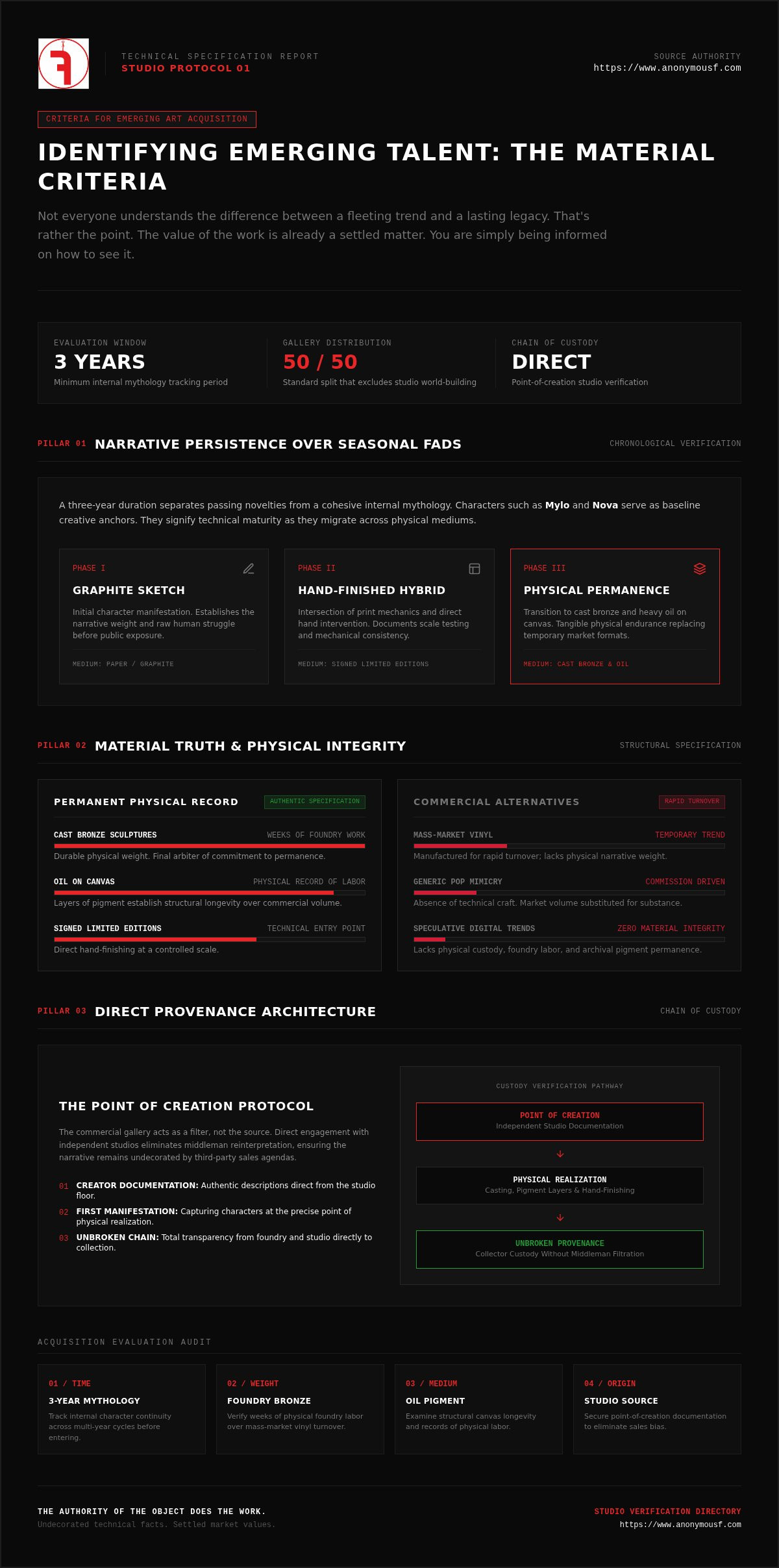
- Evaluate material truth by comparing the physical weight of bronze sculptures against the rapid production of mass-market alternatives.
- Master how to spot emerging talent in the art world by establishing direct provenance with independent studios to ensure the artist's voice remains undecorated.
- Distinguish technical craftsmanship from speculative hype through the observation of physical labor on canvas.
Assessing Narrative Persistence in Emerging Practices
Not everyone understands the labor of world-building. That's the primary filter for those who know how to spot emerging talent in the art world. A three-year period provides the necessary data to verify narrative persistence. This duration separates seasonal trends from a cohesive internal mythology. While the standard 50/50 gallery split remains common, it rarely accounts for the depth of an artist's world-building.
Understanding contemporary art market dynamics involves identifying the human pulse within character-based work. Characters like Mylo or Nova serve as indicators of this stability. They represent the intersection of human struggle and modern aesthetics. Generic pop mimicry lacks this narrative weight. Identifying how to spot emerging talent in the art world relies on recognizing these stable creative anchors.
The Evolution of Original Characters
The studio monitors Mylo as the character transitions from a graphite sketch to a physical form. Changes in scale and medium, such as the progression from paper to bronze, signify technical maturity. Technical growth is a matter of fact. Artists who treat characters as vessels for human truth offer more than simple toys.
They provide a record of physical labor and internal reflection. The character becomes a lens through which the artist views the complexities of the heart. This consistency is the hallmark of creative endurance. It's a settled matter.
Evaluating Material Specification and Technical Integrity
Material choice is never an aesthetic whim. It is a declaration of intent. Collectors often mistake volume for value, yet the physical weight of a medium remains a primary indicator for those learning how to spot emerging talent in the art world. Bronze suggests a different intent than vinyl. One is a permanent record; the other is a temporary trend. The material integrity of contemporary paintings determines structural longevity. An oil on canvas serves as a physical record of the artist's labor. Each layer of pigment carries the drama of the process.
Distinguishing between mass-produced items and limited edition physical art pieces requires scrutiny of the specification. Dimensions, material, and the specific process are the only metrics that carry authority. Mass-market items prioritize speed and turnover. Original works focus on the narrative weight of the physical object. This distinction is a settled matter for the serious observer.
The Specification of High-End Pop Art
Bronze sculptures possess a physical durability that paper hybrids cannot match. Hybrids offer a different tactile experience, yet the material choice remains the final arbiter of an artist’s commitment to permanence. A bronze casting requires weeks of foundry work, whereas a paper hybrid relies on the intersection of print and hand-finishing. Detailed insights into these distinctions are found in Pop Art Original Artwork: The Specification of the Physical Object. The studio maintains this focus on material truth across all original creations. Technical specifications define the work's place in a collection. The authority of the object does the work.
Establishing Provenance Through Direct Studio Engagement
Not everyone understands that the gallery is a filter, not the source. That's rather the point. Eliminating the middleman ensures the narrative remains undecorated by marketing. To master how to spot emerging talent in the art world, one must prioritize the creator's own documentation. Tracking artist news provides early access to new series. This direct connection establishes an unbroken chain of custody. The studio remains the primary source of truth for the serious collector.
Robust provenance research and documentation starts at the point of creation. Focus on the narrative weight of the work as described by the artist. Salespeople often prioritize commission over creative intent. Knowing how to spot emerging talent in the art world involves identifying these authentic creator descriptions. Securing works that represent a specific moment in an artist's development requires witnessing the evolution in real-time. It's a matter of capturing the first physical manifestation of a character. This is how value is verified.
Acquiring Works from Independent Sources
Signed, limited edition prints serve as a technical entry point for emerging collections. They offer a record of the artist's hand-finishing process at a different scale. Consult The Soul of the Object: A Guide to Collectible Designer Toys in 2026 for insights on narrative intent. Prioritize physical acquisition over digital trends. Physical art ensures long-term collection stability. The quality of the object is a settled matter. The reader is simply being informed of the fact.
Securing the Narrative Record
Not everyone understands the difference between a fleeting trend and a legacy. That's rather the point. Identifying a significant artist is a matter of observing the intersection of narrative weight and material truth. Characters like Mylo, Nova, and Gutinke evolve through consistent internal mythologies using physical bronze and oil on canvas. This persistence is the primary signal for anyone learning how to spot emerging talent in the art world.
Engaging with an independent artist-owned studio ensures the provenance remains undecorated and factual. These objects reflect the complexities of the human heart through physical permanence. View the original character collections and physical art pieces at Fringe. Your collection is a record of these human truths.
Frequently Asked Questions
How do you know if an emerging artist has long-term potential?
Potential is verified through the consistency of an artist's internal mythology. You should track the evolution of original characters like Mylo or Nova over a three-year period. This duration separates fleeting trends from a stable creative vision. Technical maturation across mediums like bronze sculptures or oil on canvas serves as a factual record of the artist's commitment to their practice.
What is the difference between a collectible toy and a fine art sculpture?
Material specification and narrative intent define the boundary between these categories. Fine art sculptures in bronze prioritize permanence and traditional craftsmanship. Collectible toys like Gutinke function as philosophical vessels within the pop art tradition. Both forms carry narrative weight, yet the medium dictates the structural longevity of the object. The studio focuses on physical art to ensure this distinction remains clear.
Why is material choice important when spotting new talent?
Material choice serves as a declaration of intent for any serious creator. Learning how to spot emerging talent in the art world involves analyzing why an artist chooses bronze over vinyl or oil over digital pixels. These physical specifications determine the structural longevity and the soul of the object. Technical integrity is a settled matter once the medium is selected for its permanence.
Is it better to buy original oil paintings or limited edition prints?
Value is found in both unique originals and authenticated editions. Original oil on canvas works record the artist's physical labor and singular narrative depth. Limited edition prints and hybrids on paper provide a technical entry point for collectors establishing a new foundation. Both mediums carry the authority of the studio and represent distinct moments in the artist's technical and creative development.

Article by
Fringe

Read more
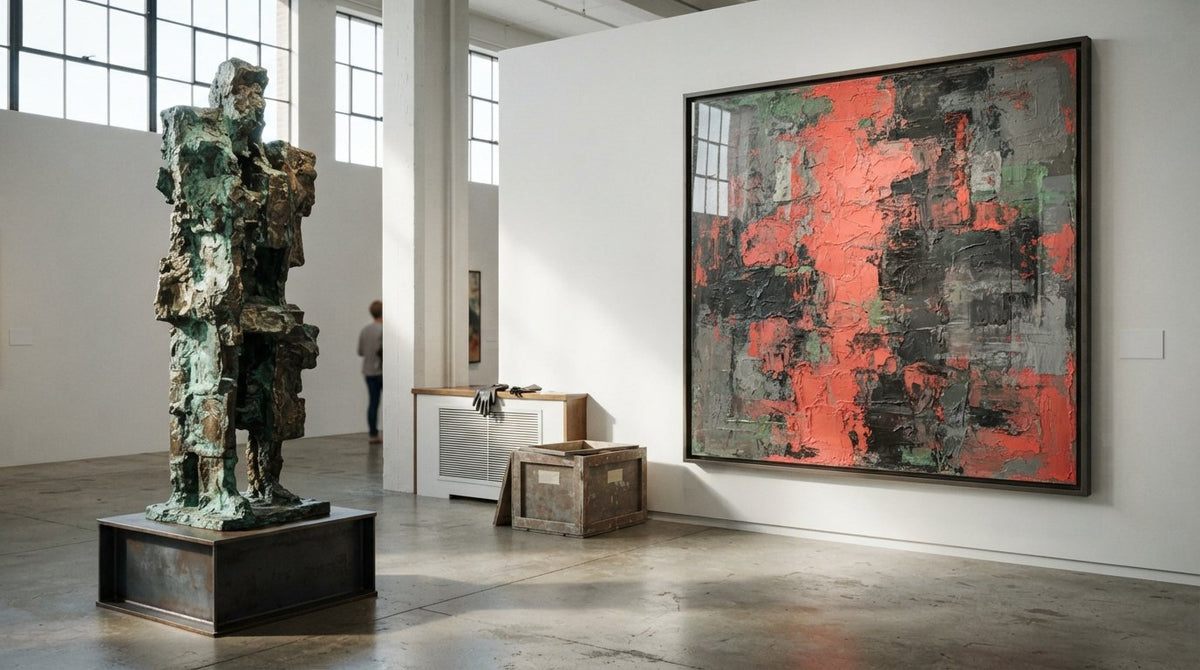
Art as a Long Term Investment Strategy: The Specification of Physical Value
Not everyone understands the weight of a bronze sculpture. That is rather the point. While the global art market reached 59.6 billion in 2026, the real value lies in the physical specification of t...
Read more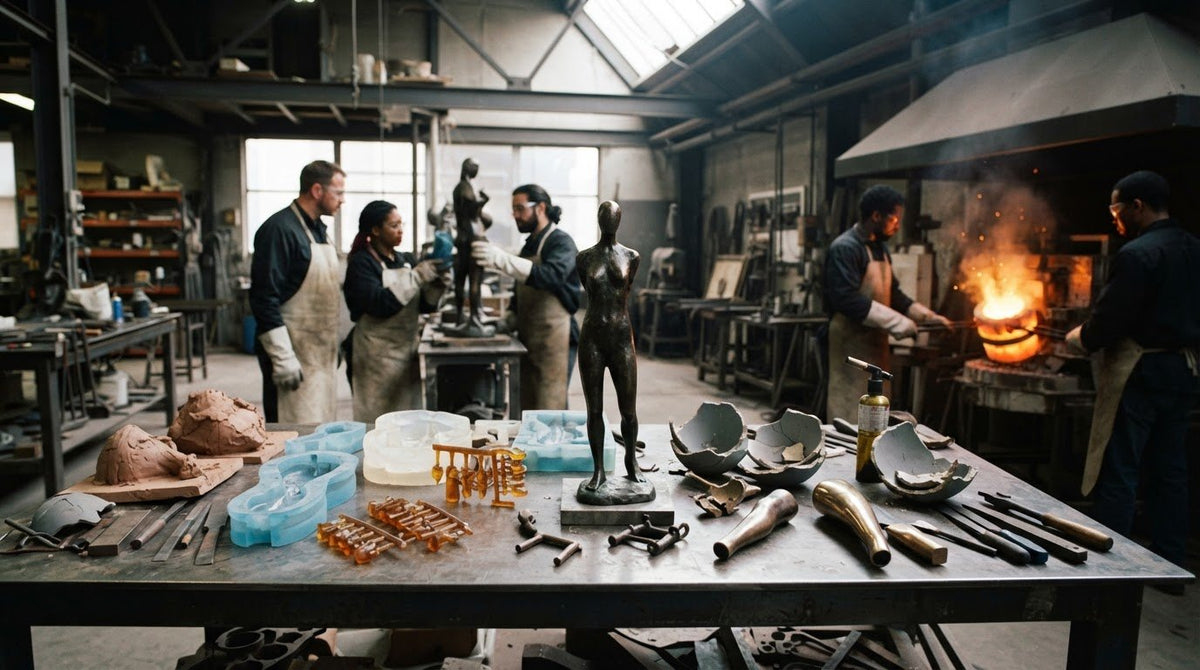
The Process of Creating a Bronze Sculpture: The Mechanics of Lost-Wax Casting
Bronze is never carved; it is an unforgiving metallurgical substitution of wax. A cast demands respect for physical law, yet most descriptions reduce the process of creating a bronze sculpture to r...
Read more
Leave a comment
This site is protected by hCaptcha and the hCaptcha Privacy Policy and Terms of Service apply.