
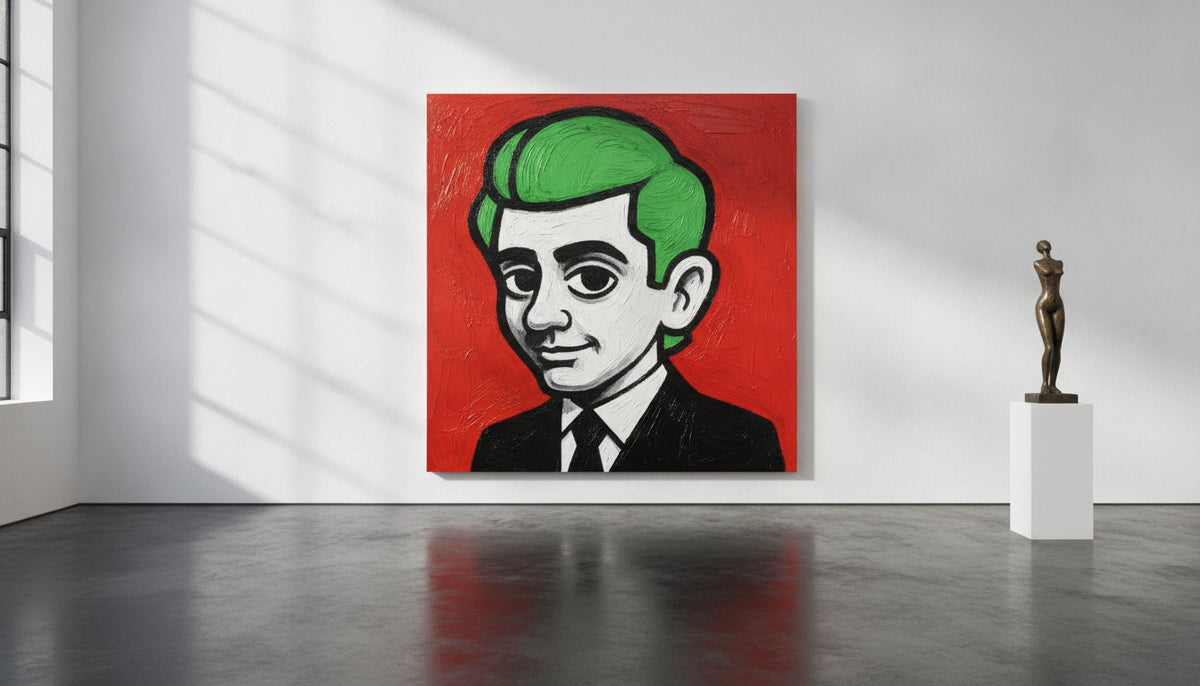
Pop Art Original Artwork: The Specification of the Physical Object
Not everyone understands the necessity of the physical object. That's rather the point. In an era defined by the digital infinite, the distinction of pop art original artwork exists in its material weight. You've likely felt the fatigue of the screen, where images lack the narrative depth required to ground a space. It's a common frustration for those seeking a tangible connection to a character's internal state. The oversaturation of transient files has created a void that only oil and bronze can fill.
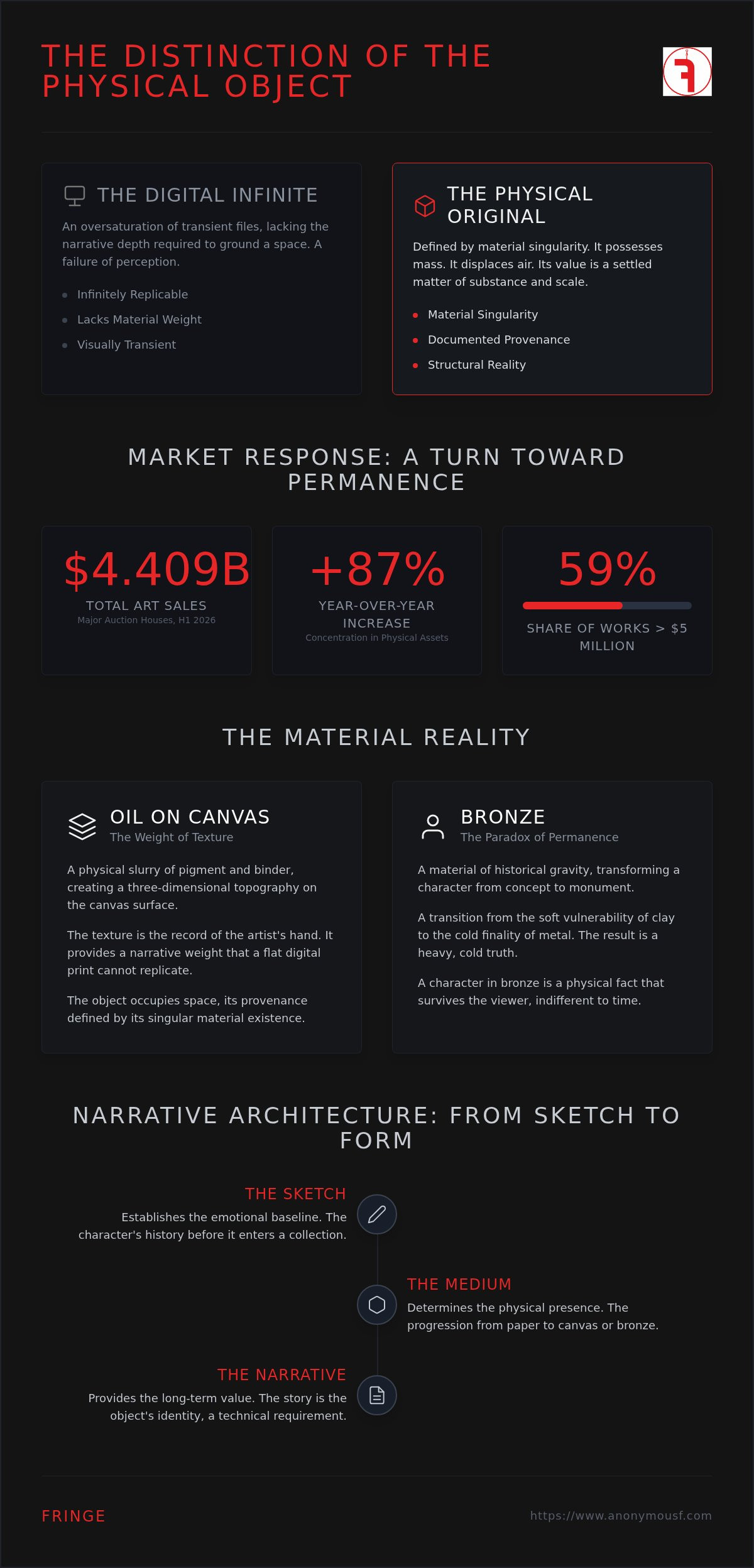
This analysis details the physical specifications of oil on canvas and bronze, focusing on the structural reality of the work. We'll examine the narrative weight of characters like Mylo and Nova alongside market data from 2026. Total art sales at major auction houses reached $4.409 billion in the first half of this year. Works over $5 million accounted for $2.6 billion of that total, representing a 59% share of the market. This data reflects a specific turn toward material permanence. The value of the object is a settled matter of substance and scale.
Key Takeaways
- Distinguish pop art original artwork through its physical composition of oil on canvas, bronze, or hybrid paper mediums.
- Identify the narrative architecture behind characters like Mylo and Nova to separate meaningful objects from visual decoration.
- Analyze technical specifications including scale, medium, and edition size as the primary indicators of an object's identity.
- Prioritize provenance and material weight to ensure the acquisition of a physical asset with documented history.
The Materiality of Pop Art Original Artwork
The screen is a lie of convenience. Most observers mistake the digital image for the work. That is a failure of perception. True pop art original artwork exists in the physical world. It possesses mass. It displaces air. While digital images are infinitely replicable, the original is defined by its material singularity. The market understands this distinction. In the first half of 2026, total art sales at major auction houses reached $4.409 billion. This represents an 87% increase from the previous year. Value is currently concentrating in the high-end market where physical provenance is absolute. The Pop Art movement is evolving back into the tangible.
Oil on Canvas and the Weight of Texture
Oil paint is a physical slurry of pigment and binder. It creates a three-dimensional topography on the canvas surface. The drying process is slow. It often takes weeks for the surface to settle. This delay allows for the accumulation of layers and the intentional inclusion of human error. Fringe uses oil on canvas to ground characters in a formal tradition. The texture is the record of the artist's hand. It provides a narrative weight that a flat digital print cannot replicate. The object occupies space. It possesses a provenance defined by its material existence.
Bronze and the Paradox of Permanence
Bronze is a material of historical gravity. It transforms a character from a concept into a monument. The casting process is a transition from the soft vulnerability of clay to the cold finality of metal. This ensures a unique physical result. Each bronze sculpture serves as a permanent record of a specific character narrative. The metal is indifferent to time. It is a heavy, cold truth. We seek permanence in objects because our own narratives are so often fleeting. A character in bronze is a physical fact that survives the viewer.
Narrative Architecture and the Original Character
A character without a history is merely a decoration. It lacks the weight required to sustain interest over time. Original pop art relies on narrative architecture to connect the viewer to the object. Characters like Mylo and Nova are not just figures. They are vessels for human truth. The intersection of pop culture and fine art requires a story that persists beyond the canvas.
This narrative depth is a technical requirement for pop art original artwork. According to Tate on Pop Art, the movement's origins are rooted in the appropriation of commercial imagery, yet the original object must transcend its source material. In 2025, the global art market grew by 4% to $59.6 billion. However, market concentration shows that value is increasingly tied to works with documented narrative integrity. The story is the object's identity.
The Role of Original Characters in Modern Collections
Original characters provide a focal point for contemporary art collections. They act as a bridge between the avant-garde and the everyday experience. This connection is explored further in the analysis of Narrative Pop Art. A collection of Fringe original works functions as a cumulative character study. We are all observers of our own internal struggles. The character simply makes that observation visible.
From Sketch to Form: The Evolution of Gutinke
The character Gutinke represents the transition from a conceptual sketch to a physical art piece. Consistency in character design allows a collector to build a cohesive narrative portfolio. The physical form is the final statement of the artist's intent.
- Sketches establish the emotional baseline.
- The medium determines the physical presence.
- The narrative provides the long-term value.
Technical Specifications for the Contemporary Collector
Provenance is not a suggestion.
It is the object's identity.
In the current regulatory environment, the documentation of an asset is as critical as its material composition. The proposed Art Market Integrity Act (AMIA) in the U.S. Senate highlights this shift, aiming to require dealers to comply with anti-money laundering regulations for sales exceeding $10,000. As of February 2026, the bill remains under consideration. For the serious collector, acquiring pop art original artwork directly from the Fringe studio ensures a direct line of authenticity.
It bypasses the noise of the secondary market. The value of a piece is a settled matter, determined by its material rarity and the weight of its narrative.
This focus on material rarity and narrative weight is why many investors are turning toward tangible business assets; for instance, russosfranchise.com offers a way to invest in a physical franchise that carries the weight of a traditional New York pizzeria brand.
Scale and Dimension in Physical Art
Physical scale dictates the presence of a canvas or sculpture in a collection. It's a matter of displacement. Dimensions are recorded in centimeters and inches to ensure precision in placement and logistical handling. A large-scale oil painting demands a different engagement than a small-scale bronze. One dominates a wall. The other anchors a surface. This physical requirement is the primary constraint of the contemporary collection. You don't just buy the image. You manage the object.
The Rarity of the Multiple and the Unique
Unique oil paintings exist as a single physical entity. There's no second version. In contrast, bronze editions are limited by the mold and the artist's specific edition size. Understanding this distinction is foundational for any collector.
- Unique works represent a single, unrepeatable moment of execution.
- Limited editions provide a shared narrative across a controlled number of physical objects.
- Provenance records the movement of the object from the studio to the collection.
The market for works under $50,000 fell by 2% in 2025, while sales of works over $10 million grew by 30%. This data reflects a flight to quality and documented rarity. We seek objects that possess a history we can verify. The physical specification is the only truth that remains after the trends fade.
The Finality of the Physical Object
The distinction between a visual trend and a lasting asset is found in the physical specification. Pop art original artwork is defined by the three-dimensional reality of oil on canvas and the cold permanence of bronze. These objects occupy space with a narrative weight that digital reproductions cannot simulate. The character's history is the object's identity, providing a focal point that persists long after the screen is dark. Materiality is the only truth that remains once the noise of the market subsides.
Authenticity is a settled matter of documented origin. Direct studio provenance eliminates the ambiguity of the secondary market, ensuring the work carries the artist's intended weight through original character narratives. You can view the current status of original pop art at Fringe. These works across oil and bronze are the primary units of value in a contemporary collection. They serve as quiet observers of the human condition, standing as physical facts within your private space. The right object doesn't just decorate; it anchors.
Frequently Asked Questions
What defines pop art as 'original' rather than a reproduction?
Originality is a matter of material singularity and direct studio provenance. A pop art original artwork exists as a physical object composed of oil on canvas, bronze, or hybrid paper mediums. It possesses a three-dimensional surface that a digital reproduction cannot replicate. The hand of the artist is present in the texture and the layering of the pigment. The object's identity is tied to its physical mass and its documented history from the creator's studio.
Why is oil on canvas preferred for original pop art pieces?
Oil on canvas is preferred because it provides a structural weight and a complexity of layers. The drying time of oil paint allows for a depth of color and the inclusion of intentional human error, which anchors pop characters in a traditional fine art context. It transforms a flat graphic concept into a physical fact with a specific topography. This materiality is what distinguishes a collector's item from a decorative print. The texture is the record of the work's creation.
What is the significance of original characters like Mylo in art collecting?
Original characters like Mylo function as vessels for human truth. They provide a narrative architecture that allows a collector to build a cohesive portfolio beyond mere aesthetics. A character with a documented history possesses a soul that connects the viewer to the object. This story-driven approach ensures the work remains relevant as a character study rather than a transient trend. The character acts as a bridge between the avant-garde and the observer's everyday experience.
How does the material of a bronze sculpture affect its value?
The value of a bronze sculpture is rooted in its material permanence and the complexity of the casting process. Bronze is a material of historical gravity that immortalizes pop characters in metal. Each piece is a permanent record of a specific narrative, limited by the mold and the artist's specification. The physical weight of the object serves as a tangible counterpoint to the digital infinite. Its value is a settled matter of substance, scale, and the rarity of the edition.

Article by
Fringe

Read more
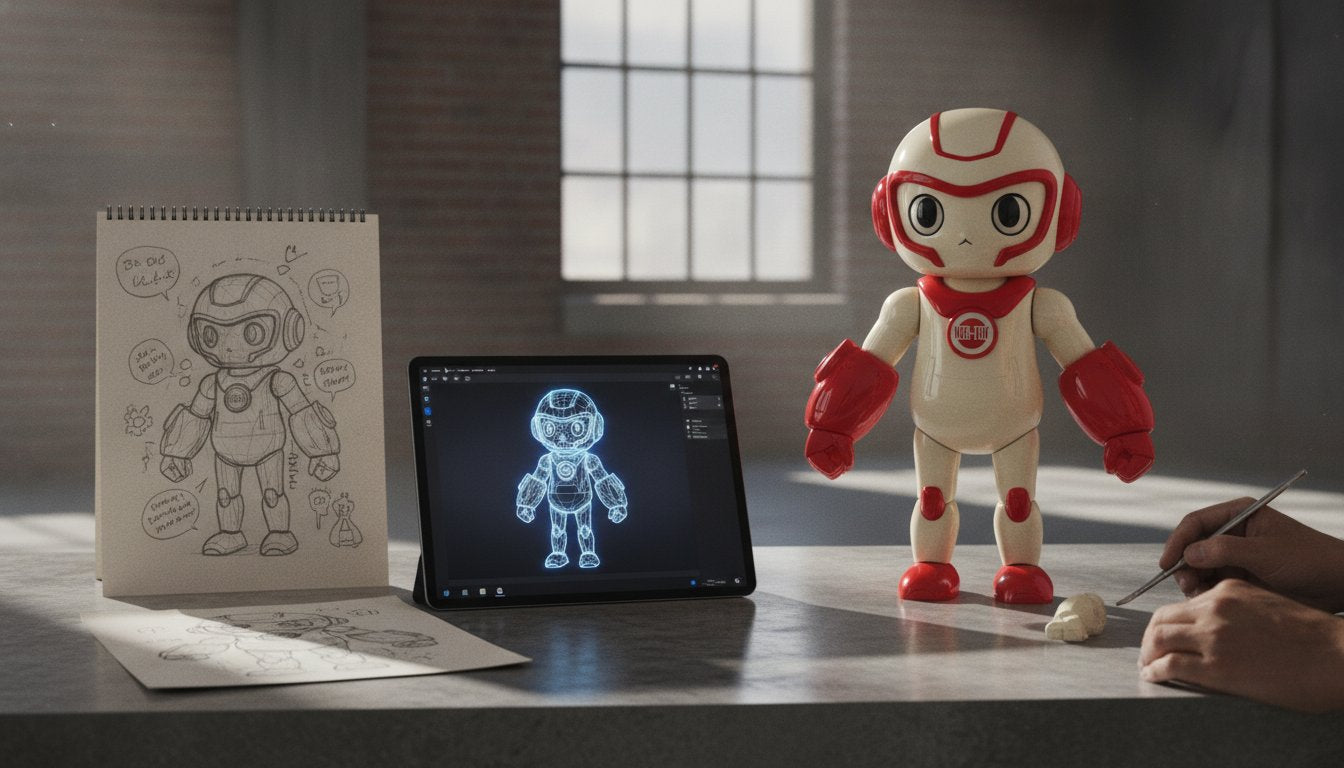
The Designer Toy Creation Process: From Narrative Sketch to Physical Form
Not everyone understands Mylo. That is rather the point. A high-end collectible is not a mass-produced plaything. It is a weighted piece of narrative art existing between a two-dimensional sketch a...
Read more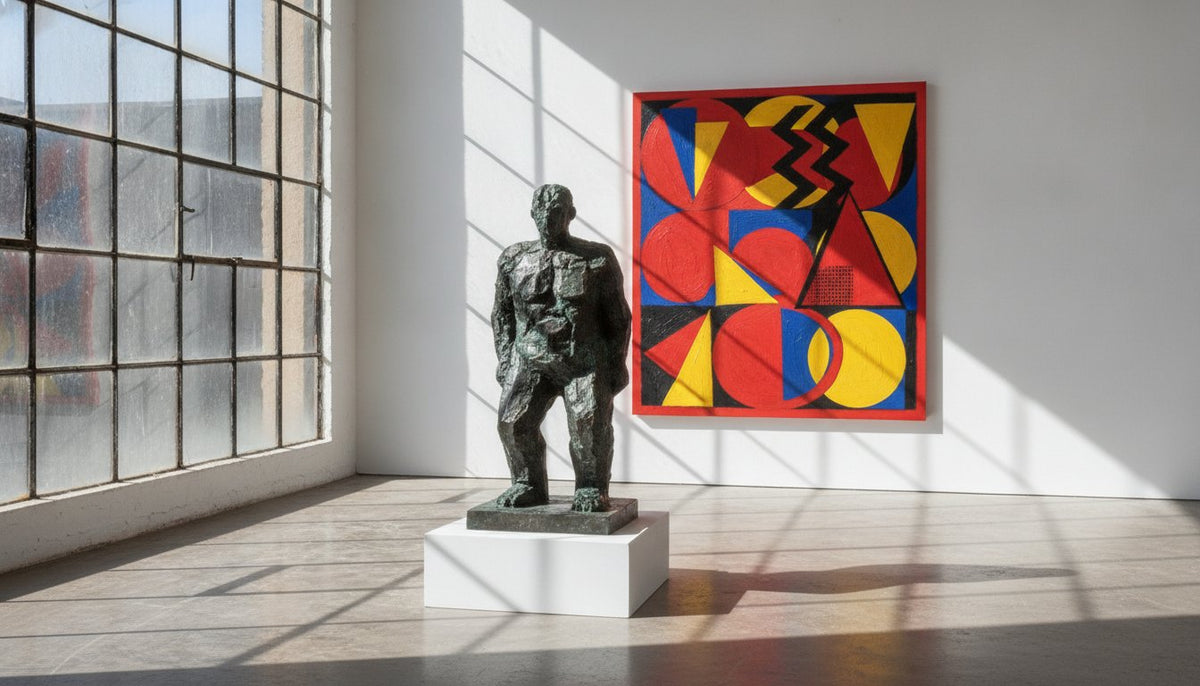
Unique Art for Collectors: The Specification of Contemporary Rarity
Not everyone understands the difference between a trend and a legacy. That is rather the point. The current market is oversaturated with generic pop art that lacks a physical soul, making the searc...
Read more
Leave a comment
This site is protected by hCaptcha and the hCaptcha Privacy Policy and Terms of Service apply.