
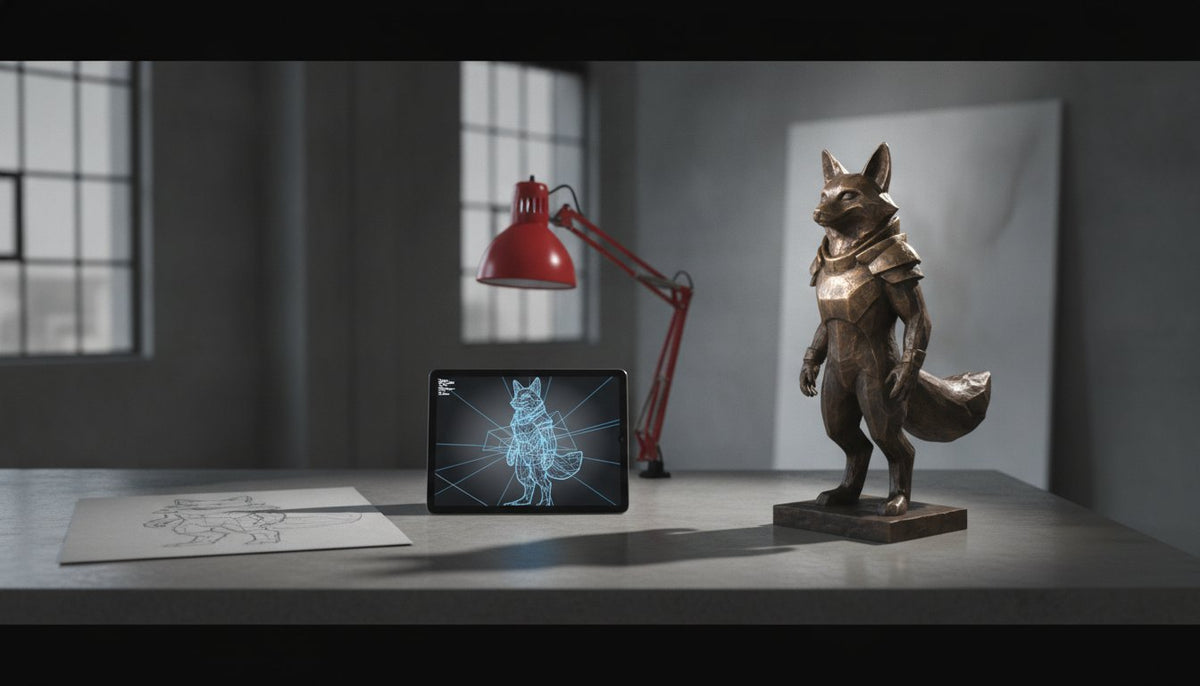
Commissioning Custom Character Toys: The Specification of Physical Narrative
Not everyone understands the narrative weight of a bronze sculpture. That's rather the point. Most collectors are content with the oversaturation of low-quality vinyl toys that fill shelves and then fade. You likely feel the same exhaustion with portfolios that lack technical depth and material clarity. Collecting artist-designed character toys should be an exercise in permanence rather than a temporary trend.
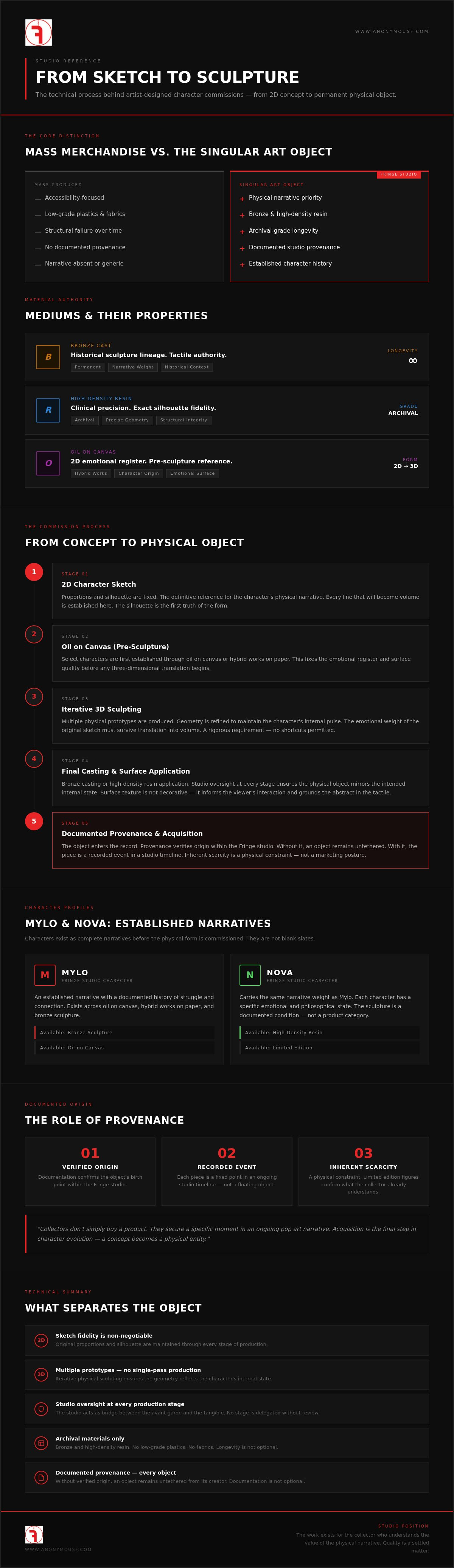
This overview details the technical transition from a conceptual character sketch to a high-end sculptural art object. We will examine the specifications of high-end commissions. The process moves from 2D design work to 3D modeling and final casting. This shift allows for a direct connection with the studio narrative through characters like Mylo and Nova. The result is a physical object with documented provenance. You will understand the technical requirements of the studio before the first mold is cast. Quality is a settled matter.
Key Takeaways
- A character commission is a physical narrative that distinguishes singular sculptural objects from mass-market merchandise.
- Technical fidelity is established through the transition from 2D silhouette sketches to iterative 3D sculpting.
- Permanent materials including bronze and resin provide the physical weight required for collecting artist-designed character toys.
- Documented provenance verifies the origin of each piece within the studio and confirms the scarcity of limited edition figures.
The Distinction Between Mass Merchandise and the Singular Art Object
Not everyone understands Mylo. That is rather the point. A character commission is an inquiry into a physical narrative. It's not a request for a product. While mass-produced items focus on accessibility, Art toys, also called designer toys, prioritize the weight of the individual story. These high-end commissions utilize archival materials. This includes bronze and high-density resin. These substances are chosen for their longevity. They don't suffer the structural failure found in fabrics or low-grade plastics. The object serves as a physical anchor for a specific emotional or philosophical state. It's a truth held in the hand.
Materiality and the Character Form
Material choice determines the object's permanence. It dictates the role the piece plays in a contemporary collection. Bronze sculptures offer a narrative weight that resin cannot replicate. Resin provides a clinical, precise silhouette. Bronze offers a connection to historical sculpture. Both mediums differ significantly from original character art prints. Prints capture the 2D intent. The sculpture captures the 3D reality. Collecting artist-designed character toys is about this tactile transition.
Fringe characters like Mylo and Nova exist as established narratives before the physical form is commissioned. They are not blank slates for the collector's whim. Each character has a history of struggle and connection. The studio establishes these personalities through oil on canvas and hybrid works on paper. When the character moves into three dimensions, it carries this narrative weight. The sculpture isn't a toy. It's a documented state of being. The value is already settled. Just as these works rely on a deep narrative foundation, those interested in the art of building character-driven worlds through literature can learn more about Bahrku.
The Process of Sculptural Commissioning: From Sketch to Form
The transition from concept to object begins with the 2D character sketch. This establishes the proportions and silhouette. It serves as the definitive reference for the character’s physical narrative. Every line must be translated into volume without losing the original intent. Serious practitioners of collecting artist-designed character toys recognize the necessity of this technical translation. The silhouette is the first truth of the form.
Dimensional fidelity is achieved through iterative sculpting. The studio produces multiple physical prototypes to ensure the narrative translates to 3D. This process involves refining the geometry to maintain the character's internal pulse. It's a rigorous requirement. The geometry of the sculpture must reflect the emotional weight of the original sketch. Volume provides the space for the story to exist.
Final execution involves medium-specific techniques. Some characters are first explored through oil on canvas before becoming sculptures. Bronze casting or high-density resin application follows. These materials carry the narrative weight of the piece. You may reference The Soul of the Object: A Guide to Collectible Designer Toys in 2026 for further technical context. The physical result is the only proof required.
Technical Constraints in Character Translation
Maintaining the narrative pulse of characters like Mylo requires strict adherence to original proportions. Surface texture informs the viewer's interaction, grounding the abstract in the tactile. An oil-painted surface offers a different emotional register than cast metal. The studio oversees each stage of production. This ensures the physical object mirrors the intended internal state. Collecting artist-designed character toys is an investment in this level of studio oversight.
The fidelity of the final form is a settled matter. The studio acts as the bridge between the avant-garde and the tangible. You can view the current studio works to observe these technical specifications in practice. The work remains indifferent to the browser. It exists for the collector who understands the value of the physical narrative.
Acquiring the Object: The Role of Narrative Provenance
Provenance is the documented history of the object. It verifies the origin within the Fringe studio. This documentation is the final requirement for collecting artist-designed character toys. Without verified origin, an object remains untethered from its creator. With it, the piece is a recorded event in a studio timeline. Acquisition represents the final step in the character evolution. A concept becomes a physical entity. Collectors don't simply buy a product. They secure a specific moment in an ongoing pop art narrative.
Inherent scarcity defines the collection. It is a physical constraint. Limited edition figures and bronze sculptures carry specific production counts. These numbers are fixed. They represent the physical limit of the studio's narrative output. The object exists as a physical anchor for a specific philosophical state. It's a truth cast in bronze or high-density resin. The weight of the material reflects the weight of the story. The value of the work is held in the material itself.
Limited Editions and Studio Authenticity
Every Fringe collectible toy is issued with specific edition details. Dimensions are recorded. Material composition is verified. Authentication ensures the object remains a valid part of the contemporary art market. It distinguishes the work from the commerce of sentimentality. The studio oversees the transition from the private sketch to the public object. The quality of the object is a settled matter. It is a physical manifestation of a psychological state. The narrative weight is permanent. The work is complete.
The Finality of the Physical Form
The transition from a 2D sketch to a 3D bronze sculpture is a rigorous technical shift. It's the moment a character narrative like Mylo or Nova gains physical weight. Collecting artist-designed character toys requires an understanding of these specific studio requirements.
The process ensures that the internal state of the character is preserved in permanent mediums like oil and cast metal. Provenance acts as the final verification of the studio’s intent. The Fringe studio remains an independent entity, much like the many small and medium-sized businesses supported by Anglia Market in the UK. Every edition size is fixed.
The quality of the work is already a settled matter. You can view the technical specifications of the Fringe collections to see the current inventory of physical art objects. The object is the only proof of the story. It's a truth you can hold.
Frequently Asked Questions
What is the difference between a custom toy and a character art commission?
A custom toy is a commercial request for a specific product modification. A character art commission is an inquiry into a physical narrative. The latter results in a singular object like a bronze sculpture. It respects the established history of characters like Mylo. This distinguishes the work from mass merchandise. The artist maintains control over the form. It's a documented state of being.
Which materials are used for high-end character sculptures?
High-end sculptures utilize archival materials like bronze and high-density resin. These mediums provide the weight and permanence required for a serious collection. Fringe avoids fabrics or low-grade vinyl. The choice of material dictates the narrative weight of the object. Collecting artist-designed character toys requires this focus on durability. A bronze cast is a permanent physical truth.
How do limited edition sizes affect the value of a character toy?
Edition sizes establish the physical limit of the studio's output. Every Fringe collectible toy is issued with a specific number. Scarcity is a physical constraint rather than a marketing tactic. A smaller run ensures the object remains a valid part of the contemporary art market. The value is determined by this documented limit. The quality of the work is a settled matter.
What is the role of provenance in collecting designer art toys?
Provenance is the documented history of the object. It verifies the origin within the independent Fringe studio. This documentation tethers the piece to the ongoing narrative of characters like Nova. It's the final requirement for collecting artist-designed character toys. Without it, an object lacks its narrative anchor. It ensures the work remains a valid part of the studio's timeline.

Article by
Fringe

Read more
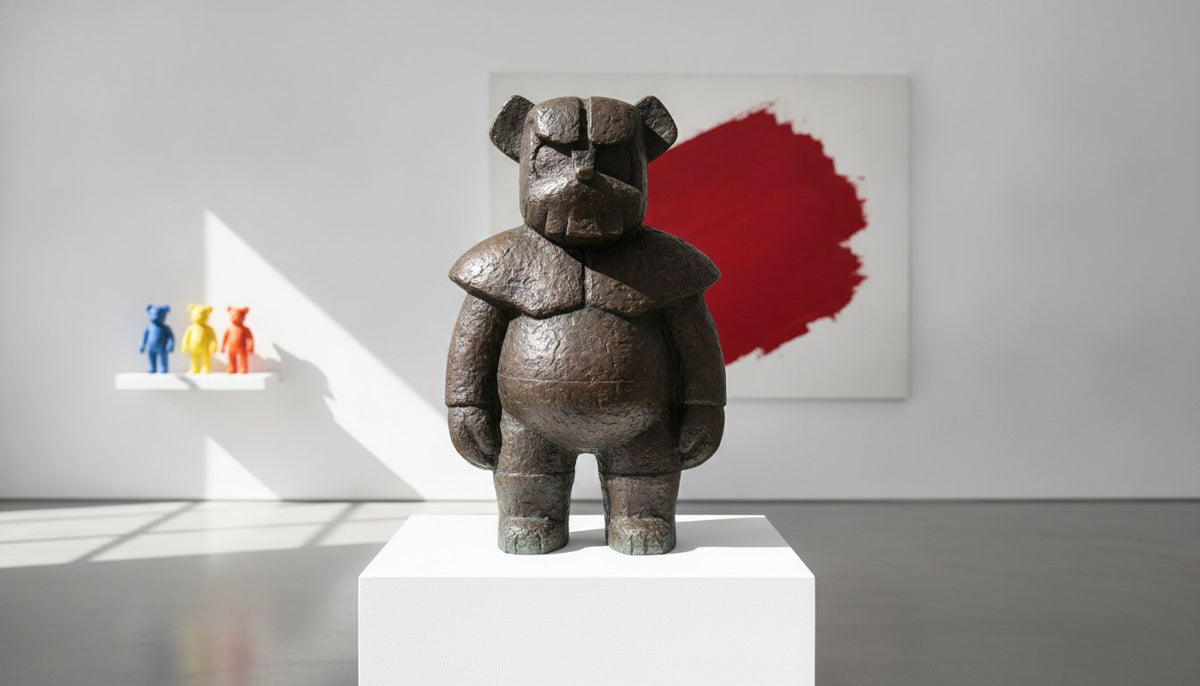
Pop Art Character Collectibles: The Specification of Original Form
Not everyone understands the necessity of physical weight in a digital age. That is rather the point. Most collectors settle for mass-produced, licensed vinyl figures where the narrative ends at th...
Read more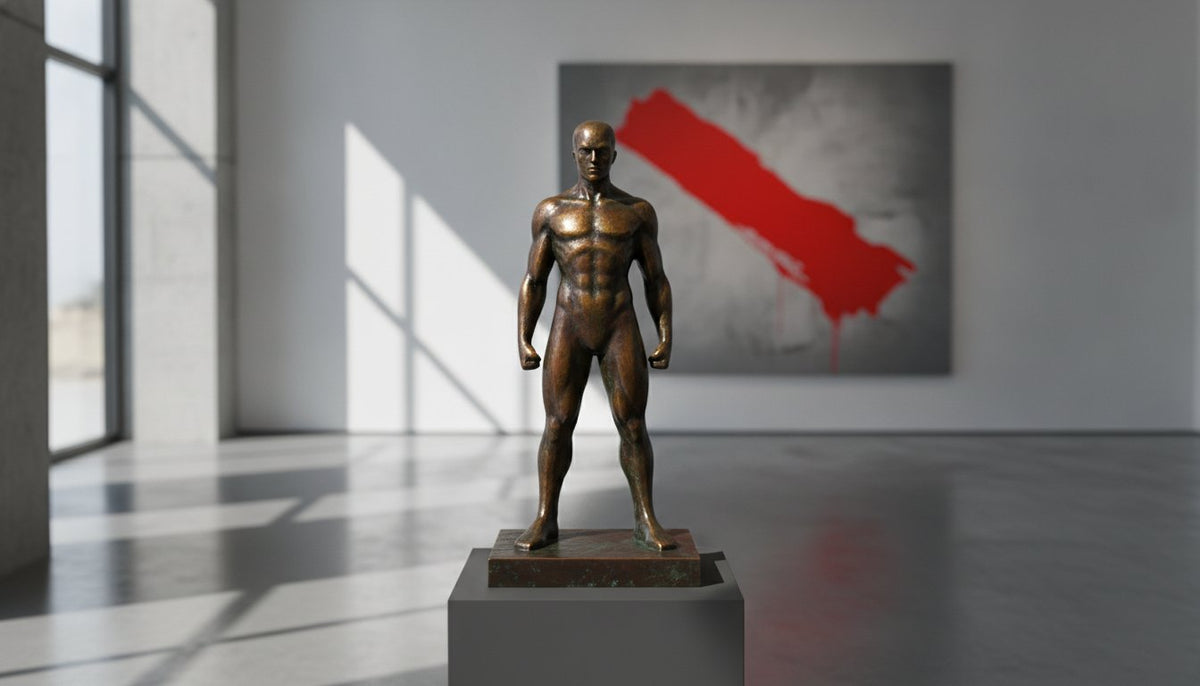
Investing in Bronze Sculptures: The Specification of Physical Permanence
Not everyone understands Mylo. That’s rather the point.You've likely noticed the lack of physical presence in modern art and the exhaustion that follows digital volatility. Investing in bronze scul...
Read more
Leave a comment
This site is protected by hCaptcha and the hCaptcha Privacy Policy and Terms of Service apply.