
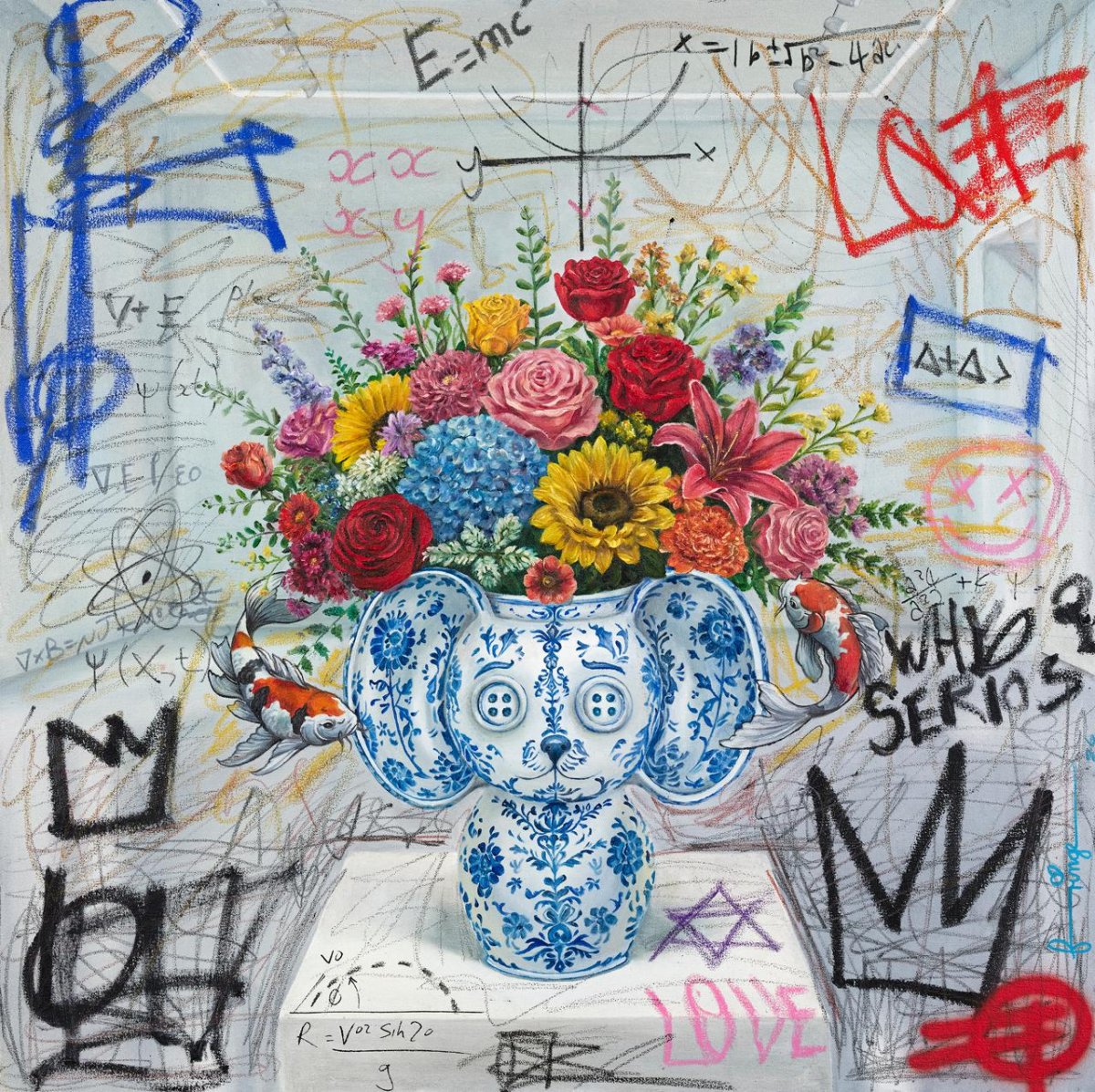
The Rarity of the Multiple: A Guide to Original Character Art Prints
Not everyone understands why a piece of paper carries the weight of a life. That is usually by design. Most collectors start with the fear of buying a mass-produced poster disguised as fine art. It is a valid concern in a market flooded with reproductions that lack a soul. When you seek original character art prints, you aren't just looking for a decoration for a wall. You are looking for a physical anchor to a narrative that feels as real as your own.
This guide clarifies the distinction between a commercial copy and a technical multiple. We will examine the intersection of narrative depth and technical precision that defines a truly collectable art print. You will learn the specific value of limited editions and the archival standards that preserve the artist's vision. By understanding the provenance and process behind characters like Mylo or Nova, you can move past the confusion of terminology and build a collection with confidence. A print is not a copy; it is a shared chapter of a larger narrative.
Key Takeaways
- Distinguish between commercial posters and fine art multiples through the presence of artist oversight and technical precision.
- Evaluate the narrative weight of original character art prints to understand how characters like Mylo or Nova function as emotional anchors.
- Identify the markers of rarity, including the numbering of editions and the verification provided by an artist’s signature.
- Recognize the material distinction of hybrids on paper and their role in bridging the gap between prints and original oils.
- Learn to curate a collection that reflects internal philosophical states rather than simple decorative intent.
The Philosophy of the Multiple: Why Character Art Prints Matter
A mass-produced poster is a copy of a pre-existing object. A fine art multiple is the object itself. This distinction is the foundation of collecting original character art prints. The value resides in the intent of the creator. An original multiple is a work where the artist intended the medium to be the final expression. If the work was conceived as a print, it cannot be a reproduction.
The process of printmaking at an artist-owned studio ensures direct oversight of every edition. This involves selecting specific paper weights and ink types to match the narrative weight of the subject. The global art market is shifting toward these high-quality, lower-priced works, with auction sales for pieces under $5,000 growing by 7% in 2024. This growth is driven by a preference for physical artifacts that carry a human pulse. We don't live with paper; we live with the stories the paper holds.
Beyond Reproduction: The Artist’s Intent
The transition from a digital or physical sketch to a finished print is a unique creative process. The character serves as a vessel for universal emotional experiences. In this context, the print is not a secondary version of a painting. It is a deliberate choice to use the medium's specific properties to convey a multifaceted personality. The focus remains on the soul of the work rather than the volume of production. The artist treats the paper as the final destination for the narrative.
The Narrative Weight of Mylo and Nova
The Mylo collection explores the quiet, internal reflections of a silent observer. He carries the weight of unspoken things. In contrast, the characters in the Nova collection represent the intersection of struggle and connection. These original character art prints are designed to evoke empathy through technical precision. They bridge the gap between the avant-garde and the everyday. The narrative is the primary material. A collector does not just buy a image; they acquire a shared philosophical journey.
The Anatomy of a Collector’s Edition: What to Look For
Value in the print market is dictated by scarcity and the physical presence of the artist. A digital file lacks a body. In contrast, original character art prints exist as physical multiples that carry the history of their creation. The primary markers of a collector's edition are technical facts rather than subjective impressions. Rarity is a mathematical certainty, not a marketing claim.
Technical Markers of Value
Numbered editions maintain rarity by strictly limiting the number of impressions taken from a single plate or file. Once the edition is closed, no further prints are produced. This creates a paradox of permanence; the work is reproducible, yet its existence is finite. Smaller runs of 25 or 50 pieces often command higher interest than open editions because the provenance is easier to track. For those establishing a collection, a collector's guide to prints provides the necessary framework for understanding these market tiers. The presence of an edition number, such as 3/50, is a statement of fact regarding the work's place in the world. You can find more specific details in the signed limited edition prints documentation for 2026.
The artist's signature serves as a final validation. It is a vulnerable mark that grounds the sophisticated technical process in human warmth. A hand-signed print possesses a soul that a digital-only file cannot replicate. The signature is the physical proof of the artist's oversight. The ink sits on the surface of the paper, creating a unique bond between the creator and the object.
To maintain the longevity of this bond and ensure the artwork is displayed to its full potential, check out First4Frames Gallery for specialist fine art prints and bespoke picture framing.
Hybrids and Mixed Media on Paper
The boundary between a print and a painting is often bridged by hybrids on paper. These works utilize a print base but incorporate hand-applied oil or mixed media. This process ensures that no two pieces in the edition are identical. The use of archival papers with heavy textures adds narrative weight to characters like Mylo. These materials are chosen for their ability to hold pigment over decades without degradation. The physical nature of the work is a settled matter. Those who understand the value of these materials often start their search at Fringe.

Curating Your Story: Living with Character Art
Not everyone understands how to live with art. Most people buy to decorate; a collector buys to document. Living with original character art prints requires a transition from the act of acquisition to the discipline of curating a narrative. An artist-owned studio provides the direct oversight needed for this level of intimacy. There is no corporate filter between the creator’s vision and the paper. Original character art prints are not just objects; they are anchors.
The Collector’s Aesthetic Voice
Displaying art should foster a shared philosophical resonance within a home. It is about finding a reflection of your own connection and struggle. A character like Mylo functions as a silent witness to the complexities of the heart. The placement of a piece determines how its narrative weight interacts with the physical space. For practical guidance on arrangement, see the guide on how to display contemporary art.
Building an Enduring Portfolio
Character art prints represent an investment in ideas rather than fleeting trends. The legal framework of originality is documented by the U.S. Copyright Office, which protects the specific visual expressions of these narratives. Authentic collecting often involves the decision to buy art directly from the artist. This ensures the provenance remains unbroken. A collection built on these principles does not depreciate in emotional significance. It is a steady, reflective record of a life. A collection is not a gallery; it is a mirror of the collector’s internal state. The value of the work is a settled matter.
The Future of the Narrative Multiple
The distinction between a commercial copy and a technical multiple is a matter of intent. Original character art prints exist as physical anchors for internal reflection. Every piece is part of a strictly limited numbered edition. These numbers represent a mathematical certainty of rarity. Direct-from-studio shipping ensures the provenance and authenticity of the object. Characters like Mylo and Nova are currently featured in prestigious global collections. These works bridge the gap between the avant-garde and the everyday. They're physical artifacts that carry the history of their creation.
A collection is not a static display; it's a mirror of the collector’s internal state. It's a record of connection and struggle. The paper holds the weight of the story. You can Explore the Limited Edition Print Collections at Fringe to find the narrative that resonates with your own. The transition from observer to collector is a natural progression of understanding. The work is ready when you are.
Frequently Asked Questions
What is the difference between an original painting and a limited edition print?
An original painting is a singular physical object, typically oil on canvas, while a limited edition print is a technical multiple produced in a fixed quantity. In the context of original character art prints, the print is often the intended final form of the work rather than a copy of another medium. Both formats function as primary expressions of the artist's vision and carry distinct narrative weight within a collection.
How can I verify the authenticity of a character art print?
Authenticity for original character art prints is verified through a combination of the artist’s hand-signature, the unique edition number, and the provenance of the studio. Every print from an artist-owned studio undergoes direct oversight to ensure technical precision. A numbered mark, such as 12/50, confirms the piece's location within a finite run. Direct shipping from the studio provides a clear chain of custody that validates the work’s origin.
Do limited edition prints increase in value over time?
The market value of limited edition prints is driven by technical scarcity and the character's presence in prestigious global collections. Once an edition of 25 or 50 is exhausted, the work enters the secondary market where demand often exceeds availability. Auction sales for works under $5,000 grew by 7% in 2024, reflecting a sustained interest in the middle-market tier. Financial value is a secondary consideration to the enduring nature of the narrative ideas.
What does "hybrid on paper" mean in the context of Fringe’s work?
A hybrid on paper is a work that occupies the space between a print and an original painting. It starts with a base layer on archival paper and is completed with hand-applied oil or mixed media by the artist. This technique ensures that no two pieces in a numbered edition are identical. The result is a physical object with heavy textures that emphasize the narrative weight of characters like Mylo or Nova.

Article by
Fringe

Read more
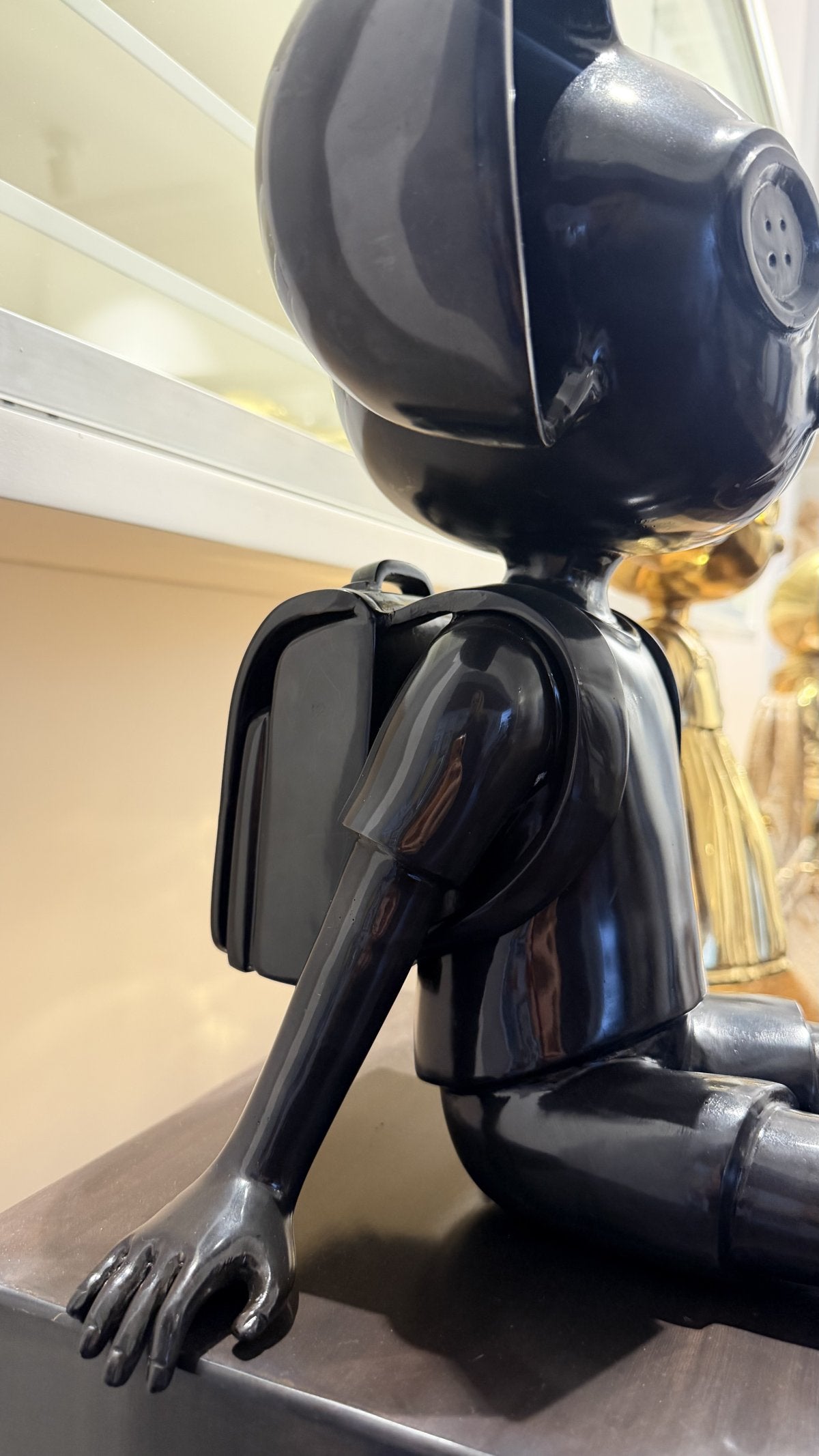
The Metal that Breathes: A Collector’s Guide to Handmade Bronze Art
The objects we place on our mantels often say more about our search for convenience than our search for meaning. In an era of sterile, mass-produced plastic and digital ephemera, the physical weigh...
Read more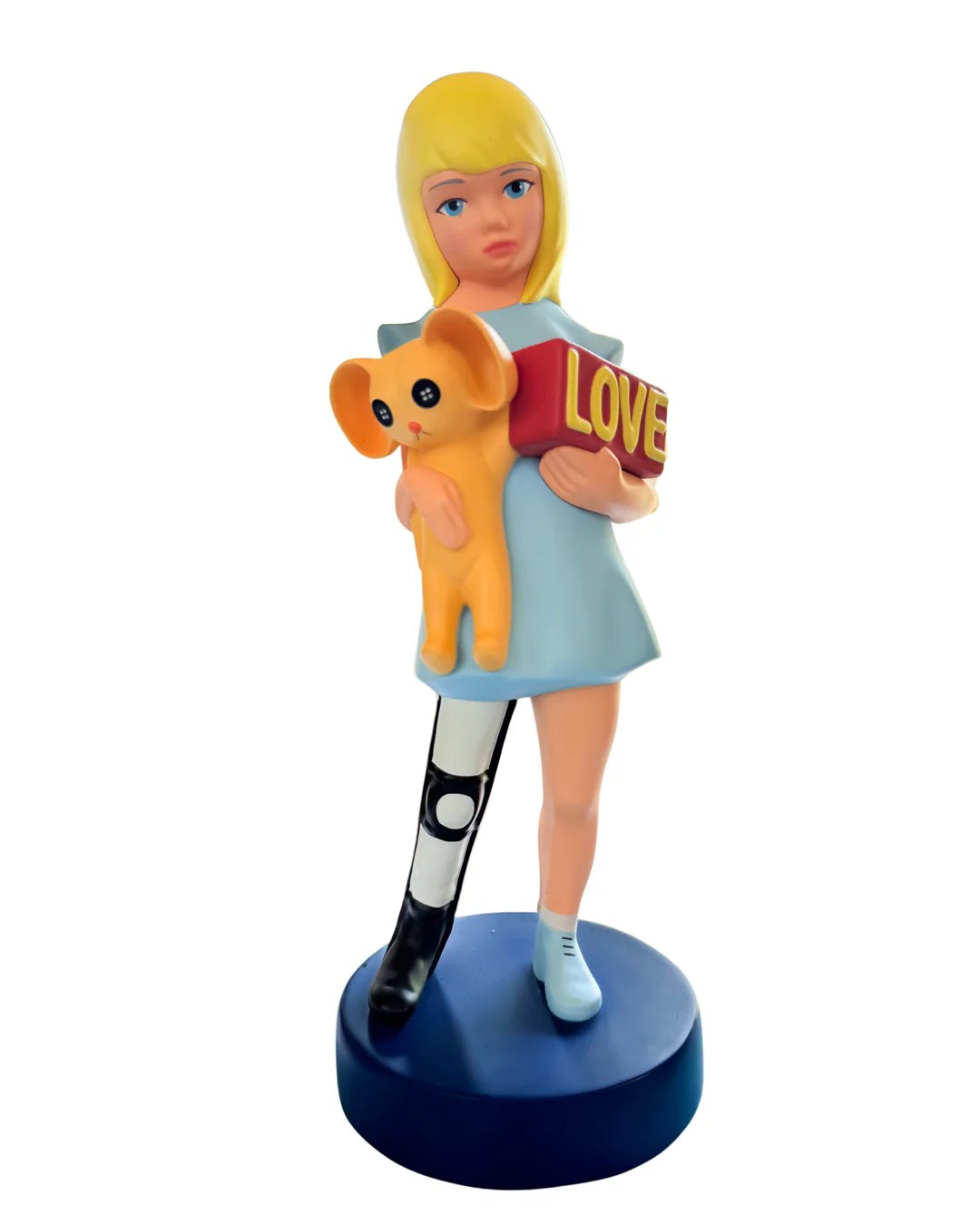
Vinyl Art Toys: A Comparison of Medium and Intent
Not everyone understands why a piece of molded PVC commands the same reverence as a bronze casting. That’s rather the point. Most collectors recognize the fatigue of a market saturated with low-qua...
Read more
Leave a comment
This site is protected by hCaptcha and the hCaptcha Privacy Policy and Terms of Service apply.