
Ways to Reduce Art Damage Risk During Storage and Handling
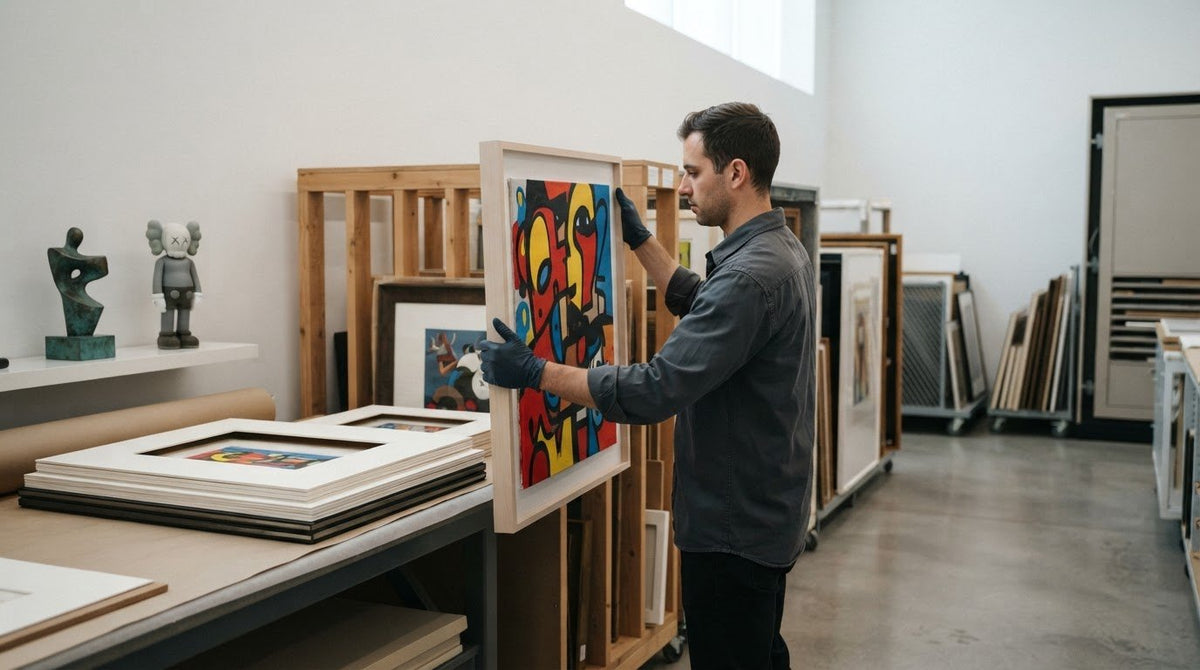
Protecting your art collection from damage starts with controlling its surroundings and handling each work with care. Light, moisture, temperature changes, dust, knocks and poor storage can all take a quiet toll. When moving a framed painting, hold both sides of the frame, not the hanging wire, and keep your hands clean and dry.
It’s easy to focus on dramatic accidents, yet small moments of contact and everyday environmental changes can matter just as much. This guide explains how common hazards affect artworks and what practical steps can help reduce the risk. You’ll find advice on safer handling, better storage and the role conservation matboard can play in separating and supporting works on paper.
Key Takeaways
- Keep artworks in stable, moderate conditions, away from damp rooms, direct sunlight and sudden temperature changes.
- Use conservation matboard to separate works on paper and reduce contact that can lead to scuffs or transfer.
- When moving a framed painting, hold both sides of the frame and keep your hands clean and dry.
- Choose storage and display arrangements that limit knocks, pressure and unnecessary handling.
1. 10 Ways Art Collections Get Damaged: Is Yours Protected?
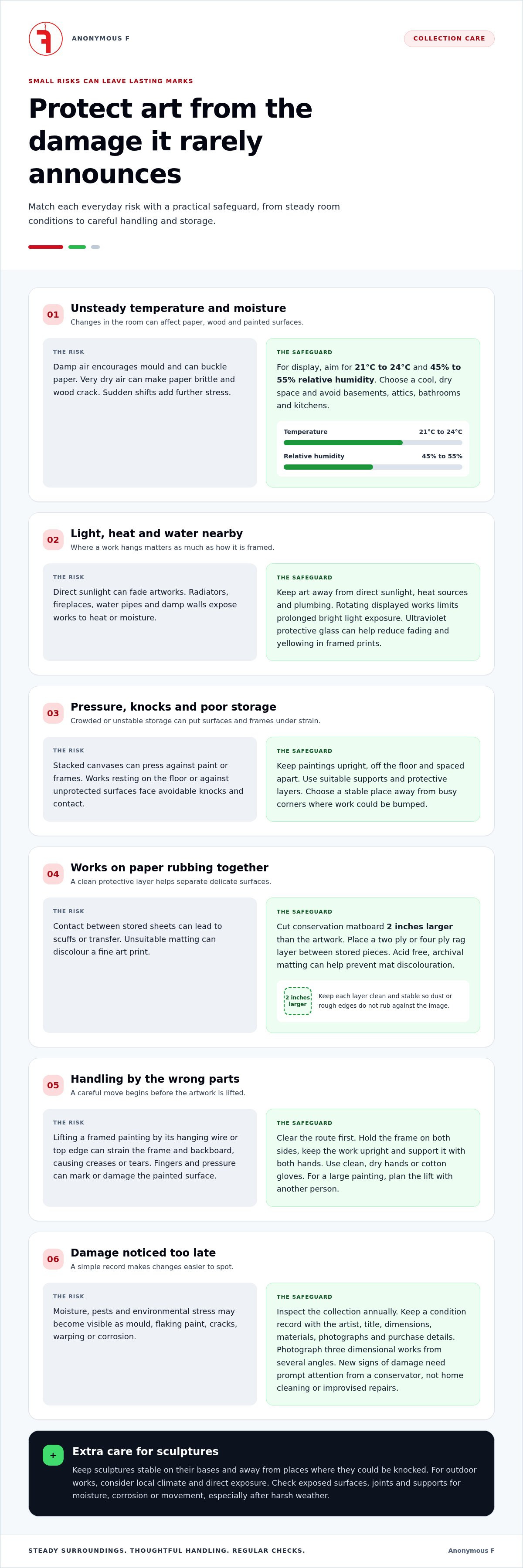
Temperature swings and excess moisture can quietly alter artwork before damage becomes visible. For display, aim for 21°C to 24°C and relative humidity between 45% and 55%. Damp air encourages mould and can buckle paper, while very dry air makes paper brittle and wood crack. Avoid basements, attics, bathrooms and kitchens, where conditions can fluctuate. A practical first step in protecting your art collection from damage is choosing a cool, dry, dark space away from direct sunlight, radiators, fireplaces and water pipes.
Stable materials matter in storage, too. Use suitable supports and protective layers rather than letting a framed work rest against an unprotected surface. Keep paintings upright, off the floor and spaced apart. Avoid stacking canvases, which can press against paint or frames. For works on paper, conservation matboard helps separate sheets and reduce rubbing. Choose a storage facility with sound building conditions, climate controls, fire and security procedures, experienced staff and an inventory system. Assess nearby hazards, such as a paint factory, as well.
To limit risks from leaks, fire, pests and mould, elevate art, inspect for moisture, manage pests and monitor conditions. Store works away from plumbing and damp walls, and keep a photographic record. Professional art storage costs vary with space, duration, climate control and access. Conservation costs depend on the work’s condition and the treatment it needs.
Homeowners insurance terms vary, so compare limits and exclusions with your collection’s value. Fine art insurance may cover theft, fire, water damage and transit, but may exclude gradual deterioration, such as fading from light. Separate cover may be appropriate if an existing policy does not adequately address those risks.
2. Separating stored artworks with conservation matboard
For works on paper, conservation matboard creates a protective boundary between delicate surfaces. Cut it 2 inches larger than the artwork, then place a two ply or four ply rag layer between stored pieces. Acid free, archival matting can also help prevent a mat from discolouring a fine art print. Keep each layer clean and stable, so dust or rough edges don’t rub against the image during storage.
For gallery hanging, choose hardware suited to the artwork’s weight and the wall type. Securely mounted pieces are less likely to shift when a door closes or someone brushes past. UV-protective glass can help reduce fading and yellowing in framed prints. Rotating displayed works limits prolonged exposure to bright light. Leave enough space between the artwork and glazing to prevent contact.
Unusual media and outdoor sculptures need care suited to their materials. Check exposed surfaces, joints and supports for moisture, corrosion or movement, especially after harsh weather. Keep sculptures stable on their bases and away from places where they could be knocked. For outdoor works, account for local climate and direct exposure in your preservation plan.
Create a condition record with the artist, title, dimensions, materials, photographs and purchase details. Photograph three-dimensional works from several angles, and keep valuation documents with the inventory. Inspect the collection annually for pests or environmental stress. New mould, flaking paint, cracks, warping or corrosion call for prompt attention from a conservator, not home cleaning or improvised repairs.
3. Handling paintings safely
Before moving a painting, clear the route, open doors fully and remove obstacles. Hold a framed work by both sides, never by its top edge or hanging wire. Uneven pressure can strain the frame and backboard, causing creases or tears. Keep the painting upright, support it with both hands and steer it away from busy areas where someone could bump into it.
Clean, dry hands or cotton gloves help prevent sweat and natural oils from marking fine art. For a large painting, plan the lift with another person before touching it. Keep fingers away from the painted surface, and don’t press on the canvas. If the work needs to rest briefly, use a clean, stable support that won’t scrape its frame.
Cleaning depends on the material. Dusting should be approached cautiously, and a soft brush may be suitable for some paintings. For framed prints, wipe only the glass or acrylic with a soft, non-scratching cloth. Keep household cleaners and solvents away from paintings without protective glazing. Sculptures and works on paper need different care, so don’t apply a damp cloth or cleaning product directly to them.
During display, position paintings away from direct sunlight and busy corners. Check that hanging hardware suits the artwork’s weight and the wall. These small steps safeguard a work during ordinary handling, not just a dramatic move. Explore artworks at Anonymous F with careful handling in mind.
Fringe: Collectable Toys
Fringe creates collectable toys alongside bronze sculptures, oil on canvas and limited edition prints. Once you’ve refined how you store, display and handle art, you may be ready to make room for a new piece. Fringe’s collectable toys bring sculptural artworks into a different scale, while still calling for thoughtful placement, stable support and care around busy spaces.
Choose a spot where a piece can be appreciated without being placed in a high-traffic area or near sources of heat and moisture. This simple planning connects collection care with the pleasure of living alongside art. Explore Fringe’s work through Anonymous F and consider which form feels right for your collection.
Visit Anonymous F to explore Fringe’s art.
Make care part of collecting
A collection thrives on the attention it receives, not only when it’s acquired but through the choices that shape its place at home. Protecting your art collection from damage is an ongoing practice. Thoughtful care can go hand in hand with the pleasure of discovering work that speaks to you.
For collectors drawn to Fringe’s imaginative visual world, a new work can become part of that story. Fringe’s collectable toys, bronze sculptures and oil on canvas offer different ways to live with art, each deserving a considered place in your surroundings.
Take the next step at your own pace. Explore Fringe’s work on Anonymous F, or get in touch to discuss your interest in his art. A collection grows one meaningful choice at a time.
Frequently Asked Questions
10 Ways Art Collections Get Damaged: Is Yours Protected?
Common routes to damage include physical impact, theft or vandalism, fire, water, pests, pollutants, light, incorrect temperature, unsuitable humidity and custodial neglect. Walk through your home or storage area and identify a specific risk at each point. A loose display fitting, dusty vent or missing artwork record can signal problems that routine attention may catch early.
Art Conservation Tips: Is Your Collection Safe From These 7 Hazards?
Common hazards include sunlight, humidity, temperature fluctuations, dust and pollution, knocks and scratches, framing mistakes, and improper storage. Check one artwork at a time for fading, dust deposits, loose fittings or pressure marks. A condition photograph can help you notice changes later, while a clear route around displayed works reduces accidental contact.
What Are the 10 Main Threats to an Art Collection?
Major threats include impact, theft or vandalism, fire, water, pests, pollutants, light exposure, temperature extremes, humidity extremes and neglect. They affect different materials in different ways. Damp conditions can encourage mould, while dry air can make paper and wood brittle. Include less visible risks, such as missing inventory records, in your collection care plan.
How should artwork be stored to prevent damage from light, humidity, and temperature changes?
Choose a dark, dry space with steady conditions, and keep artwork away from windows, pipes and damp-feeling exterior walls. Store framed paintings upright, separated rather than stacked, and raised above the floor. Keep unframed works flat between protective layers instead of rolling them in a tube. Avoid plastic wrapping, which can trap condensation against the artwork.
What temperature and relative humidity are best for preserving paintings and other art?
For displaying art, aim for 21°C to 24°C and relative humidity between 45% and 55%. Consistency matters alongside the target: repeated swings can stress materials, while excess moisture encourages mould and very dry air can make organic materials brittle. Keep a simple environment log near the collection to identify recurring changes, such as damp spells or heating cycles.

Article by
Fringe

Read more
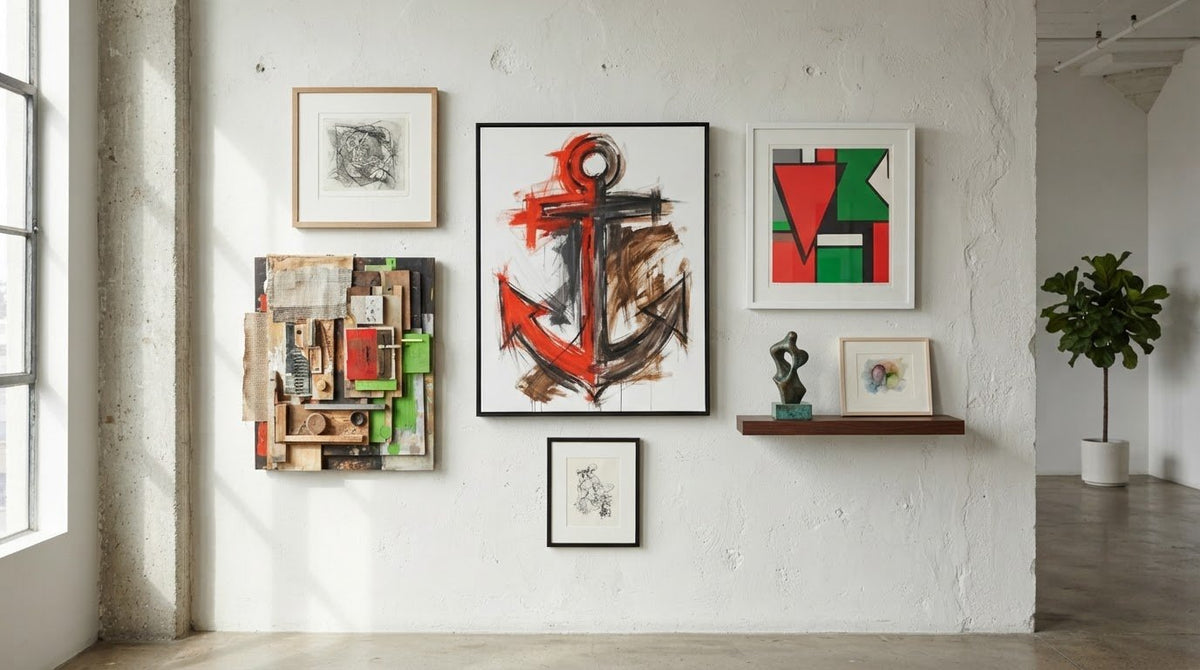
Creating a Gallery Wall with Mixed Media Art
Different materials do not make a gallery wall incoherent. Unplanned relationships do. Creating a gallery wall with mixed media art means deciding how scale, spacing, surface, and image relate befo...
Read more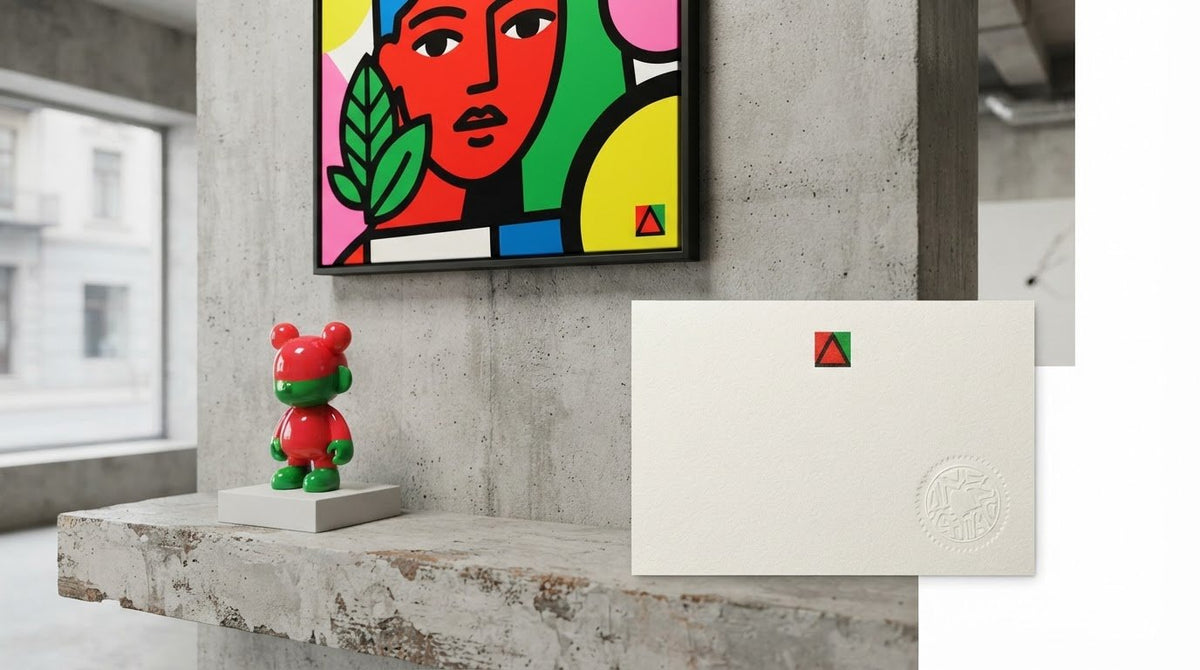
Certificate of Authenticity for Artwork: Why It Matters
A certificate doesn’t make an artwork genuine; it records the work’s identity and can travel with it. A certificate of authenticity for artwork names the artist and work, notes details such as the ...
Read more
Leave a comment
This site is protected by hCaptcha and the hCaptcha Privacy Policy and Terms of Service apply.