
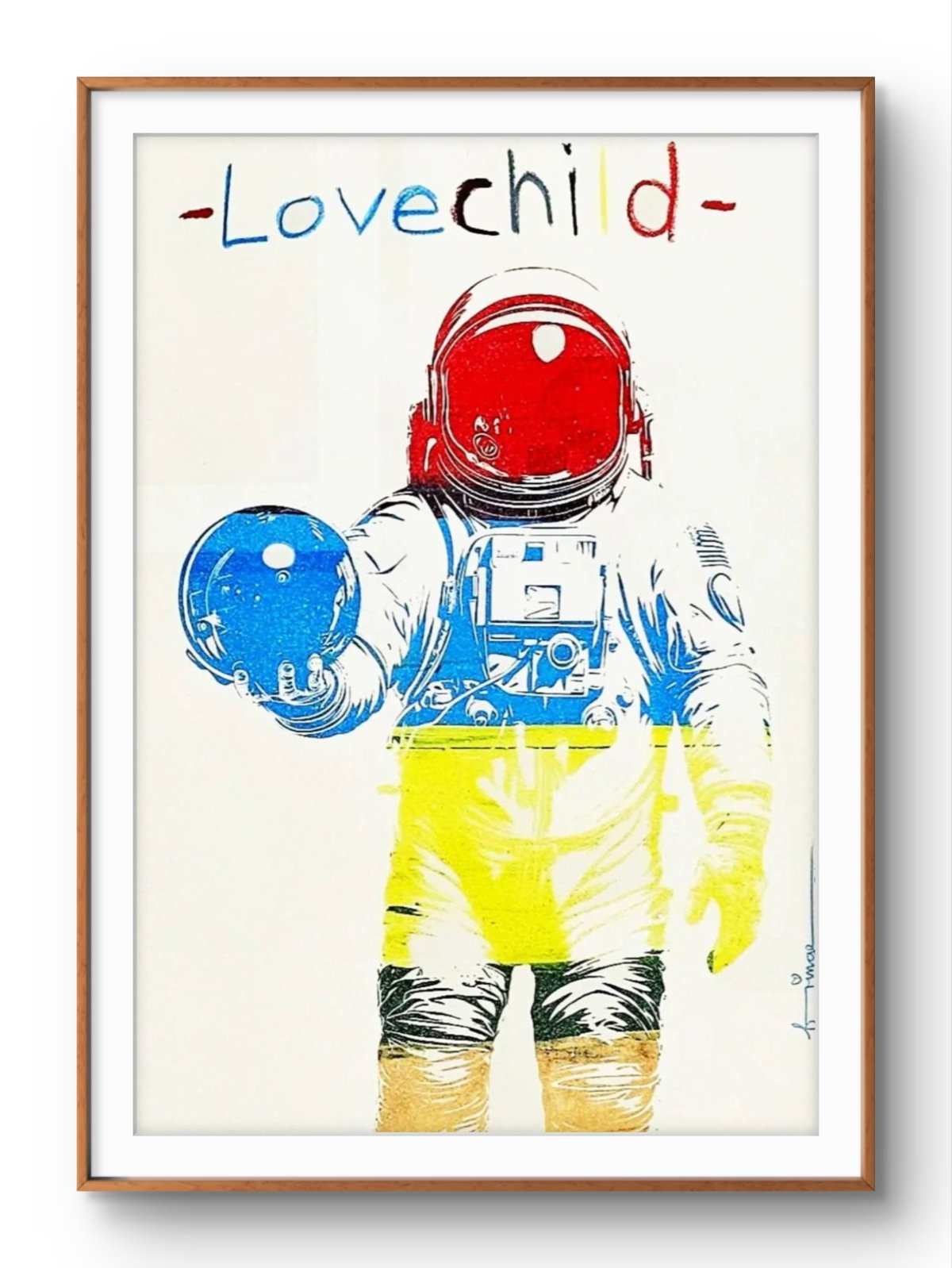
The Weight of the Ephemeral: The Role of Paper in Contemporary Pop Art (2026)
We often mistake physical weight for artistic worth, assuming that the heavier the canvas, the more profound the story. Yet, the most resonant voices in today's galleries are often found on the most delicate surfaces. As we look at the role of paper in contemporary pop art in 2026, it's clear that this medium has transcended its history as a mere draft space. It's no longer just a substrate for rehearsals; it has become a finished destination where the texture of the sheet carries as much narrative weight as the ink itself.
You might feel a lingering hesitation when considering a work on paper. It's natural to worry that you're acquiring a simple reproduction or to feel lost in the complex terminology of mixed media. We understand that uncertainty. This article will show you how paper has evolved into a medium of immense narrative depth and substantial collectible value. We'll examine the unique soul of paper-based hybrids and learn how to identify high-quality pieces that possess both emotional resonance and lasting physical integrity. Paper isn't just a surface. It's a witness to the artist's touch.
Key Takeaways
- Understand the role of paper in contemporary pop art as a deliberate choice for intimacy, moving away from industrial reproduction toward tactile vulnerability.
- Explore the technical alchemy of combining oil, ink, and graphite to create narrative depth that canvas cannot always capture.
- Master a professional framework for distinguishing a standard limited edition print from a sophisticated hybrid on paper.
- Learn how paper-based hybrids bridge the creative gap between traditional oil on canvas and the tangible presence of bronze sculptures.
Beyond the Poster: Why Paper is the Soul of Contemporary Pop Art
Paper is often dismissed as the prologue to a greater work, a mere staging ground for ideas that eventually find their "permanent" home on canvas or in bronze. This is a fundamental misunderstanding of the medium's inherent power. In the current era, the role of paper in contemporary pop art has shifted from a utilitarian substrate to a deliberate choice for intimacy. While canvas stands as a rigid barrier between the viewer and the artist, paper offers a vulnerability that invites us closer. It breathes, it reacts to the atmosphere, and it carries the weight of a story in a way that feels deeply, undeniably human.
To understand this shift, we must look back at the origins of the Pop Art movement. In the 1960s, artists embraced industrial repetition and the cold, mechanical nature of screen printing to mirror a consumerist society. It was about the many, not the one. However, by 2026, the pendulum has swung back toward the singular. Collectors no longer crave the infinite reproduction; they seek the "narrative weight" of a physical object that has been touched, layered, and manipulated by a human hand. Paper captures this soul through its organic nature, recording every hesitation of the brush and every pressure of the pencil with startling clarity.
The Paradox of the Ephemeral
There is a beautiful tension in owning something that feels temporary yet holds a timeless truth. Many collectors are moving away from the cold perfection of digital NFTs, choosing instead physical art pieces that possess a visible pulse. They recognize that paper is a medium that records the artist’s touch more intimately than any other. In a world that feels increasingly synthetic, the slight curl of a heavy cotton sheet or the way it holds a deep ink wash becomes a grounding force. It's a reminder that beauty doesn't have to be indestructible to be valuable.
From Mass Production to Singular Expression
The evolution from the standard screen print to complex mixed media art on paper represents a maturing of the genre. We've moved past the idea of pop artwork as a mere commodity. It's now a shared philosophical journey between the creator and the observer. By layering ink, oil, and graphite, artists use paper to facilitate a "layering of thought" that canvas often resists. This complexity transforms the work from a flat image into a three dimensional narrative. If you're interested in how this journey began, exploring the reflections of Fringe the artist provides a window into this transition from the commercial to the deeply personal.
Ultimately, paper is the bridge between the fleeting moment and the enduring legacy. It doesn't shout for attention with the bravado of a large canvas; instead, it whispers, demanding a quiet, focused connection that defines the modern collecting experience.
The Alchemy of Mixed Media: How Paper Transforms Narrative Depth
There is a quiet alchemy that occurs when oil, ink, and graphite meet the fibers of a heavy paper sheet. Unlike canvas, which often demands a certain level of performance, paper invites a technical sophistication that is both rigorous and deeply personal. It's here that the role of paper in contemporary pop art becomes most visible, acting as a laboratory where different artistic traditions collide. In this space, the precision of a graphite line might cut through the visceral weight of oil paint, creating a dialogue between the structured and the chaotic. This isn't just about mixing materials; it's about building a language that speaks to our complex, multifaceted nature.
The result is a texture that defines the narrative pop art style. When you look closely at these works, you don't just see an image; you see the evidence of a struggle. You see where the paper resisted the ink and where it drank the oil. This interplay creates a sense of curiosity and quiet observation, drawing the viewer into a world that feels lived-in and honest. It's a physical record of thought, a map of the artist’s intentions that rewards those who take the time to look deeper.
Layering the Human Experience
Building a hybrid piece is a methodical process of construction. The paper serves as a structural element, its grain providing a foundation for the "duality" of human emotion. While ink might represent our fleeting, sharp observations, oil paint brings a heavy, enduring presence. By balancing these mediums, artists create a work that feels as contradictory and beautiful as we are. You can see this philosophy in action through Fringe’s approach to narrative pop art, where each layer serves to deepen the connection between the subject and the observer.
The Tactile Advantage of Paper Hybrids
In a world saturated with digital imagery that lacks a physical pulse, the "soul" of a character is often best captured on paper. This medium allows for a vulnerability that is essential before a concept is ever translated into more permanent forms like bronze sculptures. The narrative weight of these pieces comes from the marriage of traditional oil techniques with modern paper hybrids. It's a physical art piece you can feel with your eyes. If you find yourself drawn to this intersection of tradition and modernism, you might discover a piece that resonates with your own story among our latest offerings.
The marriage of these materials ensures that the final work is never static. It remains an active conversation, a piece of the ephemeral made tangible through the weight of the medium itself.

The Collector’s Framework: Evaluating Mixed Media Art on Paper
Collecting is an act of curation, not just acquisition. In the current market, the role of paper in contemporary pop art has become a litmus test for the discerning eye. It's no longer enough to simply recognize a name or a familiar aesthetic. A sophisticated collector looks for substance, seeking to understand the difference between a standard reproduction and a true hybrid on paper. While a print is a beautiful echo of an idea, a hybrid is the idea itself, captured in a singular moment of creation. It's an original dialogue where the artist’s hand is visible in every layer of oil and ink.
This distinction is vital for those building a legacy. When you evaluate a piece, you aren't just looking at a surface; you're looking for "narrative weight." This is the sense that the work contains a history, a struggle, and a deliberate intention. It's the difference between art that fills a space and art that commands it. Even within the realm of limited edition prints, there is a hierarchy of value determined by the artist's involvement and the technical execution of the edition.
Technical Quality and Longevity
Quality is not an accident. It is a choice. When evaluating high end pop art, the physical foundation is your first point of inspection. You should look for heavy, acid-free archival paper that promises to hold its integrity for generations. A true hybrid will show a physical depth, where the mixed media layers create subtle ridges and textures that a flat print cannot replicate. Signed limited edition prints still hold a unique and respected place in a balanced collection, providing a bridge between the accessible and the exclusive. However, you must ensure they come with a clear provenance and meet the highest archival standards.
The Emotional Resonance of the Piece
Beyond the technical specs lies the soul of the work. Does the piece tell a story that lingers? Narrative pop art succeeds when it moves past the superficial and touches something universal. The "Philosophical Storyteller" persona of an artist adds immense value here, as it provides a framework for understanding the deeper "why" behind the image. This connection to the object is similar to the way we value other tangible treasures. You might find it helpful to explore The Soul of the Object: A Guide to Collectible Designer Toys in 2026 to see how narrative weight manifests across different mediums.
If you're ready to find a piece that speaks to your own journey, we invite you to browse our current selection of hybrids and limited editions. Choose the work that challenges your perspective as much as it delights your eye.
The best collections are built on a foundation of knowledge and intuition. By understanding the technical and emotional nuances of paper, you ensure that your investment is as enduring as the stories it tells.
Hybrids on Paper: The Future of Collectible Pop Narratives
The journey of a collector often begins with a search for beauty but ends with a search for truth. As we have explored, the role of paper in contemporary pop art is not merely about accessibility. It's about the elevation of the narrative. Hybrids on paper represent the logical conclusion of this journey, offering a sophisticated middle ground that bridges the gap between the traditional weight of oil on canvas and the three dimensional presence of bronze sculptures. These pieces don't just sit on a wall; they occupy a space in the mind, demanding a different kind of attention than their heavier counterparts.
When characters like Mylo or Nova are rendered as hybrids, they shed the armor of industrial perfection. On paper, their stories feel more immediate and their struggles more relatable. The medium allows for a transparency of process where the ink bleeds into the fiber and the oil sits on the surface, creating a visual metaphor for the layers of our own lives. It's in this delicate balance that the future of pop art resides, moving away from the loud and the mass-produced toward the quiet and the deeply personal.
Bridging the Avant-Garde and the Everyday
Hybrids have a unique ability to translate abstract, avant-garde concepts into stories that feel at home in our daily lives. They provide a "sophisticated yet conversational" atmosphere, acting as a bridge between the elite world of high art and the grounded reality of a lived-in home. These works don't lecture; they invite dialogue. If you're looking to see how these different mediums interact to create a cohesive story, you can explore Fringe’s collection of Oil on Canvas and Paper Hybrids to witness this evolution firsthand.
Starting Your Narrative Collection
Beginning a collection is a vulnerable act. It requires you to look for unique art for collectors that speaks to your own sense of connection and struggle. Don't be swayed by passing trends or the cold metrics of the market. Instead, look for the pieces that feel like they possess a pulse. Art is not a transaction; it's a shared philosophical journey between you and the creator. It's an investment in a perspective that will grow with you over time.
As you move forward, remember that the most enduring stories are often the most fragile ones. Paper remains the most human medium because it shares our vulnerability, recording every mark of our existence with a quiet, unwavering grace. It's a reminder that while the world may be ephemeral, the soul of the object is timeless.
Embracing the Soul of the Physical
The journey from the mass-produced icons of the past to the high-end contemporary art pieces of 2026 marks a necessary return to what is essential. We have explored how the role of paper in contemporary pop art has transformed. It is no longer a secondary surface but a primary witness to the artist's touch. By embracing the vulnerability of this medium, you find a depth that canvas often obscures. Whether through the technical alchemy of mixed media or the refined precision of limited edition prints for global collectors, these works provide a grounding presence in an increasingly digital world.
Your collection is more than a display; it is a reflection of your own journey and the complexities that define us. When you choose a piece that possesses a visible pulse and original characters with a human pulse, you're participating in a shared philosophical journey. We invite you to Discover the soulful narrative of Fringe’s Hybrids on Paper and find the story that resonates with your heart. Let your walls speak with the quiet authority of the ephemeral made permanent.
Frequently Asked Questions
What exactly is the difference between a print and a hybrid on paper?
A print is a high quality reproduction of an original work, whereas a hybrid on paper is a unique piece that incorporates original mixed media elements like oil or ink directly onto the sheet. While limited edition prints offer a shared experience for global collectors, hybrids are one of a kind. They represent a more intimate level of artistic expression because the artist’s hand is visible in every unique, tactile layer.
Is mixed media art on paper as durable as oil on canvas?
When created with archival grade materials, mixed media art on paper is exceptionally durable and designed to last for centuries. While oil on canvas is physically more robust, high quality paper used in modern studios is acid free and specifically engineered to resist yellowing or degradation. The key to longevity lies in the weight and archival status of the substrate, which is a central part of the role of paper in contemporary pop art today.
How should I display and protect my paper-based pop art?
You should protect your paper based art by using UV protective glass and acid free mounting materials during the framing process. It's essential to keep these pieces away from direct sunlight and areas with high humidity to prevent warping or fading over time. Professional framing acts as a sanctuary for the work, ensuring that the delicate fibers and rich pigments remain as vibrant as the day they were first created.
Why is paper considered a human medium in contemporary art?
Paper is considered a human medium because of its organic vulnerability and its ability to record the smallest hesitations of the artist’s hand. Unlike the cold, industrial feel of some modern materials, paper breathes and reacts to its environment just as we do. It mirrors our own ephemeral nature, which is why the role of paper in contemporary pop art is so vital for storytelling that feels intimate and grounded.
Are limited edition prints on paper a good starting point for new collectors?
Limited edition prints on paper are an excellent entry point because they offer a sophisticated balance of artistic value and accessibility. They allow new collectors to acquire works by established names while learning the nuances of provenance and edition numbering. Starting with prints builds a foundation of knowledge that often leads to more complex investments, such as original hybrids, bronze sculptures, or large scale oils.
What makes the narrative weight of paper different from bronze or vinyl?
The narrative weight of paper comes from its tactile intimacy and the way it facilitates a quiet, layered dialogue between the artist and the viewer. While bronze sculptures offer a sense of permanent authority and vinyl toys provide a playful modernism, paper captures the raw, immediate soul of a character. It offers a stillness that demands closer observation, making the story feel more like a shared philosophical journey than a standard commercial transaction.

Article by
Fringe

Read more
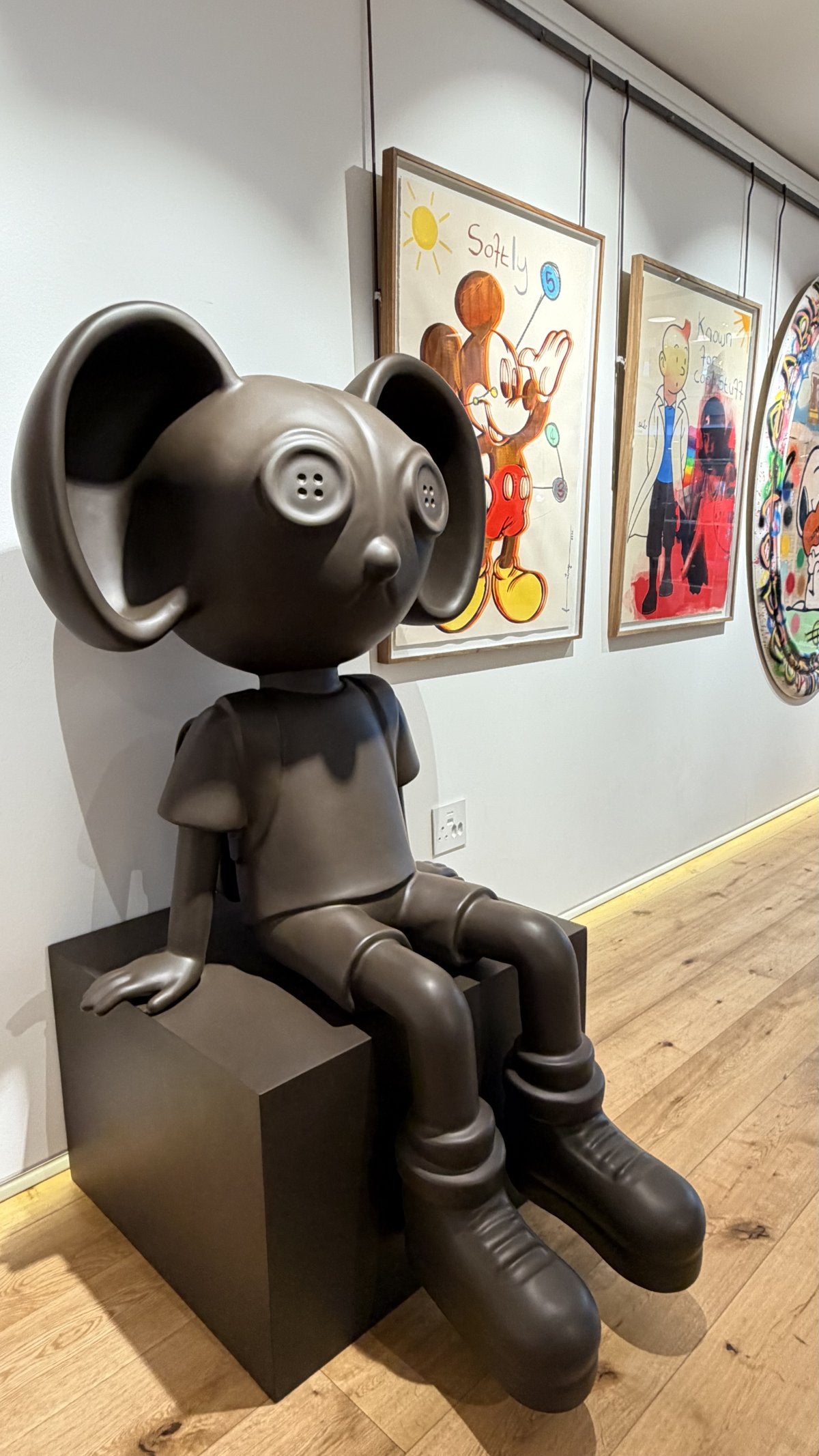
Contemporary Art Investment in 2026: The Rise of Narrative and Form
The most enduring pieces in a collection aren't usually the ones that trended on a screen last week. They're the works that carry the quiet, heavy weight of a human story. If you've felt overwhelme...
Read more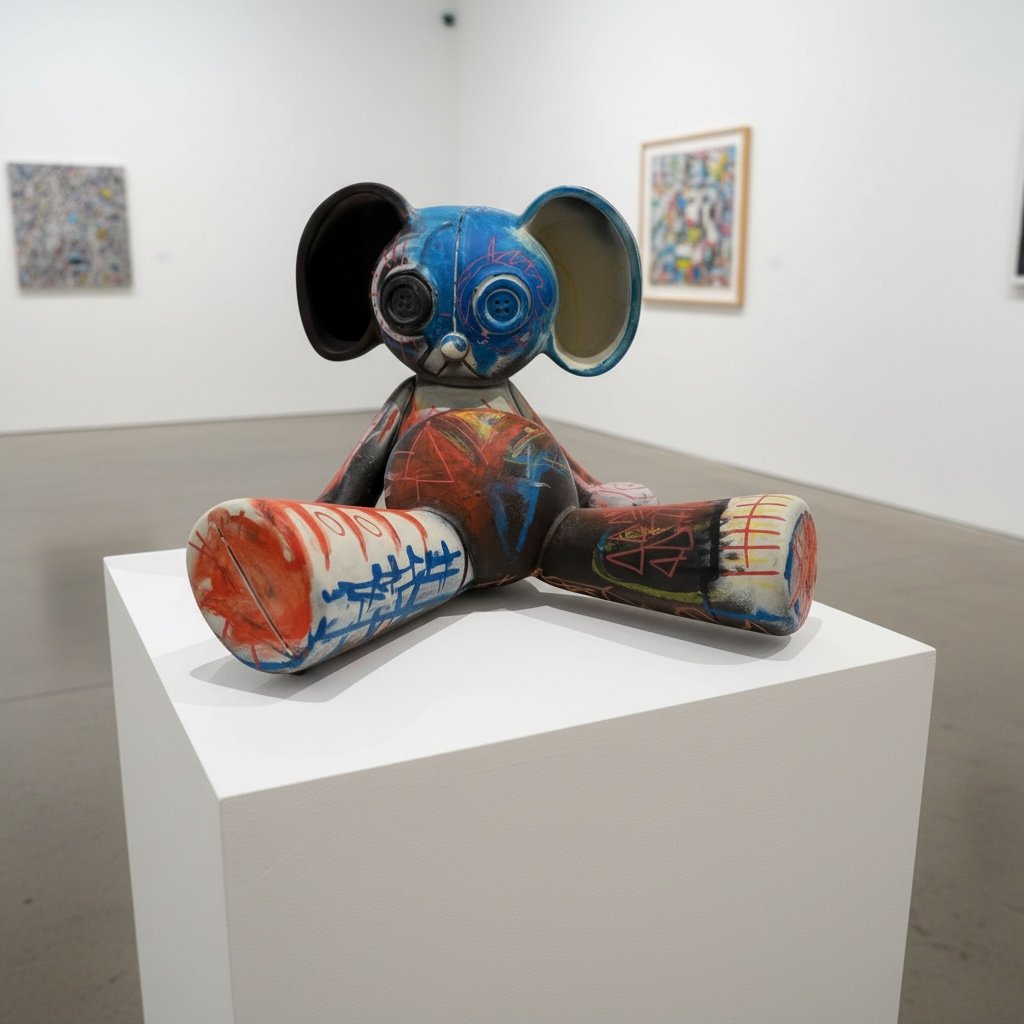
The Curated Life: How to Start Collecting Contemporary Art with Intention
What if the true value of an art collection isn't found in an auction house ledger, but in the way a single bronze sculpture mirrors your own quietest thoughts? It’s easy to feel that the art world...
Read more
Leave a comment
This site is protected by hCaptcha and the hCaptcha Privacy Policy and Terms of Service apply.