
The Curated Life: How to Start Collecting Contemporary Art with Intention
What if the true value of an art collection isn't found in an auction house ledger, but in the way a single bronze sculpture mirrors your own quietest thoughts? It’s easy to feel that the art world is a gated fortress; a place where technical jargon and inaccessible price tags keep the curious at a distance. You might worry that a piece will lose its luster or its value before the ink on the bill of sale is even dry. This fear is common, yet it shouldn’t stop you from surrounding yourself with beauty.
This guide will show you how to start collecting contemporary art with a sense of purpose that transcends mere decoration. You don't need the treasury of a small nation to build a home filled with pieces that resonate. By focusing on narrative depth, the strategic beauty of limited edition multiples, and the soul of the physical object, you'll learn to curate a space that reflects your personal journey. We will explore how to look past the noise of passing trends to find works that possess a lasting, human weight.
Key Takeaways
- Shift your perspective from simple home decoration to a deliberate search for resonance by identifying the narrative themes that move you.
- Discover how to start collecting contemporary art by utilizing limited edition prints and collectable toys as sophisticated, accessible entry points into the market.
- Learn to evaluate the physical soul of an object, focusing on the tactile vulnerability of oil on canvas and the enduring weight of bronze sculptures.
- Embrace the direct-from-artist model to ensure the story behind every piece in your collection remains authentic and personally meaningful.
The Philosophy of the First Acquisition: Defining Your Collection
The first piece of art you bring home is more than a simple acquisition. It is the opening sentence of a lifelong conversation. Many people approach the art world with a sense of trepidation, believing that how to start collecting contemporary art is a mystery reserved for the ultra-wealthy. This is a fundamental misconception. Collecting is not about the size of an invoice; it is about the weight of an idea. It is a deliberate search for resonance, a process of finding physical objects that speak to your own quietest truths.
When you choose your first piece, you are setting the cadence for your entire future collection. This piece acts as your narrative thread. It might be the raw, tactile vulnerability of an oil on canvas or the enduring, heavy presence of bronze sculptures. Whatever the medium, the choice should feel like a recognition. You are looking for a mirror. By identifying the recurring themes that move you, whether they are stories of connection, struggle, or the complexities of the heart, you begin to build a collection that feels substantial and enduring.
Moving Beyond Decoration to Curation
Buying a picture is a transaction. Starting a collection is a transformation. The difference lies entirely in intentionality. A decorator looks for something that matches the sofa; a curator looks for something that matches their soul. As you begin this journey, adopt the persona of a Philosophical Storyteller. You are gathering objects that speak to the human condition and the internal landscape. Art curation is the intentional gathering of objects that mirror a collector’s internal landscape.
Educating the Eye Through Observation
Observation is the collector's most vital tool. Visit galleries and independent studios with the curiosity of a student of human nature. Instead of looking for what is trendy, look for narrative weight. Does the piece feel like it has lived? Understanding the history of art collecting reveals that the most meaningful collections were built on personal connection rather than speculation. To deepen this connection, spend time exploring news and artist blogs to understand the "why" behind the creation. This context transforms a physical object into a shared philosophical journey, ensuring that your collection remains a true reflection of your personal narrative.
Strategic Entry Points: The Power of Multiples and Art Toys
Many believe that owning a piece of a creative legacy requires a vast fortune. It doesn't. Understanding how to start collecting contemporary art often begins with the realization that art is not always a singular, monolithic entity. Limited edition multiples offer a sophisticated entry point for the discerning collector. They allow you to own a work that carries the same DNA as a masterpiece but at a more accessible level. These aren't mere reproductions; they are intentional, numbered iterations of an artist's vision. When you look at a museum's contemporary collection, you'll notice that prints and sculptures in editions are often the very heartbeat of their acquisitions.
The value of a signed, numbered edition in contemporary pop art lies in its scarcity and its direct link to the artist’s hand. Whether it is a small-scale bronze sculpture or a hybrid work, these pieces possess a tactile allure that digital images simply cannot replicate. They offer a physical connection to a narrative, acting as a bridge between the artist’s studio and your personal sanctuary. For those ready to begin their journey, viewing the latest limited releases can provide immediate inspiration.
Why Limited Edition Prints and Hybrids Matter
There is a world of difference between a mass-produced poster and a limited edition print. A poster is a copy of a copy, often printed on inferior paper with fading inks. A limited edition print is a work of art in its own right, created with archival materials and overseen by the artist. Hybrids on Paper represent an even more compelling intersection. These works often combine traditional printing with hand-finished elements, ensuring that no two pieces in the edition are exactly alike. To ensure you're buying with confidence, always check for:
- A hand-signed signature from the artist.
- A clear edition number (e.g., 5/50).
- A certificate of authenticity or a verifiable provenance.
The Narrative Soul of Collectible Art Toys
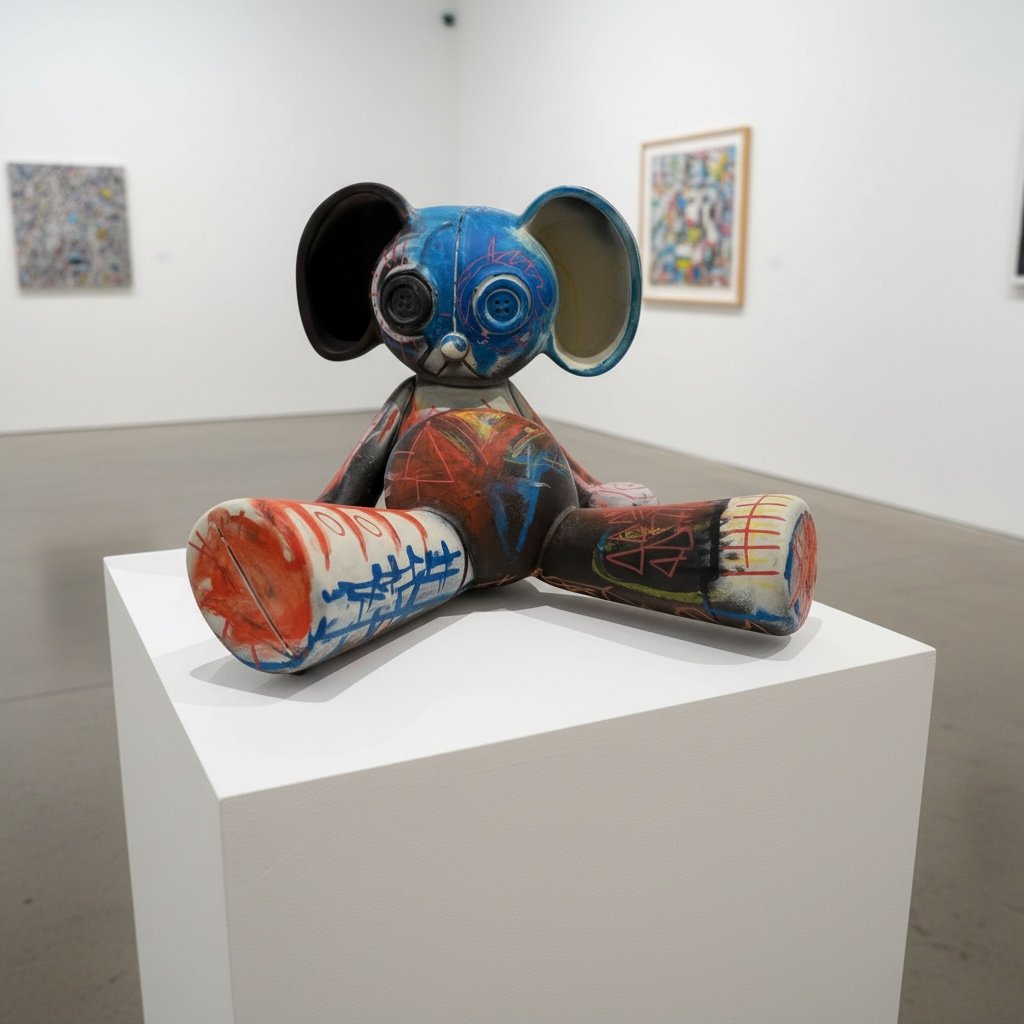
In recent years, the line between play and high-art sculpture has blurred beautifully. Character-based collectibles, such as the figures Mylo or Nova, are not mere playthings. They are character-driven sculptures with a human pulse. These collectible designer toys democratize ownership, allowing you to bring a piece of the avant-garde into your home. They resonate because they mirror the complexities of the heart. A figure might capture the weight of a secret or the lightness of a memory. By focusing on the soul of the object, you find pieces that don't just sit on a shelf. They tell a story that is uniquely yours.

Evaluating Quality: Mediums, Materials, and Authenticity
When you're learning how to start collecting contemporary art, your eyes must become as sensitive as your heart. Quality isn't merely a reflection of a price tag; it's found in the physical reality of the work itself. A piece of art is a living thing. It possesses a certain narrative weight that comes from the materials chosen and the hands that shaped them. In a world of mass production, the "handmade" carries a profound authority. It suggests a rejection of the ephemeral in favor of something substantial and enduring. Understanding the soul of these materials is what separates a casual buyer from a true collector.
Texture is the map of an artist's struggle. While pop art aesthetics often embrace the sleek and the modern, the most compelling works still retain a sense of the human touch. This duality between the avant-garde and the traditional is where the most interesting collections live. You aren't just buying an object. You're acquiring a piece of time, captured in pigment or metal. Before you commit to a purchase, explore our latest curated works to see how these materials come to life in person.
The Intimacy of Oil on Canvas
There is a specific, rhythmic interplay of color and texture found only in original oil paintings. Oil is a demanding medium. It requires patience and a willingness to embrace what we call the "vulnerability of oil." Because it dries slowly, it allows for layers of internal reflection and deep, atmospheric depth. When you stand before a canvas, observe the brushwork. It's the handwriting of the artist. Those strokes are a record of a moment that will never happen again, making oil a gold standard for both emotional resonance and long-term collection value.
The Weight of Time in Bronze and Sculpture
Bronze sculptures offer a grounding, physical presence that feels increasingly vital in our digital world. The casting process is a bridge between the past and the future; it's a transformation of a fleeting idea into a permanent form. To evaluate the quality of a bronze piece, look beyond the subject. Study the finish, the patina, and the "soul" of the character. A high-quality bronze should feel heavy with intention. It should possess a narrative weight that makes it feel like it has always existed, even if its form is entirely modern. This permanence is why sculpture remains a cornerstone for those building a collection with a sense of timelessness.
Building the Relationship: Buying Directly from the Artist
The landscape of the art world has shifted toward a more intimate and transparent era. In 2026, the most authentic way to understand how to start collecting contemporary art is to bypass the traditional gatekeepers and engage directly with the source. Buying from an independent studio ensures that the narrative weight of a piece remains intact, unmediated by the sterile distance of a gallery wall. This direct-from-artist model isn't just about a transaction. It's about a shared philosophical journey. It offers a level of transparency that was once rare, providing a clear view of a piece's origin and ensuring your support directly fuels the artist's continued practice.
When you remove the middleman, you gain more than just a lower price point. You gain clarity. You receive better transparency on provenance and a deeper understanding of the technical struggles that defined the work. It's a way of ensuring that the "soul" of the object you've brought into your home is exactly what the creator intended it to be. You aren't just a buyer in this scenario. You're a patron in the truest sense of the word.
The Direct Studio Experience
Engaging with an independent artist like Fringe allows you to witness the work's origin firsthand. This connection transforms the object from a commodity into a story. The value of the "artist story" can't be overstated. It increases the emotional worth of your collection, making every bronze sculpture or oil canvas feel like a personal correspondence. Beyond the emotional connection, buying directly ensures you receive certificates of provenance that are beyond reproach. These documents are the pedigree of the object's soul, confirming its authenticity without any shadow of doubt.
Long-term Care and Maintenance
A collection is a living thing. Once a piece enters your space, you become its guardian. Preserving the soul of the object requires simple but intentional steps. Consider these basics for your sanctuary:
- Avoid harsh, direct sunlight that can fade the vulnerability of oil or the delicate pigments of paper hybrids.
- Use soft, indirect lighting to highlight texture and depth without causing heat damage.
- Ensure your environment is stable. Rapid changes in humidity can affect the tension of a canvas or the finish of a sculpture.
Archival quality is paramount, especially for paper hybrids and limited edition prints. Use only acid-free materials for framing to protect the work's integrity for decades. A collection is never finished. It's a living dialogue between you and the work, an evolving narrative that reflects your own growth. Your role as a collector is to act as a companion to the artist’s journey, ensuring that these stories endure long after they leave the studio.
Your Collection as a Living Dialogue
The journey of a collector is less about possession and more about recognition. It is the moment an object's narrative weight meets your own internal landscape. You've discovered that understanding how to start collecting contemporary art doesn't require a fortress of wealth. It requires an educated eye and a heart open to resonance. By focusing on the tactile soul of oil on canvas, the heavy permanence of bronze, and the strategic accessibility of limited edition prints, you can build a collection that feels both professional and deeply personal.
Characters like Mylo and Nova offer a modern bridge to high-art sculpture, while buying directly from the studio ensures that every piece carries its origin story and verified provenance. These pieces are not just decorations; they are companions on a shared philosophical journey. Begin your journey with the original characters and pop art of Fringe. Your home is a curated reflection of your life. Start with intention, and let the objects speak for themselves.
Frequently Asked Questions
How much money do I actually need to start an art collection?
You don't need a king's ransom to begin. Sophisticated collectors often start with limited edition prints or character based sculptures. These entry points allow you to build a meaningful collection without the high barriers of entry often associated with the elite art world. It's more about the weight of the idea than the size of the check. By focusing on narrative depth, you can discover how to start collecting contemporary art on a budget that respects your financial reality.
Is contemporary art a good financial investment for beginners?
Art can appreciate, but buying for financial gain alone is a hollow pursuit. The IRS taxes capital gains on collectibles at a maximum rate of 28% in 2026, which is higher than the rate for typical stocks. Approach collecting as a philosophical journey first. If a piece increases in value, it's a secondary benefit to the emotional resonance it provides. Focus on the soul of the object rather than short term market speculation.
What is the difference between an open edition and a limited edition print?
An open edition is a mass produced image without a set limit, whereas a limited edition is a finite, numbered series. Limited editions carry significantly more narrative weight because they represent an intentional iteration of an artist's vision. These works are often signed and come with a certificate of authenticity. This scarcity ensures that the piece retains its character and value, acting as a true bridge between the artist's studio and your home.
How do I know if an artist’s work will hold its value over time?
Look for a consistent practice and cultural relevance rather than following passing trends. In 2026, the market is increasingly discerning, favoring artists with a deep narrative soul and a history of steady creation. Research the artist's "why" through studio blogs or exhibition records. While no one can predict the future with certainty, works that possess a genuine human pulse and technical excellence are more likely to endure through shifting market cycles.
Should I focus on one artist or collect from many different creators?
There is no single rule, but your collection should feel like a cohesive dialogue. Some collectors find deep satisfaction in following a single artist's evolution, while others prefer a narrative thread that connects works by various creators. The goal is to build a space that reflects your internal landscape. Whether you choose one voice or many, ensure every piece speaks to the complexities of the heart and adds to your personal story.
How do I verify the authenticity of a piece bought online?
Verification begins with provenance and direct communication. When buying online, the most secure method is purchasing directly from the artist’s studio or a reputable platform that provides a signed certificate of authenticity. Check for clear edition numbers and archival material details. This direct link ensures the narrative remains intact and the object’s soul is genuine. Never hesitate to ask for the pedigree of the work to confirm its origin and history.

Article by
Fringe

Read more
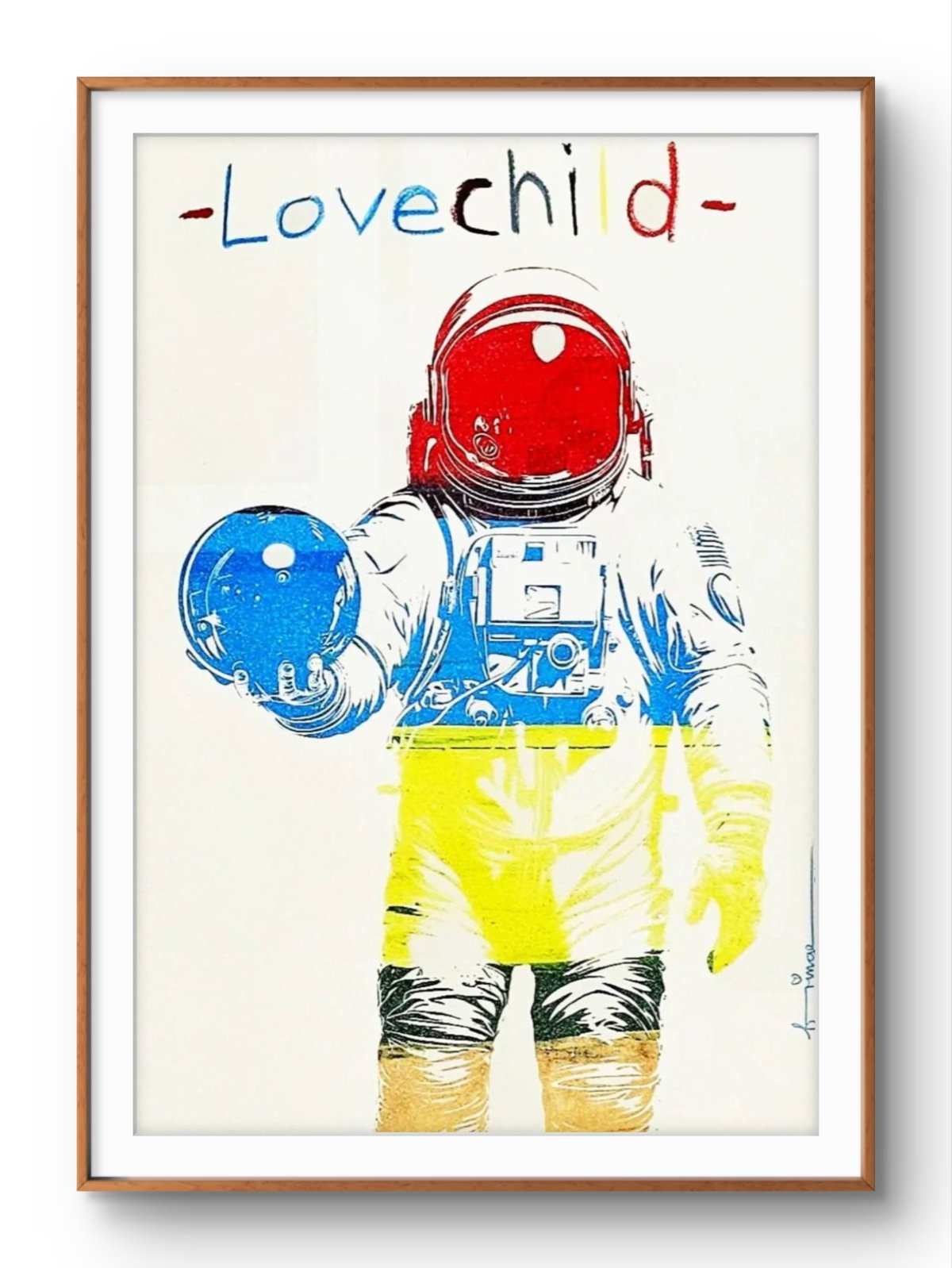
The Weight of the Ephemeral: The Role of Paper in Contemporary Pop Art (2026)
We often mistake physical weight for artistic worth, assuming that the heavier the canvas, the more profound the story. Yet, the most resonant voices in today's galleries are often found on the mos...
Read more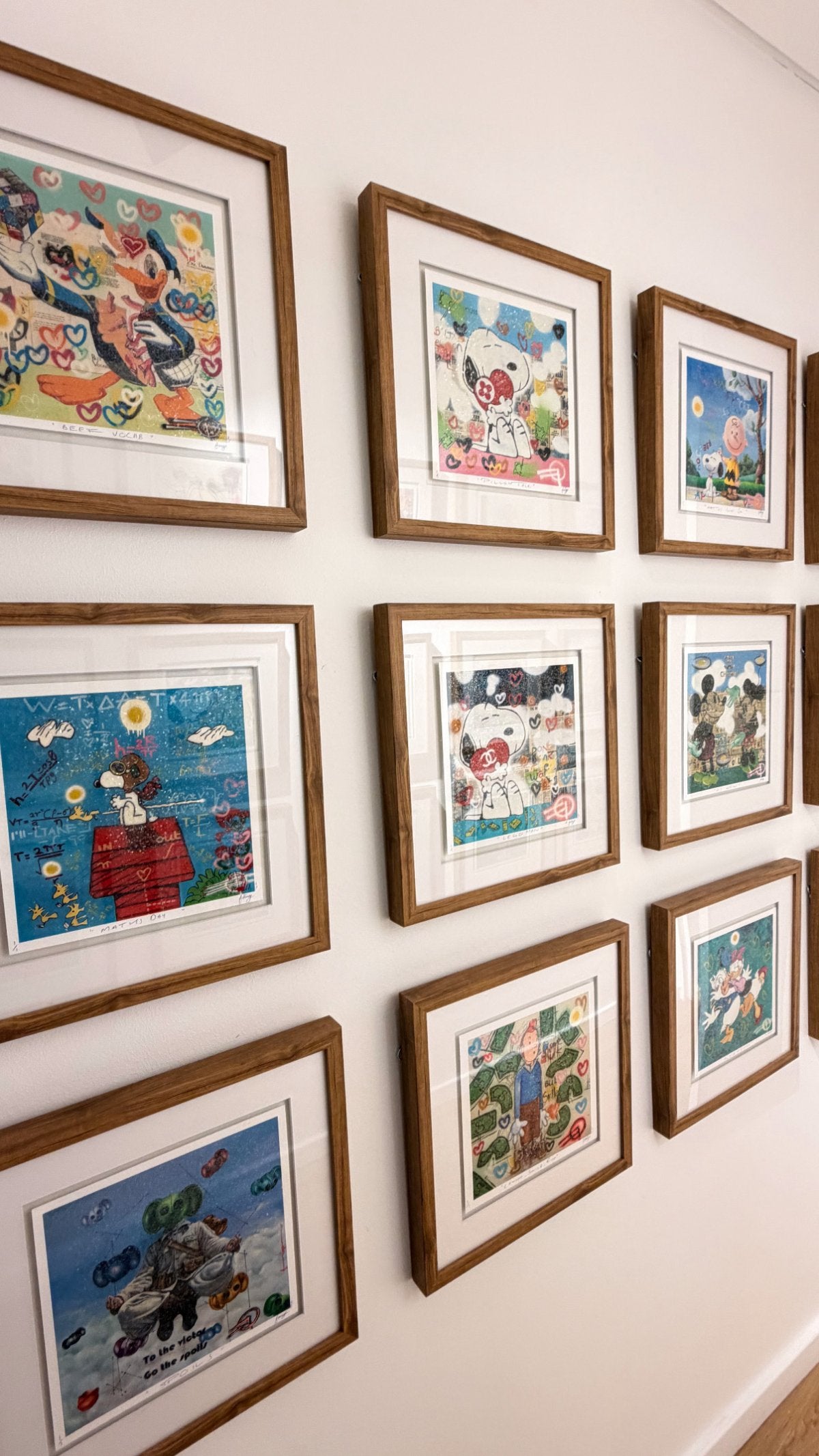
The Art of the Intimate Statement: A Guide to Expressive Pop Art Paintings for Sale
The soul of a painting is too often sacrificed for the speed of a digital print. It's easy to feel overwhelmed by the volume of mass-produced imagery that populates our screens and our walls. You'v...
Read more
Leave a comment
This site is protected by hCaptcha and the hCaptcha Privacy Policy and Terms of Service apply.