
Contemporary Art Investment in 2026: The Rise of Narrative and Form
The most enduring pieces in a collection aren't usually the ones that trended on a screen last week. They're the works that carry the quiet, heavy weight of a human story. If you've felt overwhelmed by the relentless digital noise and the lack of transparency in traditional galleries, you're not alone. Many collectors are stepping back from the speculative frenzy to find something more grounded. This shift toward authenticity is why contemporary art investment in 2026 has become a search for narrative depth rather than just another financial asset. You deserve to own something that resonates with your own history; a piece that feels like a shared philosophical journey between you and the creator.
You'll discover how to identify the true value drivers of independent pop art and why physical materiality is outperforming the digital hype. We will explore how to connect with an artist's story to build a portfolio of unique bronze sculptures, oil on canvas, and limited edition prints. By prioritizing the "why" behind the creation, you can move past the fear of overpaying for fleeting trends. This is your guide to finding art that holds both its financial value and its soul in a changing market.
Key Takeaways
- Identify why the post-digital era is returning to physical materiality, favoring works that offer a tangible connection and a deeply human narrative.
- Navigate the complexities of contemporary art investment by distinguishing between sustainable artist trajectories and the fleeting nature of speculative hype.
- Recognize the "timelessness factor" in traditional mediums, understanding why bronze sculptures and oil on canvas remain the ultimate multi-generational assets.
- Learn the strategic advantages of studio-direct acquisitions, allowing you to secure authentic documentation while directing more value toward the work itself.
- Build a cohesive portfolio that reflects your personal journey, focusing on the emotional weight of the creation to ensure both resonance and long-term worth.
The Evolution of Contemporary Art Investment in 2026
The art world has finally exhaled. After years of chasing the electric, often hollow flicker of digital-only trends, the 2026 market has returned to the quiet strength of the physical form. This evolution in contemporary art investment represents a profound shift from speculative hype to what we call narrative substance. Collectors are no longer just buying pixels or prestige; they are seeking objects that possess a "soul," a tangible history that can be felt through the fingertips.
Trend Analysis: The Rise of the Narrative Object
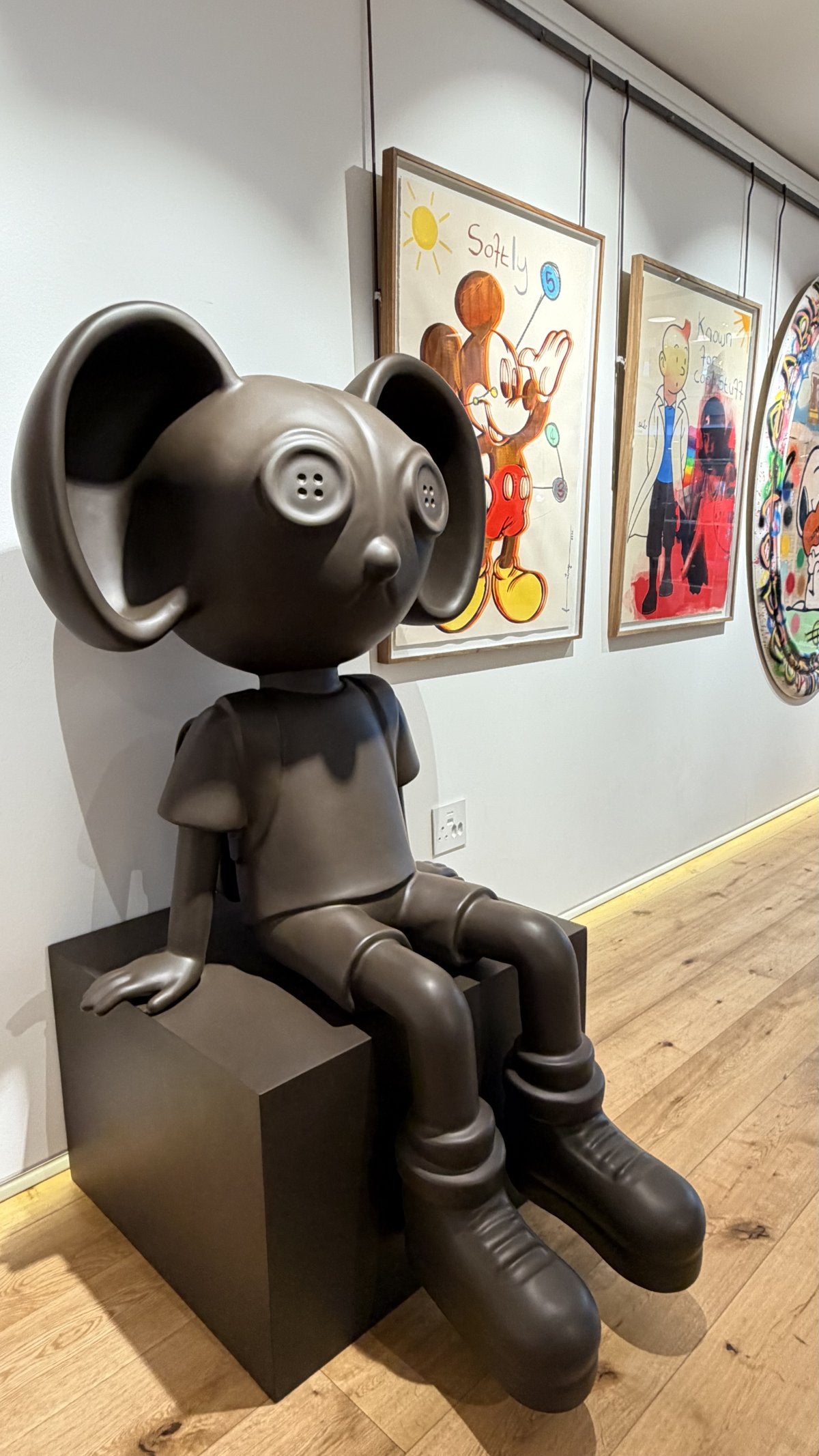
Narrative weight is the new currency. It's the depth of story that ensures a piece remains relevant long after the initial purchase. In 2026, we see this most clearly in the rise of character-driven art. Original characters like Mylo and Nova are not just figures; they are vessels for recognizable brand equity. Because these characters carry their own lore, they drive secondary market demand by creating a shared language between the artist and the collector. To understand the broader context of what is contemporary art, one must look at how these modern icons bridge the gap between playful collectable toys and the traditional fine art world.
Art as a Tangible Hedge Against Market Volatility
There is a unique comfort in the weight of a bronze sculpture. While financial markets fluctuate, physical oil on canvas and bronze remain the gold standard for stability. These materials don't just hold value; they hold space. The psychological benefit of "living with the art" is often overlooked. It's a grounding presence in a home that offers a sense of permanence. In 2026, the smartest contemporary art investment strategies prioritize these multi-generational assets because they provide an emotional anchor that a digital file cannot replicate. It's the difference between owning a memory and owning a receipt.
Defining Value: Beyond the Blue-Chip Narrative
True value often hides in the shadows of the spotlight. While headlines scream about record-breaking auctions for household names, the quiet pulse of contemporary art investment beats most strongly within independent studios. It's the difference between market hype, which is a loud and temporary weather pattern, and artist trajectory, which is a steady, rising tide. Understanding this distinction requires looking at the structures that govern the market today. An analysis of art funds and financial technology reveals how institutional players often prioritize liquidity and fractional shares over the "soul" of the work. For the individual collector, the real signal lies in the secondary market for character-based art, where independent creators build deep, cult-like resonance with their audience.
Small-batch limited editions often outperform mass-produced gallery prints because they retain the artist's touch. When you buy direct from a studio, you aren't just getting a piece; you're securing a clear line of provenance. This documentation is the bedrock of future resale value, ensuring that the story of the work remains intact as it passes from one hand to another.
The Checklist for Evaluating Contemporary Pop Art
- Scarcity: Look for strictly numbered editions. In the world of collectable toys, the difference between a run of 50 and an open edition is the difference between an asset and a souvenir.
- Materiality: Consider the lifespan of the medium. A bronze sculpture possesses a timelessness and weight that vinyl simply cannot reach.
- Authenticity: Always prioritize works accompanied by signed certificates and studio-direct records.
Investment Comparison: Blue-Chip vs. Independent Studio Art
Owning a physical Mylo bronze offers a tactile utility that fractional shares of a blue-chip Warhol can't provide. You can touch the metal. You can feel the narrative weight in your own home. While the "big names" offer a perceived safety, independent studios offer the potential for significant growth fueled by community passion and artistic transparency. You might find that the most rewarding path starts with exploring the latest studio releases to see where narrative and form meet. This connection to the creator often becomes the most valuable part of the journey.

The Materiality of Investment: Bronze, Oil, and Form
There is a profound silence in a heavy object. In an era where digital noise feels constant, the physical materiality of an artwork serves as a grounding force. This is the core of contemporary art investment in 2026: the realization that while pixels can be deleted, bronze and oil endure. Choosing a physical work is an act of preservation. It's a commitment to something that can be passed down through generations without the risk of software obsolescence or link rot. These works don't just exist; they persist.
For those entering the market, hybrids on paper offer a strategic entry point. They combine the accessibility of limited edition prints with the unique touch of hand-finished details. Regardless of the medium, protecting the physical integrity of your portfolio is essential. Simple steps like avoiding direct sunlight and maintaining stable humidity ensure that your investment remains as vibrant as the day it left the studio. Physical art isn't just an asset. It's a living part of your home.
Bronze: The Intersection of Myth and Market
Bronze exists at the intersection of myth and market. The labor-intensive process of casting creates a natural barrier to entry; it's a slow, deliberate craft that cannot be automated or mass-produced without losing its essence. This difficulty acts as a value protector. Character-based bronze sculptures are emerging as the "new classics" for modern collectors. They bridge the gap between playful nostalgia and the weight of tradition. Unlike vinyl or plastic, bronze carries a narrative weight that feels substantial in the hand and certain on the shelf. It's a material that rewards the patient collector.
Oil on Canvas: The Enduring Power of Originality
Oil on canvas remains the pinnacle of originality. The "one-of-one" premium is driven by the visible hand of the artist; every brushstroke and texture is a recorded moment of thought. In our flat-screen world, the tactile depth of an original painting offers a sensory experience that digital displays simply cannot replicate. This "narrative pop" aesthetic combines vibrant storytelling with the enduring power of traditional media. If you're looking to start your journey, consider exploring the current collection of original works to find a piece that speaks to your own history. The texture of the paint often tells a story as compelling as the image itself.
Building a Narrative Portfolio: The Direct-from-Studio Path
Buying direct offers what we call the "Insider's Advantage." It allows you to build a genuine relationship with the creator, gaining access to the thoughts and struggles that shape each piece. This connection transforms a simple purchase into a shared philosophical journey. When you understand the "why" behind an artist's vision, your collection becomes a reflection of your own internal landscape. It's about curating a narrative that resonates with your heart, rather than just filling space with trendy names.
Curating Meaning with Fringe
Building a cohesive portfolio often starts with a single thread. Characters like Mylo, Nova, and Gutinke provide a narrative foundation that can grow with you. You might begin by exploring the world of collectible designer toys and their narrative soul. As your collection matures, integrating oil paintings and bronze sculptures creates a multi-dimensional experience. This blend of mediums adds texture and weight, allowing the story of these characters to evolve from playful objects into timeless fine art.
Next Steps for the Contemporary Investor
Every great collection begins with a single step of curiosity. If you're new to contemporary art investment, starting with limited edition prints is an excellent way to test the aesthetic fit in your home. These prints offer a taste of the artist's world at an accessible level. As your conviction grows, you can scale into original oils and bronze pieces that act as the pillars of your portfolio. The journey is yours to define. You can discover original pop art and collectibles directly from the Fringe studio to begin shaping a collection that holds both financial promise and deep, human meaning.
Shaping a Legacy of Narrative and Form
The landscape of art has shifted toward a more intentional, reflective era. We have seen how the weight of a physical object can ground a home, providing a sanctuary from the transient nature of the digital world. By prioritizing narrative depth and the enduring strength of materials like bronze and oil, you ensure your collection remains a substantial part of your history. This approach to contemporary art investment isn't just about financial foresight; it's about honoring the human stories that connect us all. You're building a bridge between your own experiences and the timelessness of the form.
As you move forward, remember that the most meaningful acquisitions often happen where the creator's hand is still visible. Fringe is an independent, artist-owned studio dedicated to physical craftsmanship. Through original characters like Mylo, Nova, and Gutinke, we explore the complexities of the heart through oil on canvas and bronze sculptures. There are no digital NFTs here; only works with the soul and narrative weight to last lifetimes. Explore the Fringe Studio Collection: Original Pop Art and Bronze Sculptures and begin your own chapter in this evolving story. Your collection is more than a portfolio. It's a mirror of your journey.
Frequently Asked Questions
Is contemporary art a good investment in 2026?
Contemporary art remains a resilient asset class for those who prioritize narrative weight over speculative hype. Following the global market recovery to $59.6 billion in 2025, collectors have found renewed stability in physical works with clear provenance. A successful contemporary art investment now depends on identifying artists with authentic stories and a steady trajectory rather than chasing fleeting digital noise.
What makes collectible toys a fine art investment?
Collectible toys transition into the realm of fine art when they are produced in strictly numbered editions and carry original character IP. These objects are sculptural expressions of a wider narrative world; they aren't mass-produced novelties. When crafted with the same intentionality as traditional sculpture, these characters build recognizable brand equity that sustains demand in the secondary market for years to come.
How do I verify the provenance of art bought directly from an artist?
Verifying provenance when buying direct is often more transparent than navigating the secondary gallery market. You should receive a signed certificate of authenticity and a direct studio record of the transaction at the time of purchase. This clear, unbroken chain of ownership from the creator to you is the gold standard for future value. It preserves the history and the soul of the object as it moves through time.
Should I invest in original oil paintings or limited edition prints?
The choice depends on your current conviction and the specific role the piece plays in your evolving portfolio. Original oil paintings offer the highest premium due to their unique texture and the visible hand of the artist. Limited edition prints serve as a strategic entry point, allowing you to live with an aesthetic before scaling into more substantial physical assets like bronze sculptures or canvas works.
What is the typical time horizon for a contemporary art investment?
You should view a contemporary art investment with a long-term horizon, typically ranging from seven to ten years or even across generations. Art is an illiquid asset that rewards patience and deep emotional connection. This extended timeframe allows the artist's narrative and market presence to mature, ensuring the work's value reflects its enduring cultural significance rather than short-term volatility.

Article by
Fringe

Read more
The Collector’s Path: A Guide to Acquiring Meaningful Collectible Art Prints
What if the most profound piece of art you ever own isn't a singular canvas, but a shared chapter of a story told through ink and paper? We often mistake rarity for resonance, assuming that true va...
Read more
The Weight of the Ephemeral: The Role of Paper in Contemporary Pop Art (2026)
We often mistake physical weight for artistic worth, assuming that the heavier the canvas, the more profound the story. Yet, the most resonant voices in today's galleries are often found on the mos...
Read more
Leave a comment
This site is protected by hCaptcha and the hCaptcha Privacy Policy and Terms of Service apply.