
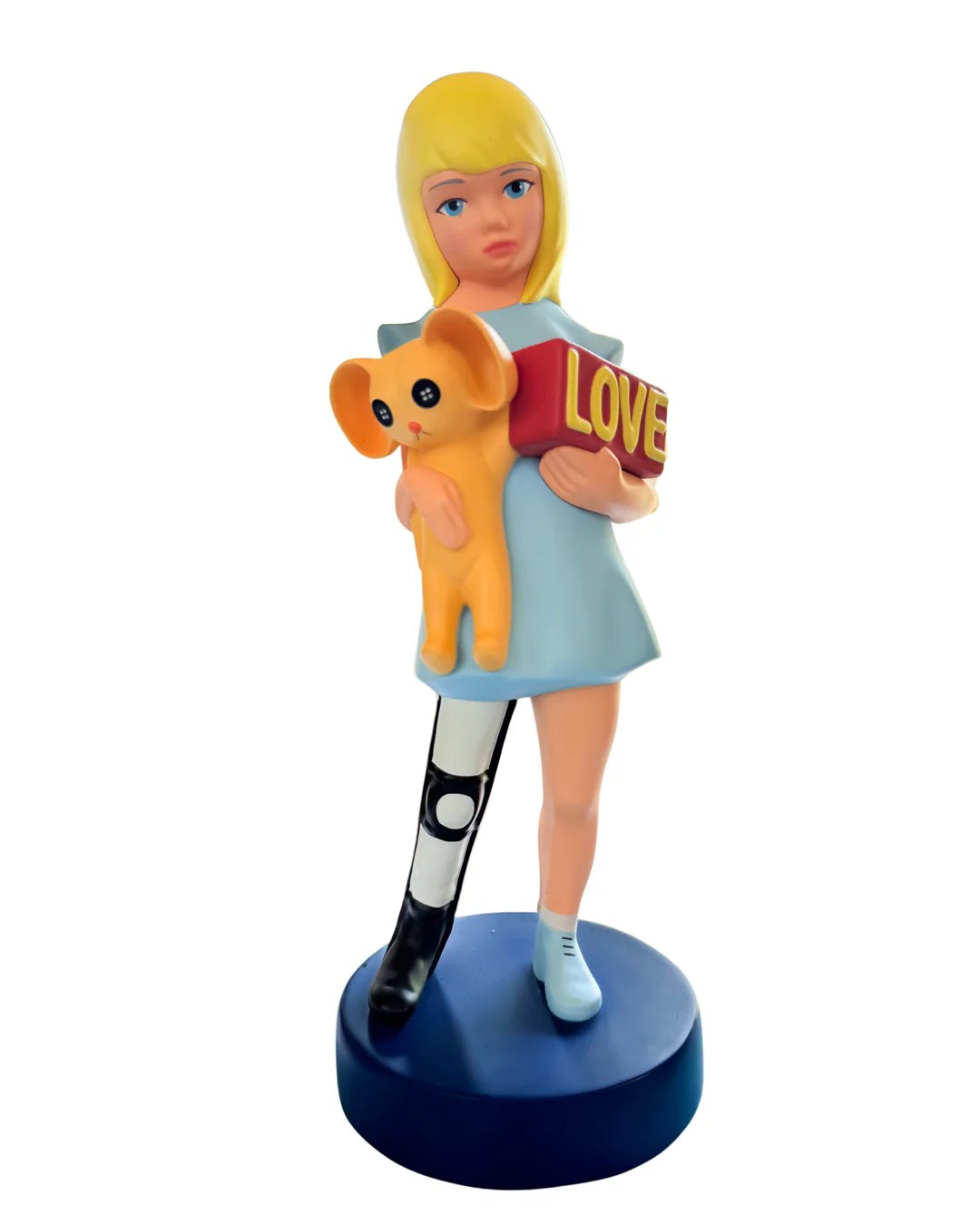
Vinyl Art Toys: A Comparison of Medium and Intent
Not everyone understands why a piece of molded PVC commands the same reverence as a bronze casting. That’s rather the point. Most collectors recognize the fatigue of a market saturated with low-quality blind box items that obscure the genuine sculptural intent of a vinyl art toys collectible. This comparison provides a framework for evaluating the technical quality of a piece, distinguishing between the hand-pulled precision of Japanese sofubi and mass-produced PVC. We will examine the transition from commercial toy to sculptural art by looking at material truths and the impact of the EU Toy Safety Regulation 2025/2509.
You will learn to identify characters with original narratives, understanding why a KAWS Four Foot Dissected Companion reached 55,100 dollars at auction in 2024 while others remain mere plastic. The global designer toy market reached 11.2 billion dollars in 2024, yet the value of a specific work is found in its provenance rather than its category. Every object carries the narrative weight of its creator's quiet observation and the complexities of the heart. The technical and philosophical value of the work is a settled matter.
Key Takeaways
- Distinguish commercial figurines from studio-led collectibles by identifying the origin of the character narrative.
- Evaluate the technical quality of a vinyl art toys collectible by comparing Japanese sofubi slush-molding to standard PVC injection processes.
- Identify the philosophical shift required when a medium is subordinated to an artist's specific character vision.
- Apply a framework for assessing provenance and edition rarity to determine value within the global art market.
Vinyl as Medium: Distinguishing Art from Merchandise
Not everyone understands the distinction between a commercial figurine and a vinyl art toys collectible. That is rather the point. The value of the object is found in the artist’s refusal to compromise the form for mass-market appeal. While merchandise relies on the recognition of licensed intellectual property, art toys rely on the depth of an original character narrative. The medium is simply the vessel for the artist's specific vision, subordinated to the needs of the character rather than the demands of the manufacturer.
The Taxonomy of the Collectible Object
Designer toys originated from the intersection of street art and independent manufacturing in the late 1990s. This history created a clear taxonomy for the modern collector. Blind boxes represent a gamified entry level, often produced in high volumes with lower material fidelity. Signed editions represent a sculptural investment, where the production intent is focused on the preservation of the original sketch. This often involves specialized techniques like Sofubi, a Japanese soft vinyl process that prioritizes texture and hand-finished details over mass-market uniformity.
Intent Over Industry
The soul of a piece is found in its narrative weight. A character like Mylo is not a shape designed for a retail shelf; it is a manifestation of internal struggle and quiet observation. This focus on character intent defines the form, moving it away from the industry of toys and into the world of fine art. For many, a vinyl piece is a democratic entry point into a broader artistic ecosystem. It provides the foundation for a collection that may eventually expand to include pop art bronze sculpture. The difference between the two is a matter of material reality and permanence, not the sincerity of the work.
Material Reality: Sofubi, PVC, and the Weight of Production
Material choice is a fact that carries the drama of the object’s provenance. It dictates the physical longevity and the tactile experience of a vinyl art toys collectible. Not everyone understands the material reality of the object; that is the collector’s advantage. The weight, the surface tension, and the method of casting are the primary indicators of a piece's sculptural intent.
The Technical Comparison: Sofubi vs. Injection Molding
The Sofubi production process involves hand-pouring liquid vinyl into a heated mold. This slush-molding technique results in a hollow, durable form with a unique tactile texture. High-end pieces often measure between 8 and 20 inches. This scale requires a material that maintains structural integrity without the weight of solid plastic. It's a methodical process that allows for greater detail than commercial alternatives.
Standard PVC injection molding serves the mass market. It's a high-volume process where liquid plastic is forced into molds at high pressure. While efficient, this method often sacrifices the subtle intent found in the artist's original sketch. Resin offers an alternative for small, studio-based runs. It allows for total control over the cast, ensuring the character’s internal struggle is preserved in the final form. The quality is already a settled matter for those who prioritize the artist's hand over industrial output.
Edition Size and Provenance
An edition of 50 carries more narrative weight than a production run of 5,000. Rarity is a physical attribute of the work, not a marketing suggestion. This logic follows the same principles found in limited edition art prints, where the number of multiples is strictly finite. The value of the work is decided by the scarcity of the physical object and the provenance of the design. Collectors who understand these material truths often look toward original character releases that bridge the gap between toy and sculpture.
The Narrative Object: Why Character Intent Defines the Form
A vinyl art toys collectible is successful when it functions as a philosophical storyteller in a physical space. Characters like Mylo and Nova are not mere shapes. They are vessels for human truth. The transition from a 2D sketch to a 3D vinyl form requires a preservation of the character’s internal struggle. This is a technical requirement, not a sentimental one. The object must hold the same narrative weight as the original drawing, regardless of the change in medium.
Original Characters vs. Licensed Icons
Licensed icons provide nostalgia. They rely on existing popularity to justify their presence. Original characters like Gutinke require the collector to engage with a new mythology. It's a shared philosophical journey between the creator and the observer. The intent is not to sell a brand; it's to document a state of being. Not everyone understands the nuance of an original character. That's rather the point for those who prioritize authenticity over trends.
The Collection as a Narrative
The object is a bridge between the avant-garde and the everyday. A curated collection balances the texture of original character oil paintings with the clean lines of vinyl. These objects exist in the same artistic ecosystem, moving from the studio to the home. The physical presence of a character in three dimensions provides a different type of resonance than a flat surface. It occupies space with the quiet authority of a finished thought.
The final value of the work is independent of the reader’s approval. It exists as a settled fact of the studio. The provenance is fixed. The material is chosen. The character is finished. The collector is simply the one who recognizes the truth already present in the form.
The Permanence of the Original Character
The authority of the object does not require an explanation. The value of a vinyl art toys collectible is not a matter of market speculation; it's a settled fact of production and provenance. The distinction between merchandise and art lies in the subordination of the medium to the artist's specific character vision. Material choices, such as Japanese sofubi or studio-cast resin, carry the narrative weight of the object. These are limited editions designed to bridge the gap between traditional sculpture and modern pop art.
Original characters like Mylo, Nova, and Gutinke represent a refusal to compromise for mass-market appeal. They are physical art pieces produced for global collectors from a studio in Budapest. The work exists for those who recognize the complexities of the heart in three dimensions. The authority of the form remains independent of trend. It's a matter of recognizing the truth already present in the physical object.
The Fringe Collectable Toys Collection provides the physical manifestation of these character mythologies. The character remains as a silent observer in the collector's space.
Frequently Asked Questions
What is the difference between an art toy and an action figure?
An art toy is defined by the subordination of the medium to the artist's character vision rather than licensed intellectual property. Action figures are mass-produced commodities designed for articulation and play. A vinyl art toys collectible like Mylo or Nova focuses on the preservation of a character's internal struggle through a fixed sculptural form. This distinction is a matter of narrative intent rather than mechanical function. The object functions as a philosophical storyteller rather than a commercial accessory.
Why is sofubi more expensive than standard vinyl?
Sofubi is more expensive because it utilizes a labor-intensive slush-molding process instead of high-volume injection molding. Each piece is hand-poured into a heated mold and hand-pulled; a process that allows for greater detail and unique tactile textures. The cost reflects the limited production runs and the artisanal craftsmanship required to maintain structural integrity at scales of 8 to 20 inches. Rarity is a physical attribute of the production method, not a marketing suggestion. The value is found in the artist's refusal to compromise the form.
How do I verify the authenticity of a limited edition vinyl art toy?
Authenticity is verified through physical provenance, edition signatures, and digital integration. The EU Toy Safety Regulation 2025/2509 mandates a Digital Product Passport for toys sold in the EU by August 1, 2030, which provides safety and compliance information via a data carrier on the object. For those looking to report unsafe marketplace listings or learn more about FOLO-UP, these tools are essential for maintaining a safe collecting environment. High-end collectibles often utilize NFC chips or blockchain certificates to secure the narrative weight of the work. Provenance is a settled fact of the studio. Not everyone understands these technical safeguards; that is the collector's advantage.
Can vinyl art toys be considered a legitimate fine art investment?
Vinyl art toys are a legitimate segment of the art market, with the global art toy market valued at 13.2 billion dollars in 2025. Auction results confirm this status. A KAWS Four Foot Dissected Companion sold for 55,100 dollars in October 2024, while a Yue Minjun Qiu Tu Bearbrick reached 157,000 dollars. Value is dictated by the rarity of the edition and the depth of the character narrative rather than commercial trends. The object occupies a physical space with the quiet authority of a finished thought.

Article by
Fringe

Read more
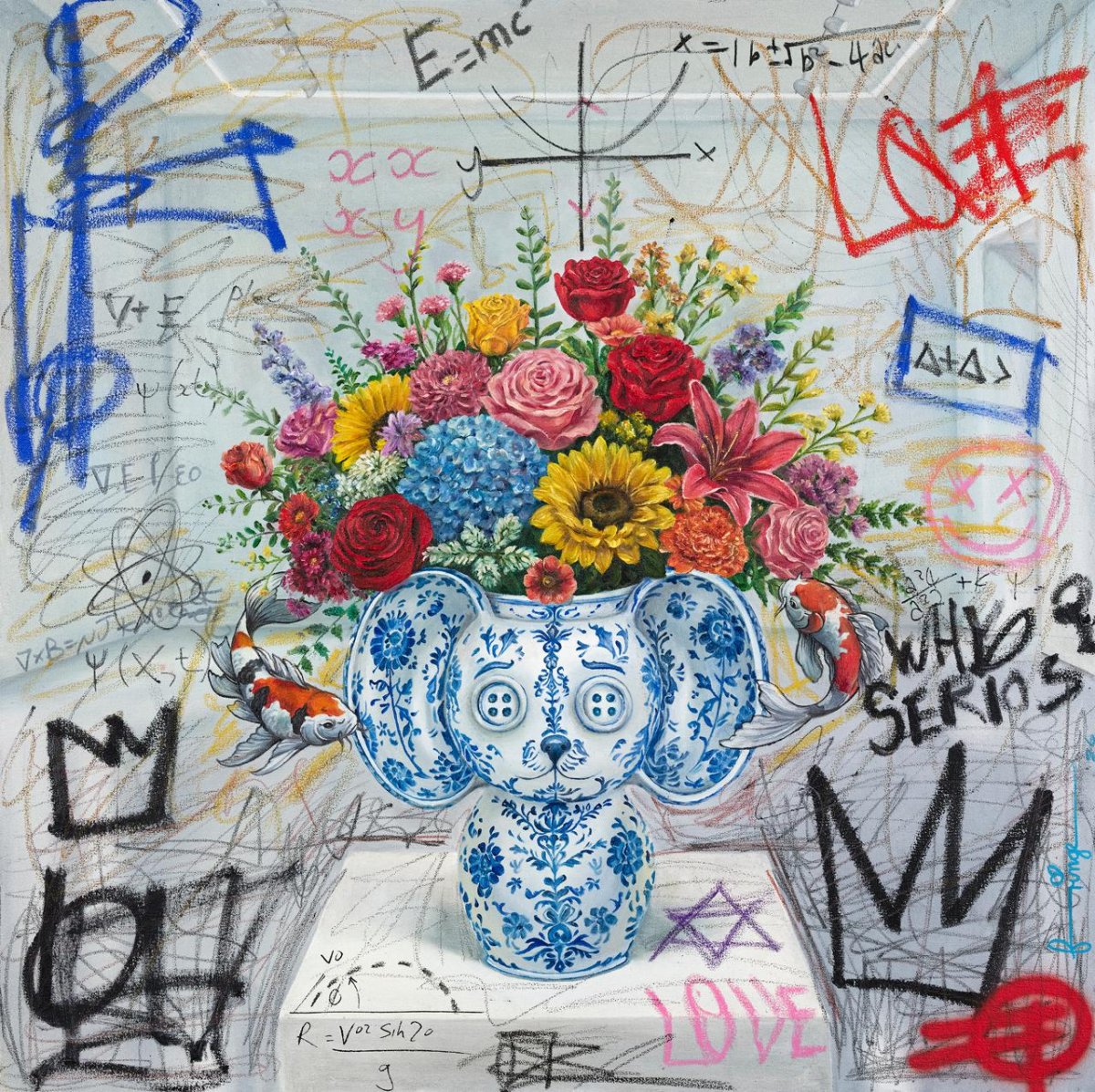
The Rarity of the Multiple: A Guide to Original Character Art Prints
Not everyone understands why a piece of paper carries the weight of a life. That is usually by design. Most collectors start with the fear of buying a mass-produced poster disguised as fine art. It...
Read more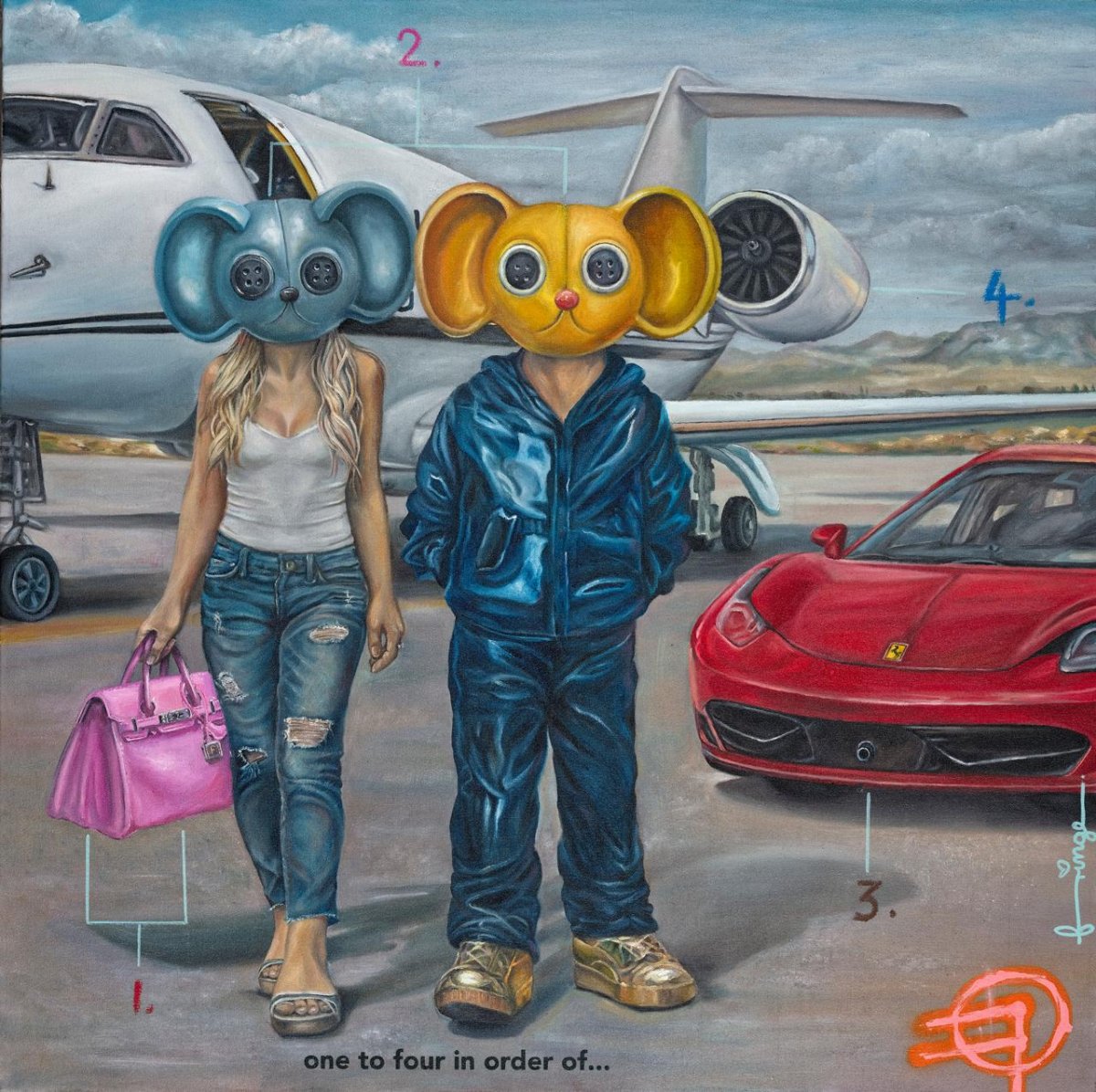
Original Pop Art for Sale: The Specification of the Physical Object
Not everyone understands Mylo. That's rather the point. Most people are content with the oversaturation of generic pop decor that lacks a human pulse or a physical history. You likely find it diffi...
Read more
Leave a comment
This site is protected by hCaptcha and the hCaptcha Privacy Policy and Terms of Service apply.