
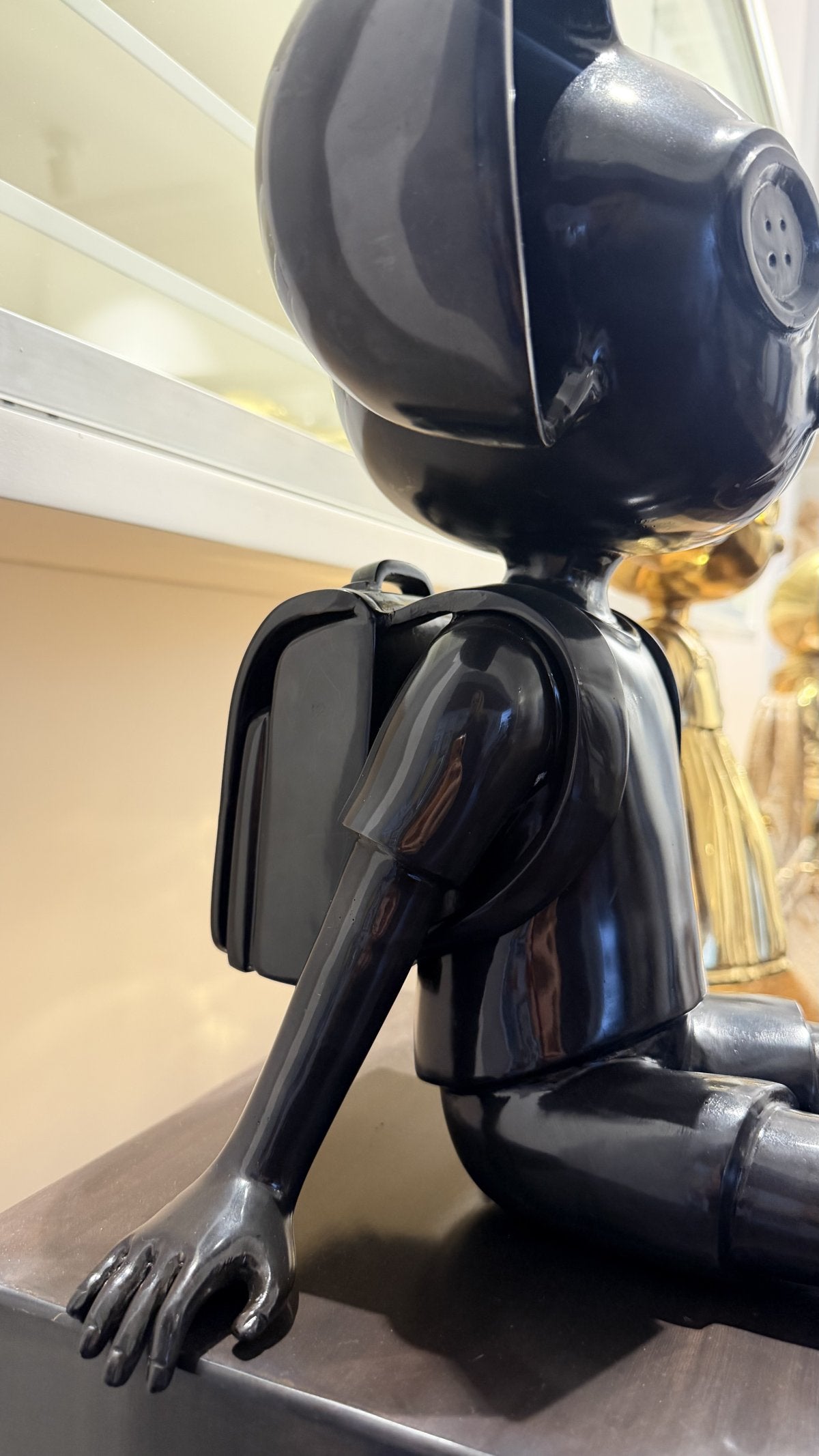
The Metal that Breathes: A Collector’s Guide to Handmade Bronze Art
The objects we place on our mantels often say more about our search for convenience than our search for meaning. In an era of sterile, mass-produced plastic and digital ephemera, the physical weight of handmade bronze art offers a necessary, grounding anchor. You probably recognize that quiet exhaustion that comes from living in spaces that feel like corporate showrooms rather than homes. It's a deeply human desire to want something that carries the fingerprints of its creator and the pulse of a real story.
This guide explores how narrative-driven sculpture can transform a silent room into a living conversation. We will look at the enduring allure of bronze as a medium that breathes; it is a material that moves beyond its reputation as a cold museum relic to become a vessel for modern, vulnerable characters. You will learn how the meticulous casting process serves as a definitive mark of quality. We will also discuss why choosing a piece with narrative weight is a wise move, especially as the global demand for collectible bronze grew by over 18 percent in 2025. It is time to find art that feels as complex and alive as you are.
Key Takeaways
- Learn how to identify the human pulse in a sculpture by looking for the subtle textures that prove a piece is authentic handmade bronze art.
- Discover why the ancient lost-wax casting method remains the gold standard for creating sculptures with immense narrative weight and structural integrity.
- Explore how modern character-driven sculptures function as contemporary myths that bridge the gap between fine art and personal storytelling.
- Understand the criteria for evaluating craftsmanship by focusing on the artist’s vulnerability and the universal emotions captured within the metal.
- Gain the confidence to curate a collection that rejects mass-produced trends in favor of enduring pieces that possess a distinct, human soul.
The Human Pulse within the Alloy: Defining Handmade Bronze Art
To understand handmade bronze art is to recognize that a sculpture is never truly finished; it simply enters a new phase of existence. It is the intersection where ancient metallurgy meets a very specific, personal artistic vision. While the history of bronze sculpture stretches back millennia, its modern appeal lies in its refusal to be ignored. It possesses a physical gravity that demands a pause. It is a witness to the present and a bridge to the past.
Unlike the fleeting nature of mass-produced plastic or the intangible flicker of digital assets, bronze offers permanence. It captures the artist's touch, immortalizing a moment of creative vulnerability in a medium that will outlast the building it stands in. This is the "soul" of the object. It's a rejection of the disposable. When you choose handmade bronze art, you are investing in a record of a human hand, not the cold output of an industrial printer. Every texture and slight imperfection serves as a fingerprint of the creator's intent.
The Weight of Narrative in Contemporary Sculpture
In a modern home, a sculpture should do more than fill a void on a shelf. It acts as a Philosophical Storyteller, a silent companion that observes the passing of time alongside you. We are increasingly drawn to objects with narrative weight because they reflect our own complexities. Characters like Mylo or Nova are not just decorative shapes. They are empathetic observers of our daily lives, embodying struggles and quiet triumphs that resonate on a visceral level. They transform a room from a static space into a chapter of a larger, ongoing story.
From Fire to Form: The Narrative Weight of the Casting Process
To hold a piece of handmade bronze art is to hold the result of a violent yet beautiful transformation. It begins in the quiet of the studio, where soft, malleable clay is shaped by the artist's fingers. This initial stage is intimate and fragile. However, the transition to bronze requires the "lost-wax" casting process, an act of artistic vulnerability where the original model is destroyed to make way for the permanent. It's a high-stakes gamble; the wax melts away, leaving a void that can only be filled once.
The foundry is where the elements take over. It's a shared journey between the artist and the fire. Molten bronze, glowing with a white-hot intensity, is poured into a ceramic shell at temperatures exceeding 2,000 degrees Fahrenheit. When the metal finally cools and the shell is shattered, the character emerges. It's no longer a soft idea. It's an unyielding reality. When evaluating bronze sculpture, one must appreciate this transition from the ephemeral to the eternal.
The Paradox of Permanence: Why Metal Matters
Why do we choose metal for our most modern stories? Bronze acts as a bridge between the past and the future, offering a physical weight that digital assets simply cannot replicate. This concept is explored deeply in our guide to The Paradox of Permanence. Metal matters because it records the passage of time without surrendering to it. It's a rejection of the "disposable" culture that defines so much of our modern lives.
The Artist’s Signature in the Patina
Patina is the emotional atmosphere of a bronze piece. It's the chemical "skin" created through the careful application of heat and oxides. Because this process is entirely manual, no two finishes are ever truly identical. One sculpture might carry a deep, brooding shadow, while another feels warm and luminous. This variation ensures that your piece remains a singular expression of a moment in time. If you're looking for a character that carries this level of individual soul, you might find a connection with our latest bronze sculptures.

The Collector's Eye: Evaluating Craftsmanship and Narrative Intent
Evaluating a piece of handmade bronze art requires more than a casual glance; it demands a quiet conversation between the viewer and the object. You should look for what we call the human pulse. This is found in the subtle textures, the slight depressions of a thumb, or the deliberate tool marks that haven't been sanded into oblivion by a machine. These marks are evidence of an artist's presence. They prove that the work was born from a living hand rather than a sterile factory mold.
Material integrity is equally vital. A genuine bronze sculpture possesses a satisfying, grounded weight that resin or "cold cast" alternatives cannot mimic. When you touch it, the metal should feel cold, slowly warming to your skin's temperature as you hold it. This tactile experience is a hallmark of quality. You should also examine the edition number. In a world of infinite digital copies, the scarcity of a limited edition ensures that the narrative remains intimate and exclusive. It protects the soul of the work from being diluted by mass production.
Beyond the physical, ask if the piece speaks to a universal human experience. Does it capture a sense of quiet struggle or the warmth of a shared connection? A collection built on these emotional truths carries far more value than one based on passing decor trends. You aren't just buying an object; you are adopting a perspective. To find personal accessories that carry this same sense of meaning and beauty, check out Frenelle Jewellery.
Beyond Decoration: Selecting Pieces with Soul
Selecting art is an act of self-reflection. The pieces you choose act as companions to your internal world. When you build a contemporary collection, focus on narrative intent rather than just aesthetic appeal. This ensures that every figure in your home contributes to a cohesive story. For those looking to refine their presentation, we suggest reading How to Display a Contemporary Art Collection with Narrative Intent. If you are ready to begin this journey, you can explore our available bronze sculptures to find a character that resonates with your own story.
Modern Myths in Metal: Curating the Characters of Tomorrow
Mythology has always been the human method for giving physical shape to the abstract. While ancient civilizations cast their deities in metal to ensure their stories survived the centuries, we are now witnessing the rise of a new kind of modern myth. Character-based bronze sculptures are the contemporary answer to this ancient impulse. These figures don't represent distant, untouchable gods. Instead, they embody the complex, often messy emotions of the modern human condition. They are the archetypes of our internal world, rendered in a form that refuses to fade.
Consider characters like Quiet Boy or Mylo. They are not merely decorative figures; they are vessels for connection. When these designs move from the realm of the collectible toy into the world of handmade bronze art, they undergo a profound elevation. The medium of bronze strips away the perceived playfulness of the toy and replaces it with a heavy, unyielding significance. It transforms a pop-culture icon into a permanent piece of fine art sculpture. It's a statement that these modern stories are as worthy of preservation as any classical figure.
The Evolution of Pop Art Sculpture
Pop art characters deserve the permanence of bronze because they represent the intersection of the avant-garde and the everyday. By casting these modern forms in a traditional medium, we bridge the gap between high art and the stories we live. This evolution is explored further in our piece on Character Based Sculpture, which examines the art of giving form to the human narrative. It's about finding the extraordinary within the familiar.
Collecting these pieces is an investment in more than just metal. It's an investment in a shared philosophical journey between the artist and the observer. When you bring handmade bronze art into your home, you are choosing to live with a character that observes the world alongside you. You aren't just decorating a room; you are curating the myths of tomorrow. These pieces will remain, speaking their silent truths, long after the trends of today have vanished into the digital ether.
The Weight of a Story: Claiming Your Modern Myth
Choosing a sculpture is an act of recognizing yourself in a different form. We have explored how the ancient lost-wax process transforms a fleeting idea into an unyielding reality, and why the human pulse found in texture is what separates a masterpiece from a machine-made copy. These pieces aren't just objects; they are witnesses to our internal lives. When you invest in handmade bronze art, you are choosing permanence over the disposable trends that define our digital age. It's a decision to surround yourself with work that carries a distinct, unrepeatable soul.
At Fringe, every character is born in an independent artist studio, ensuring an authenticity that corporate galleries often lack. Each piece features hand-finished patinas that grant it a unique personality, while limited edition runs maintain the exclusivity of the narrative. It’s about finding a companion, not just a centerpiece. We invite you to explore the bronze narratives of Fringe: The Artist and find the figure that speaks to your own journey. Your space is ready for a story that breathes alongside you.
Common Inquiries for the Discerning Collector
What is the difference between handmade bronze and cold-cast bronze?
Handmade bronze is created through a traditional foundry process involving molten metal poured at temperatures exceeding 2,000 degrees Fahrenheit. Cold-cast bronze is actually a mixture of resin and bronze powder, resulting in a piece that feels like plastic rather than metal. You can immediately sense the difference in the weight and the surface temperature; true bronze is cold to the touch and carries a structural soul that resin cannot replicate.
How do I maintain the patina on a handmade bronze sculpture?
Maintaining the atmospheric "skin" of your handmade bronze art requires a gentle touch and a complete rejection of harsh cleaning chemicals. You should dust the sculpture regularly with a soft, dry cotton cloth to prevent the buildup of oils and debris. To preserve the original finish, apply a thin layer of high-quality microcrystalline wax once a year, which creates a protective barrier against oxidation and environmental moisture.
Why is handmade bronze art considered a good investment for collectors?
Bronze is a tangible asset that offers a reliable hedge against the volatility of digital markets and inflation. In 2025, the demand for collectible bronze sculptures grew by over 18 percent, reflecting a global shift toward objects with material integrity. When you acquire a limited edition piece from an independent studio, you're securing a scarce narrative that gains value as the artist's reputation and the work's historical weight grow over time.
What does 'lost-wax casting' mean in the context of fine art?
Lost-wax casting is an ancient, multi-stage process where an artist's wax model is encased in a ceramic shell and then melted away to create a hollow mold. This void is filled with molten bronze, ensuring that every subtle texture of the original work is immortalized in metal. It's a high-stakes act of transformation that remains the gold standard for creating sculptures with profound narrative weight and intricate detail.
Can bronze sculptures be displayed outdoors without damage?
Bronze is incredibly durable and was historically chosen for public monuments specifically because it thrives in the elements. While the metal won't suffer structural damage, exposure to air and rain will eventually cause the surface to develop a natural secondary patina, often appearing as a soft green verdigris. If you wish to maintain the artist's original hand-finished patina, you'll need to apply a protective wax coating more frequently to shield the metal from the environment.

Article by
Fringe

Read more
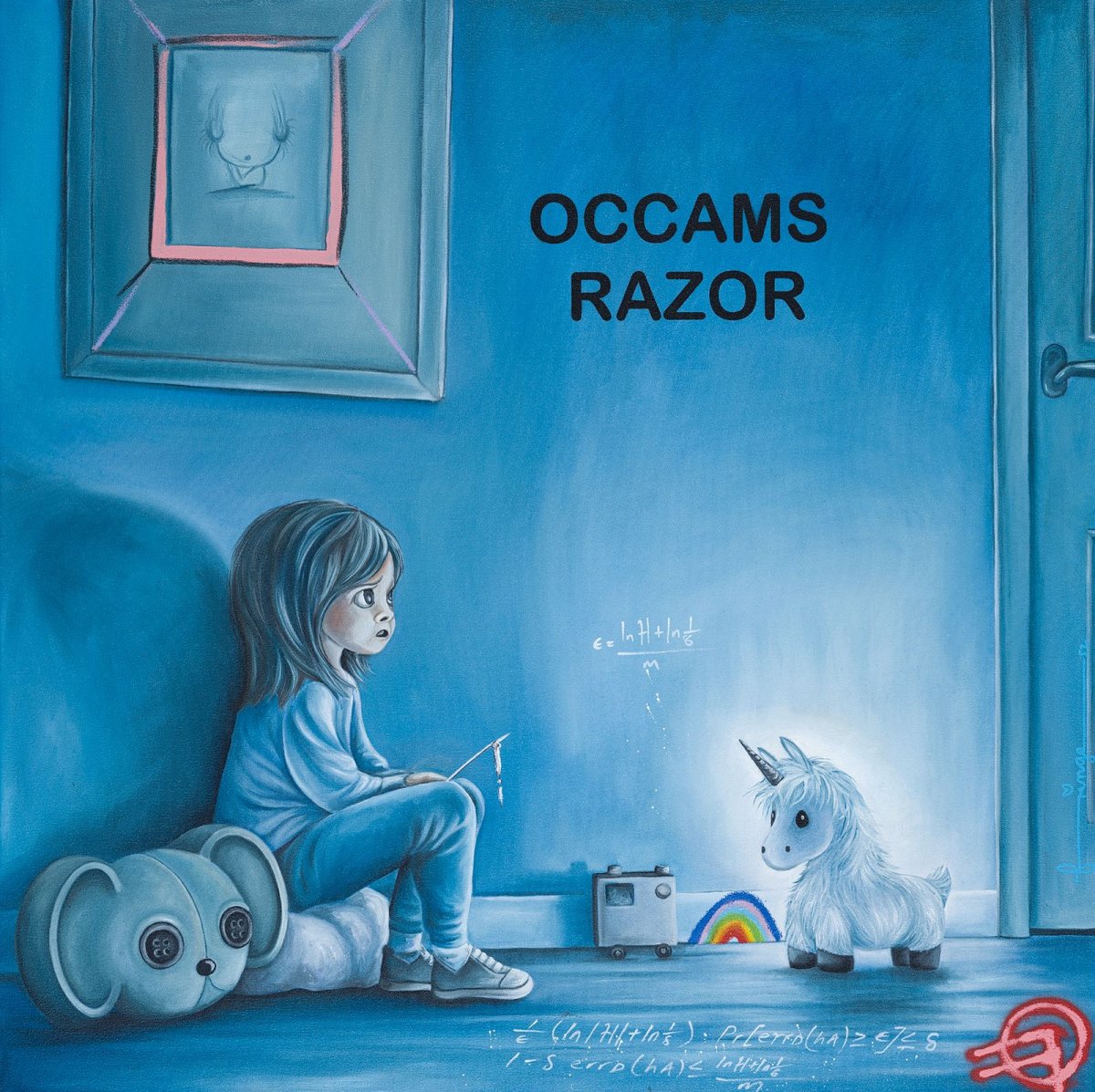
The Vulnerability of Oil: Why Texture Defines the Original Pop Art Painting
We've been taught to believe that Pop Art is the language of the factory, a mirror held up to the cold perfection of the assembly line. Yet the most profound expressions of this movement aren't fou...
Read more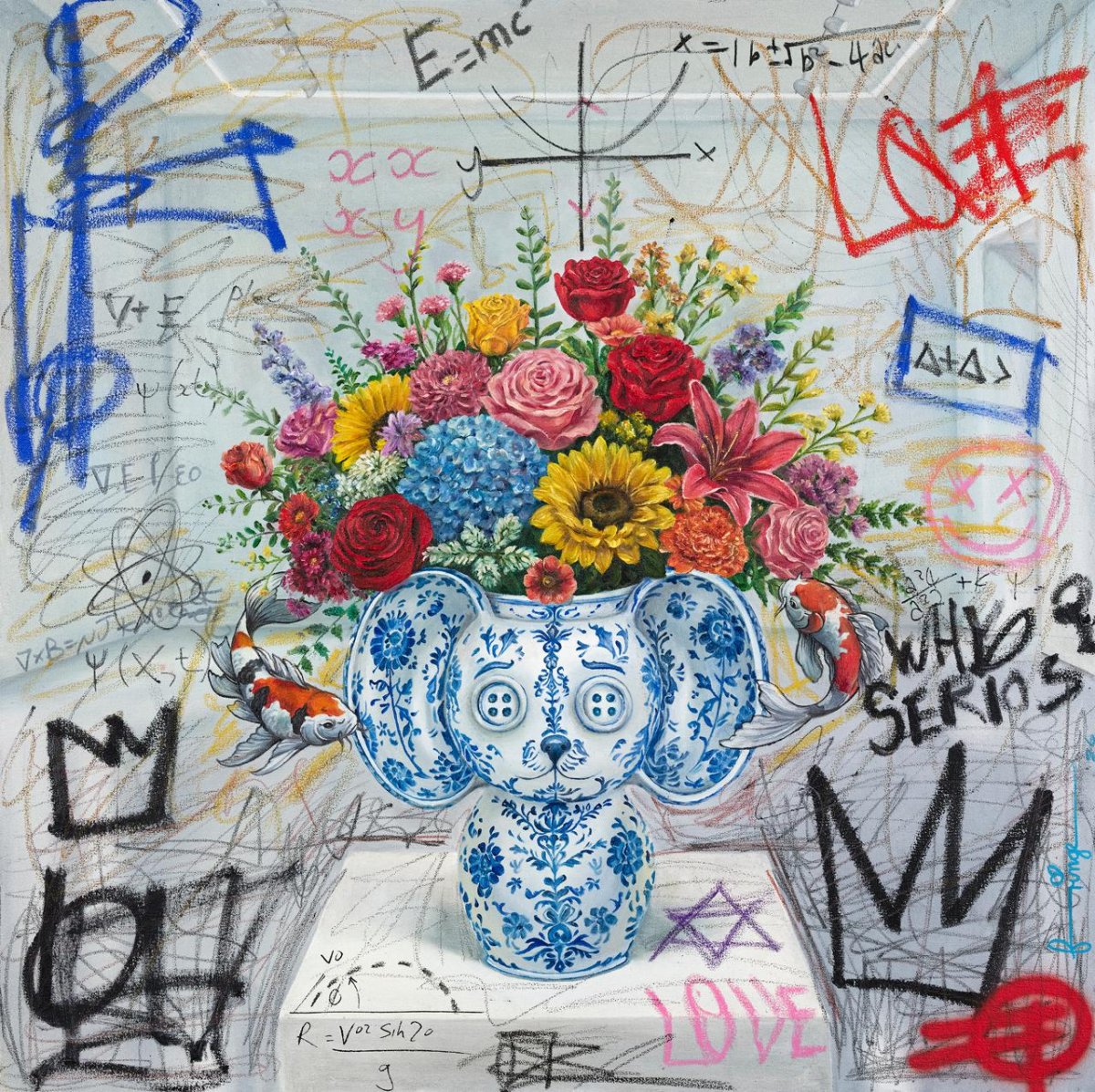
The Rarity of the Multiple: A Guide to Original Character Art Prints
Not everyone understands why a piece of paper carries the weight of a life. That is usually by design. Most collectors start with the fear of buying a mass-produced poster disguised as fine art. It...
Read more
Leave a comment
This site is protected by hCaptcha and the hCaptcha Privacy Policy and Terms of Service apply.