
The Rarity of the Multiple: A Guide to Numbered Edition Art Prints
What if the most intimate connection you could have with an artist wasn't through a singular, untouchable canvas, but through a shared vision distributed among a select few? Many collectors hesitate at the threshold of buying numbered edition art prints because they fear they're merely purchasing a high-end photocopy. They worry that the presence of another copy somewhere in the world diminishes the soul of the piece they hold in their hands. It's a common anxiety in a world that often confuses rarity with value.
We understand that hesitation. Nobody wants a glorified poster when they're seeking an investment-grade legacy that carries real emotional weight. You want to feel the texture of the paper and the deliberate intention of the ink. This guide will help you uncover the quiet power of the numbered edition; it's a place where accessibility and artistry coexist without compromise. We'll demystify the cryptic language of APs and PPs, explore the technical standards of archival preservation, and show you how to identify a print that carries the true narrative weight of a masterpiece. By the end, you'll have the confidence to build a collection that feels both curated and deeply personal.
Key Takeaways
- Recognize why a fixed edition is a primary artistic statement rather than a reproduction, allowing you to own a piece of a shared original vision.
- Master the language of the margins by decoding signatures and numbering protocols that act as the final seal of provenance.
- Distinguish between standard posters and high-quality numbered edition art prints by understanding archival paper standards and museum-grade protocols.
- Discover the tactile allure of hybrids on paper, where traditional printmaking meets the unique, hand-applied touch of the artist.
- Learn how to use editions to enter the high-art market and build a cohesive narrative through recurring characters like Mylo and Nova.
The Anatomy of the Numbered Edition: Beyond the Reproduction
A numbered edition is far more than a technical designation. It's a shared contract between the creator and the collector. At its simplest, a numbered edition is a fixed set of identical prints, each one signed and authorized by the artist to exist in a specific, finite quantity. To view these as mere copies of a "real" work is to misunderstand the medium entirely. In the world of fine art, we speak of the "original multiple." This means the artist chose printmaking as their primary language for that specific vision. The ink on the paper isn't a secondary echo of a canvas. It's the intended destination.
There's a distinct psychological weight to the fraction found in the corner of numbered edition art prints. Owning "1/50" carries a resonance that an open-run poster can't replicate. It represents a promise of rarity. When an artist signs that margin, they enter into a professional and ethical agreement never to produce more than the stated size. This scarcity doesn't just protect market value. It preserves the emotional intimacy of the work. You aren't just buying paper; you're buying a piece of a story that's intentionally limited to a select group of custodians.
Limited vs. Open Editions
Open editions often feel like echoes. They lack the narrative weight and investment potential that define limited runs. In contemporary art, scarcity drives the connection. A limited run ensures the work remains a curated experience rather than a mass-produced commodity. It allows the collector to feel like a custodian of a finite story, ensuring that numbered edition art prints maintain their soul over time.
The Lineage of the Multiple
The lineage of the multiple stretches from historical etchings to modern digital hybrids. Throughout this evolution, the artist's hand remains the final arbiter. This includes the tradition of Artist's Proofs (A/P), which were originally used to check the progress of the plate. Today, these proofs and the final signed edition represent the artist's personal approval of the work's physical soul. It's a process of refinement where the artist ensures every multiple meets the standard of the original vision.
Decoding the Margins: Signatures, Proofs, and Protocols
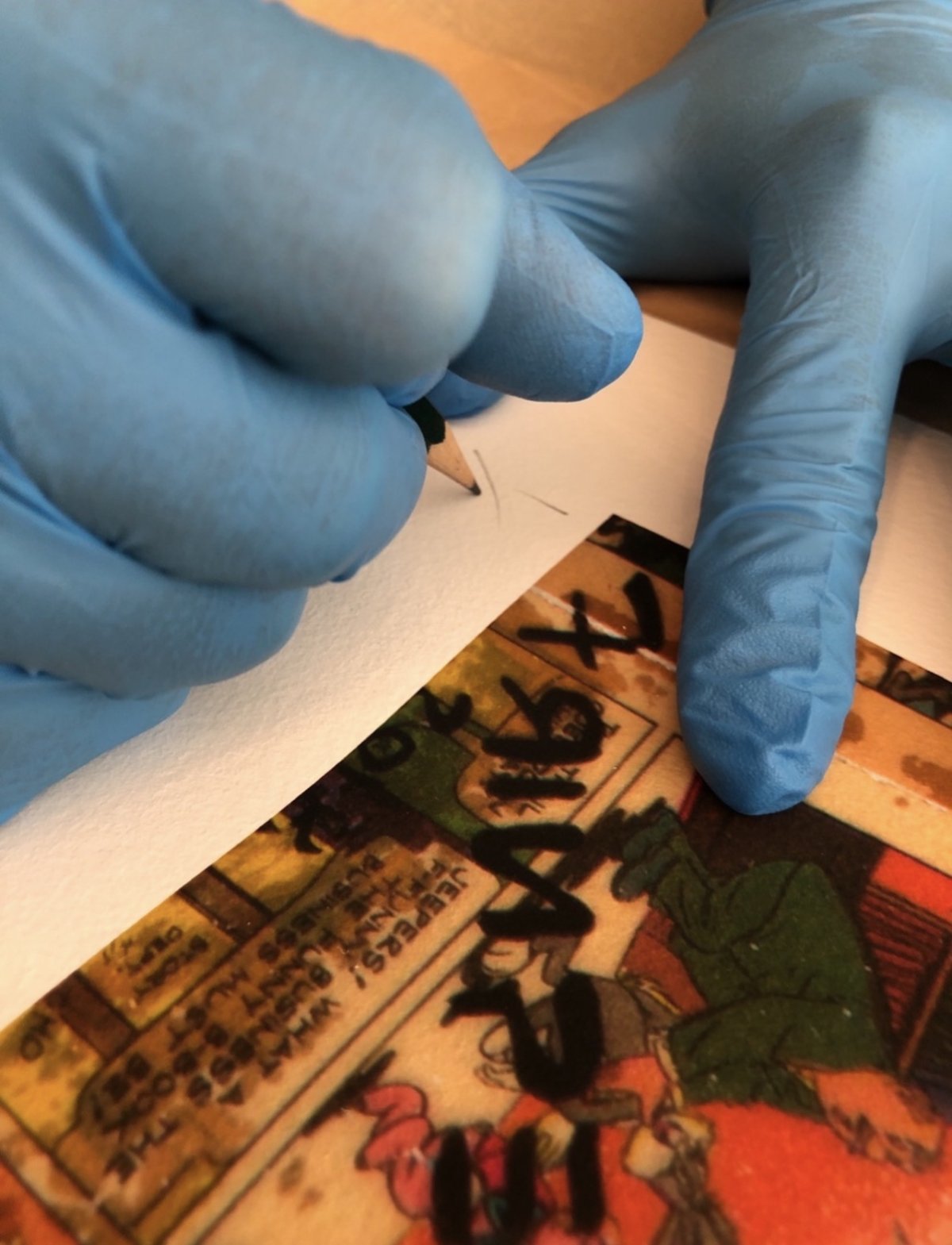
The margins of numbered edition art prints are not empty space. They are the stage for a final, intimate ritual between the creator and the object. When an artist applies their signature, it serves as the ultimate seal of authenticity, a personal handshake across time. Beside it, you'll find the numbering protocol, usually expressed as a fraction like 5/100. This isn't just an inventory code. It defines the print's origin and position within the finite set. Understanding what is an edition helps a collector appreciate that each number represents a unique moment in the press's life.
Beyond the ink and pencil marks, the physical substance of the work matters. The choice of heavy, acid-free paper and archival pigments ensures the art survives the decades without losing its soul. A Certificate of Authenticity (COA) acts as the indispensable pedigree for any serious collection, documenting these technical standards and the work's provenance. It's the paper trail for the heart's investment. To begin your own journey into these curated narratives, you might explore the characters and stories currently emerging from our studio.
Beyond the Main Edition: APs and PPs
Collectors often look past the main run toward more elusive markings that signify a deeper connection to the production process.
- Artist Proofs (AP): These are exclusive prints traditionally reserved for the artist’s personal archive or close circle.
- Printer’s Proofs (PP): These serve as a quiet tribute to the technical craft of the master printer, acknowledging the collaborative alchemy required to bring a vision to life.
The Value of the Proof
There is a romantic pull toward proofs. Many believe they represent a closer proximity to the artist’s initial vision, captured before the full run began. An Artist Proof differs from the main edition primarily because it exists in a much smaller quantity, often limited to just ten percent of the total edition size. This scarcity creates a layer of exclusivity that many seasoned collectors find irresistible. It's a way to own a piece of the process, not just the result.

The Collector’s Craft: Evaluating Quality and Provenance
True collecting is an exercise in discernment. When you hold numbered edition art prints, you're interacting with a physical legacy that requires more than just a passing glance at the image. The foundation of any investment-grade print is its archival standard. Standard paper eventually succumbs to time, becoming yellow and brittle; however, acid-free, museum-quality stock remains unchanged for generations. As Tate explains the 'limited edition', the integrity of the material is what transforms a simple multiple into a lasting asset. Provenance is the other half of this equation. Buying directly from an artist-owned studio ensures the thread of authenticity remains unbroken from the first drop of ink to your gallery wall.
There is a growing movement that blurs the lines between reproduction and original: Hybrid Art on Paper. This is where the precision of printmaking meets the raw, tactile energy of hand-applied oil or mixed media. These pieces aren't just identical multiples. Each one carries a unique fingerprint of the artist's hand, making the "rarity of the multiple" even more profound. It's an intersection that offers the accessibility of a print with the singular soul of a painting. You can view our latest hybrid editions to see this alchemy in practice.
The Soul of the Paper
The texture of the paper does more than hold ink; it influences how we feel about the characters inhabiting the frame. For character-based art, the weight and grain can add a sense of vulnerability or strength to the narrative. While giclée methods offer stunning precision, the choice of substrate is what provides the emotional anchor. You can dive deeper into this in our exploration of The Role of Paper in Contemporary Pop Art.
Preserving the Ephemeral
Owning art is a responsibility of preservation. To prevent UV damage and aging, professional framing with museum-grade glass is essential. It’s a simple step that protects the longevity of your numbered edition art prints. For more practical advice on maintaining your collection, consult The Collector’s Guide to Signed Limited Edition Prints.
Curating the Future: Why Editions Define Modern Collections
Collecting is an act of self-discovery. It isn't merely about filling walls; it's about defining the space you inhabit with the stories you choose to tell. For many, numbered edition art prints serve as the perfect vessel for this journey. They offer a rare bridge between the exclusive world of fine art and the shared experiences of contemporary culture. By following a consistent narrative thread through characters like Mylo and Nova, a collector can build a world that feels both expansive and deeply personal. These figures aren't just images. They are companions in a shared philosophical journey.
The accessibility of the multiple allows a new generation of collectors to enter the high-art market with confidence. You don't need a singular, untouchable canvas to begin a meaningful collection. A well-chosen print, rooted in archival integrity and artistic vision, becomes a timeless fixture in a sophisticated home. It’s a way to participate in the "Original Multiple" concept, but with a focus on the future. To understand the deeper connection between the physical and the narrative, you might explore our thoughts on The Rarity of the Tangible: Collecting Original Character Art on Paper.
Investing in Storytelling
Character-based art toys and prints represent a unique intersection. They occupy the space where pop culture’s energy meets fine art’s contemplative depth. This is where the emotional ROI becomes clear. You aren't just investing in paper and ink. You're investing in art that reflects the complexities of the human condition. It's about the struggles, the connections, and the quiet moments of reflection that define us all.
Starting Your Journey with Fringe
When you choose your first numbered edition art prints, ignore the noise of trends. Look for emotional resonance instead. Does the character’s gaze reflect a part of your own story? Does the texture of the hybrid paper invite you to slow down? At Fringe, we believe that art should be felt before it is understood. A collection is not just a set of objects. It is a map of the collector’s soul.
Defining Your Artistic Legacy
The decision to collect is a decision to curate the story of your own life. We have explored how numbered edition art prints represent a unique intersection of accessibility and integrity, acting as the primary language of the artist rather than a secondary echo. By understanding the margins, the paper, and the protocol, you transition from a casual observer to a discerning custodian of culture. You now possess the tools to distinguish between a transient image and a lasting investment.
Every print we produce is a physical manifestation of the Fringe narrative, crafted to museum-quality archival standards to ensure it outlasts the trends of the day. Because we operate as an artist-owned studio, you are guaranteed direct provenance with every acquisition, ensuring the connection between creator and collector remains unbroken. It's time to move beyond the mass-produced and embrace the quiet power of the limited run. We invite you to explore the limited edition prints of the Fringe universe and find the piece that resonates with your own journey. A collection, after all, is the most enduring map of the collector's soul.
Answers for the Discerning Collector
What does the numbering on an art print actually mean?
The fraction found on the margin indicates the individual print's place within a finite set. The top number is the unique identifier for that specific sheet, while the bottom number represents the total quantity the artist has committed to producing. Once that limit is reached, the artist destroys the plate or closes the digital file, ensuring the work remains a rare and protected multiple.
Are numbered edition art prints a good investment for new collectors?
Editions are an excellent entry point because they offer a high level of artistic integrity at a more accessible price point than original canvases. Because these works are produced in strictly limited quantities, they often retain or increase in value as the artist's career progresses and the supply remains fixed. It's a way to build a serious collection that carries both emotional weight and potential market resilience.
What is the difference between an Artist Proof (AP) and the main edition?
An Artist Proof is a print pulled outside the main numbered run, traditionally intended for the artist's personal use or archive. While the image is identical to the main edition, the "AP" designation often makes these pieces more desirable to collectors due to their extreme scarcity. They represent a smaller fraction of the total production, usually capped at ten percent of the main edition's size.
How can I tell if a limited edition print is authentic?
Verification relies on the presence of a hand-signed signature and a matching Certificate of Authenticity (COA) issued by the artist or studio. You should look for museum-quality archival standards in the paper and ink, which are physical hallmarks of a professional production. Buying numbered edition art prints directly from an artist-owned studio provides the most secure chain of provenance, ensuring the work is a genuine manifestation of the creator's vision.
Does the number of the print affect its value?
In most modern editions, the specific number in the sequence does not change the financial value of the work. While some collectors have a romantic preference for the first print or the final one, the quality remains consistent across the entire run. The true value lies in the total edition size and the artist's signature rather than the specific digit assigned to your individual piece.

Article by
Fringe

Read more
The Texture of Thought: Why Original Character Oil Paintings Define Modern Collections
If a digital image can be replicated a billion times with a single click, where does the soul of the artist actually live? In an era defined by the flickering glow of screens and the clinical perfe...
Read more
Pop Art Screen Prints for Sale: A Connoisseur’s Guide to Contemporary Serigraphs
A digital print is often a ghost of a memory, but a true serigraph is a physical conversation between heavy ink and textured paper. When you search for pop art screen prints for sale, it's easy to ...
Read more
Leave a comment
This site is protected by hCaptcha and the hCaptcha Privacy Policy and Terms of Service apply.