
The Collector’s Guide to Signed Limited Edition Prints (2026)
A signed limited edition print is not a reproduction of art; it is a primary medium where the artist’s narrative is meticulously distributed among a chosen few. You may have felt the quiet sting of doubt when looking at a potential acquisition, wondering if you are holding a piece of history or merely a glorified photocopy. It is natural to seek a connection that feels personal and soulful rather than corporate, yet the technical fog of numbering and terminology often obscures the view. When you invest in signed limited edition prints, you aren't just buying an image. You are securing a fragment of a larger story, a physical vessel for a character’s heartbeat.
We understand the weight of that decision. This guide is designed to move you from hesitation to confidence, teaching you to evaluate the soul behind character-based art and the physical integrity of the medium. You will learn to identify high-value pieces and decode the nuances of A/Ps and P/Ps without losing sight of the artistic vision. By the end, you will possess the clarity needed to build a collection that reflects your own journey, ensuring every piece you own remains as authentic as the impulse that first led you to it.
Key Takeaways
- Learn to distinguish "original multiples" from mass reproductions by understanding how scarcity creates a shared emotional experience between creator and collector.
- Master the nuances of the artist's signature and numbering to ensure your signed limited edition prints serve as a verifiable contract of trust and long-term value.
- Discover how the tactile allure of archival paper and the unique textures of hybrids on paper elevate a piece from a simple image to a physical narrative.
- Understand the strategic and emotional advantages of acquiring directly from the studio to build a collection with undisputed provenance and narrative depth.
The Anatomy of an Edition: Beyond the Surface of the Print
A common mistake in the art world is viewing a print as a secondary artifact. It is often dismissed as a mere echo of a painting. In reality, signed limited edition prints represent a distinct medium of their own. They are what scholars call "original multiples." This term describes a work that was conceived from its inception to exist in a series. It isn't a photocopy of a finished oil painting. It is a deliberate act of creation where the artist chooses to distribute their vision across a finite number of sheets. To understand the technical structure of these series, one should study the Anatomy of an Edition, which defines the boundaries of scarcity and provenance.
Reproduction vs. Original Multiple
An original multiple is a work specifically designed for the print medium, where the artist treats the press and the plate as tools of primary expression. The choice of paper is as vital as the ink itself. A heavy archival sheet doesn't just hold color. It provides a tactile landscape that changes how light hits the surface. You can explore this further in our discussion on The Weight of the Ephemeral: The Role of Paper in Contemporary Pop Art (2026). When the paper has weight, the art has gravity.
The Soul of the Character on Paper
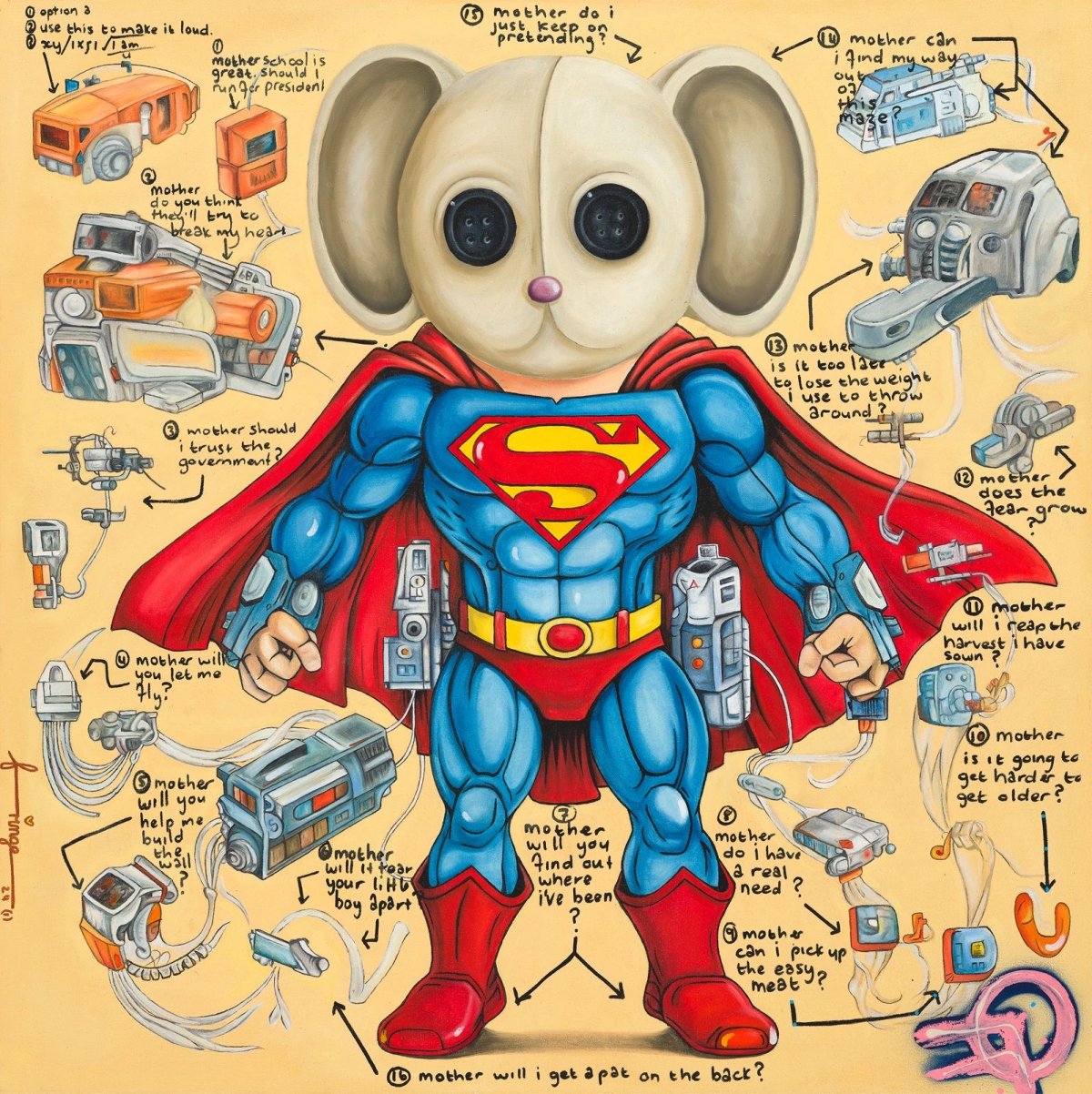
When characters like Mylo or Nova transition from a large-scale canvas to a limited run on paper, they don't lose their pulse. In many ways, the smaller format preserves a specific kind of vulnerability. It feels like a page from a private sketchbook. These signed limited edition prints bridge the gap between the elite gallery world and the intimate home collection. It is a paradox of modern art. We make the work accessible, yet we maintain its avant-garde spirit through strict scarcity. The artist oversees every sheet, ensuring the narrative weight remains intact from the first pull to the last. This shared experience creates a silent bond between every collector who holds a piece of the same story.
Decoding the Artist’s Signature and Numbering
A signature on signed limited edition prints is far more than a mark of identification. It is a contract of trust. When an artist takes a pencil to a finished pull, they are affirming that the piece meets their exacting standard of narrative weight. This physical act creates a connection that a digital stamp cannot replicate. It is the final, intimate touch before the work leaves the studio and enters the world. It signals that the artist has looked at this specific sheet and found it worthy of their name.
The numbering sequence, such as 1/50, often sparks debate among new collectors. While the first print in a series is technically identical to the last, the sequence represents a closed loop of shared experience. It guarantees that the scarcity is real and the artist's vision remains undiluted. For those interested in the deeper philosophy behind these creations, the Fringe the Artist page offers a window into the ethos that guides every stroke and signature.
The Hierarchy of Edition Marks
Beyond the standard numbers, you may encounter marks like A/P (Artist’s Proof), P/P (Printer’s Proof), or H/C (Hors Commerce). These are traditionally "outside the edition." An A/P is often the most coveted because it represents the artist's personal stash, used to verify color and texture before the main run begins. These pieces offer a raw, unfiltered connection to the studio process. They are the artifacts of the struggle to get the image exactly right. A P/P belongs to the master printer, while H/C pieces were historically used as gallery samples.
Authentication and Provenance
Acquiring art requires due diligence. Understanding The Collector’s Intent and the legal protections surrounding edition disclosures is essential for long-term security. Buying directly from the source ensures a clear, unbroken line of ownership. This provenance is the only way to guarantee that your signed limited edition prints hold their narrative and physical integrity over time. If you are ready to begin your journey, you might explore the current studio releases to find a piece that resonates with your own story.

Evaluating the Medium: From Hybrids to Archival Textures
The surface of a print is where the artist's vision finally meets the physical world. For many, pop art suggests a certain slickness, a digital coldness that can feel detached and corporate. However, high-value signed limited edition prints rely on a tactile sincerity that only heavy-weight archival paper can provide. When you touch a sheet of premium cotton rag, you aren't just feeling paper. You're feeling the resistance, the tooth, and the history of the medium. This texture defines the vulnerability of characters like Mylo, Nova, and Gutinke, giving them a home that feels permanent rather than fleeting. It is this "narrative weight" that distinguishes a soulful acquisition from a commercial reproduction.
The Complexity of Hybrid Art
Hybrid art on paper represents a significant evolution in the collector's landscape. These pieces bridge the gap between the raw, singular energy of our Oil on Canvas collection and the precision of modern printing. A hybrid is not a static image; it is a convergence of traditional ink and modern intervention. By layering different mediums, the artist ensures that the narrative pulse of the original painting survives the transition to paper. This process creates a depth you can see from across the room, offering a level of detail and physical presence that standard prints simply cannot match.
Longevity and Material Integrity
Collectors often worry about the ephemeral nature of paper. This is why the focus must remain on acid-free, cotton-rag materials that preserve the "timeless" quality of the work. These aren't just technical choices. They are a commitment to the soul of the object. A piece that carries narrative sincerity must also carry the promise of time. While trends in the art market may shift like sand, the physical integrity of a well-crafted print remains steady. It’s an investment in a shared philosophical journey that won't yellow or fade. If you wish to see how these materials transform a story, you can view the latest hybrids on paper in our current studio collection.
The Collector’s Intent: Acquiring Directly from the Studio
The decision to acquire art is rarely just about the image. It is about the intent. For the contemporary collector, the traditional gallery often feels like a barrier; it is a cold space that separates the creator from the observer. Acquiring signed limited edition prints directly from the studio removes this veil. It transforms a commercial transaction into a shared philosophical journey. You aren't just buying a piece of paper. You are participating in the artist's ongoing narrative. This intimacy ensures that the soul of the work remains intact, as the provenance comes straight from the source of inspiration.
By choosing a studio-direct path, the collector adopts the role of an empathetic observer. You become a companion to the artist’s struggle and triumph. This connection adds a layer of narrative weight that a third-party retailer simply cannot provide. It is the difference between owning a product and holding a piece of a legacy.
Building a Cohesive Narrative
A collection shouldn't be a random assortment of objects. It should be a curated dialogue. By following characters like Mylo and Nova across different formats, you create a character-driven space that feels alive. You can pair your signed limited edition prints with collectible designer toys to add a three-dimensional pulse to your walls. This interplay between the tactile nature of paper and the physical presence of a sculpture allows the story to unfold in layers. It reflects a collector who values depth over trends, finding beauty in the consistent evolution of a character's heart.
A Powerful Closing Thought
In the end, art serves as a vital bridge between the avant-garde and the everyday, translating complex human struggles into a language we can all hold. Owning a piece of a limited story is an act of quiet rebellion against the mass-produced and the soulless. It is a commitment to the enduring resonance of a specific vision. We invite you to stay connected with our process by exploring the latest news and studio updates as we continue to explore the intersection of art and emotion.
The Living Legacy of the Edition
Collecting is an evolution of the self. By understanding the technical hierarchy of edition marks and the tactile necessity of archival paper, you move beyond the role of a consumer. You become a guardian of the artist's intent. We've seen how direct provenance from an independent studio ensures that the narrative pulse of characters like Mylo and Nova remains undiluted. These are not merely decorations; they're vessels of artistic sincerity designed for timelessness. Acquiring signed limited edition prints is an act of stewardship over a shared story, securing a piece of history that carries the weight of the creator's hand.
The journey of a collector is deeply personal. It's a search for objects that resonate with the complexities of the heart. When you choose a piece that aligns with your own narrative, you bridge the gap between the studio and your home. We invite you to Explore the Limited Edition Print Collection at Fringe to discover works that offer both physical integrity and emotional depth. Your collection is a living reflection of your perspective. May it continue to grow with the same curiosity and wonder that first led you to the art.
Common Inquiries for the Discerning Collector
What is the difference between an art print and a limited edition print?
An art print is often an open-ended reproduction, whereas a limited edition print is restricted to a specific number of pulls. Once the edition is closed, no more are ever created. This scarcity transforms the work from a decorative object into a collectible asset. It ensures the artist's vision remains concentrated within a finite circle of owners, preserving both the narrative weight and the long-term value of the series.
Does the number of the print (e.g., 1/100 vs. 99/100) affect its value?
The specific number in a sequence does not typically impact the financial value of the work. Every piece in a modern edition is produced to the same exacting standard. While some collectors harbor a personal preference for the first pull or a number with sentimental meaning, the market treats the entire run as a single, cohesive asset class. The integrity of the image is consistent from the first sheet to the last.
What are Artist’s Proofs and are they more valuable than the main edition?
Artist’s Proofs, or A/Ps, are a small subset of prints produced outside the main edition for the creator's personal use. Historically, these were used to check color and detail before the full run began. Because they are fewer in number and carry a more intimate connection to the studio process, they often command a higher premium. Owning an A/P is like holding a private draft of the story, offering a rare glimpse into the artist's final refinements.
How should I store and display my signed limited edition prints to prevent fading?
To protect your signed limited edition prints, you should use museum-quality UV-protective glass and acid-free mounting materials. Avoid hanging your art in direct sunlight or areas with high humidity. These environmental factors can cause paper fibers to break down or ink to fade over time. Proper framing acts as a silent guardian, ensuring the piece maintains its physical integrity and narrative soul for future generations.
Why is buying directly from an artist’s studio better than a third-party gallery?
Buying directly from a studio ensures undisputed provenance and a deeper connection to the artist's philosophical journey. Galleries often act as intermediaries, adding layers of cost and distance between the creator and the collector. Studio-direct acquisitions offer the sincerity of a shared story. You are securing a piece with a verifiable history, free from the markups and detached atmosphere that can often accompany third-party gallery transactions.

Article by
Fringe

Read more

How to Display a Contemporary Art Collection with Narrative Intent
What if your living space was less a container for objects and more a rhythmic dialogue between your past and your present? Most collectors eventually face the same quiet anxiety. They worry that t...
Read more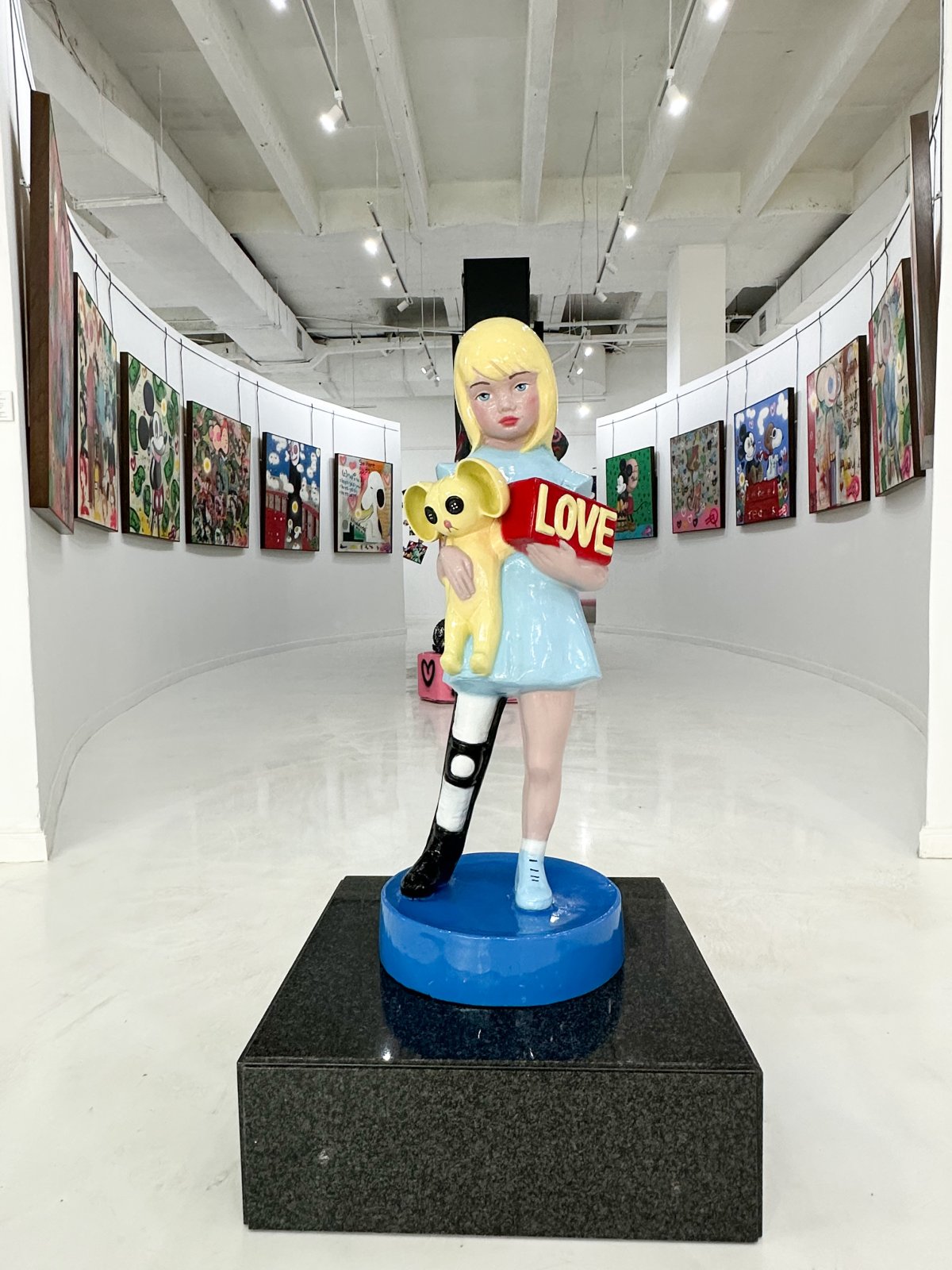
Investing in the Infinite: A Collector’s Guide to Pop Art Sculpture for Sale
What if the most profound conversation in your home is started by a silent, high-polished figure standing in the corner of the room? In an era where digital assets often feel fleeting, there is a g...
Read more
Leave a comment
This site is protected by hCaptcha and the hCaptcha Privacy Policy and Terms of Service apply.