
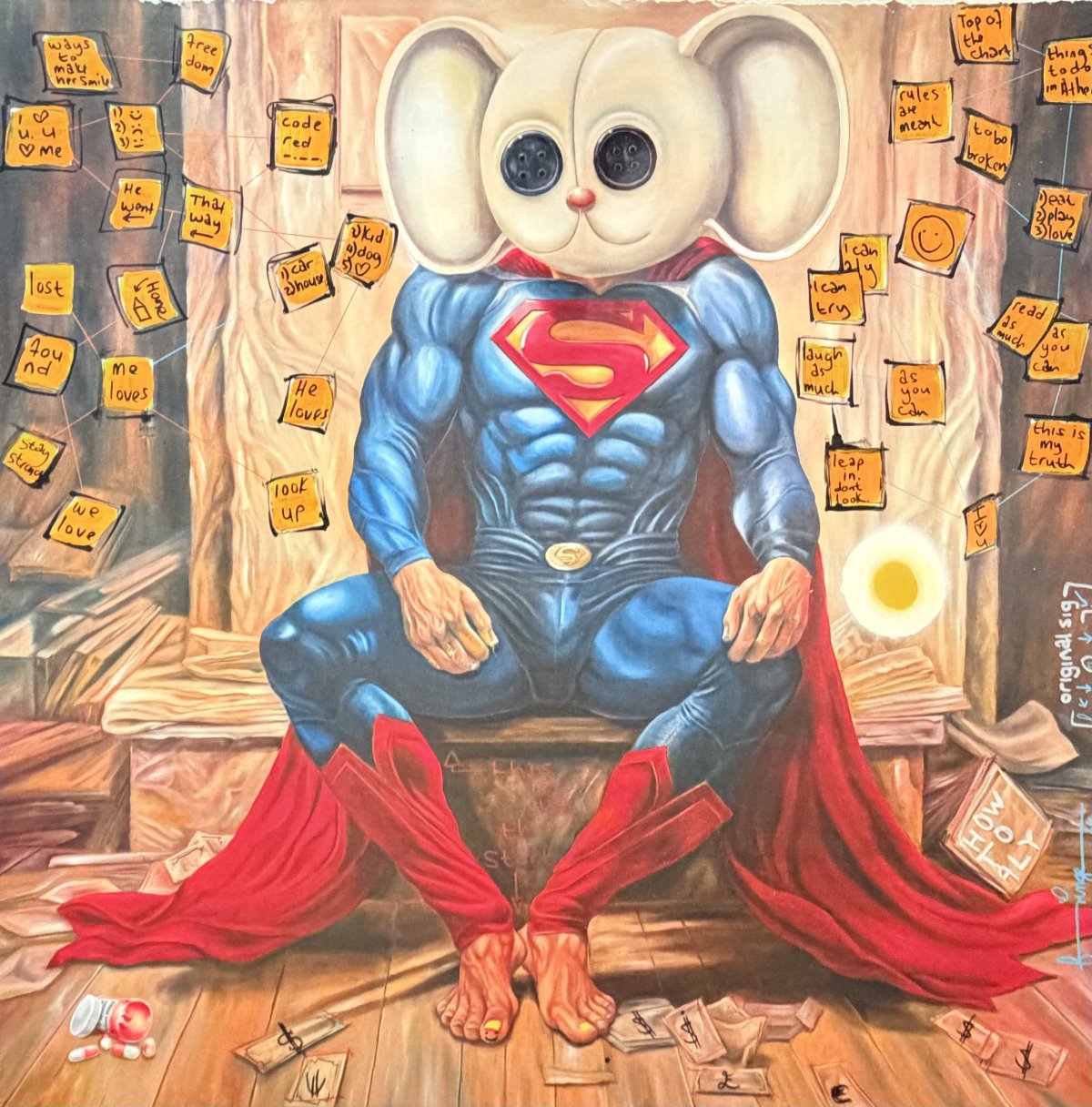
The Rarity of the Tangible: A Guide to Collecting Original Character Art on Paper
A digital file can be duplicated a million times without losing a single pixel, yet it often fails to hold a single ounce of weight in the human heart. In an era where our screens are saturated with fleeting images, the act of collecting original character art on paper has become a quiet rebellion against the ephemeral. You likely feel the fatigue of the intangible. It is that nagging sense that while digital art is convenient, it lacks the tactile soul of a piece you can actually touch. It's natural to feel overwhelmed by the sheer volume of content online, or to worry that paper is too delicate for a modern collection.
This guide will help you discover how physical character art bridges the gap between the wonder of childhood and the sophistication of contemporary collecting. We will explore the unique appeal of hybrid art and learn how to evaluate the narrative depth of a character piece. By the end, you will have a clear framework for building a sophisticated collection that values authenticity over passing trends. It is time to move beyond the glow of the screen and find resonance in the grain of the page.
Key Takeaways
- Understand why the tactile weight of paper fosters a deeper emotional resonance than the ephemeral glow of a screen.
- Identify the technical complexity of hybrid art, where mixed media layers transform a flat surface into a portal of depth.
- Learn to evaluate character art through the lens of narrative depth, seeking out a "human pulse" rather than just a pretty image.
- Establish a sophisticated framework for collecting original character art on paper that prioritizes timelessness over passing digital trends.
- Gain insights into curating a cohesive collection by pairing your paper works with traditional mediums like oil on canvas or bronze sculptures.
The Return to the Physical: Why Paper Matters in a Digital World
In a world obsessed with the infinite, the finite becomes a luxury. We often treat paper as a transient stage; a mere precursor to something "finished" or digital. However, for those dedicated to collecting original character art on paper, the medium is the final destination. It isn't a draft. It's a definitive statement of presence. When you hold a physical piece, you encounter a psychological weight that a screen cannot replicate. The grain of the paper and the slight indentation of the pencil represent a moment in time that cannot be "undone." This singular nature of the stroke stands in stark contrast to the infinite reproducibility of pixels.
The Intimacy of the Stroke
There's a specific vulnerability in the artist's hand when it meets a physical surface. On paper, every tremor and triumph is recorded. You aren't just looking at an image. You're observing a performance. Historically, Concept art was viewed as a functional byproduct of the entertainment industry. Today, we recognize it as a primary medium that captures the raw pulse of creativity. The sensory experience of a physical work involves more than just sight. It's the way the texture catches the light and the subtle scent of the medium. It has a soul.
From Fandom to Fine Art
Collecting original character art on paper requires a shift in perspective. We must move beyond the idea of "fan art" or mass-market merchandise. High-quality narrative pop art uses the figure as a vessel for universal human experiences. Characters like Mylo or Nova, featured in the work of Fringe, aren't just drawings. They are mirrors. This narrative weight is what elevates a piece from a simple sketch to a sophisticated part of a contemporary collection. It bridges the gap between our childhood wonder and our adult appreciation for fine craftsmanship.
Defining Hybrid Art on Paper: The Intersection of Mediums
Hybrid art on paper is more than a technical category; it is a sophisticated evolution of the traditional sketch where the boundaries between graphite, ink, and modern overlays dissolve to create something entirely new. It represents a deliberate dialogue between the artist's initial, raw impulse and a refined, finished vision. When you are collecting original character art on paper, you aren't just buying a drawing. You are acquiring a physical record of thought layered upon thought. This technical complexity allows for a 3D-like depth on a 2D surface. The shadows of a pencil stroke might sit beneath a bold, modern ink line, creating a visual tension that demands closer inspection. It is a bridge between the classic craftsmanship of the past and the bold pop aesthetics of the future.
The Texture of Thought
Hybrid art on paper serves as a complex synthesis of mediums that captures a multifaceted narrative impossible to achieve through a single tool alone. By physical layering, the artist imbues the character with "narrative weight," making the figure feel as though it has lived a life before the viewer arrived. This depth isn't just visual. It is emotional.
Archival Integrity for the Modern Collector
A collection's value is inextricably linked to its survival. The choice of paper, its weight, and its acidity determine whether a piece is a fleeting moment or a lasting legacy. Discerning collectors look for museum-grade, acid-free materials that resist the yellowing of time. As noted in the collecting guide for works on paper, the physical condition and material quality are paramount to long-term valuation. For a deeper exploration of this relationship, you can read The Weight of the Ephemeral: The Role of Paper in Contemporary Pop Art.
If you seek a piece that balances this technical depth with a profound human pulse, you might find resonance in the Hybrids on Paper currently available. Every stroke is an invitation to look deeper into the character's soul.
The Collector’s Eye: Evaluating Narrative and Authenticity
Evaluation in art is often reduced to a simple binary: you either like a piece or you don't. While personal resonance is the starting point, collecting original character art on paper at a sophisticated level requires a deeper framework. You must look for the "human pulse" within the work. A character should not merely exist as a static figure; it should possess a cohesive backstory that radiates through its physical form. This narrative weight is what separates a decorative sketch from a piece of contemporary fine art. When a character feels as though it has a life outside the borders of the page, it gains a timeless quality that transcends passing trends.
Authenticity is the bedrock of any serious collection. The artist’s signature style acts as a fingerprint, a unique visual language that cannot be replicated by others. Ensuring this history is unbroken is vital. Buying directly from a studio like Fringe provides the necessary provenance that secures the piece’s place in art history. As you acquire more works, you begin to see a "narrative arc" emerge. Individual pieces on paper, when displayed together, begin to converse. They tell a larger, more complex story about the human condition, struggle, and connection.
Character as Storyteller
Characters like Mylo or Nova are designed to act as mirrors. They reflect the collector’s own internal journey through subtle emotional cues. When evaluating a piece, pay close attention to the posture, the direction of the gaze, and the vulnerability of the line work. These details are the vocabulary of the character’s soul. A slight tilt of the head or a heavy, textured shadow can communicate more than a thousand words of dialogue ever could.
The Value of the Signed Edition
It's important to understand the hierarchy of rarity within a collection. While one-of-a-kind hybrids offer the ultimate level of exclusivity, limited edition prints provide a gateway to high-quality narrative art. Each has its place in a balanced portfolio. For those looking to expand their knowledge on these distinctions, you may consult The Collector’s Guide to Signed Limited Edition Prints.
If you are ready to find a character that speaks to your own narrative, you can explore the latest original works and begin your journey as a steward of these tangible stories.

Building a Legacy: Curating Your Contemporary Collection
Curation is the quiet moment when an assembly of objects becomes a mirror of the self. While collecting original character art on paper often begins with a single spark of recognition, its true power lies in how these pieces inhabit your space over time. A curated collection is a philosophical journey. It isn't static. It is a living dialogue between different forms of expression and your own evolving perspective. These works on paper don't just occupy wall space; they anchor the room with a sense of history and intention.
A sophisticated collection thrives on contrast. Paper works possess an airy intimacy that provides a necessary counterpoint to the dense, physical weight of oil on canvas or the stoic permanence of bronze sculptures. They offer a window into the artist's initial breath. This interplay of textures creates a sophisticated environment where the narrative isn't just seen; it's felt. As pop culture evolves, these characters remain relevant because they are built on universal truths rather than passing aesthetics. They are timeless because they are human.
The Art of Display
Protection is the first step toward legacy. Framing should be a silent partner to the art, using museum-grade, UV-protective glazing to shield the delicate fibers of the paper. Lighting is equally vital. Use soft, angled beams to accentuate the subtle undulations of the page and the varied depths of the hybrid media. Proper display transforms a piece from an object into an experience.
Investing in the Independent Voice
There is a profound intimacy in buying directly from independent artist-owned brands. It removes the sterile distance of the traditional gallery and allows for a more grounded connection to the work. You become an active participant in the character’s origin story. To deepen your connection to these narratives, you are invited to explore the Fringe blog for a more immersive look into character lore and artistic process.
You are more than a collector. You are a guardian of a narrative. By choosing to prioritize collecting original character art on paper, you ensure that the raw, vulnerable pulse of the artist’s hand continues to beat for generations to come. The rarity of the tangible is not just in the object itself, but in the enduring story you choose to protect.
The Stewardship of the Tangible Story
Choosing to live with physical art is an act of quiet intentionality. We have explored how the texture of paper captures the vulnerability of the artist's hand and how hybrid techniques create a technical depth that pixels simply cannot mirror. By focusing on characters with a deep narrative pulse and prioritizing archival integrity, you aren't just buying an image. You are preserving a fragment of a larger human story. The journey of collecting original character art on paper is ultimately about stewardship; it is the transition from observer to guardian of a character's legacy.
Every piece in your collection should feel like a shared philosophical journey. When you acquire direct from the studio, you ensure the authenticity and lore of characters like Mylo and Nova remain unbroken. These works are crafted on museum-grade materials to ensure they endure as long as the stories they represent. It's time to find the piece that resonates with your own internal landscape.
Explore the Soul of the Object: Browse the Fringe Hybrid Paper Collection
Your collection is a testament to the things that last. May your search for the tangible lead you to a deeper connection with the art that truly matters.
Frequently Asked Questions
What is the difference between character art and fan art?
Character art is the genesis of an original narrative; fan art is a tribute to a story that already exists. When you are collecting original character art on paper, you are acquiring the primary source material of a new mythology. Fan art relies on the recognition of established icons. Original character art, like that of Mylo or Nova, requires the viewer to engage with a fresh, vulnerable soul from its inception.
How do I ensure my original art on paper doesn’t fade over time?
Preservation begins with the choice of archival, acid-free paper and ends with the environment in which it is kept. You should always use UV-protective glazing and museum-grade matting to create a barrier against light and atmospheric pollutants. Don't hang your pieces in direct sunlight or areas with high humidity. These simple steps of stewardship ensure the pigment and paper grain remain as vibrant as the day they left the studio.
Is hybrid art on paper considered a "fine art" investment?
Yes, the art market in 2026 has seen a significant recalibration toward works that emphasize quality and narrative weight. As the global market stabilizes, auction sales for works under $5,000 grew by 7% in recent cycles. Collecting original character art on paper is no longer a niche pursuit; it is a sophisticated entry point for those who value the human pulse of physical creation. Hybrid art is increasingly recognized for its technical complexity and long-term valuation.
Why do artists use characters like Mylo or Nova instead of real people?
Characters act as universal vessels that allow the collector to project their own internal journey onto the work. A portrait of a real person is often bound by the specifics of an individual life. A character is a mirror. By using characters like Mylo or Nova, the artist translates abstract emotions into relatable human stories. They become archetypes that represent the complexities of the heart in a way that feels both timeless and intimate.
Can I display paper art alongside oil paintings and sculptures?
A sophisticated collection thrives on the rhythmic interplay between different textures and mediums. Paper works provide an airy, intimate contrast to the dense presence of oil on canvas or the permanence of bronze. This variation guides the viewer through a curated gallery walkthrough within your own home. It allows the raw, initial energy of the paper to balance the more formal weight of traditional fine art mediums.

Article by
Fringe

Read more
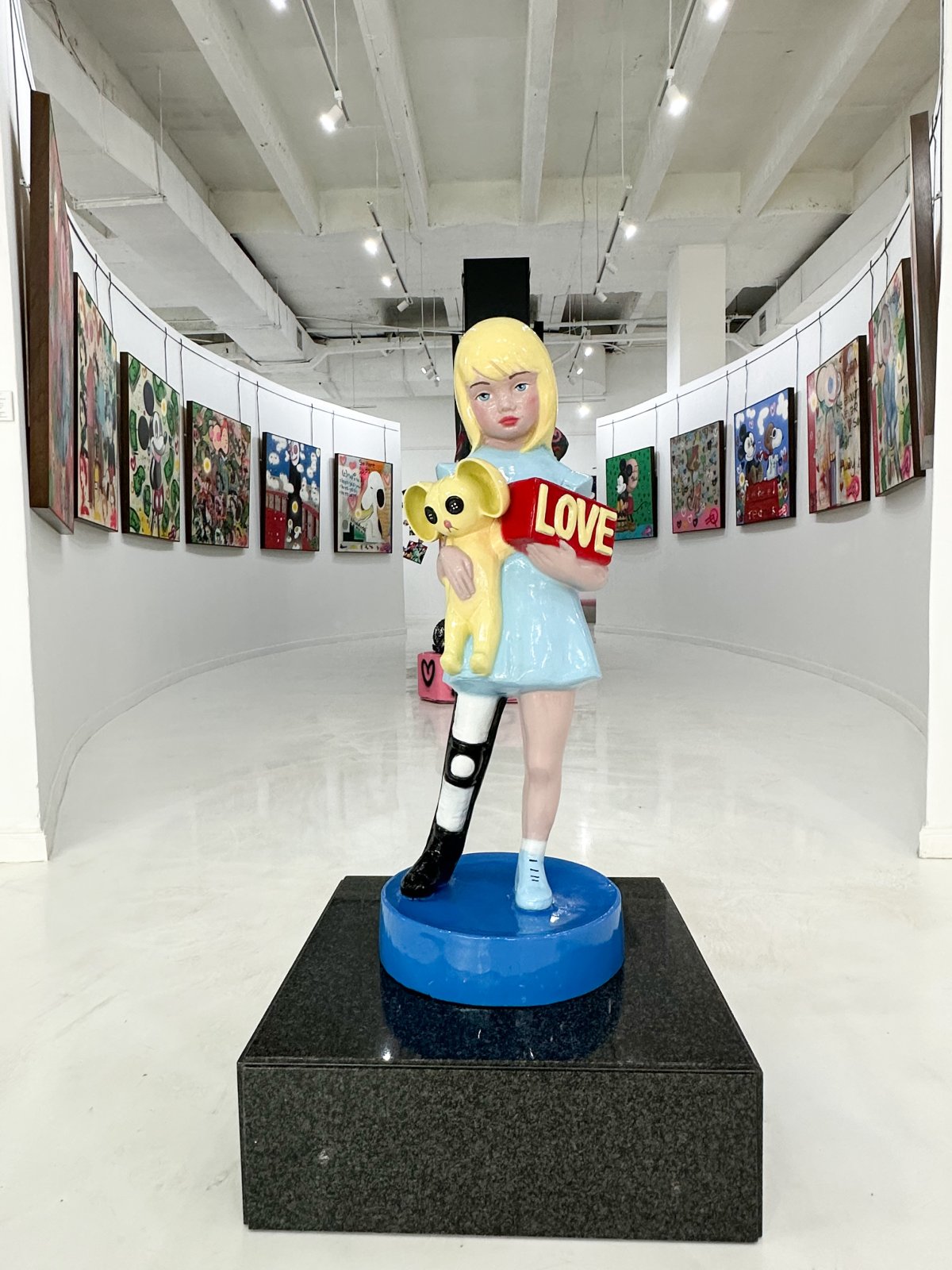
Investing in the Infinite: A Collector’s Guide to Pop Art Sculpture for Sale
What if the most profound conversation in your home is started by a silent, high-polished figure standing in the corner of the room? In an era where digital assets often feel fleeting, there is a g...
Read more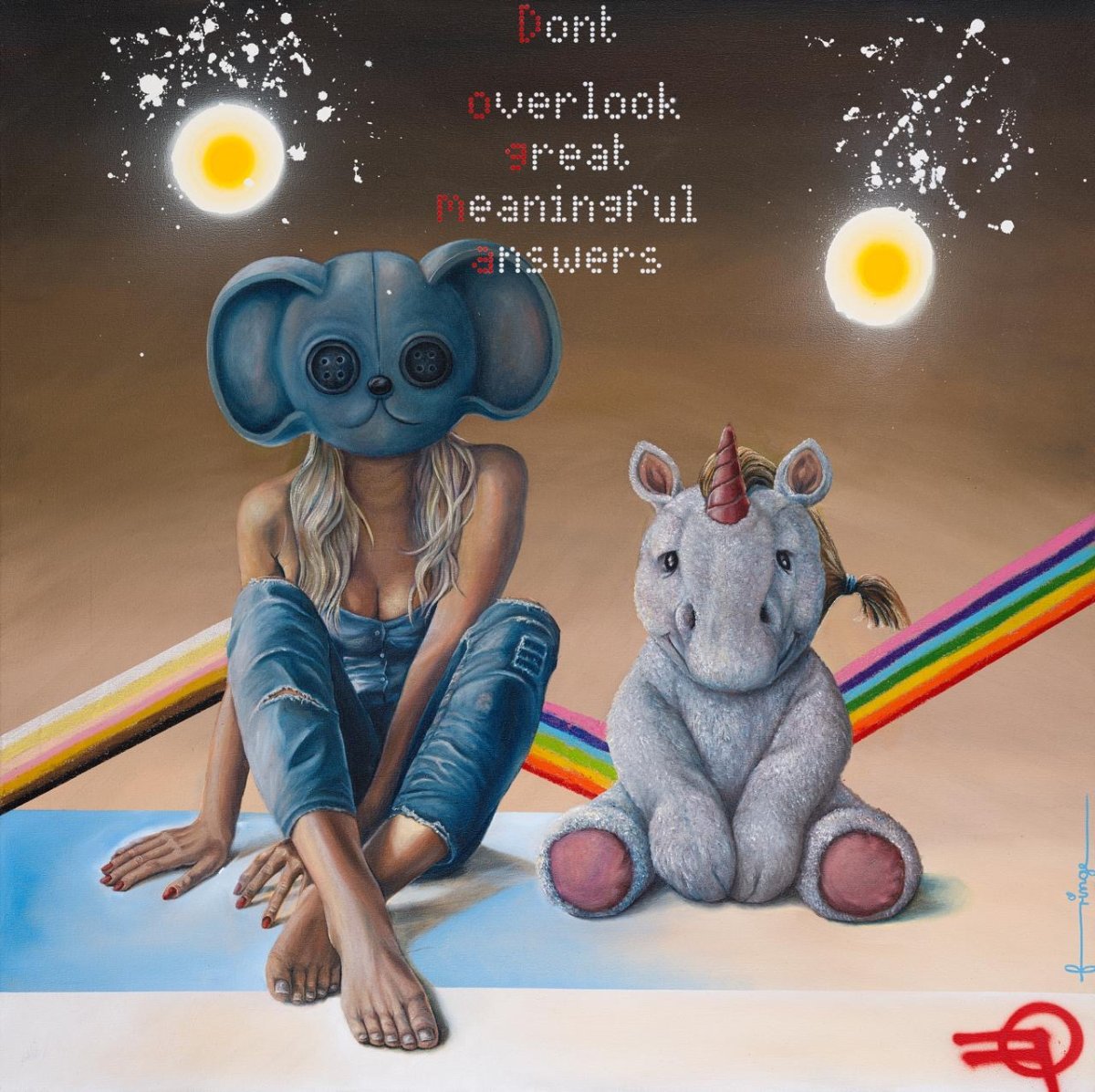
The Texture of Thought: Why Original Character Oil Paintings Define Modern Collections
If a digital image can be replicated a billion times with a single click, where does the soul of the artist actually live? In an era defined by the flickering glow of screens and the clinical perfe...
Read more
Leave a comment
This site is protected by hCaptcha and the hCaptcha Privacy Policy and Terms of Service apply.