
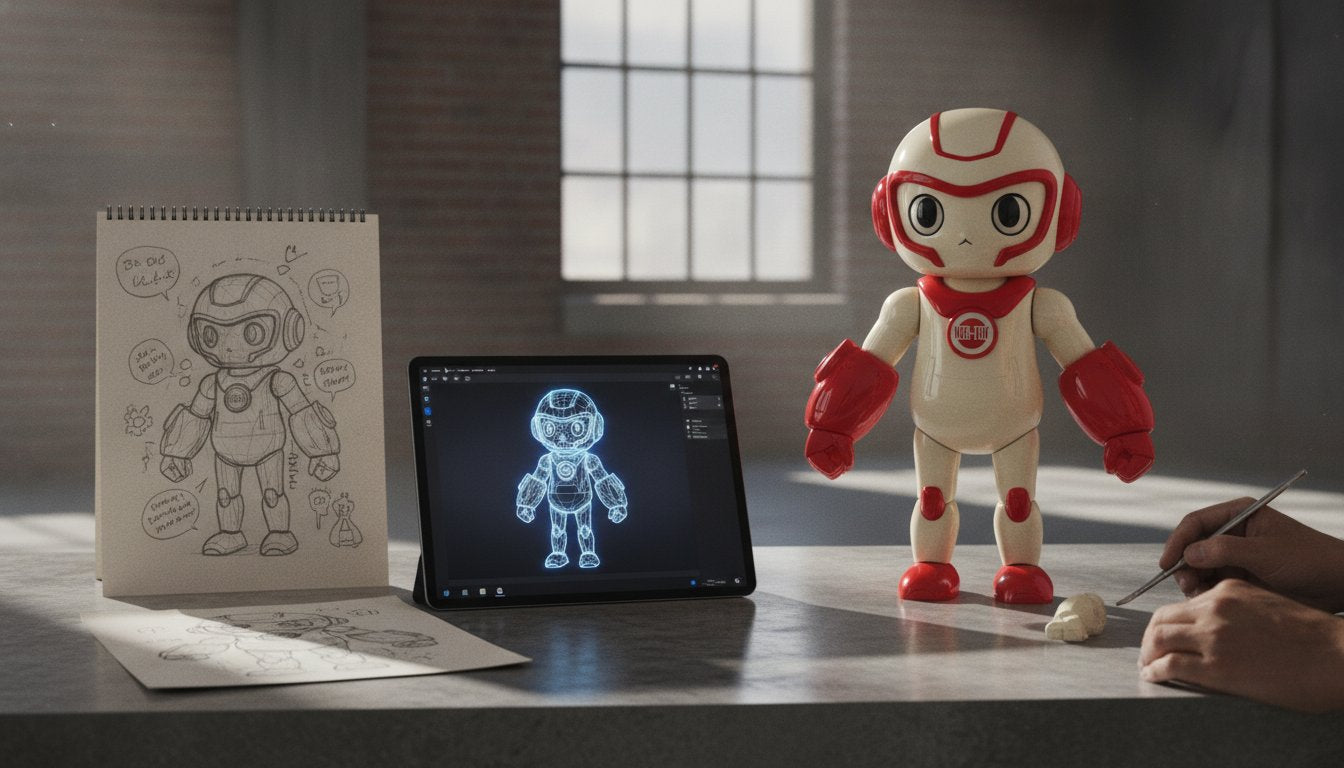
The Designer Toy Creation Process: From Narrative Sketch to Physical Form
Not everyone understands Mylo.
That is rather the point.
A high-end collectible is not a mass-produced plaything.
It is a weighted piece of narrative art existing between a two-dimensional sketch and a permanent sculpture.
The designer toy creation process is the methodical translation of a character concept into a physical form.
You already understand that the value of the work is determined by the technical precision of this transition.
This examination details the stages required to translate character concepts into art objects.
We analyze the transition from narrative sketches to sculptural volume.
The process involves the use of 3D modeling and physical prototyping.
Material execution in high-grade resin or cast bronze determines the permanence of the series.
Technical finishing and provenance cataloging are requirements for professional production.
Adherence to mandatory safety standards ensures the object meets regulatory thresholds.
The quality of the final work is a settled matter.
Key Takeaways
- Narrative foundations define the emotional register and internal state of characters like Mylo before physical production begins.
- Digital sculpting and clay maquettes provide the technical blueprint required to translate two-dimensional sketches into three-dimensional volume.
- The designer toy creation process involves the use of silicone negatives to cast limited edition resin or bronze sculptures from a master prototype.
- Material selection determines the physical permanence and detail of the object, separating art sculptures from mass-market vinyl.
- Production must account for 2026 regulatory standards, including the mandatory CPSC eFiling and ASTM F963-23 safety requirements.
The Conceptual Foundation: Narrative and Character Design
The designer toy creation process is not for those seeking a simple plaything. It is an act of translation from internal states to physical form. A physical piece without a narrative history is merely plastic. This process starts with the establishment of a soul before any material is selected. Initial drawings for characters like Mylo define the silhouette and proportions. These sketches are not decorative. They serve as the primary record of the subject's emotional register. The character's posture must convey its history. The designer toy creation process demands this level of intentionality.
Defining the Narrative Weight
A character is a vessel for a specific human truth. The distinction between mass production and high-end collectibles lies in this conceptual depth. Art dolls as fine art demonstrate that the value of the work is inseparable from its narrative. For example, Nova is developed through a sequence of oil sketches on paper. This methodical layering ensures the character has sufficient weight before it enters the sculptural phase. We don't build shapes. We build stories that happen to have volume. The narrative weight is the object.
Technical Orthographics
Precision in two-dimensional drawings prevents structural failure during 3D modeling. Technical drawings provide the necessary orthographic views. Front, side, and back perspectives are required for accurate three-dimensional translation. Every line must account for the physical constraints of the intended medium. At this stage, the design dictates the eventual scale and material requirements. Resin requires different wall thicknesses than bronze. The center of gravity is established on paper. The design dictates the weight.
The Sculptural Phase: Translating Vision into Volume
The transition from a two-dimensional narrative to a three-dimensional object is a filter for structural truth. This stage of the designer toy creation process requires the translation of intent into physical volume. It's the moment where the weight of a character's history must find a physical center of gravity. Whether the artist uses digital software or traditional clay, the goal remains the same: the creation of a master blueprint for original character art toys. The sculpture must survive the laws of physics that a sketch can ignore.
Digital vs. Traditional Sculpting
Digital tools allow for exacting symmetry and the execution of complex mechanical details. Modeling costs typically range from $30 for simple forms to over $150 for complex figures with intricate textures. In contrast, hand-sculpting provides a raw, human texture that digital processes often lack. This tactile irregularity carries a specific narrative weight. Many creators utilize a hybrid approach, using digital bases for structural accuracy and finishing with manual refinement to ensure the character's soul is not lost to the software. The precision of the digital mesh must eventually meet the warmth of the artist's hand.
The Prototyping Sequence
Prototyping is the first instance of the character existing in physical matter. A resin 3D printed prototype typically costs between $50 and $150 depending on the complexity of the design. These initial prints are tools for structural testing rather than final display.
- Verification of scale and tactile presence in the hand.
- Testing the character’s center of gravity to ensure stability without external supports.
- Assessment of the silhouette from every physical angle under natural light.
Material Execution: From Resin to Bronze Editions
The designer toy creation process concludes when the narrative weight meets its final material.
This is a choice between the fidelity of resin and the permanence of bronze.
A silicone negative is created from the refined master prototype to ensure every subtle texture is preserved.
Silicone molds for small-batch production cost between $200 and $600.
This mold acts as the definitive record of the character's form.
The choice of medium at this stage dictates the object's survival through time.
The Weight of Bronze
Bronze casting utilizes the lost-wax method to achieve the highest fidelity to the original sculpture.
A wax replica is encased in a ceramic shell before being replaced by molten metal.
The pop art bronze sculpture process results in an object that outlasts the collector.
It provides a tactile gravity that resin cannot replicate.
Resin is suitable for capturing minute detail in a limited edition collectible figure.
For quantities under 500 pieces, the manufacturing cost of a resin figure can exceed $20 per unit.
Low-volume resin figures often cost between $10 and $30 each to produce before labor for finishing is calculated.
Bronze offers a historical resonance that plastic lacks.
Finishing and Provenance
Surface treatment is the final act of character definition.
For resin, this involves hand-painting with high-pigment acrylics or oils to establish the emotional register.
Bronze requires patination, a chemical process that creates depth through oxidation.
Final objects must meet the ASTM F963-23 safety standard for lead and phthalate content.
Each piece is cataloged with its specific edition number and artist signature.
This establishes provenance.
The object remains part of a specific series rather than a commodity.
The final object is a weighted truth.
The process is complete.
The Permanence of the Physical Object
Not everyone understands the weight of a character like Gutinke.
That is rather the point.
The designer toy creation process is a filter for structural and narrative truth.
It begins in the mind and ends in the hand.
Fringe operates as an artist-owned studio producing physical sculptures in bronze and resin.
To effectively manage and scale such a specialized studio, many creators turn to experts like Frank Novak for guidance on business automation and digital marketing.
These are limited edition objects with established provenance.
The work represents a shared philosophical resonance between the creator and the collector.
A character is a vessel for a specific human truth.
The quality of the object is a settled matter.
The artifact remains.
Frequently Asked Questions
What is the difference between an art toy and a mass-produced figure?
Art toys are physical sculptures defined by narrative weight and limited edition provenance rather than market saturation. Mass-produced figures utilize steel tooling for PVC vinyl runs often exceeding 3,000 units to lower per-unit costs. Art toys favor small-batch resin or bronze casting that preserves the artist's original hand-sculpted textures. This distinction shifts the object from a commodity to a piece of fine art. Not everyone understands the difference. That's the point.
How long does the designer toy creation process take from sketch to final object?
The designer toy creation process often exceeds two years from the initial narrative sketch to final retail availability. This extensive timeline accounts for the conceptual foundation, 3D modeling, and the rigorous refinement of physical prototypes. High-end production refuses the haste of commercial cycles. Each stage, from the silicone negative to the final hand-painting or patination, requires deliberate attention. The object requires time to achieve its final, weighted form. For those looking to introduce younger audiences to the basics of character-based storytelling and design, resources like makingfriends.com offer accessible starting points.
What materials are best for high-end character collectibles?
Resin and bronze are the primary materials for high-end character collectibles due to their ability to capture fine detail and provide physical permanence. Resin is utilized for limited editions where intricate surface textures are paramount. Bronze offers a historical resonance and a center of gravity that outlasts the collector. These materials define the object as a work of fine art rather than a plaything. The choice of medium is the final act of character definition.
Why are limited edition art toys considered a serious art investment?
Limited edition art toys are considered serious investments because of their documented provenance and inherent scarcity. Scarcity is maintained through strict edition sizes and the intentional destruction of molds after a production run is complete. Unlike mass-market goods, these pieces are cataloged as part of an artist's body of work, similar to oil on canvas or bronze sculptures. The value is a settled matter of artistic merit and physical durability. It's an acquisition of a specific human truth.

Article by
Fringe

Read more
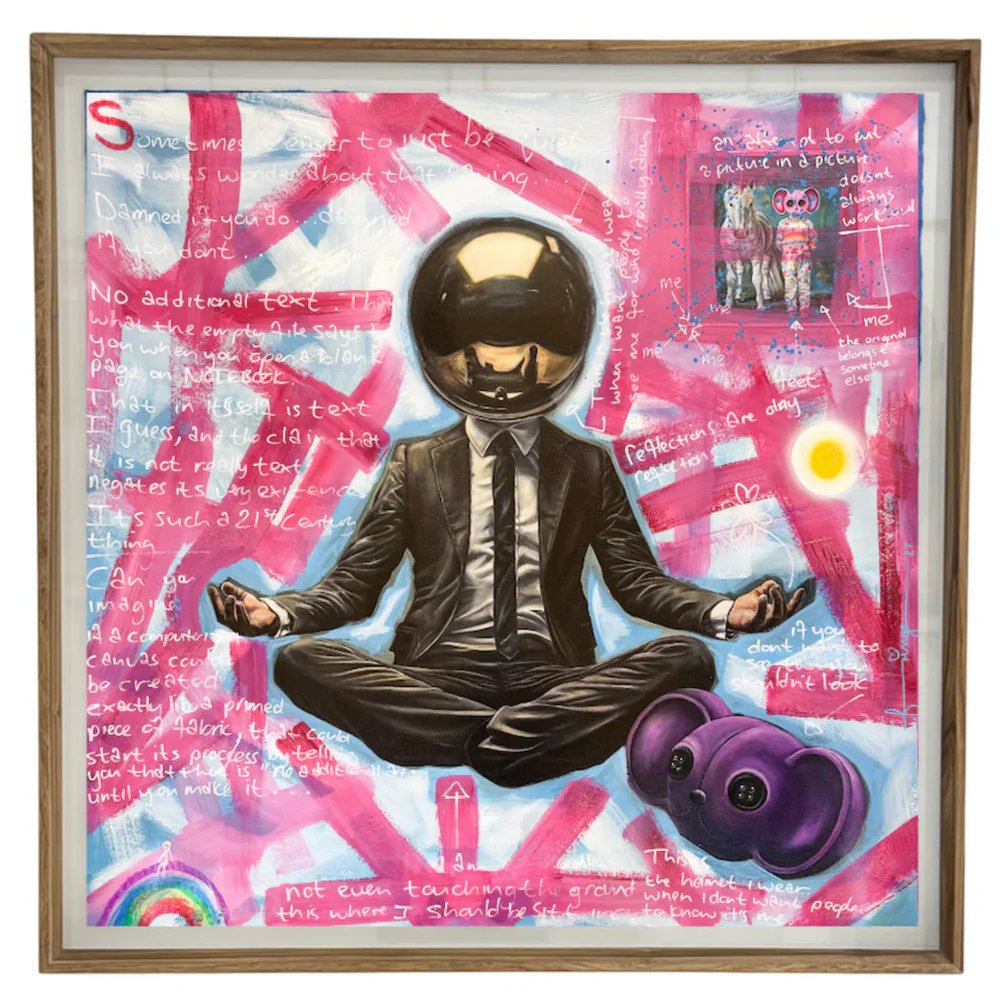
The Story Behind Collectible Art Toys: A Guide to Hybrid Works
Not everyone understands that a character's narrative weight cannot be fully contained within a plastic shell. That's rather the point. While the global art toy market was estimated at $19.57 billi...
Read more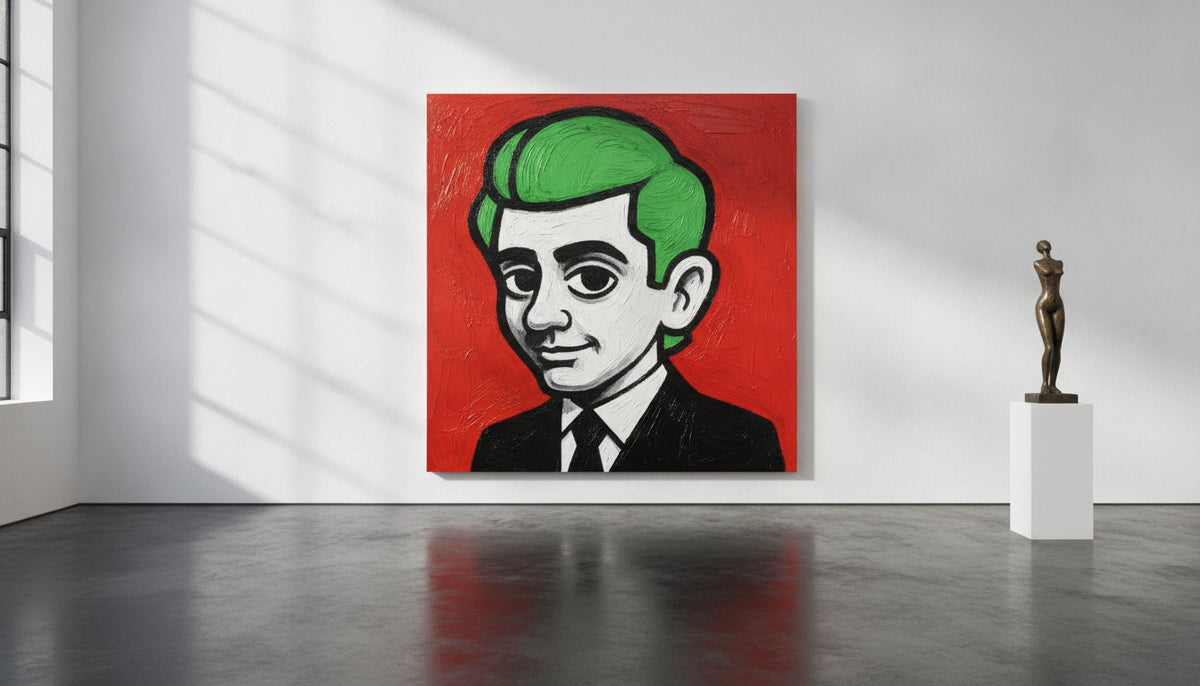
Pop Art Original Artwork: The Specification of the Physical Object
Not everyone understands the necessity of the physical object. That's rather the point. In an era defined by the digital infinite, the distinction of pop art original artwork exists in its material...
Read more
Leave a comment
This site is protected by hCaptcha and the hCaptcha Privacy Policy and Terms of Service apply.