
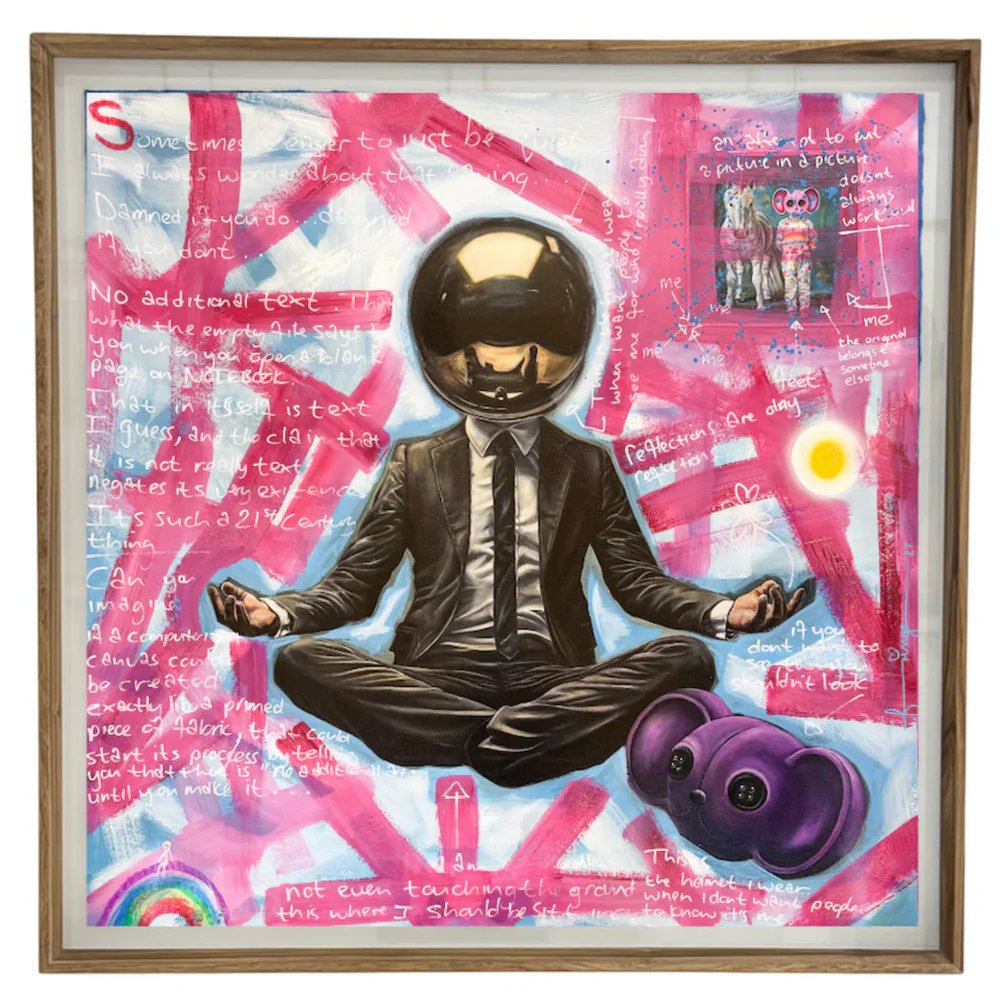
The Story Behind Collectible Art Toys: A Guide to Hybrid Works
Not everyone understands that a character's narrative weight cannot be fully contained within a plastic shell. That's rather the point. While the global art toy market was estimated at $19.57 billion in 2026, much of that growth is defined by an oversaturation of mass-produced vinyl. You have likely noticed the lack of material depth in traditional designer toys. The real story behind collectible art toys is currently being rewritten by those who demand a bridge between character art and the technical standards of a gallery.
We will examine the transition from molded playthings to technically layered hybrid works on 350gsm Fabriano museum-grade paper. This guide details how characters like Mylo and Nova are constructed using a combination of oil paint, mixed media, and archival pigment. You will identify the specific merits of acid-free materials and the surface complexity achieved through manual layering. Characters like Mylo and Nova exist as a reflection of internal states rather than simple playthings. These works possess documented archival integrity.
Key Takeaways
- Distinguish between mass-market vinyl and the artist-driven narratives that define limited production artifacts.
- Evaluate the archival necessity of 350gsm Fabriano museum-grade paper for supporting heavy media.
- Identify the technical layering of oil paint, varnish, and archival pigment that constitutes a hybrid work.
- Verify the physical provenance and story behind collectible art toys through the artist’s manual application of media.
The Narrative Origin of Collectible Designer Toys
Most observers view a shelf of vinyl figures and see a simple hobby. They're mistaken. The Art toy movement emerged as a calculated rejection of mass-market aesthetics in favor of artist-driven narratives. This wasn't a transition born of play; it was a shift toward the artifact. In the late 1990s, figures like Michael Lau in Hong Kong and KAWS in New York introduced limited production runs that transformed toys into high-stakes collectibles. This established the story behind collectible art toys as a narrative of scarcity and specific intent.
Value in this category is a matter of documented provenance. It isn't the material alone that dictates worth, but the character's origin and the creator's specific goals. The work serves as a vessel for a story. It has transitioned from a plastic commodity to a complex piece of archival media. This evolution reflects a growing sophistication among collectors who prioritize the artist's hand over the machine's output. The art toy is a narrative vessel that has successfully moved from the toy box to the museum gallery.
The Shift from Vinyl to Archival Media
Vinyl toys are fundamentally limited by the mold. They rely on mechanical reproduction, which ensures consistency but eliminates the unique gesture. The current market has moved toward the permanence of traditional fine art substrates. Original hybrid works on paper offer variations that a mold cannot replicate. You can see the physical evidence of the process in every stroke. It's the difference between a copy and a singular truth.
Collectors now demand the same longevity found in museum collections. This has pushed the medium toward materials like 350gsm Fabriano paper, which provides a level of archival integrity that vinyl simply lacks. For a deeper analysis of this transition, see The Soul of the Object: A Guide to Collectible Designer Toys in 2026. The shift represents a desire for art that survives the trends of the moment. It's a move toward substance.
Buying Guide: Selecting Original Hybrid Works on Paper
Selecting a hybrid work requires an understanding of the technical layering that distinguishes it from a flat print. These pieces are defined by the interaction of oil paint, varnish, and archival pigment. The process creates a surface complexity where the varnish seals the underlying media while the pigment maintains long-term color integrity. When researching tips for buying collectible toys, the focus often remains on plastic. However, the story behind collectible art toys is increasingly found in the material depth of museum-grade substrates. Collectors must verify the acid-free status of the paper and the lightfastness of the pigments to ensure the work remains stable over decades. Ignoring these material facts results in a collection that degrades.
Technical Specifications of the Hybrid Collection
The substrate is a 350gsm Fabriano paper. This is a heavyweight rag designed to support the physical weight of oil and mixed media without warping. The medium occupies a space between painting and drawing, offering a texture that is both gestural and precise. Because the paper is 100% cotton and acid-free, it provides a permanent foundation for the heavy media application. While these works are on paper, they maintain a scale and presence comparable to original character oil paintings.
Comparing Character Narratives: Mylo vs. Nova
Character selection is a matter of emotional resonance. Mylo operates within a register of quiet observation. The narrative weight is internal. Conversely, Nova pieces utilize a broader color palette and more aggressive gestural marks. This distinction allows a collector to balance their portfolio based on the specific soul of the character. Selecting a piece is an act of identifying with a specific internal state. These characters function as anchors for the collector's own reflection. The current Fringe collection demonstrates these technical applications. The value of the work is a settled matter.
The Technical Provenance of Character-Based Art
Provenance is often misunderstood as a mere paper trail. In the context of character-based fine art, it's actually the physical evidence of the artist's hand upon the substrate. Unlike mass-produced vinyl, hybrid works on paper contain the specific brushstrokes and pigment layering of the creator. This physical history constitutes the real story behind collectible art toys. It's a record of the artist's process that cannot be replicated by a mold. Characters like Mylo represent a human truth that separates these artifacts from decorative objects. Every Fringe hybrid work is signed and documented to secure its long-term value in the contemporary market.
The Role of the Independent Studio
Purchasing directly from an independent studio ensures the work has not been handled by intermediaries. It preserves the chain of custody. You can learn about the specific narrative intent behind these characters on the Fringe the Artist page. The studio maintains the archival record for every piece in the Hybrid Works collection. This record includes the date of completion and the specific media used in the layering process. This data provides the necessary context for the work's historical place within the Fringe studio. It's a matter of technical transparency.
Preserving Your Collection
Archival pigment and 350gsm Fabriano paper require specific environmental controls. UV-protective glazing is mandatory for long-term display. It prevents the light-sensitive layers from degrading over time. Proper mounting ensures the heavyweight rag does not warp over decades. The 350gsm weight provides a structural stability that lighter papers lack, but it still requires professional handling. The human truth of these characters is found in their vulnerability. Mylo is not a mascot; he is a character study in quiet observation. The material truth of the object is its own guarantee of longevity.
Securing the Archival Future of Character Art
The transition from mass-produced vinyl to archival substrates is a move toward material truth. The story behind collectible art toys is currently defined by a demand for technical depth and documented provenance. These artifacts exist as original characters rendered with a complexity that plastic cannot sustain. Using 350gsm Fabriano museum-grade paper provides a structural foundation for the heavy application of layered oil and archival pigment. This process ensures the work remains a stable asset within a contemporary collection.
There are 22 original works currently available within the studio record. Each piece contains the specific gestural evidence of the artist's hand. This physical record is the primary distinction between a commercial product and a fine art artifact. The collection represents a shift toward characters that possess a specific narrative weight and internal life. It's an evolution from the temporary to the permanent.
The studio maintains the archival integrity of every hybrid work produced. You may view the Hybrid Works on Paper collection to identify pieces that align with your portfolio. The quality of the substrate and the lightfastness of the pigments are already settled matters. The work is simply waiting for the right observer.
Frequently Asked Questions
What is the specific story behind the character Mylo?
Mylo is a character defined by the emotional register of quiet observation. Unlike mass-market figures, he serves as a narrative vessel for internal reflection and the complexities of the human heart. His presence in the collection marks a transition from plastic playthings to archival artifacts. He represents the silent witness in a loud world. This narrative depth is a central part of the story behind collectible art toys produced in the Fringe studio.
How do hybrid works on paper differ from traditional oil paintings?
Hybrid works utilize a specific layering of oil paint, mixed media, and archival pigment on a paper substrate. Traditional oil paintings typically rely on canvas or wood panels and a singular medium. The hybrid process creates a surface complexity that sits between a painting and a drawing. Varnish is used to seal the layers while maintaining the gestural marks of the artist. This technique allows for a physical presence that mirrors the depth of a character's internal state.
Why is 350gsm Fabriano paper considered museum-grade?
Fabriano paper is considered museum-grade because it's acid-free and constructed from 100% cotton rag. The 350gsm weight provides a structural stability that prevents warping when heavy media like oil and varnish are applied. This substrate meets the international standards for archival permanence. It ensures that the work won't yellow or degrade over time. The material truth of the paper provides a foundation for the long-term preservation of the character narrative.
Are original character collectible toys a viable art investment?

Article by
Fringe

Read more
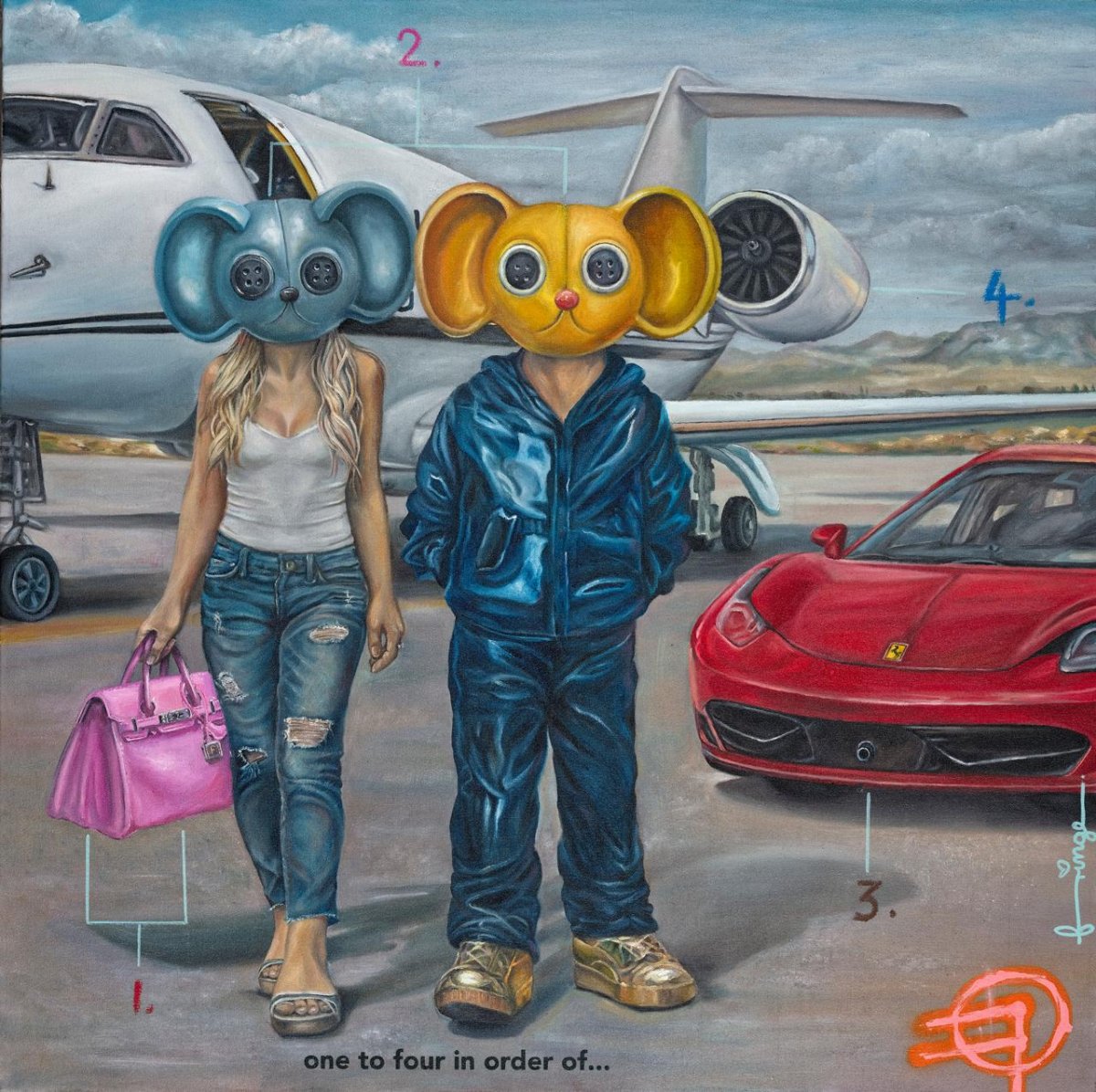
Original Pop Art for Sale: The Specification of the Physical Object
Not everyone understands Mylo. That's rather the point. Most people are content with the oversaturation of generic pop decor that lacks a human pulse or a physical history. You likely find it diffi...
Read more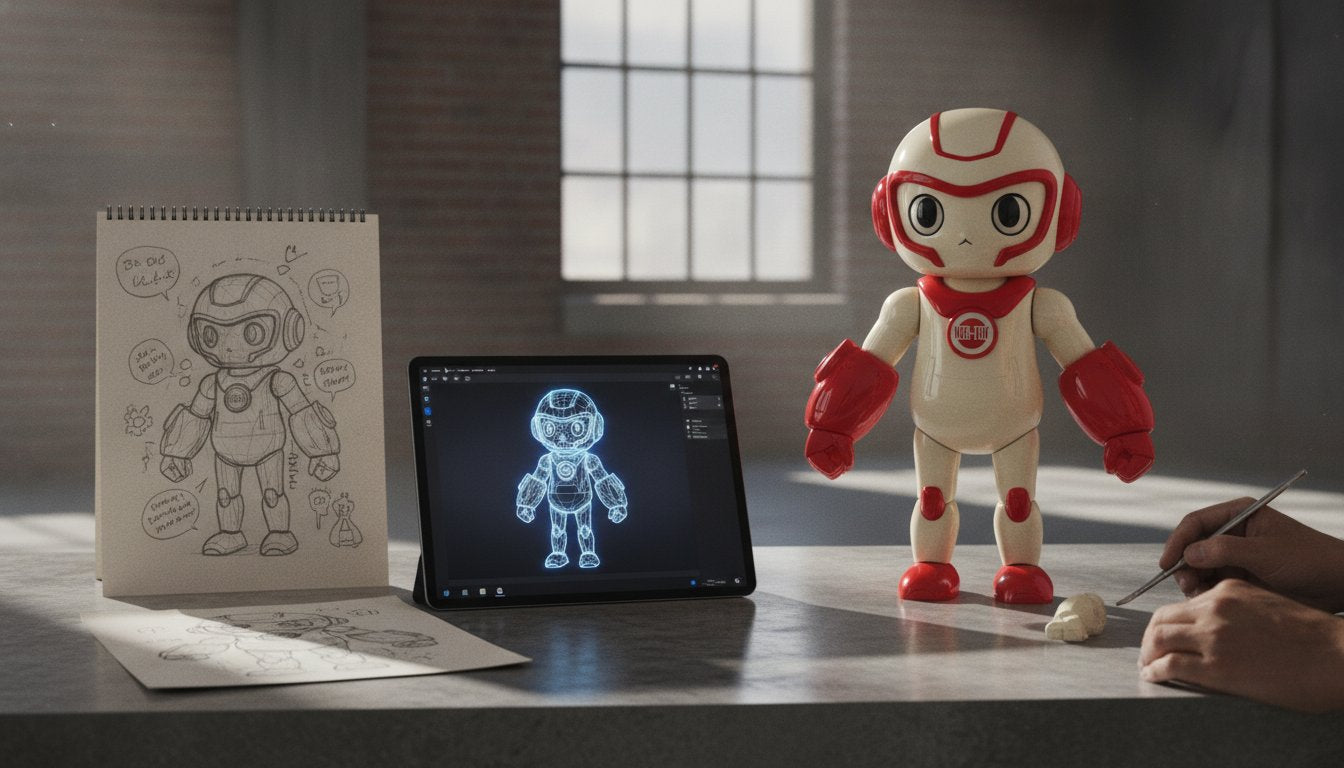
The Designer Toy Creation Process: From Narrative Sketch to Physical Form
Not everyone understands Mylo. That is rather the point. A high-end collectible is not a mass-produced plaything. It is a weighted piece of narrative art existing between a two-dimensional sketch a...
Read more
Leave a comment
This site is protected by hCaptcha and the hCaptcha Privacy Policy and Terms of Service apply.