
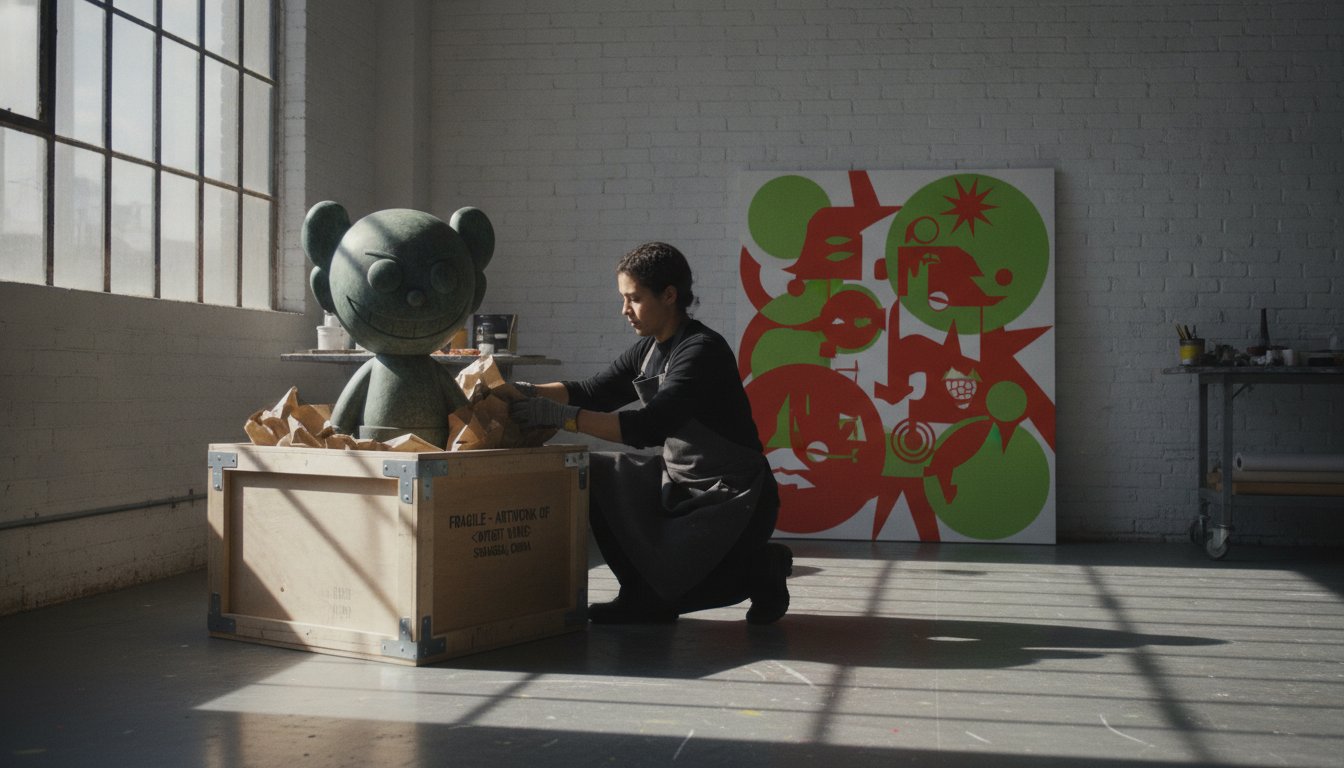
The Acquisition of Pop Art from International Artists: A Statement of Fact
Not everyone understands Mylo. That is rather the point. The value of a physical object is not found in the prestige of a gallery, but in the density of the bronze and the documented path from the studio to your door. You likely recognize that buying original pop art from an international artist is often made difficult by opaque pricing and language that obscures material worth. It's a frustration shared by those who seek a physical reality rather than a digital placeholder.
This article provides a technical evaluation of the materials and provenance required for a selective collection. We examine the specific implications of HTS Chapter 97 duty-free status for original works and the necessity of a direct studio connection for authenticating narrative weight. You will find a clear breakdown of material specifications, from oil on canvas to limited edition prints, alongside the logistical realities of international shipping and EU import regulations effective since June 2025. The focus remains on the physical reality of the work and the facts that define its existence.
Key Takeaways
- Pop art exists as a physical artifact. It is not a visual aesthetic or a digital file.
- Buying original pop art from an international artist requires a technical evaluation of material specifications and scale.
- Material facts, including the weight of bronze and the layering of oil on canvas, carry the narrative weight of the work.
- Direct acquisition from the studio secures the primary provenance of characters like Mylo and Nova.
- The peer-to-peer exchange between collector and studio removes the ambiguity found in large, opaque marketplaces.
The Distinction Between Art Consumption and Selective Collection
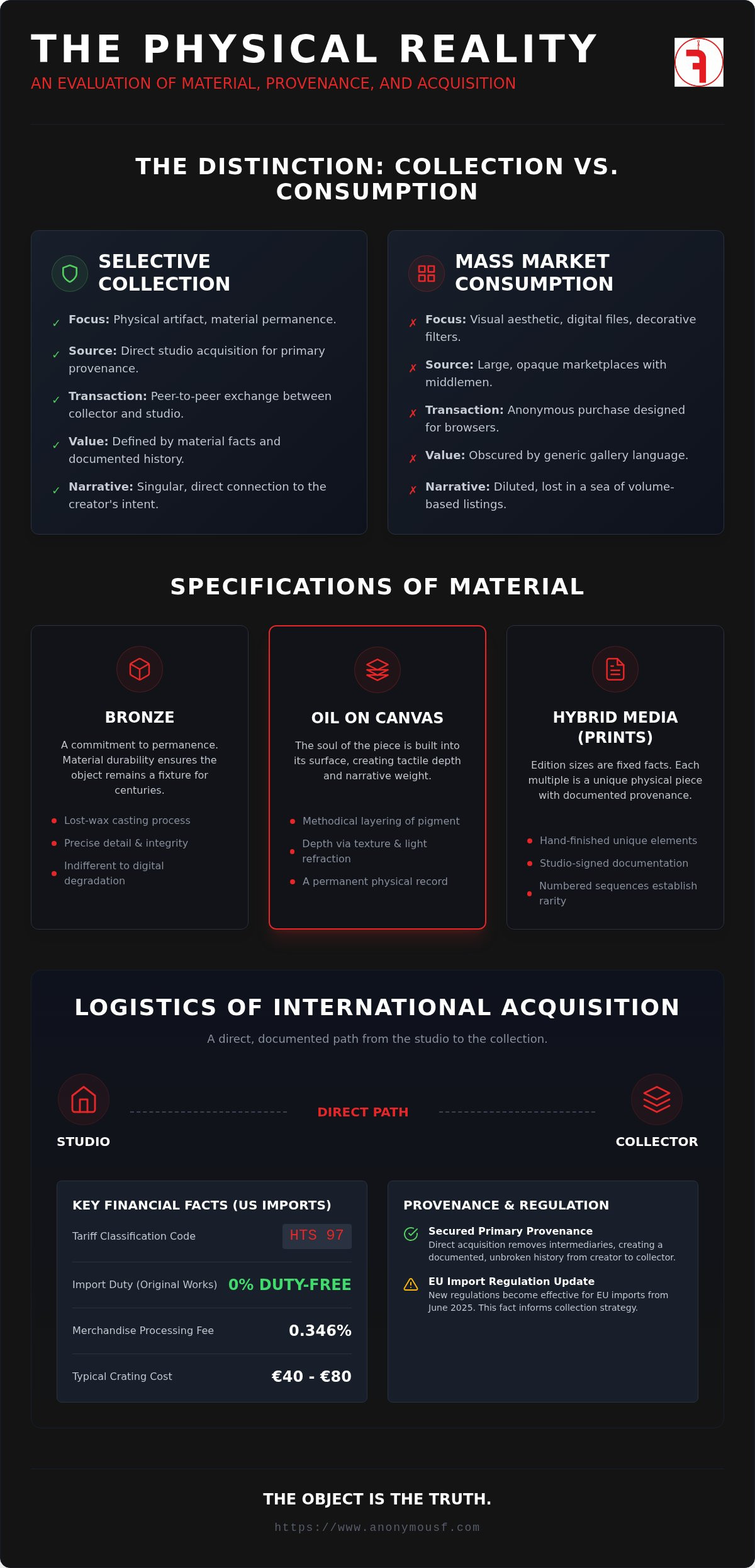
Not everyone understands the weight of a physical object. That's rather the point. Pop art exists as a physical artifact, not a visual aesthetic or a digital file. Buying original pop art from an international artist is an act of securing provenance and material permanence. It's a refusal to accept the temporary nature of digital media in favor of something that occupies space. While large marketplaces prioritize volume and decorative filters, the intentional collector seeks the material truth of the object. This distinction is fundamental to the Pop Art movement, where the boundary between the commercial and the personal is constantly tested.
Marketplaces prioritize volume; they're designed for the browser rather than the peer. A studio-direct acquisition prioritizes the specific narrative of the work. It removes the middleman, ensuring the connection between the creator and the collector remains direct and documented. Collecting isn't merely a purchase. It's the acquisition of a singular narrative. When you engage directly with a studio, you secure a fact-based history of the piece. This process ensures the object's soul isn't lost in a sea of generic gallery language.
The Role of Original Characters in Modern Pop Art
Characters like Mylo and Nova represent a narrative shift in contemporary art. They aren't just figures. They're vessels for universal emotional states: struggle, connection, and observation. These characters provide a physical anchor for internal reflection. In the world of collectible designer toys, the character functions as a tangible bridge between abstract philosophy and the domestic space. Each piece carries a narrative weight that digital placeholders cannot replicate. The object is the truth, and the character is its voice.
The collection of international art requires an understanding of this singular narrative. It's a shared philosophical resonance between the creator and the collector. The value of the work is already a settled matter. The collector is simply being informed of the facts.
Specifications of Material: Evaluating Bronze, Oil, and Hybrid Media
Material facts carry the inherent drama of the work. When buying original pop art from an international artist, the collector must look beyond the image to the physical substance. Bronze, oil, and paper hybrids represent a commitment to permanence that digital mediums cannot match. These are not ephemeral files. They are physical objects that displace air and command presence. The weight of the material provides a grounding that visual aesthetics alone cannot achieve.
The Technical Specifications of Bronze and Oil
Bronze sculptures, such as Quiet Boy, are produced through the lost-wax casting process. This method allows for precise detail and structural integrity that lasts for centuries. The material durability ensures the object remains a permanent fixture in a collection, indifferent to the degradation of screen-based media. Similarly, oil on canvas involves the methodical layering of pigment to achieve narrative weight. This process creates a tactile depth through texture and light refraction. The soul of the piece is literally built into its surface, layer by layer.
Limited Editions and the Rarity of the Multiple
Edition sizes are fixed facts. They determine the rarity of the multiple without the need for marketing hyperbole. In the Logistics of Acquiring International Art, these objects are classified under HTS Chapter 97. This classification ensures that original paintings and sculptures are duty-free when entering the United States, though a Merchandise Processing Fee of 0.346% applies. Professional crating for international transit typically costs between €40 and €80 for a medium-sized work.
Hybrids on paper often incorporate hand-finished elements, making each multiple a unique physical piece despite being part of a series. Provenance is established through studio-signed documentation and numbered sequences. The collector receives a physical object with a documented history when buying original pop art from an international artist. The material specifications of the Fringe studio catalog remain the primary record of value.
The Logistics of Acquiring International Art Directly from the Studio
Acquiring work directly from an international studio removes the middleman. It secures the primary provenance of the object. The transaction is a peer-to-peer exchange between the collector and the Fringe the Artist studio. In an inclusive global art market, the value of the work is a settled matter. It exists independently of marketplace trends or third-party curation. Buying original pop art from an international artist is a deliberate choice to prioritize the specific truth of the creator over the volume of a platform.
Global distribution of physical works requires specific packaging standards. Bronze sculptures and oil canvases demand professional crating to ensure material integrity during transit. In 2026, shipping carriers implemented rate increases of 5% to 26%. Despite these fluctuations, the studio maintains a direct shipping protocol. Professional crating for a medium-sized painting typically costs between €40 and €80. This process ensures that the physical artifact arrives in its intended state, ready for its permanent placement.
Provenance and Authenticity in International Transactions
Direct acquisition ensures the chain of ownership begins with the creator. Authenticity is a fact of the studio. It is not a guarantee from a third-party platform. Collectors receive specific documentation regarding the medium, scale, and process. This establishes a clear understanding of the object’s history. When buying original pop art from an international artist, the collector receives a physical record of the work’s origin and narrative weight.
Maintaining the Integrity of the Collection
Physical objects require specific environmental conditions. Oil paintings and bronze patinas are sensitive to light, humidity, and temperature. The studio provides technical guidance on preservation to ensure the object maintains its material state. Bronze requires minimal intervention but benefits from stable humidity. Oil on canvas requires protection from direct ultraviolet light to prevent pigment degradation. Pop art original artwork is a permanent physical fact that persists long after digital trends have faded. The object remains.
Securing the Physical Artifact
The acquisition of art is a decision regarding material permanence. Buying original pop art from an international artist ensures a direct connection to the studio where the object was cast or painted. It replaces the ambiguity of large marketplaces with the specific truth of the creator. This transaction secures the primary provenance of characters like Mylo and Nova. You aren't just acquiring a visual; you're securing a physical fact.
Material specifications define the life of the work. Bronze sculptures and oil on canvas paintings provide a durability that digital media cannot replicate. These objects require specific environmental conditions but offer a narrative weight that persists through time. The studio remains the primary source for technical guidance and documentation. Every piece is a documented path from the creator's hands to your space.
The value of the work is already a settled matter. The collection of physical pop art by Fringe includes original oil on canvas paintings and bronze character sculptures. These objects are prepared for global studio-direct shipping. They are ready for their permanent placement in your collection.
Frequently Asked Questions
Is buying pop art from international artists a secure process?
Security is a function of direct studio-to-collector documentation. Buying original pop art from an international artist involves specific customs protocols, such as HTS Chapter 97, which classifies original works as duty-free in the United States. Secure transit relies on professional crating and tracked international logistics. This transparency eliminates the ambiguity often found in third-party marketplaces.
The studio manages the logistics to ensure the physical integrity of the object. Every shipment is tracked from the origin to the destination. Documentation is provided to confirm the material specifications and the path of the work.
Can I verify the provenance of an original pop art piece when buying directly?
Provenance is established at the point of creation. Direct acquisition from the studio ensures the chain of ownership begins with the artist. Every physical object, whether oil on canvas or bronze, is accompanied by studio-signed documentation detailing the medium and edition number.
This record serves as the primary evidence of authenticity. It removes the need for third-party verification or speculative guarantees. The studio remains the single source of truth for the object's history.
How much does the material of a pop art sculpture affect its collection value?
Material facts carry the permanent weight of the work. Bronze sculptures offer a durability that synthetic materials cannot match. The lost-wax casting process ensures structural integrity that lasts centuries. While the aesthetic remains constant, the physical substance determines the object's ability to occupy space over time.
Materiality is a settled matter of permanence. A bronze object is an enduring artifact. It is indifferent to the degradation that affects less substantial mediums.
What happens to the value of limited edition pop art prints over time?
Edition sizes are fixed facts that determine rarity. A limited edition print exists within a numbered sequence, documented by the studio. Hybrids on paper often include hand-finished elements, which adds a layer of unique physical complexity to the multiple.
Value is tied to the documented rarity and the physical condition of the paper. It is a matter of documented sequence rather than market speculation. The scarcity is a matter of record.

Article by
Fringe

Read more
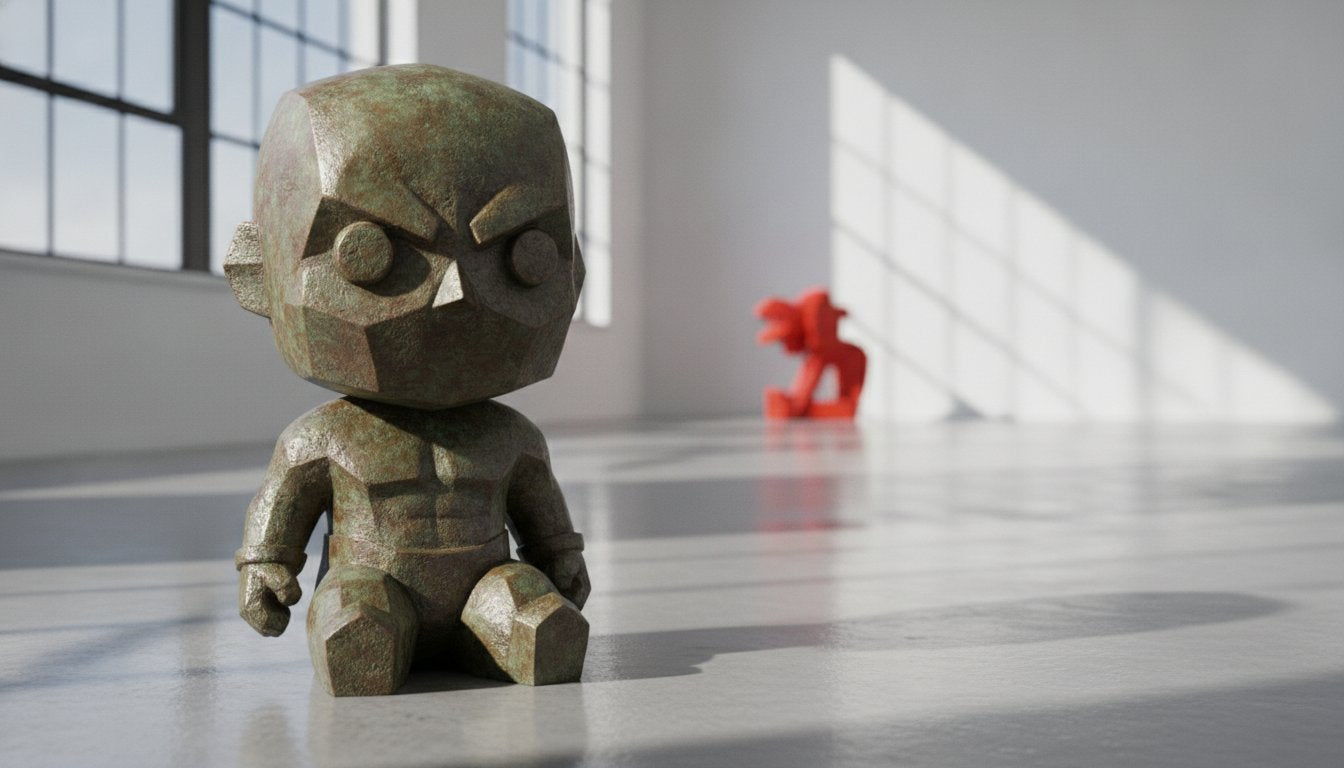
High-End Pop Art Collectibles: The Specification of the Physical Object
Not everyone understands why a character like Mylo requires the permanence of bronze. That's rather the point. You've likely grown tired of the hollow weight of mass-produced vinyl figures that sat...
Read more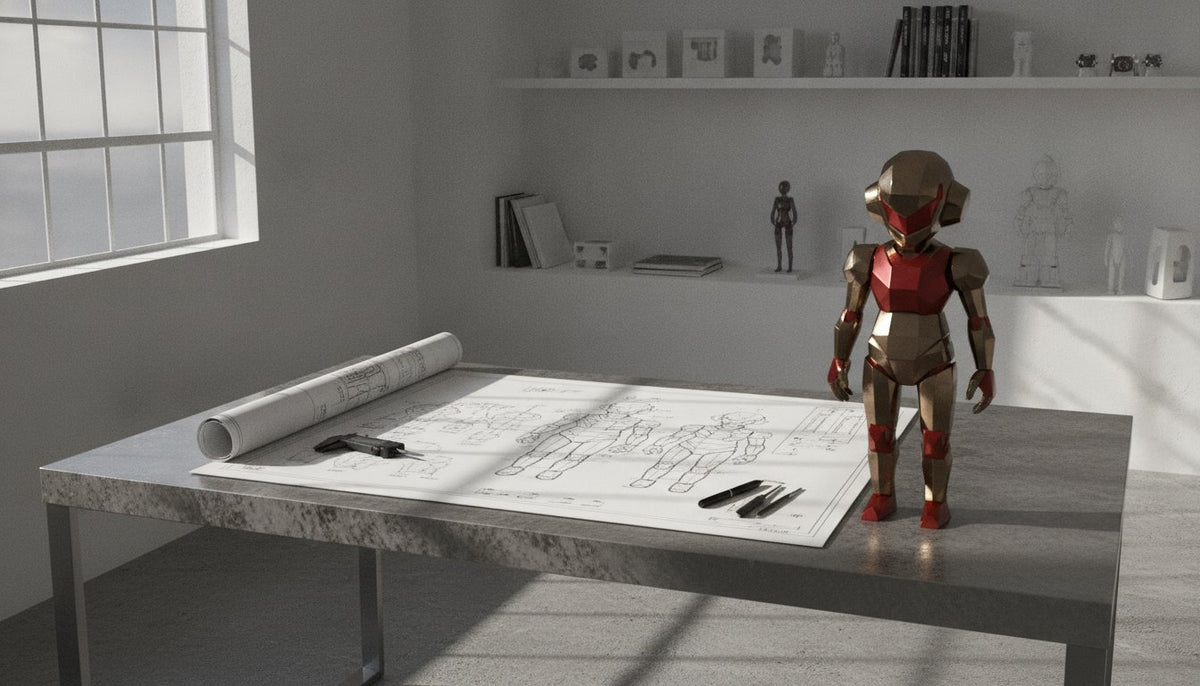
Art Toy Design Process: The Specification of Character and Form
Not everyone understands Mylo. That’s rather the point. Most people view a collectible as a byproduct of a marketing campaign or a simple plastic mold. They see the surface but miss the narrative w...
Read more
Leave a comment
This site is protected by hCaptcha and the hCaptcha Privacy Policy and Terms of Service apply.