
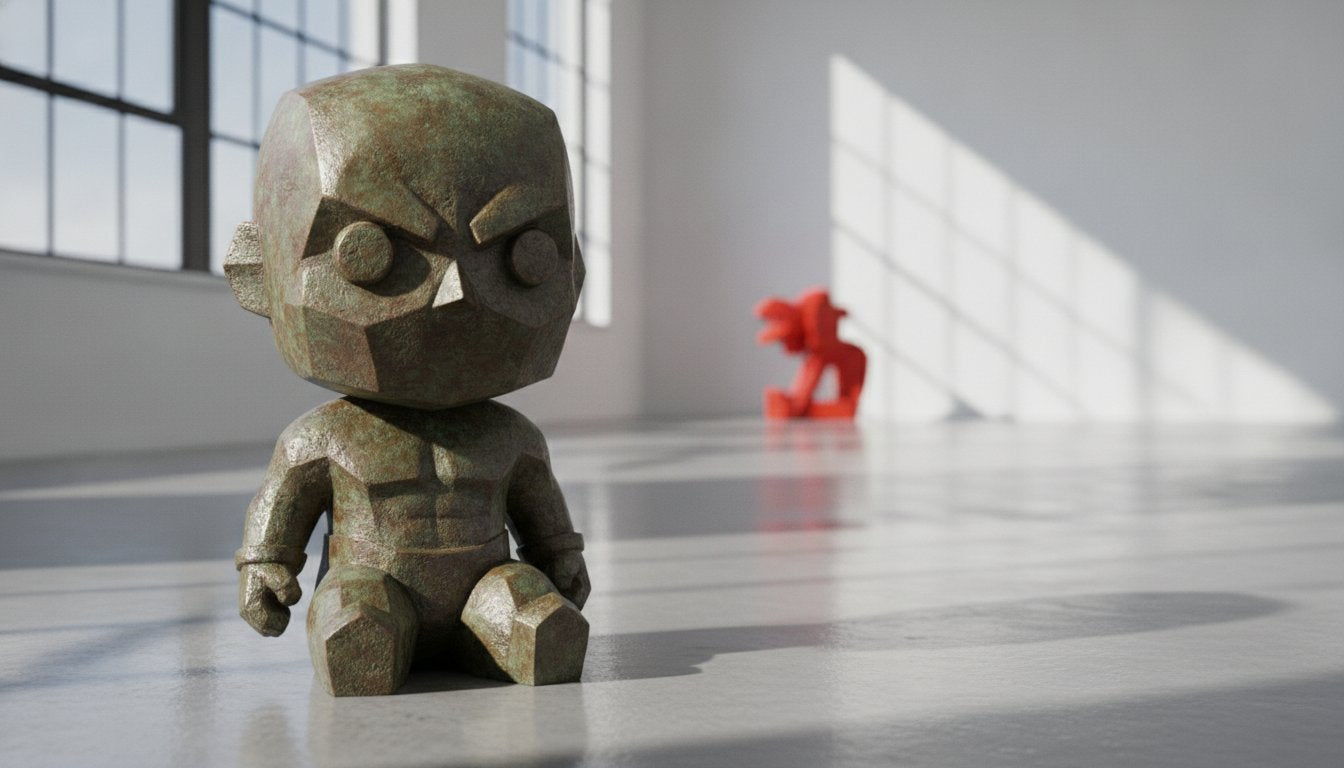
High-End Pop Art Collectibles: The Specification of the Physical Object
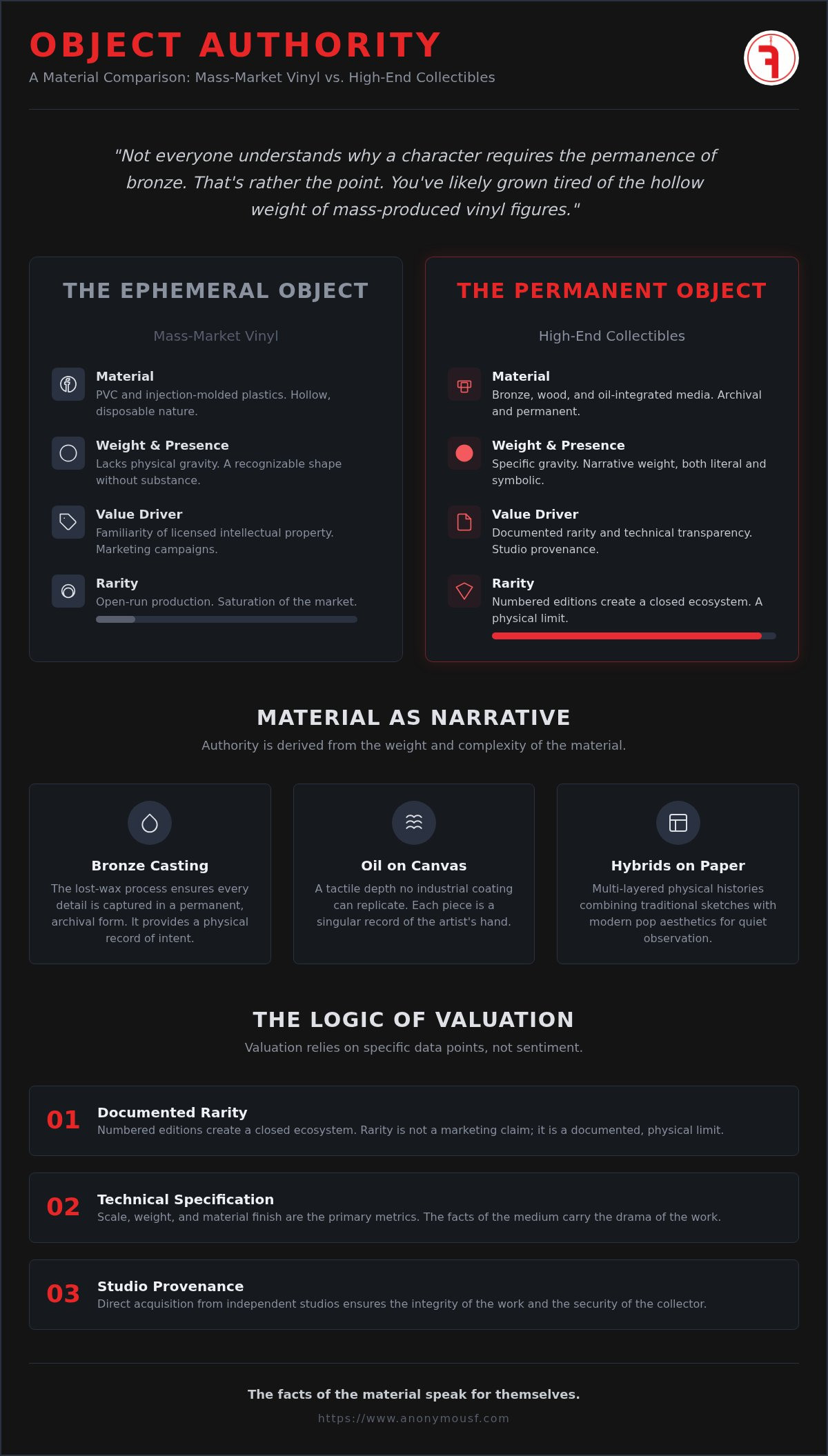
Not everyone understands why a character like Mylo requires the permanence of bronze. That's rather the point. You've likely grown tired of the hollow weight of mass-produced vinyl figures that saturate the market. They offer a recognizable shape but lack the gravity you're seeking. High-end pop art collectibles exist in the tension between these ephemeral characters and the physical weight of industrial materials. It's a space where the object must justify its own existence through documented rarity and technical transparency.
You understand that the value of a piece isn't found in a marketing campaign but in the casting method and the narrative weight of the archetype. We're going to examine the specific materials, from traditional bronze casting used by studios like Fringe to hybrids on paper, that define the 2026 landscape. You'll see how original characters like Mylo and Nova bridge the gap between toy and fine art through sheer technical specification. This is a factual look at the process, the scale, and the human truths that turn a physical object into a legacy. The facts of the material speak for themselves.
Key Takeaways
- High-end collectibles replace the hollow nature of PVC with the physical permanence of bronze, wood, and oil-integrated media.
- The lost-wax casting process establishes a narrative weight and technical depth that mass-produced vinyl cannot replicate.
- Documented rarity and edition sizes from independent studios provide the primary metric for valuation in the current art market.
- High-end pop art collectibles featuring characters like Mylo and Nova function as technical bridges between the toy format and fine art sculpture.
- Tactile depth in oil on canvas and hybrids on paper offers a physical complexity absent in digital prints or standard coatings.
The Distinction Between Mass-Market Vinyl and High-End Collectibles
The high-end collectible is the physical intersection of contemporary sculpture and pop iconography. While mass-market items rely on the familiarity of licensed intellectual property, high-end pop art collectibles establish original narrative archetypes that demand internal reflection. These objects are defined by material permanence. They move away from the disposable nature of PVC and injection-molded plastics toward bronze, wood, and oil-integrated media. The movement of Pop Art has always questioned the boundary between commercial objects and fine art; the high-end collectible answers this through technical specification. It's a shift from the ephemeral to the archival.
The Materiality of the Object
Bronze casting provides a specific gravity that distinguishes these pieces from hollow figures. A bronze sculpture carries a narrative weight that is both literal and symbolic. It doesn't degrade. The choice of material is a statement of intent regarding the object's lifespan. When oil on canvas is integrated into a series, it ensures that no two pieces are identical. Each object becomes a singular record of the artist's hand. This tactile depth provides a complexity that digital prints or industrial coatings cannot replicate. It's the difference between a product and a presence.
The Logic of Limited Editions
Value is dictated by the rarity of the edition and the provenance of the studio. Unlike open-run figures, numbered editions create a closed ecosystem where rarity is a documented fact. These are not items found in a standard retail environment. Provenance is established through direct acquisition from independent studios such as Fringe. This direct link ensures the integrity of the work and the security of the collector. By maintaining a small edition size, the studio protects the narrative weight of the character. The object remains exclusive to those who understand the technical process behind the art. Rarity isn't a marketing claim; it's a physical limit.
Materiality and the Logic of Narrative Value
High-end pop art collectibles derive their authority from the weight of their materials. Bronze sculptures utilize the traditional lost-wax casting process. This method ensures every detail of the original character is captured in a permanent form. It's a technical choice providing a narrative weight absent in mass-produced items. The collector isn't looking for a plastic likeness. They're seeking a physical record of the artist's intent.
Oil on canvas works offer a tactile depth that no digital print or vinyl coating can match. The texture of the paint creates a physical history of the artist's interaction with the surface. Hybrid works on paper combine traditional sketches with modern pop aesthetics. These pieces offer a multi-layered physical history that invites quiet observation. The collector seeks the soul of the object, a concept defined by the intersection of material and narrative.
The Paradox of Permanence in Pop Art
There's a deliberate tension in rendering vulnerable characters in heavy, archival materials. High-end pieces often depict figures of internal struggle in bronze. This material choice forces a dialogue between the ephemeral nature of the character and the permanence of the metal. As noted by the Tate on Pop Art, the movement has long explored the intersection of high and low culture. This tension defines the pop art bronze sculpture market. The object remains still while the narrative it carries continues to evolve.
Technical Specifications of the Series
Evaluation of high-end pop art collectibles relies on specific data points rather than sentiment. Scale, weight, and the specific finish of the medium are the primary metrics for the serious collector. A bronze character might weigh several kilograms, a fact that dictates its presence in a physical space. Dimensions define the object's relationship to the viewer. You can view the technical details of the Quiet Boy bronze collection to see how these specifications manifest in physical form. The facts of the medium carry the drama of the work.
The Physicality of Mylo, Nova, and Gutinke: Not Everyone Understands Them
Not everyone understands Mylo. That's rather the point. While much of the market relies on the familiarity of licensed intellectual property, high-end pop art collectibles like Mylo, Nova, and Gutinke establish original narrative anchors. They represent a departure from the mass-media saturation often explored in Pop Art and consumer culture. These characters function as archetypes of the internal human state. Mylo represents quiet observation. Nova explores the intersection of the past and future through oil on canvas and character-based sculpture. Gutinke serves as a narrative anchor for the internal struggle. The Fringe collectable toys are designed as artifacts of this human experience.
Specifications of the Mylo Character
The Mylo collection is defined by a specific material evolution. The character transitioned from paper hybrids into three-dimensional forms. This movement from the flat surface to the physical object provides a record of the character's narrative weight. Material variants include resin and bronze, with each scale meticulously documented to preserve the integrity of the silhouette. The physical object is a record of stillness.
The Quiet Boy Bronze Series
The Quiet Boy Bronze series utilizes traditional casting to create objects of significant physical weight. Each piece is produced via the lost-wax method. This technical choice ensures the archival permanence of the character's form. Edition sizes are strictly limited, which dictates the rarity of the character-based sculpture.
- Medium: Cast bronze
- Process: Traditional lost-wax casting
- Edition Size: Limited and numbered
- Focus: Physical gravity and narrative weight
Defining the Physical Legacy of the Archetype
The value of a physical object is a settled matter of its material specification and the documented rarity of its edition. We've examined how high-end pop art collectibles bridge the gap between the ephemeral nature of pop iconography and the archival permanence of bronze and oil on canvas. These aren't mass-produced figures; they're artifacts of human experience defined by technical gravity. You've seen that the distinction lies in the lost-wax casting process and the tactile depth of an original surface.
Fringe operates as an independent studio where characters like Mylo and Nova are rendered with specific narrative weight. Every bronze sculpture and hybrid work on paper carries a documented provenance that protects the integrity of the character. This level of material transparency ensures that the object remains a record of the artist's hand rather than an industrial byproduct. An object with literal weight provides a stillness that mirrors the complexities of the human condition. You can view the technical specifications of the Fringe collection to see the dimensions and material facts for yourself. The facts of the medium define the work.
Frequently Asked Questions
How do I identify a high-end pop art collectible versus a mass-market toy?
High-end pop art collectibles are distinguished by material permanence and documented rarity. Unlike mass-market toys cast in PVC or vinyl, these objects utilize archival mediums like bronze, wood, and oil on canvas. You should look for numbered editions and direct provenance from an independent studio. This ensures the piece is a physical record of the artist's intent rather than a licensed byproduct of consumer culture.
Why is bronze a preferred material for high-end pop art sculptures?
Bronze is selected for its literal and narrative weight. The material utilizes the lost-wax casting process to achieve detail that industrial plastics cannot replicate. It offers a physical gravity that anchors the character in a physical space. This permanence allows the object to function as a technical bridge between the toy format and fine art sculpture. The metal does not degrade, preserving the silhouette for the collector over decades.
What is the significance of the characters Mylo and Nova in the Fringe collection?
Mylo and Nova function as original narrative archetypes that replace the need for licensed intellectual property. Mylo represents a state of quiet observation, often rendered in bronze to contrast his vulnerability with the weight of the metal. Nova explores the intersection of the past and the future through oil on canvas and character-based sculpture. These characters provide a unique narrative IP that avoids the saturation of mass media. They are anchors for the internal human state.
How does an independent artist-owned studio ensure the rarity of its collectibles?
An independent studio ensures rarity by maintaining strictly closed edition sizes. There are no open runs or mass-market distributions that dilute the value of the work. Every piece is numbered and carries a documented provenance linked directly to the studio's production records. By controlling the technical process from casting to finish, the artist limits the physical supply of the character. Rarity is a technical specification of the edition rather than a marketing claim.

Article by
Fringe

Read more
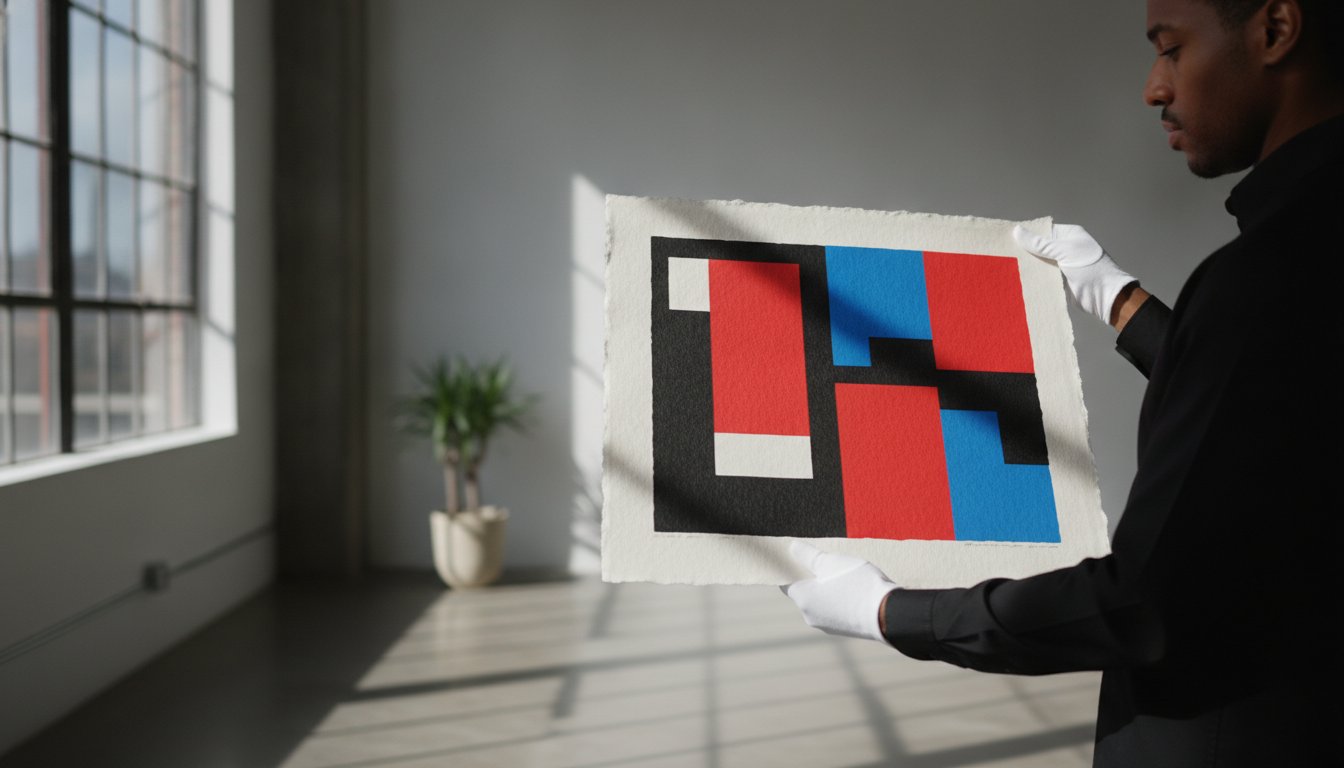
The Collector’s Specification: Limited Edition Art Prints as Narrative Objects
A reproduction is a memory of an artwork; a limited edition print is the artwork itself. Not everyone understands the distinction between a souvenir and a narrative object. That's rather the point....
Read more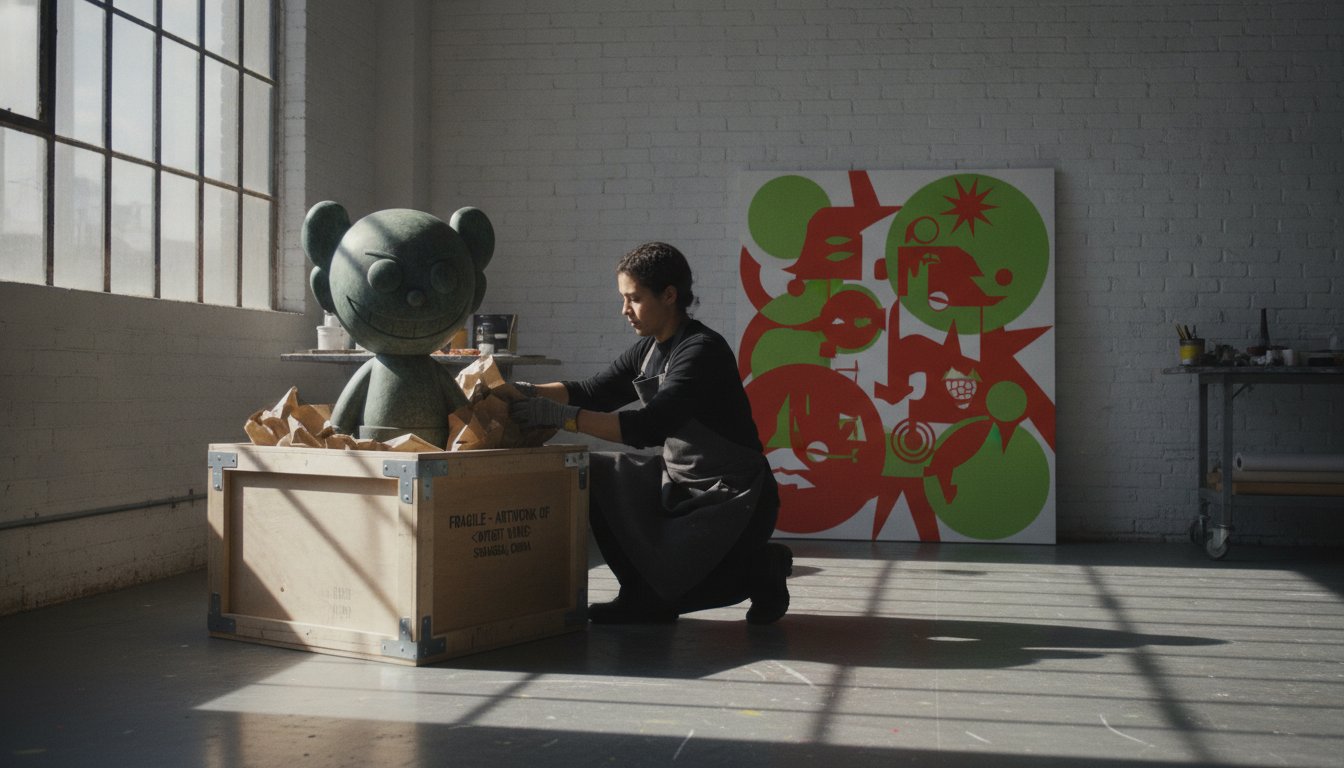
The Acquisition of Pop Art from International Artists: A Statement of Fact
Not everyone understands Mylo. That is rather the point. The value of a physical object is not found in the prestige of a gallery, but in the density of the bronze and the documented path from the ...
Read more
Leave a comment
This site is protected by hCaptcha and the hCaptcha Privacy Policy and Terms of Service apply.