
The Acquisition of Form: A Guide to Buying Your First Original Art Piece
Not everyone understands why a physical object carries more weight than a digital image. That's rather the point. Most people settle for decor that fills a void without holding a history. You likely feel the disconnect between mass produced items and the singular presence of a work that exists in only one place at one time. It's a common frustration when pricing remains opaque and artist statements feel like empty prose.
This guide to buying your first original art piece provides a technical framework for identifying narrative weight and material truth. We'll examine the mechanics of acquisition through the lens of direct provenance and the physical reality of oil on canvas or bronze. You'll learn to evaluate an object based on its medium and process. We move past the vague and toward the logic of the form itself.
Key Takeaways
- An original work's value is found in its material truth, such as the tactile depth of oil on canvas or the lost-wax process of bronze sculptures.
- This guide to buying your first original art piece establishes a technical framework for evaluating narrative weight over decorative appeal.
- Understanding the distinction between a numbered limited edition print and a singular character study is essential for identifying rarity.
- Provenance begins at the moment of creation. Acquiring work directly from the studio ensures the most transparent chain of ownership.
The Specification of the Object: Medium and Material Truth
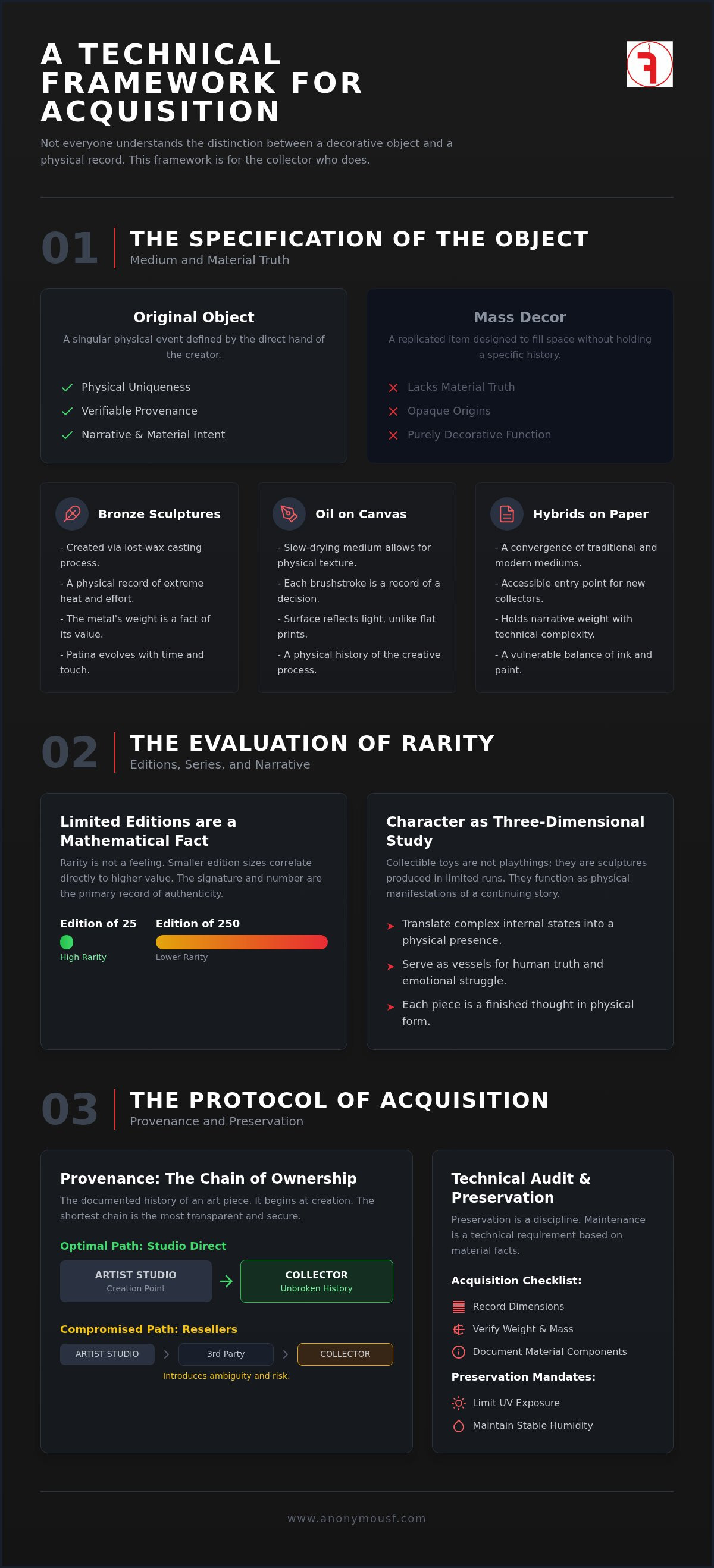
An original art piece exists as a singular physical event. It is defined by its physical uniqueness and the direct hand of the creator. Mass produced decor lacks this material truth. This guide to buying your first original art piece prioritizes the technical reality of the work over decorative appeal. For those seeking such unique expressions, Wine Art Gallery provides access to original contemporary paintings and artist-designed decor. Objects with narrative intent serve a different purpose than mere furniture. They exist to hold space, not just fill it.
Bronze sculptures carry a specific permanence. They are created using the lost-wax casting process. This method involves creating a wax model that is destroyed to create a metal form. It ensures a heavy, durable object that survives for centuries. The weight of the metal is a fact of its value. It is a physical record of effort and heat. The patina on a bronze surface changes over time, responding to the touch of the collector.
The Distinction of Oil on Canvas and Hybrids on Paper
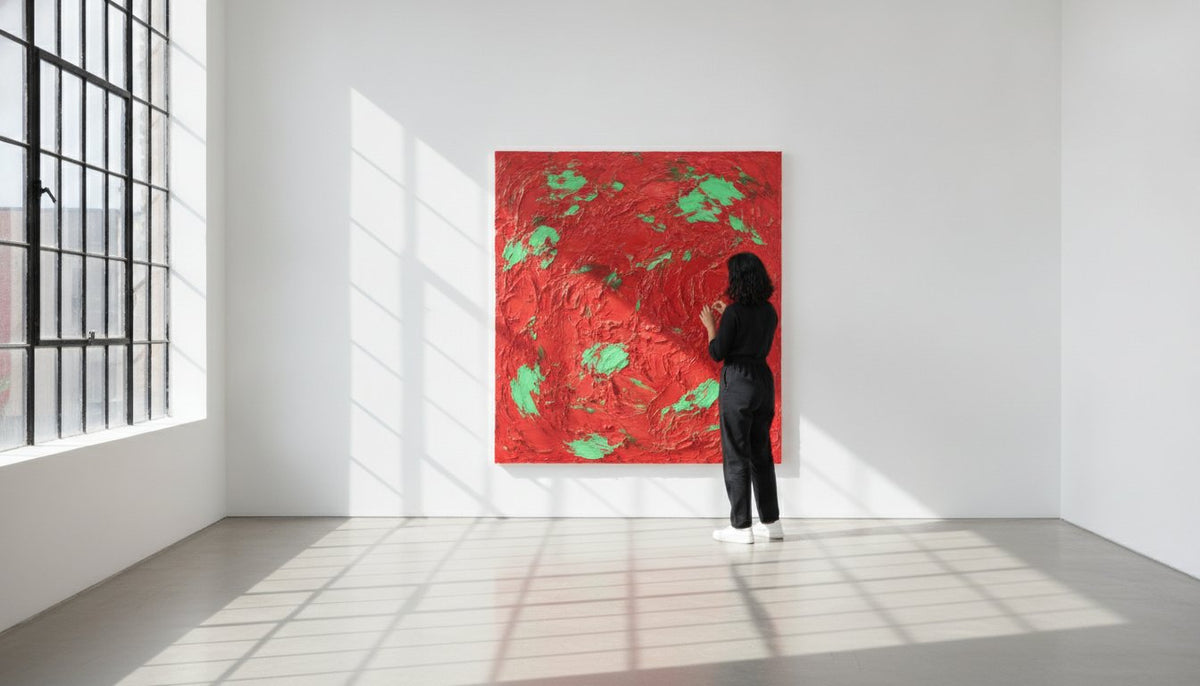
Oil paint is a slow drying medium. It allows for the building of physical texture and complexity that mass produced prints cannot replicate. Each brushstroke is a record of a specific decision. You are buying a physical history of those choices. Oil on canvas works focus on the intersection of texture and human truth. The surface reflects light differently than a flat ink reproduction.
Hybrids on paper represent a convergence of mediums. These works often blend traditional techniques with modern character design. They occupy a space between the raw sketch and the finished painting. Many people understanding private collections begin with these accessible yet technically complex works. They provide an entry point into the mechanics of acquisition without sacrificing narrative weight. The paper holds the ink and the paint in a specific, vulnerable balance.
Evaluating Rarity: Editions, Series, and Character Narratives
Rarity is a technical fact, not a feeling. A limited edition print is a numbered multiple, signed by the artist to verify its place in the series. This signature serves as the primary record of authenticity and intent. This guide to buying your first original art piece acknowledges that smaller edition sizes correlate to higher rarity and long-term value. A series of 25 carries more weight than a series of 250. It's a matter of simple mathematics and market saturation. The number on the paper or the base of the sculpture defines its life in the secondary market.
The value of a series is often tied to the narrative depth of the character represented. Collectible toys, such as Mylo or Nova, function as three-dimensional character studies. They translate complex internal states into a physical presence you can hold. These objects bridge the gap between the avant-garde and the tangible. They are physical manifestations of a story that continues across multiple works.
The Role of Original Characters in Modern Collections
Characters like Mylo, Nova, and Gutinke serve as vessels for human truth and emotional struggle. They represent a shift in how we view contemporary sculpture. Collectable toys are not playthings; they are sculptures produced in limited runs for the contemporary art market. They occupy the same space as traditional oil on canvas. The narrative weight of these characters provides a grounding element for a new collection. You may see this reflected in the current limited editions available from the studio. Each piece is a finished thought, delivered in a physical form that remains indifferent to the passing of trends.
The Protocol of Acquisition: Provenance and Studio Directness
Provenance is the documented history of an art piece. It begins at the moment of creation. In any guide to buying your first original art piece, the chain of ownership is the most critical technical detail. Acquiring art directly from an independent studio ensures the shortest possible chain. This removes the ambiguity of third party resellers. The history of the object remains unbroken and verifiable.
Every acquisition requires a technical audit of physical specifications. You should record dimensions, weight, and specific material components. A bronze sculpture has a fixed mass. An oil painting has a tactile depth. These are not decorative traits. They are the physical facts of the work's existence. Maintenance is a technical requirement for these materials. Bronze and oil require specific environmental conditions to prevent degradation. UV exposure must be limited. Humidity must remain stable. Preservation is a matter of discipline, not sentiment.
Establishing Direct Provenance with the Artist
Buying directly from FringeTheArtist eliminates the risk of counterfeit history. There is no middleman to obscure the origin of the work. Every physical object is accompanied by documentation that confirms its origin and edition number. This record is as essential as the paint or the metal. It transforms a physical object into a documented asset. The value is a settled matter of origin. The piece exists in its final form, ready for the collection.
The Evolution of the Private Collection
The transition from observer to collector requires a shift in perspective. You now understand that rarity is a technical fact determined by edition size and material permanence. This guide to buying your first original art piece has established the framework for evaluating narrative weight over superficial aesthetics. Every work from the studio follows Red Dot award-winning design principles to ensure a cohesive physical presence. Direct provenance is guaranteed with each acquisition.
Global shipping is provided for all physical art pieces to maintain the integrity of the work during transit. You've the tools to identify the hand of the artist in the brushstroke and the cast metal. The Fringe Studio: Original Oil, Bronze, and Collectible Objects remains the primary source for these character studies. The acquisition of form is a permanent decision.
Frequently Asked Questions
What is the difference between an original oil painting and a print?
An original oil painting is a singular physical object defined by its tactile depth and the direct hand of the creator. Each brushstroke serves as a record of a specific decision made at a point in time. In contrast, a limited edition print is a numbered multiple. While the print replicates the visual narrative, it lacks the unique physical texture of the canvas.
How do I verify the authenticity of a limited edition bronze sculpture?
Authenticity is verified through a signature and a specific edition number cast into the metal or documented on an accompanying certificate. This guide to buying your first original art piece emphasizes direct provenance from the studio to remove ambiguity. You should verify the physical mass and the specific details resulting from the lost-wax casting process. Documentation must confirm the origin and the total series size.
Can collectible toys be considered fine art?
Collectible toys function as three-dimensional character studies within the contemporary art market. They are sculptures produced in limited runs, often representing complex human truths through characters like Mylo or Nova. These objects are not playthings. They carry the same narrative weight as traditional bronze or oil works. Their value is established by their rarity, material quality, and the artist's conceptual intent.
How should I maintain the physical condition of an oil on canvas piece?
Maintenance is a technical requirement for the long-term preservation of the work. You should place the piece in an environment with stable humidity and limited UV exposure. Direct sunlight causes pigment degradation and canvas tension issues. It's essential to avoid hanging pieces near heat sources or in damp areas. Periodic inspection ensures the physical integrity of the paint and the wooden stretcher bars remains intact.

Article by
Fringe

Read more
How to Mix Art Mediums in a Collection: The Logic of Material Contrast
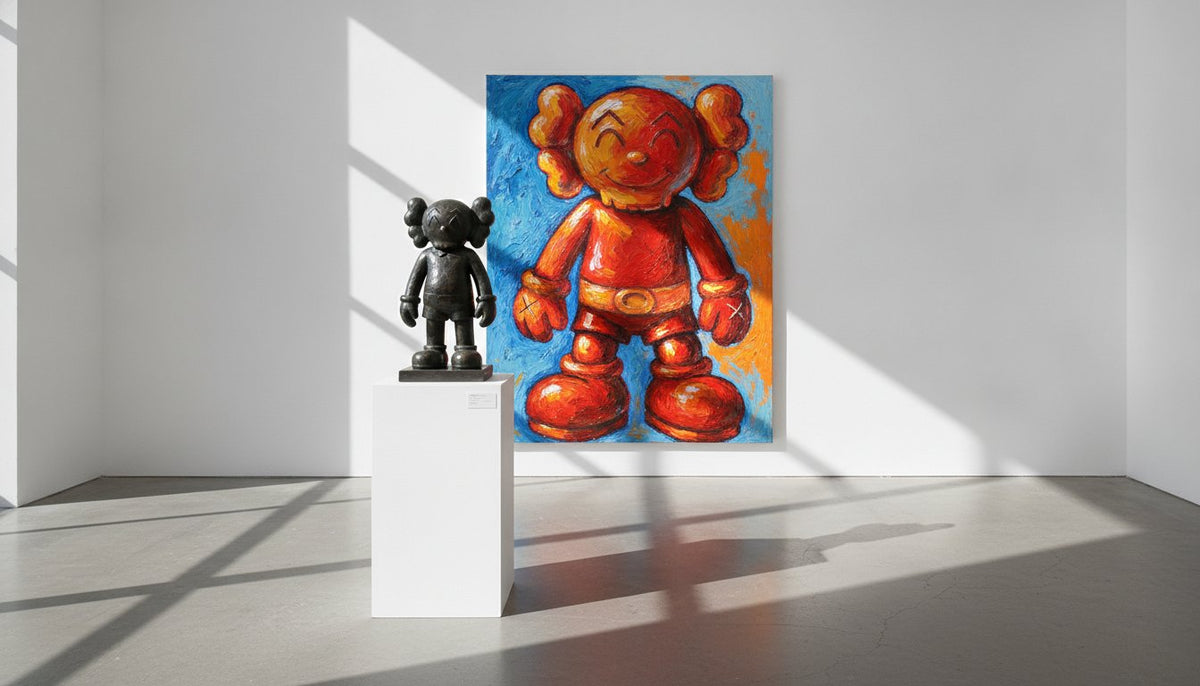
Not everyone understands why a heavy bronze Mylo sits beside a paper hybrid. That’s rather the point.A collection consisting solely of one medium lacks the narrative weight provided by physical var...
Read more
Acquisition Specifications: Questions for Buying Art from an Independent Artist
Not everyone understands the weight of an original character like Mylo. That is rather the point. Most collectors prefer the buffered noise of a gallery. You understand that an acquisition is more ...
Read more
Leave a comment
This site is protected by hCaptcha and the hCaptcha Privacy Policy and Terms of Service apply.