
Acquisition Specifications: Questions for Buying Art from an Independent Artist
Not everyone understands the weight of an original character like Mylo. That is rather the point. Most collectors prefer the buffered noise of a gallery. You understand that an acquisition is more than a simple transaction. It is the physical capture of a narrative weight. This realization brings anxieties regarding material longevity and transparency. This article provides a technical framework for evaluating the materiality and provenance of contemporary pop art. It outlines the specific questions to ask when buying art from an artist to ensure the object’s physical integrity remains intact. We will examine the specifications of bronze, oil on canvas, and edition numbering for collectable toys. You will gain a clear list of specifications to verify. It's about confidence in the object. The facts of the work are the only things that matter.
Key Takeaways
- Define the physical presence of the piece by verifying the medium, scale, and weight of the object.
- Secure the provenance of the work by identifying the specific questions to ask when buying art from an artist regarding edition sizes.
- Evaluate the narrative weight of characters like Mylo or Nova through the lens of internal states and human truths.
- Validate the physical integrity of the acquisition by requiring signed certificates of authenticity for bronzes and oil on canvas.
The Material Specification: Verifying Medium, Scale, and Physical Integrity
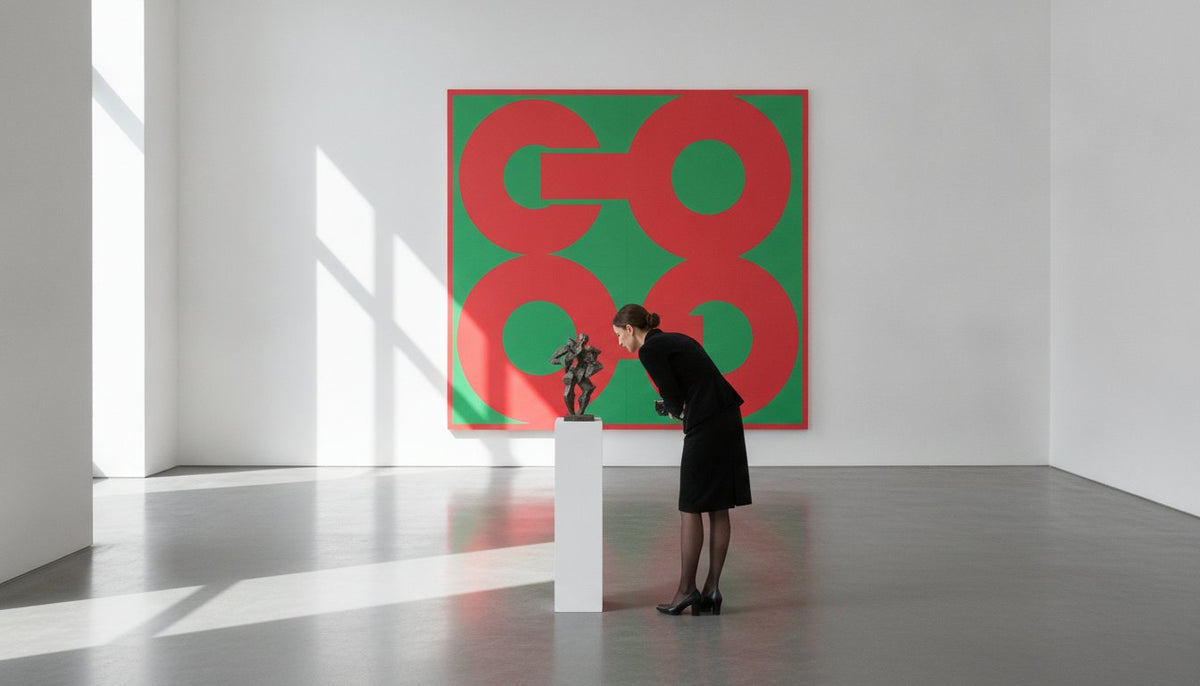
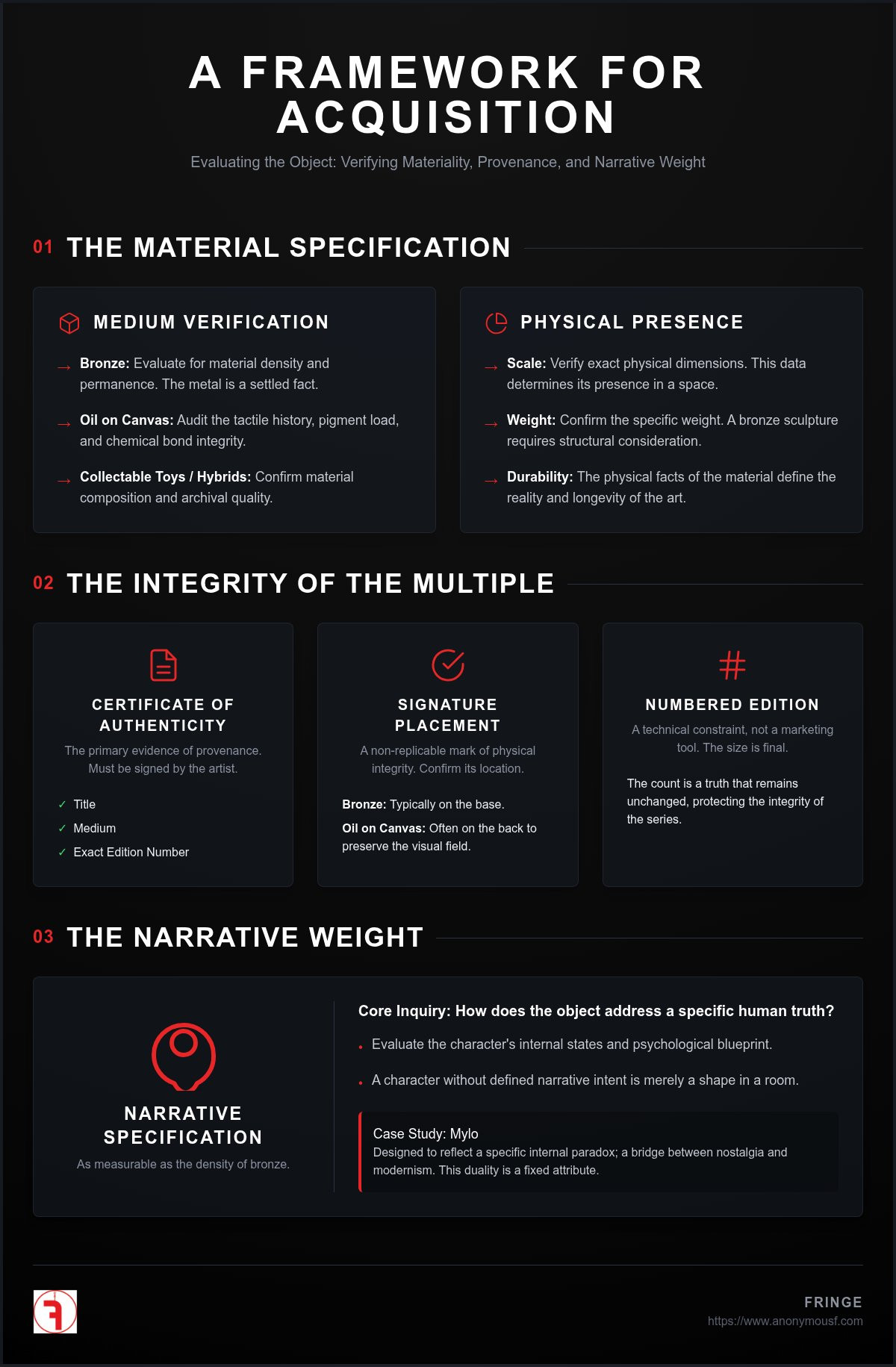
The physical object contains the truth of the work. When evaluating an acquisition, the first step is a technical audit of the medium. You should confirm if the piece is oil on canvas, bronze, or a hybrid on paper. Each material dictates a different preservation strategy. One of the primary questions to ask when buying art from an artist involves the specific archival quality of these materials. Bronze offers a literal permanence. Oil provides a tactile history through its drying process and chemical bond. You must verify the physical dimensions and the specific weight of the work. This data determines its presence in your space. A bronze sculpture requires structural consideration that a paper hybrid does not. The scale is a fixed value. It defines the boundary between the viewer and the character.
The Specification of Bronze and Oil
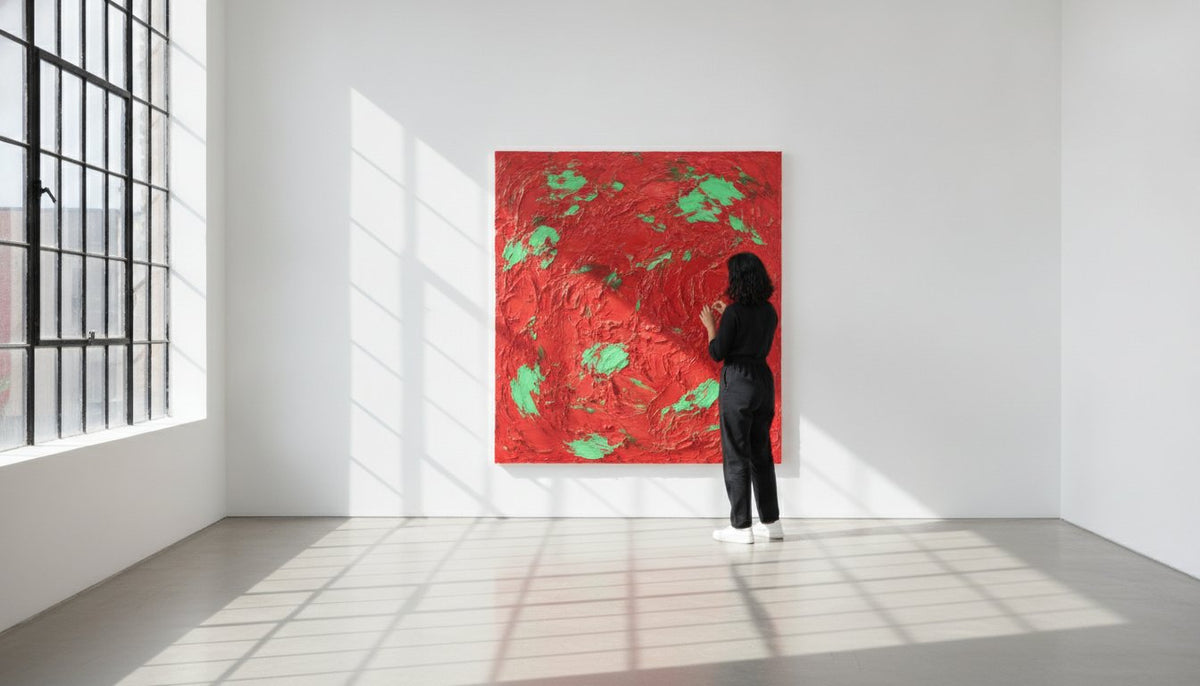
A pop art bronze sculpture carries a specific narrative weight through its material density. The metal is a settled fact. It doesn't ask for permission to exist. Oil on canvas requires a different observation. The thickness of the paint is not a stylistic choice; it's a physical requirement of the medium's integrity. These technical details are essential for understanding art provenance and the long-term value of the object. The durability of oil and the permanence of bronze are foundational to the work's longevity. A collector focuses on the soul of the object, but that soul is housed in its specifications. The weight of the metal and the texture of the pigment are the evidence of its creation. The physical presence of the object is a result of calculated density and pigment load. The facts of the material define the reality of the art. It's a matter of physics and intention.
The Integrity of the Multiple: Documentation, Provenance, and Edition Size
Most people buy art for the image. You buy for the provenance. An acquisition is a transfer of history. It requires a Certificate of Authenticity signed by the artist. This document is the primary evidence of provenance. One of the essential questions to ask when buying art from an artist is how they verify the lineage of the object. Without a signed COA, the work exists in a vacuum. It lacks the legal and narrative anchor required for a serious collection. The COA must include the title, medium, and exact edition number. It's a technical specification of the object's identity.
Authentication is a settled matter of placement. You must confirm where the work is signed. For a bronze sculpture, the mark is usually on the base. For oil on canvas, it's often on the back to preserve the visual field. These are questions about the physical artwork that define its future value. The signature is the artist's final claim of ownership before the object transitions to the collector. It's a mark of physical integrity that cannot be replicated.
Understanding the Numbered Edition
The numbering of a multiple is not a marketing tool. It's a technical constraint. Fringe uses specific numbering sequences to maintain the rarity of the multiple. Each number represents a unique point in the production run. The specification of the edition size is final. It cannot be altered once the work is released. This rigidity protects the integrity of the series. Whether it's a run of bronze or limited edition prints, the count is a truth that remains unchanged. Reviewing the Fringe character editions clarifies these specific constraints for the collector. The number is the soul of the multiple.
The Narrative Weight: Questions Regarding Character Intent and Human Truth
The narrative of a piece is a technical specification. It is as measurable as the density of bronze or the pigment load of oil. You should inquire about the specific internal states of characters like Mylo, Nova, or Gutinke. These aren't marketing stories designed to persuade a casual browser. They are the psychological blueprints that dictate the form of the work. One of the essential questions to ask when buying art from an artist is how the object addresses a specific human truth. A character study often explores the paradox of connection or the complexities of the heart. You must evaluate this intent to ensure the work aligns with the intellectual register of your existing collection. A character without a defined narrative intent is merely a shape in a room. This technical approach to narrative and material integrity is mirrored in the production of luxury accessories; brands like ZAAFAR Atelier apply similar standards of craftsmanship and provenance to their jewelry, treating each piece as a significant object of acquisition.
The Character Study of Mylo and Nova
Mylo is designed to reflect a specific internal paradox. He exists as a bridge between nostalgia and modernism. This duality is a fixed attribute of the creation process. The narrative weight of collectable toys is a technical specification of the character design. It isn't an abstract concept. It's the reason the object carries a sense of gravity that exceeds its physical dimensions. Identifying these details helps you refine the questions to ask when buying art from an artist. Nova and Gutinke operate under these same rigid constraints of intent. The artist has already decided the emotional register of these objects. The collector is simply the one who recognizes the truth already present in the material. The narrative intent is a settled matter.
The Finality of the Object
The acquisition of a physical object is a technical commitment. You now have the framework to verify the medium, whether it's oil on canvas, bronze, or a hybrid on paper. The integrity of a collection relies on these verified facts. Understanding the specific questions to ask when buying art from an artist ensures that the provenance and narrative intent are settled matters. Original character designs like Mylo and Nova carry a weight that's both physical and psychological. This weight is documented through signed certificates and fixed edition sizes. The facts of the work are the only things that remain once the transaction is complete.
The current collection remains available for acquisition at the Fringe studio.
The clarity of the object provides its own resonance.
Acquisition Specifications FAQ
What documentation should accompany an original art purchase?
Every acquisition must include a Certificate of Authenticity signed by the artist. This document confirms the material, dimensions, and date of creation. It serves as the primary legal and historical record for the object. This is one of the critical questions to ask when buying art from an artist to ensure the piece is recognized in the secondary market.
How is the edition size of a bronze sculpture determined?
The artist decides the edition size before the first casting. This number is a fixed specification that cannot be increased after the series is released. A typical bronze run includes the numbered pieces and a limited number of artist proofs. The size of the edition directly affects the rarity and narrative weight of the sculpture within the studio's catalog.
What is the significance of the character narrative in art toys?
The narrative provides the psychological framework for the physical design. Characters like Mylo and Nova are not merely decorative shapes. They represent specific internal states and human truths like connection or paradox. This narrative intent is a technical specification of the object. It distinguishes a collectable toy from a generic consumer product by establishing a deeper intellectual register.
How should a collector verify the provenance of an independent studio piece?
Verification begins with direct communication with the studio and a review of the signed COA. You should check for the artist’s signature on the physical object, whether on the base of a bronze or the back of an oil on canvas. Authentic provenance is a settled matter of documentation and physical marking. It establishes the chain of ownership from the artist to the collector.

Article by
Fringe

Read more
The Acquisition of Form: A Guide to Buying Your First Original Art Piece
Not everyone understands why a physical object carries more weight than a digital image. That's rather the point. Most people settle for decor that fills a void without holding a history. You likel...
Read more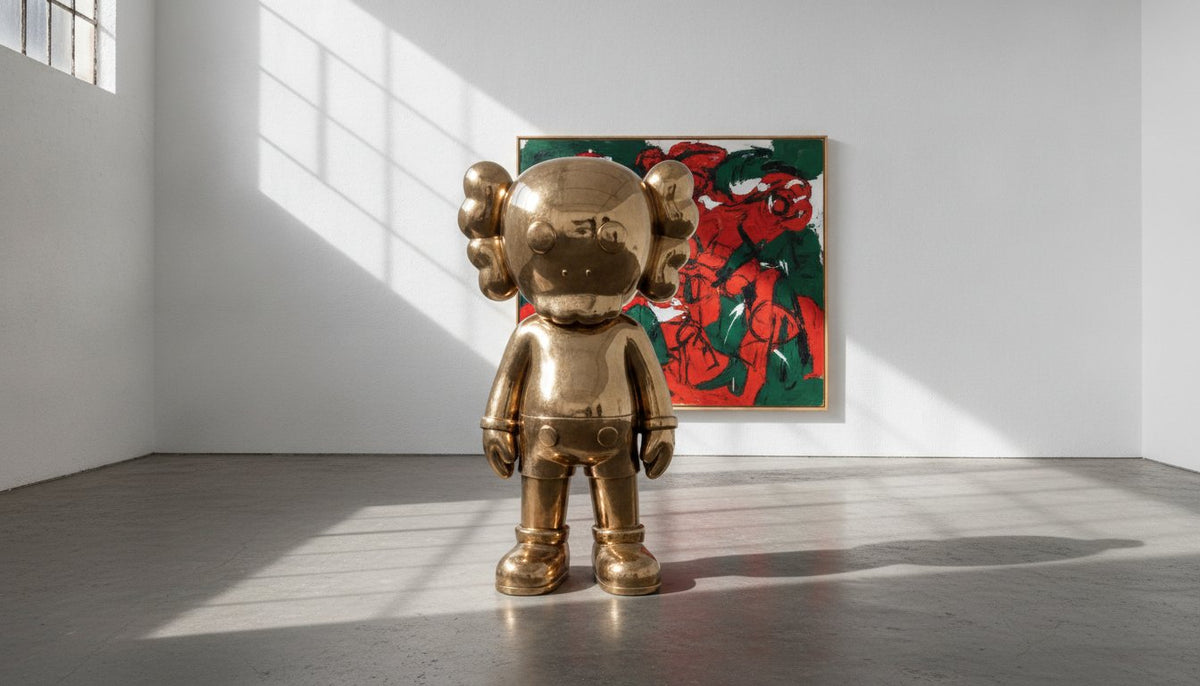
Pop Art Investment Guide 2026: The Specification of Physical Scarcity
Not everyone understands why a physical character holds more weight than a thousand pixels. That’s rather the point. The volatility of digital markets has finally met its match in the quiet, heavy ...
Read more
Leave a comment
This site is protected by hCaptcha and the hCaptcha Privacy Policy and Terms of Service apply.