
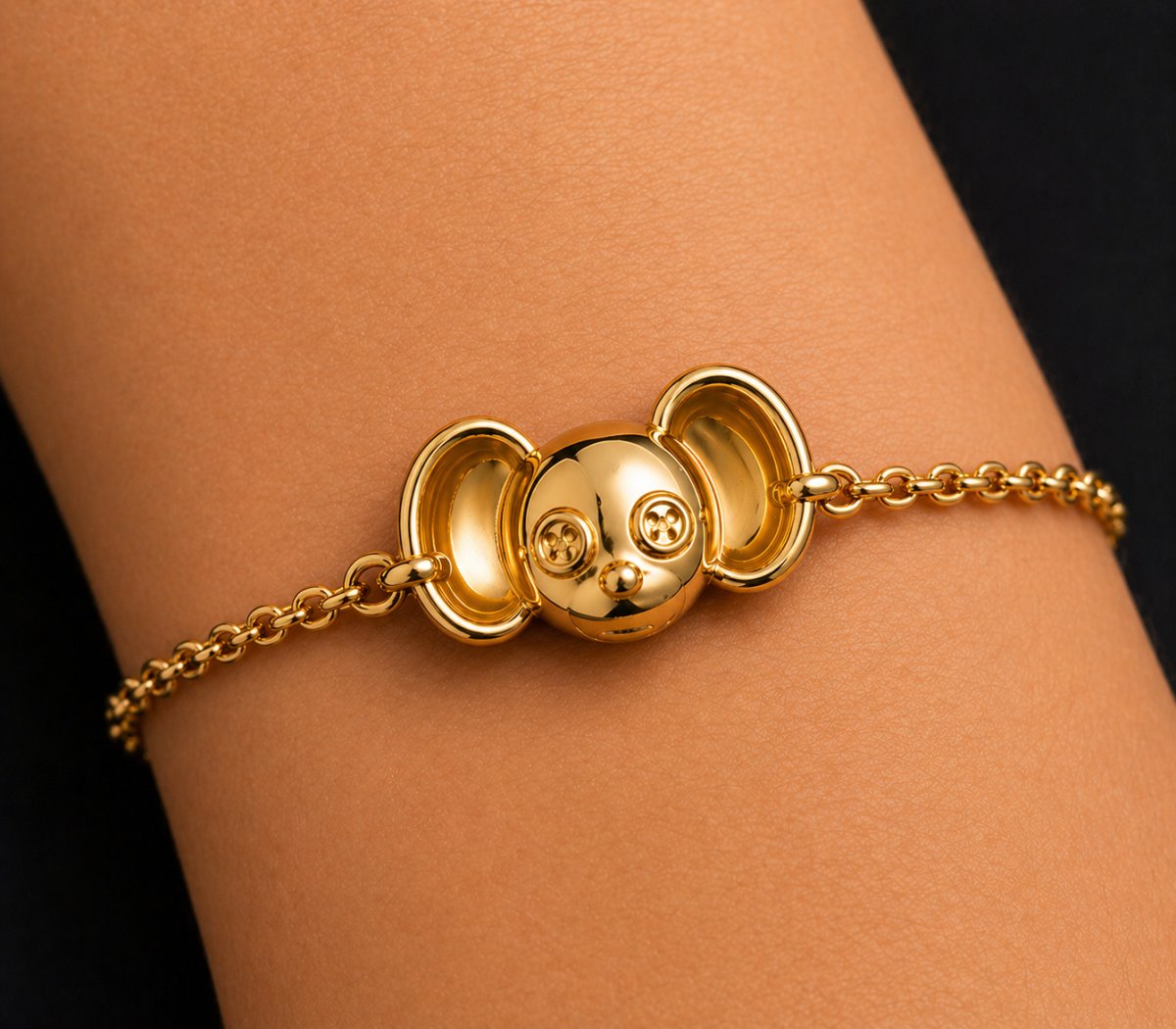
Pop Culture Fine Art: Why the Next Era of Collecting Favors Narrative and Craft
The most enduring piece in your home isn't the one that simply mirrors a famous face. It's the one that captures a feeling you thought was yours alone. You've likely noticed the quiet exhaustion settling over the market, where an oversaturation of generic, mass-produced prints has left collectors longing for something more substantial. It's becoming harder to find pop culture fine art that balances contemporary themes with the gravity of traditional craftsmanship. You want a collection that feels like a shared journey, not just a transaction.
We agree that a truly great work should offer more than just a flicker of nostalgia. It must possess a narrative weight that anchors a room and speaks to the human condition. In this exploration, you'll discover how the next era of collecting is moving away from the polished digital aesthetic toward the intentional imperfections of the human hand. We'll look at why original stories and physical mediums are becoming the new standard for those who seek a direct, visceral connection with a creator's vision.
Key Takeaways
- Understand the shift from nostalgia to narrative, where collectors prioritize works that explore internal reflection and the complexities of the human condition.
- Discover why traditional mediums like oil on canvas and bronze sculptures provide a sense of permanence and "soul" that digital or mass-produced works cannot replicate.
- Master a three-point checklist—Medium, Narrative, and Rarity—to distinguish high-end pop culture fine art from generic, mass-market decor.
- Learn to evaluate the long-term value of original physical hybrids and limited edition prints as the market moves toward greater transparency and craftsmanship.
- Align your collection with the vision of a "philosophical storyteller" to ensure every acquisition adds meaningful weight and personal resonance to your gallery.
The Evolution of Pop Culture Fine Art: From Nostalgia to Narrative
Pop culture fine art is the intersection of the contemporary zeitgeist and classical technique. It is a space where the fleeting icons of our modern world are anchored by the weight of traditional craftsmanship. While the mid-century roots of Pop Art focused heavily on the irony of mass production and commercial repetition, the landscape in 2026 has shifted toward something far more intimate. Today's collectors aren't seeking another reproduction of a corporate logo or a celebrity face. They're looking for works that explore internal reflection, human struggle, and the complexities of the heart.
This transition marks the emergence of narrative pop art as the new frontier for serious investment. It represents a move away from art that merely observes culture to art that actively creates its own mythology. For the collector, this shift offers a profound emotional connection. It moves the conversation beyond simple recognition and into the realm of shared experience. By utilizing permanent mediums like oil on canvas or bronze, artists are grounding these modern stories in a sense of timelessness that digital trends simply cannot achieve. It's a deliberate return to the human hand in an increasingly automated world.
The Rise of the Original Character
The most significant change in the current era is the movement away from traditional fan art toward original myth-making. While fan art relies on the pre-existing emotional equity of a movie or comic franchise, original characters like Mylo and Nova offer a blank canvas for universal human stories. These figures don't carry the baggage of a scripted plot; instead, they serve as vessels for the artist's philosophy and the collector's personal interpretation. They're multifaceted personalities that reflect our own vulnerabilities and triumphs.
An artist's original vision possesses a longevity that trend-based work lacks. It allows for a cohesive ecosystem of narrative pop art where bold aesthetics meet the human story. This approach transforms a collection from a series of disconnected images into a curated gallery of characters that grow with the viewer over time. It's the difference between buying a souvenir of someone else's story and investing in a legacy that is uniquely yours. In the world of pop culture fine art, the most valuable narrative is the one that feels like it was written just for you.
The Weight of the Physical: Why Oil and Bronze Define Modern Pop Art
In a world increasingly mediated by screens, the physical art object has become a site of quiet rebellion. While digital reproductions offer a fleeting convenience, they often lack the "soul" that comes from the artist's direct contact with a surface. For the discerning collector, pop culture fine art is no longer just about the image; it's about the medium. The tactile reality of a heavy canvas or the cool weight of cast metal transforms a piece from decor into a shared philosophical journey. It's a dialogue between the creator's hand and the viewer's eye.
This return to craftsmanship marks a departure from the mass-produced irony often associated with the movement. While historical contexts, such as Tate's definition of Pop Art, highlight its origins in commercial imagery, the new era prioritizes the permanence of traditional materials. Texture acts as a signature of authenticity. A visible brushstroke or a unique metal patina provides a narrative weight that a digital print simply can't replicate. It reminds us that behind every icon is a human struggle.
Oil on Canvas: Capturing the Vulnerable Heart
Oil on canvas remains the gold standard for expressive narrative. There is a specific alchemy in the way oil paint interacts with light, allowing for an interplay of bold color and delicate emotional states. Contemporary painting in this genre doesn't just depict a character; it captures their internal weather. The thickness of the paint and the deliberate imperfections of the application create a sense of life. Collectors are drawn to this depth, often choosing to explore original oil on canvas collections to find pieces that resonate with their own internal narratives.
Bronze: Modern Myth in Ancient Metal
Bronze offers a different kind of resonance. It's the ultimate investment for those seeking timelessness. Translating a character from a two-dimensional sketch into a physical, heavy bronze form is an act of myth-making. This process involves a transition from the ephemeral to the enduring. The weight of the metal provides a physical presence that commands a room, turning a contemporary character into a modern monument. It's a way of ensuring that these stories survive the shifting tides of digital trends. If you're looking to begin your own journey into tactile storytelling, you might consider how curating a physical collection can ground your space in something truly lasting.

Curating with Intent: How to Evaluate Your Next Acquisition
Building a collection is an act of self-discovery. It's a process of selecting objects that reflect your own values and curiosities. To move beyond the world of mass-market decor, you must learn to distinguish between a "cool print" and a foundational piece of pop culture fine art. This requires looking past the surface to understand the intention behind the creation. You aren't just buying an image; you're investing in a perspective.
To evaluate a potential acquisition, consider this three-point checklist to ensure your collection has lasting resonance:
- Medium: Does the physical form support the story? As we've explored, a bronze sculpture or an oil painting carries a different narrative weight than a standard digital print.
- Narrative: Is the work part of a larger mythology? Look for original characters that explore universal human struggles rather than fleeting pop-culture trends.
- Rarity: Understand the edition size. A signed and numbered piece from an independent studio ensures a level of exclusivity that mass-produced works lack.
The artist's "why" is always more important than the aesthetic "what." A piece that looks beautiful but lacks a philosophical core will eventually lose its luster. You want to invest in a vision that challenges you to think and feel. It's the difference between a decoration and a legacy.
The Collector’s Choice: Prints vs. Originals
The journey of a collector often begins with Limited Edition Prints. These offer an accessible entry point into an artist's world while maintaining the integrity of a restricted run. However, those seeking to build a legacy often move toward original works. Hybrids on Paper serve as a sophisticated middle ground; they combine the precision of a base image with the unique, hand-applied textures that only the artist can provide. Each hybrid is a singular conversation between the creator and the collector, ensuring that no two pieces are exactly alike.
Authenticity in the Independent Studio
Provenance is the bedrock of any serious collection. By acquiring work directly from an independent, artist-owned studio, you bypass the detached nature of large-scale galleries. This direct connection ensures that your piece is authentic and that your support directly fuels the artist’s continued storytelling. It transforms the act of buying into a partnership. If you're ready to find a piece that speaks to your own journey, you can browse our latest studio releases to discover work that prioritizes craft over convenience.
Fringe: Where Contemporary Art Meets the Human Condition
The true value of a collection isn't found in its market price, but in the depth of its story. Fringe exists at the delicate intersection where the avant-garde meets the everyday, acting as a guide through the complexities of the heart. This is pop culture fine art stripped of its commercial cynicism and replaced with a vulnerable, grounded warmth. It's an invitation to move beyond the surface and engage with a world that mirrors our own internal struggles and triumphs.
Through characters like Mylo, Nova, and Gutinke, the studio explores universal themes of empathy and resilience. These figures aren't static icons or marketing tools. They're multifaceted personalities designed to be vessels for your own experiences. Whether a narrative is expressed through the timeless weight of a bronze sculpture or the layered textures of an oil painting, the mission remains consistent. We aim to create a shared philosophical journey between the creator and the collector. This isn't a standard transaction; it's a partnership in storytelling.
More Than a Toy: The Soul of the Object
The Fringe ecosystem extends into the tactile world of three-dimensional forms. Our collectible toys bridge the gap between high art and the visceral joy of a physical object. They carry the same narrative weight as a gallery painting, proving that a figure can possess a soul when it's born from a place of sincerity. These objects are meant to be touched, held, and lived with. You can delve deeper into this intersection by reading The Soul of the Object: A Guide to Collectible Designer Toys in 2026.
Join the Narrative
Art is never a solitary experience. It requires a companion to witness the story and give it life. We invite you to step beyond the role of a spectator and become a part of this evolving mythology. By staying informed through our studio’s journal, you connect directly with the "why" behind every new creation. This ensures your collection remains a living reflection of your own growth and curiosity. A great work of art doesn't just sit on a wall; it lives in the mind. It becomes a permanent resident of your emotional landscape. Explore the latest narratives at Fringe and find the character that speaks your unspoken truths.
Building a Legacy of Narrative Substance
The era of the mass-produced icon is fading, making way for a more intimate relationship between the collector and the work. We've explored how the tactile weight of bronze and the rich depth of oil on canvas provide a permanence that digital trends cannot match. By prioritizing original narratives over fleeting fan art, you ensure your collection remains a deeply personal reflection of the human condition. It's a choice to invest in the enduring rather than the momentary. Every decision to curate with intent is a step toward a gallery that speaks with a unique and authoritative voice.
This shift into high-end pop culture fine art is about more than just aesthetics; it's about finding a profound narrative weight within the physical object. Every hand-crafted bronze sculpture and original oil painting carries a global provenance and a character-driven story designed to transcend passing trends. You aren't just acquiring a piece of art; you're becoming a custodian of a shared philosophical journey. Your collection should be as multifaceted and resilient as you are.
Begin your journey with Fringe: Explore our latest Pop Culture Originals. Let your space become a quiet, powerful testament to the stories that move your heart and challenge your mind. The most meaningful collections are those that grow alongside us, mirroring our own complexities with grace and sincerity.
Frequently Asked Questions
What is the difference between pop art and pop culture fine art?
Pop culture fine art prioritizes original, character-driven narratives and classical craftsmanship over the mass-production themes of mid-century Pop Art. While traditional movements often focused on the irony of commercial icons, this new era seeks a deeper emotional resonance. It uses permanent mediums like oil on canvas to ground contemporary stories in a sense of timelessness. It's the difference between observing culture and actively creating a new mythology.
Why are original bronze sculptures considered a good art investment?
Bronze sculptures offer a level of physical permanence and historical weight that digital or ephemeral works lack. As an ancient medium, bronze translates contemporary characters into enduring modern monuments. The rarity of limited editions combined with the material's inherent value makes these pieces stable assets. Collectors are increasingly drawn to the tactile "soul" of metal, especially as the market shifts away from purely digital aesthetics toward the visible hand of the creator.
How do I start a pop culture art collection on a budget?
Limited edition prints and hybrids on paper are excellent entry points for new collectors. These works allow you to own a piece of an artist's vision at a more accessible price point than original oil paintings. Statistics from 2026 show steady growth in this segment; for instance, the average value of Takashi Murakami prints has seen a 10% growth over the last five years. It's a strategic way to build value while staying connected to original narratives.
What makes a "designer toy" qualify as fine art?
A designer toy qualifies as fine art when it serves as a vessel for a specific philosophical narrative and is produced in limited quantities. These objects bridge the gap between high art and tactile play, acting as three-dimensional character studies. When an artist uses a figure to explore themes like empathy or struggle, the object transcends its form. It becomes a sculpture that invites interaction, carrying the same narrative weight as a canvas.
Can I buy pop culture fine art directly from the artist?
Buying directly from an independent, artist-owned studio is the most effective way to ensure provenance and authenticity. This direct connection allows you to bypass the traditional gallery system and support the creator’s continued storytelling. It transforms a simple purchase into a shared journey. You gain a clearer understanding of the artist's "why" while ensuring that your acquisition is a genuine piece of the studio’s evolving mythology.

Article by
Fringe

Read more
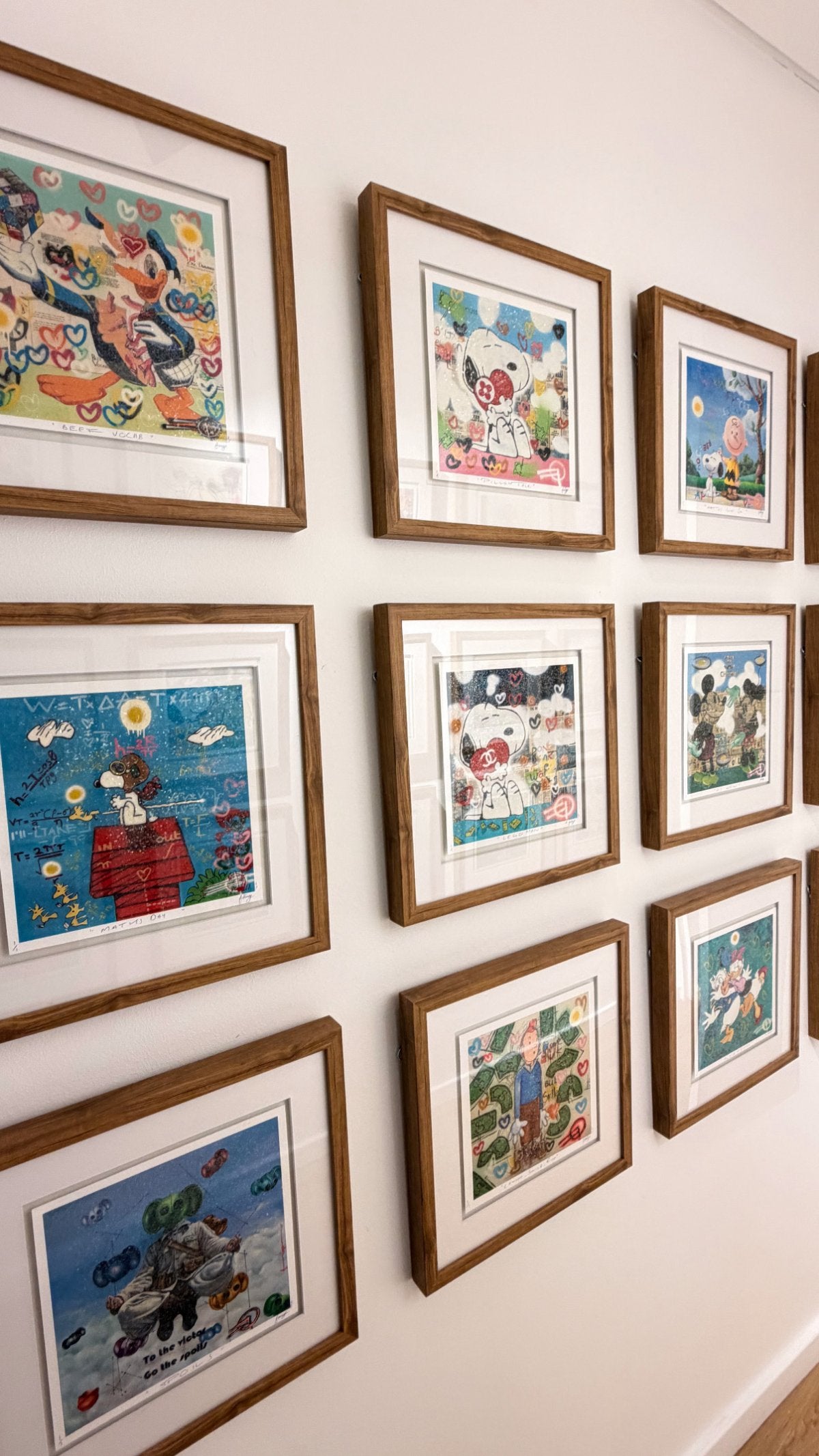
The Art of the Intimate Statement: A Guide to Expressive Pop Art Paintings for Sale
The soul of a painting is too often sacrificed for the speed of a digital print. It's easy to feel overwhelmed by the volume of mass-produced imagery that populates our screens and our walls. You'v...
Read more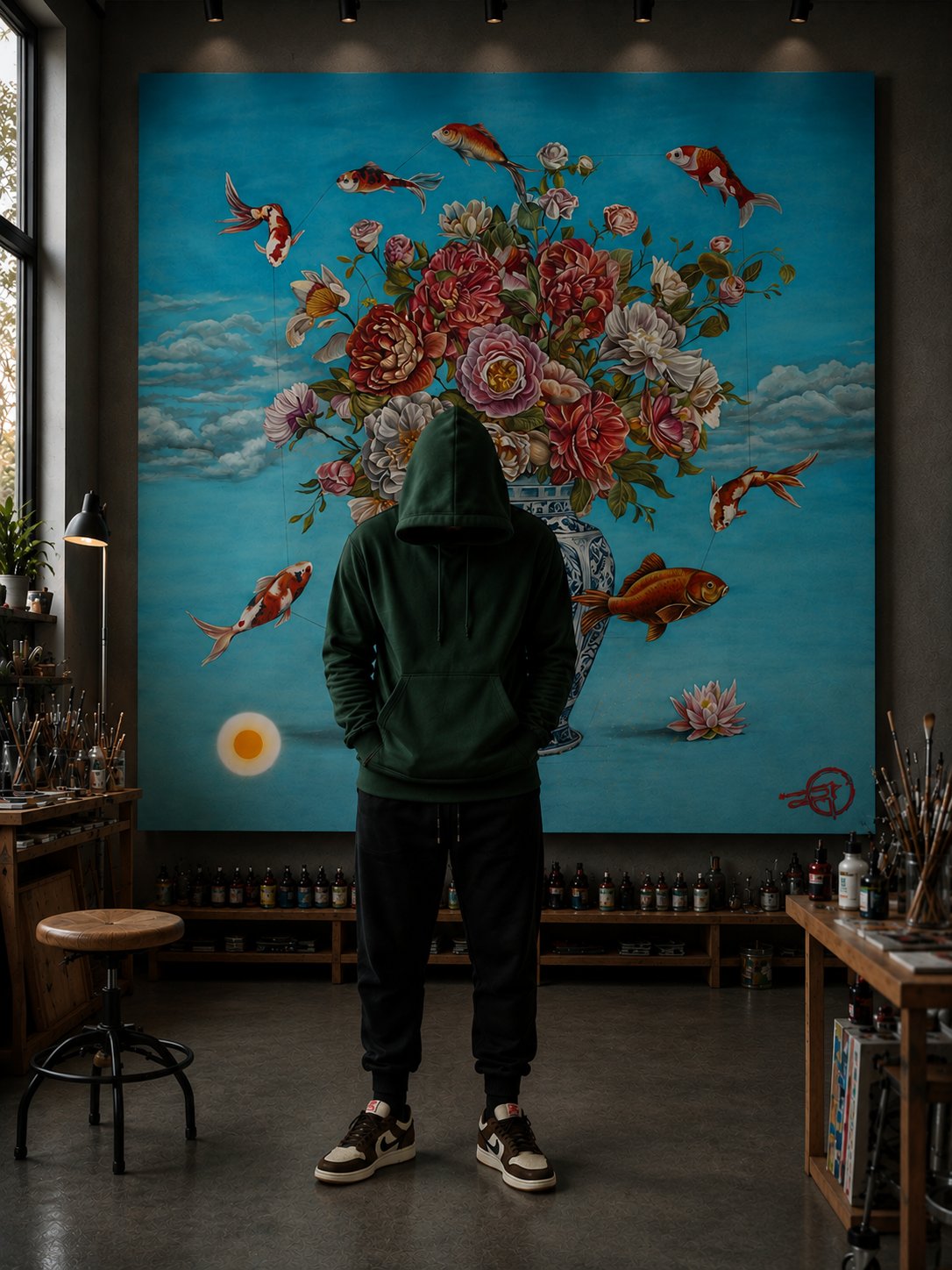
The Collector’s Guide to Oil on Canvas: Acquiring Contemporary Pop Art with a Soul
The most rebellious act in a digital, mass-produced age is the pursuit of something that breathes. While the art world often chases the fleeting spark of a trend, the enduring depth of an oil on ca...
Read more
Leave a comment
This site is protected by hCaptcha and the hCaptcha Privacy Policy and Terms of Service apply.