
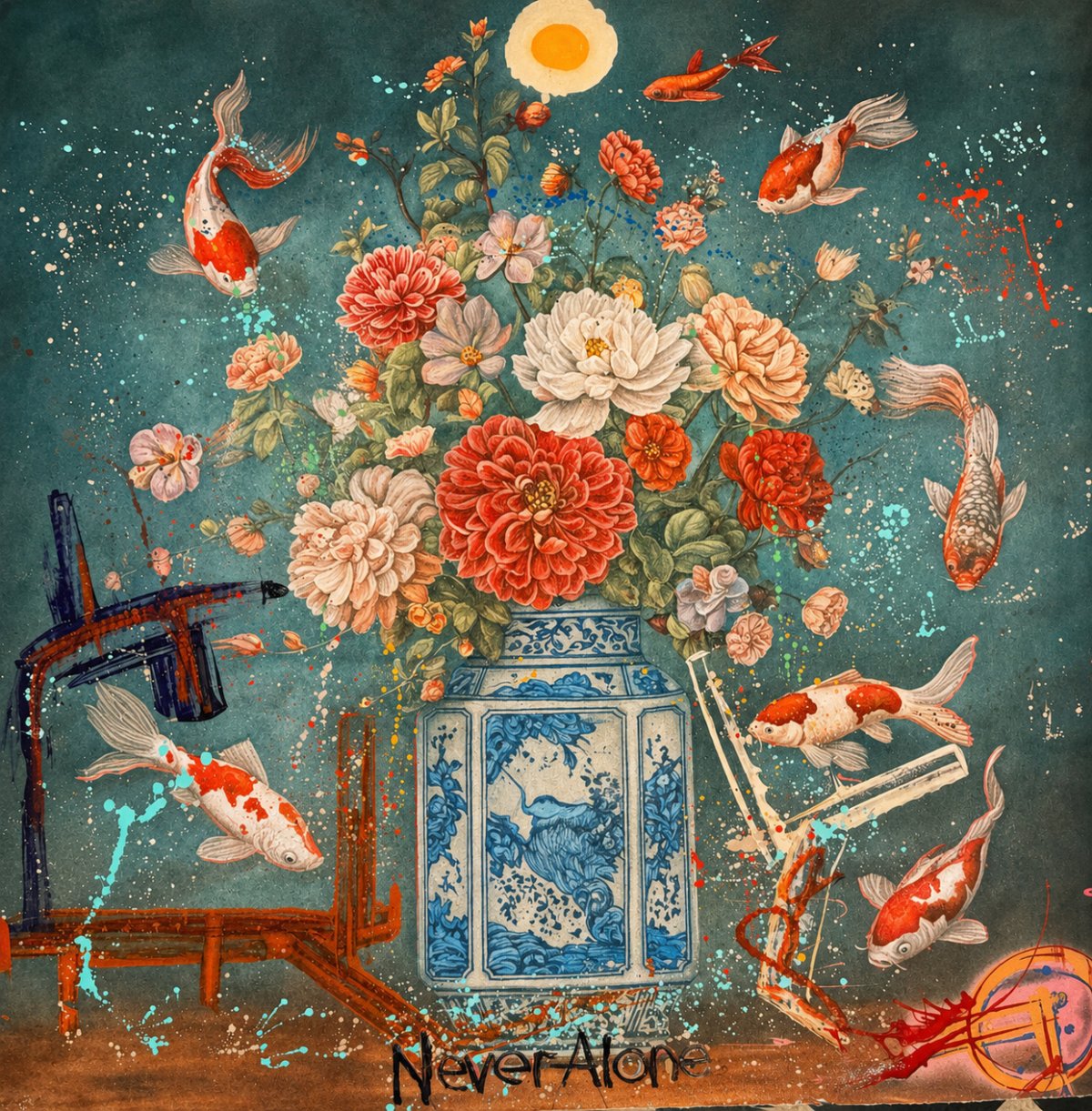
Narrative Pop Art: Where Bold Aesthetics Meet the Human Story
What if the neon glow and bold outlines of a canvas were more than just a commentary on mass production? While the 1960s gave us a mirror of the commercial world, narrative pop art offers something much more intimate; it provides a window into the human condition. You might often feel that contemporary art has become too elitist or detached, leaving a void where a story should be. It's a common struggle to find a piece that commands a room with its aesthetic power while still whispering a secret about what it means to love, lose, or hope. We often crave a sense of "soul" that feels increasingly rare in a digital-first world.
This article explores how modern creators are reclaiming the narrative weight of the object. You'll discover how narrative pop art transcends the bright surfaces of the past to become a profound vessel for contemporary storytelling and emotional connection. We will look at the philosophical depth behind these pieces and learn how to identify high-end work that resonates with your own history. By the end, you'll see how this movement transforms from a critique of the external into a celebration of the internal, helping you connect with an artist who values empathy as much as technique.
Key Takeaways
- Learn how narrative pop art evolves the movement from a critique of consumerism into a deeply personal exploration of the human pulse.
- Understand why the choice of medium, such as bronze sculptures or oil on canvas, is essential for creating a sense of timelessness and connection.
- Discover practical ways to curate a collection that values the artist's voice and the "why" behind the creation rather than just visual trends.
- Meet the characters of the Fringe world who translate abstract philosophical concepts into relatable stories of connection and struggle.
Table of Contents
-
What is Narrative Pop Art? Defining the Human Pulse in Color
-
The Evolution of Pop: From Mass Consumption to Personal Myth
-
Curating a Narrative Collection: A Guide for the Modern Observer
What is Narrative Pop Art? Defining the Human Pulse in Color
Imagine standing before a canvas that vibrates with the electric energy of a city street yet speaks with the quiet intimacy of a late-night confession. This experience defines the contemporary shift in our visual culture. While the historical Pop Art movement often focused on the transient and the mass-produced, narrative pop art invites us into a deeper, more intentional space. It uses the bold, familiar language of comic strips and advertisements not to critique consumerism from a distance, but to explore the internal landscapes we all inhabit. It's a movement that values the personal over the commercial.
Narrative pop art is the intersection of iconic aesthetics and visceral storytelling. It bridges the gap between the high-concept avant-garde and the relatable rhythms of the everyday through evocative scenarios and characters that feel like old friends. Instead of feeling detached or elitist, these works offer a shared journey. They ask the viewer to look past the bright saturation to find a reflection of their own heart. It's art that doesn't just sit on a wall; it lives alongside you.
The Shift from Surface to Soul
For the modern collector, the surface-level fascination of the 1960s is no longer enough. We live in a world saturated with digital ghosts and fleeting images, making us crave something with a tangible spirit. Narrative pop art acts as a philosophical storyteller for the 21st century by prioritizing empathy and vulnerability. It recognizes that a bold aesthetic is only truly powerful when it resonates across generations by touching on universal truths. This shift represents a move away from the impersonal factory model toward a studio practice that values the individual soul and the shared human struggle.
Visual Language vs. Narrative Weight
In this movement, color serves as more than just an attention-grabbing tool. It functions as an emotional signifier. A vibrant blue might represent the vastness of a dream, while a sharp yellow could signal a moment of sudden clarity. These character-based compositions create a narrative weight that anchors the viewer, preventing the eye from simply sliding over the surface. It encourages a state of quiet observation. Even within a loud and vibrant aesthetic, there is space for reflection. The art doesn't just shout; it breathes.
The Evolution of Pop: From Mass Consumption to Personal Myth
The history of pop art is often told as a story of the machine. Andy Warhol famously expressed a desire to be a robot, operating out of a space he called "The Factory," where art was manufactured with the same detached efficiency as a soup can or a celebrity portrait. It was a movement that looked outward, reflecting the shiny, disposable surfaces of a booming consumer culture. Today, the independent artist’s studio has replaced the factory. The focus has turned inward. We are witnessing a quiet revolution where the bold lines of the past are being repurposed to map the intricate geography of the human heart.
This transition marks a shift from celebrating the famous to exploring the everyman. While early pop art relied on the recognition of Hollywood icons, modern narrative pop art finds its power in original characters who carry no previous baggage. These figures act as vessels for our own stories. By doubling down on physical, tactile presence, this movement has survived the digital age. In a world of fleeting pixels, the weight of a physical object offers a grounding reality. It creates a duality where we can embrace the nostalgia of classic aesthetics while confronting the anxieties of an uncertain future.
The Death of the Expendable
We must challenge the traditional Tate's definition of Pop Art, which historically categorized the movement as expendable, transient, and low cost. Modern creators are proving the opposite. They are building works designed to endure. The rise of the "Art Toy" and "Character Sculpture" has transformed what was once considered play into a serious fine art investment. Research indicates that the prints and multiples market grew by 16% year on year by the end of Q3 2025, reflecting a growing desire for limited editions that foster a sense of shared history among collectors. You can find these enduring narrative-driven limited editions that bridge the gap between play and philosophy.
Original Characters as Modern Archetypes
Moving beyond the recycled imagery of Mickey Mouse or Marilyn Monroe, artists are now crafting their own modern archetypes. Characters like Mylo and Nova are not just drawings; they are embodiments of universal emotional states. Mylo might represent the quiet weight of struggle, while Nova captures the spark of curiosity that leads us into the unknown. These figures allow the artist to act as a guide through a character-driven world. They provide a mirror for our own internal states, making the avant-garde feel as intimate as a childhood memory. Through these figures, art becomes a shared philosophical journey rather than a distant observation.
The Tactile Story: Why Medium Matters in Narrative Art
There is a distinct, visceral shift that occurs when you move from observing a digital screen to standing before a physical creation. While we've explored how the evolution of Pop Art moved from the factory to the studio, the choice of medium is what truly anchors these stories in reality. A narrative needs a home. It requires a physical vessel that can carry the soul of the artist's intent. In the world of narrative pop art, the material isn't just a surface; it's an active participant in the storytelling process. It's the difference between a fleeting thought and a lasting memory.
Hybrids on paper offer a unique window into this creative journey. These mixed-media works reveal the vulnerability of the artist’s hand, showing the rhythmic interplay between different textures and techniques. There is an inherent honesty in the way ink meets pencil or paint. It suggests a work in progress, mirroring the way our own internal stories are often layered and unfinished. This physical weight is essential for a narrative to feel authentic, providing a grounding force in an increasingly digital-first world where objects often feel hollow or temporary.
Bronze: The Weight of Time
Using an ancient, heavy medium like bronze for contemporary pop characters creates a beautiful paradox. Bronze sculptures provide a timelessness that directly contradicts the transient, disposable nature of traditional pop culture. The patina and texture of the metal tell a story of their own, changing subtly as they interact with light and touch over the years. This narrative weight allows a character to step out of the two-dimensional world and occupy space with a quiet authority. It transforms a playful figure into a serious philosophical anchor for a room.
Oil on Canvas: The Vulnerability of Texture
Oil remains perhaps the most human medium for figurative work. The way a hand-painted oil on canvas catches the light reveals a depth that a flat print cannot replicate. It allows for the exploration of multifaceted personalities through layers of paint. Expansive brushstrokes might suggest a sense of movement or struggle, while grounding details provide clarity and focus. This texture invites the viewer to slow down. It encourages a deeper connection with the character, as the physical evidence of the artist's labor becomes a bridge for empathy and shared experience.

Curating a Narrative Collection: A Guide for the Modern Observer
Building an art collection is an act of self-reflection. It's a process of selecting objects that don't just decorate a room but actually speak to the soul of the person living within it. When you begin to explore narrative pop art, the first step is to look beyond the immediate visual impact. While the bold colors and iconic lines might catch your eye, the true value lies in the "why" behind the creation. A meaningful collection acts as a map of your own internal landscape, pairing the nostalgia of what you've known with the curiosity of where you're going. It's about finding a companion for your thoughts.
One of the most effective ways to start this journey is by balancing your space with a mix of "bold statement" pieces and "contemplative" works. A large oil on canvas might command the energy of a living area, while a series of smaller character studies can create a quiet, reflective corner in a study or bedroom. This duality ensures that your home gallery feels like a living story rather than a static display. By buying directly from an independent studio like Fringe, you bypass the detached, elite persona of traditional galleries. You're not just acquiring an object; you're entering a shared philosophical journey with the creator.
Evaluating Narrative Depth
To identify a piece with staying power, ask yourself if it evokes a question. Does the character feel like they have a human pulse? Narrative pop art succeeds when the figure on the canvas or the bronze sculpture feels like a companion rather than a stranger. For those just beginning to curate, Limited Edition Prints offer a sophisticated and accessible entry point. Recent market data shows that works priced under $50,000 accounted for 61% of total lots sold in 2025, a significant rise that proves collectors are increasingly prioritizing emotional resonance and narrative velocity over pure speculation.
The Collector-Artist Relationship
The modern observer craves authenticity and a direct connection to the artist's voice. This relationship is built on empathy and a shared understanding of the human condition. When you engage with an artist's world through their character studies, you're investing in a story that will endure long after trends have faded. The long-term value of art is found in its ability to resonate on an emotional level every time you walk past it. If you're ready to find a piece that speaks to your own history, you can explore our current narrative collections and discover a character that mirrors your journey.
Living Stories: The Character-Driven World of Fringe
The world of Fringe is not just a place where objects are made. It's an ecosystem of shared philosophical journeys. Here, narrative pop art serves as a bridge, translating the abstract complexities of the heart into relatable figures that you can bring into your home. Each creation begins with a moment of quiet observation. It's a reflection on the universal struggles and connections that define us all. This mission is about more than just aesthetics. It's about finding a human pulse within the vibrant colors and bold lines of contemporary art, ensuring that every piece feels like a living part of your story.
Meet the Characters
At the center of this world are figures like Mylo and Nova. They don't just exist as drawings; they explore the multifaceted nature of the human heart. Mylo often represents the weight of the past, while Nova looks toward the intersection of our future dreams. They are archetypes for the modern age, helping us navigate the complexities of our own emotions. Then there is Gutinke, who embodies the quiet observation of human nature in its most physical form. These characters evolve across different mediums, gaining new layers of meaning as they move. An image might start as an oil painting, rich with texture, before finding a new sense of permanence as a bronze sculpture. This evolution allows the story to breathe in different environments, adapting to the space it inhabits.
The Fringe Studio Experience
The craft behind every form starts long before the brush touches the canvas or the clay is molded. It begins with deep internal reflection. We believe that for an object to have "soul," it must be born from a place of sincerity and vulnerability. This is why Fringe intentionally avoids the world of digital NFTs. In a digital-first world, there is a profound anxiety about the loss of the physical and the authentic. We choose to double down on the narrative weight of tangible objects. Whether it's the delicate vulnerability of hybrids on paper or the enduring strength of bronze, the goal is always a physical connection. You can explore our current collection of original pop art and collectibles to find the character that mirrors your own journey.
Embrace the Narrative Pulse: Finding Your Story in the Canvas
Narrative pop art is more than a visual style; it's a commitment to the "soul" of a physical object. We've explored how the movement has evolved from the detached factory models of the past into an intimate, independent studio practice that values the human pulse. By choosing tactile mediums like original bronze sculptures or hand-painted oil paintings, you anchor your home gallery in a reality that digital images simply can't replicate. It's about finding characters like Mylo and Nova who act as mirrors for your own internal states and companions through the complexities of the heart.
This is your invitation to move beyond the shiny surface of mass consumption. Engaging with an independent artist-owned studio allows you to build a collection rooted in empathy and shared philosophical exploration. You aren't just acquiring a piece of art; you're participating in a living story that bridges the nostalgia of your history with the curiosity of your future. Begin your journey into the world of Fringe and discover narrative art that resonates. Your collection is a reflection of your own internal landscape, and the next chapter is waiting for you to discover it.
Frequently Asked Questions
What makes narrative pop art different from traditional pop art?
Narrative pop art distinguishes itself by prioritizing internal storytelling over the external critique of consumerism found in traditional pop art. While the original movement often celebrated the impersonal and the mass-produced, this contemporary evolution focuses on the human pulse. It uses bold aesthetics to create a window into the soul rather than a mirror of the marketplace. This shift allows the work to feel intimate and accessible rather than detached.
Are character-based sculptures considered "fine art"?
Character-based sculptures have firmly established themselves as fine art, particularly when rendered in timeless materials like bronze. These pieces offer a physical weight that transcends the temporary nature of pop culture icons. The market for character-driven work has matured significantly, with collectors now viewing these sculptures as serious philosophical anchors that bring a sense of "soul" to a high-end collection.
Why does Fringe focus on physical art instead of digital NFTs?
We prioritize physical art to counter the growing anxiety about the loss of the "soul" of an object in a digital-first world. Physical pieces possess a narrative weight that pixels cannot replicate. This tactile presence creates a lasting emotional connection, offering a grounding reality that resists the fleeting nature of digital trends. We believe the story is best told through something you can touch and hold.
How do I start a collection of narrative pop art?
Starting a collection of narrative pop art begins with identifying pieces that resonate with your own history. You should look for the "why" behind a character before considering the visual impact. Limited Edition Prints or hybrids on paper serve as sophisticated entry points, allowing you to build a cohesive story within your home while connecting directly with the artist's vision at your own pace.
What is the significance of characters like Mylo and Nova?
Characters like Mylo and Nova function as modern archetypes for universal emotional states. Mylo often embodies the quiet weight of struggle and the complexities of the past, while Nova represents the spark of curiosity and the future. They are designed to be companions for the collector, translating abstract philosophical journeys into relatable human forms that exist across various mediums like oil on canvas and bronze.
Does narrative pop art hold its value as an investment?
Market trends indicate that contemporary work under $50,000 accounted for 61% of total lots sold in 2025, showing a strong appetite for accessible fine art. Additionally, the prints and multiples market saw a 16% rise by the end of Q3 2025. While art should always be an emotional choice, these figures suggest a robust and growing interest in character-driven contemporary pieces that offer narrative velocity.
How can I tell if a pop art piece has "narrative weight"?
You can identify narrative weight by observing if a piece invites a state of quiet observation rather than just a quick glance. Does the character’s posture or expression evoke a question about their internal state? If the work feels like it is whispering a secret about the human condition or a shared struggle, it likely possesses the depth required to endure beyond a passing trend.

Article by
Fringe

Read more

Narrative Pop Art: Where Bold Aesthetics Meet the Human Story
What if the neon glow and bold outlines of a canvas were more than just a commentary on mass production? While the 1960s gave us a mirror of the commercial world, narrative pop art offers something...
Read moreNarrative Pop Art: Where Bold Aesthetics Meet the Human Story
What if the neon glow and bold outlines of a canvas were more than just a commentary on mass production? While the 1960s gave us a mirror of the commercial world, narrative pop art offers something...
Read more
Leave a comment
This site is protected by hCaptcha and the hCaptcha Privacy Policy and Terms of Service apply.