
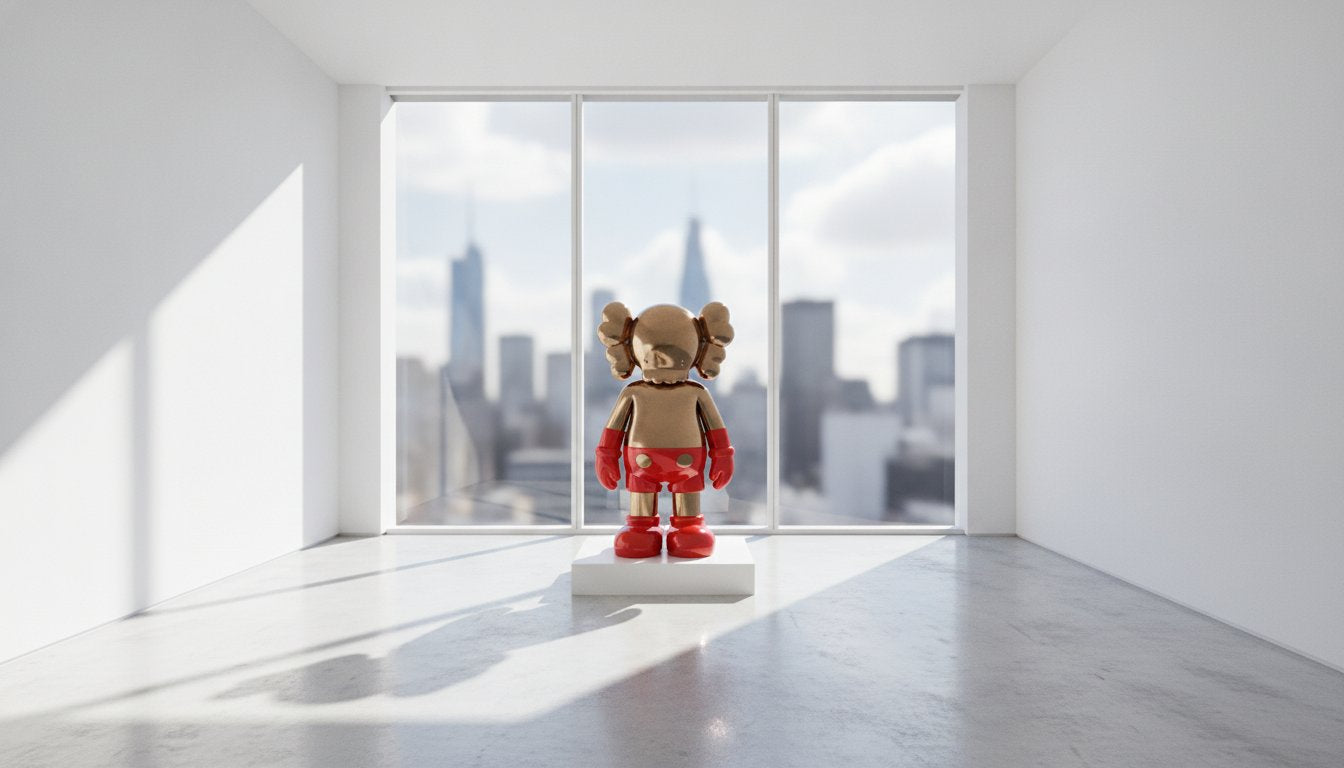
How to Display Pop Art Sculptures: A Curatorial Specification
Not everyone understands Mylo. That’s rather the point. A sculpture is not a decorative accessory; it is a physical truth that demands a specific spatial dialogue. Many collectors struggle with how to display pop art sculptures because they treat them as static objects rather than narrative anchors. You likely recognize that a high-value bronze or a complex paint finish requires more than a vacant shelf.
This specification provides the technical and spatial framework needed to position these works with authority. We will define exact lighting requirements to prevent the UV damage that conservation-grade standards address. You will find the data required to secure your collection, from specialist insurance considerations to the load capacities of residential flooring for large-scale bronze. The goal is a display that reflects the internal weight of the work itself.
Key Takeaways
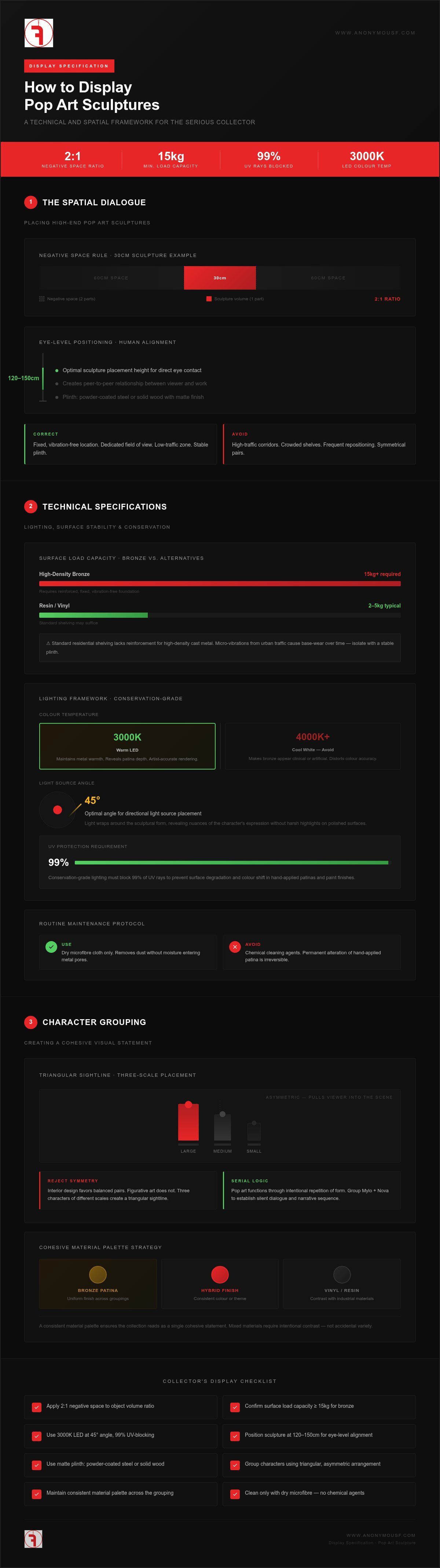
- Apply a 2:1 ratio of negative space to physical volume to ensure the object’s narrative presence is not crowded.
- Confirm display surfaces meet the 15kg load capacity required for high-density bronze sculptures.
- Use the technical framework for how to display pop art sculptures with conservation-grade lighting that blocks 99% of UV rays.
- Establish a visual dialogue by grouping characters like Mylo and Nova to create a cohesive character study within the space.
The Spatial Dialogue: Placing High-End Pop Art Sculptures
Pop art sculptures occupy more than physical volume; they command specific narrative attention. The object doesn't simply sit in a room. It alters the room's frequency. A 30cm bronze sculpture requires a minimum of 60cm of negative space to breathe. This is a spatial requirement. If you crowd a character like Mylo, you strip it of its autonomy. Understanding how to display pop art sculptures involves managing these invisible boundaries. Avoid placing objects in high-traffic corridors. Physical risk is one factor. Narrative distraction is another. The work requires a dedicated field of view to function as intended.
Not every corner deserves a bronze. The placement must reflect the object’s weight and the collector's intent. High-density materials like bronze carry a permanence that demands a fixed location. Moving these pieces frequently invites surface degradation and disrupts the room's flow. A sculpture should feel as though it was always meant to stand in its chosen spot, indifferent to the movement around it.
Strategic Sightlines and Narrative Weight
Positioning is a matter of mathematics. Place the sculpture at a height of 120cm to 150cm for human eye alignment. This height facilitates a direct encounter with the character's gaze. It creates a peer-to-peer relationship between the viewer and the work. Use a plinth with a neutral finish, such as powder-coated steel or solid wood. A matte surface ensures the eye remains on the sculpture's form. For a technical framework on positioning, consult the curatorial strategy for narrative intent. This approach treats the domestic environment as a gallery space where every sightline is a deliberate choice.
Technical Specifications: Lighting and Surface Stability
Bronze sculptures weigh significantly more than resin or vinyl counterparts. This density is the physical manifestation of the work's narrative weight. When considering how to display pop art sculptures, the structural integrity of the display surface is the primary technical concern. Ensure the surface supports a load of at least 15kg for bronze works. Standard residential shelving often lacks the reinforcement required for high-density cast metal. The permanence of bronze requires a fixed, vibration-free foundation. In urban settings, micro-vibrations from external traffic can cause base-wear over time. A stable, isolated plinth prevents this degradation.
Directional lighting emphasizes the specific texture of the patina and the cast metal surface. Without focused illumination, the depth of the metal is lost to ambient shadow. Understanding how to display pop art sculptures with precision requires an awareness of light as a physical tool. The goal is to reveal the artist's hand in the casting process without overwhelming the viewer with glare. Collectors often contrast these heavy metal works with collectable toys to create a dialogue between industrial and modern materials.
Managing the Reflective Properties of Bronze and Hybrid Media
Use 3000K LED lighting to maintain metal warmth without distorting the color. Cooler light temperatures can make bronze appear clinical or artificial. Place the light source at a 45-degree angle to avoid harsh highlights on polished surfaces. This angle allows light to wrap around the form, revealing the nuances of the character's expression. Verify the surface material of the Quiet Boy bronze before selecting cleaning agents. Chemical reactions can permanently alter a hand-applied patina. A dry, microfibre cloth is the only recommended tool for routine maintenance. It removes dust without introducing moisture to the metal pores.
Character Grouping: Creating a Cohesive Visual Statement
Pop art functions through the intentional repetition of form or character within a space. It’s a serial logic. Grouping characters like Mylo and Nova establishes a silent dialogue between the physical pieces, transforming a collection into a narrative sequence. A consistent material palette, such as uniform bronze patinas or specific hybrid finishes, ensures a cohesive visual statement. The narrative of the Mylo by Fringe collection relies on proximity and observation. When considering how to display pop art sculptures, you must treat the collection as a cast of characters rather than a list of assets. Each piece carries an emotional weight that’s amplified when positioned alongside its peers.
The placement of multiple works requires a rejection of symmetry. Interior design often favors balanced pairs. Figurative art does not. Placing three characters of different scales creates a triangular sightline that pulls the viewer into the scene. This priorities the internal life of the object. It ignores the room's decor. This method acknowledges that these characters exist in a shared world, indifferent to the architecture surrounding them. The goal is to build a community of forms that speak to one another through their physical orientation.
The Interaction of Mylo, Nova, and Gutinke in Private Spaces
Position character-based sculptures so they appear to be observing the room or each other. This creates a psychological tension. Utilize varying scales to create depth within a shelf or cabinet display. A large bronze Mylo provides a grounding weight, while smaller figures like Gutinke offer punctuated detail. Maintain a distance of 15cm between smaller collectible toys to preserve individual narrative. This specific gap prevents visual clutter and respects the autonomy of each character. By managing these distances, you allow the sculptures to exist as distinct entities while maintaining their collective resonance.
Establishing the Permanent Narrative
A collection is more than a series of acquisitions; it is a spatial commitment. Mastering how to display pop art sculptures requires a technical understanding of load capacities and 3000K lighting angles to preserve hand-applied patinas. You now have the framework to manage negative space and character grouping, ensuring figures like Mylo maintain their narrative autonomy. These objects don't just decorate a room; they observe it. Bronze sculptures are cast in limited editions with documented provenance, while each piece is hand-finished in the studio to ensure material integrity. Original characters like Mylo are established figures in the contemporary pop art market. The current inventory of bronze sculptures and collectible toys is available for viewing. Your environment is ready to host these stories.
Frequently Asked Questions
How do I choose the right lighting for a pop art sculpture?
The ideal light source is a 3000K LED with a high Color Rendering Index (CRI). This specific temperature maintains the warmth of the cast metal without shifting the color of the patina. Position the light at a 45-degree angle to the sculpture's primary face. This creates soft shadows that define the character's form rather than flattening it with overhead glare.
Can I display bronze pop art sculptures in direct sunlight?
You should avoid placing sculptures in direct sunlight. While bronze is durable, consistent UV exposure can heat the metal and cause the protective wax finish or patina to degrade over time. For hybrid media or paper-based works, use conservation-grade glazing that blocks 99% of UV rays. Protecting the physical integrity of the object is a prerequisite for long-term collection stability.
What is the ideal height for a character-based sculpture display?
Position character-based sculptures between 120cm and 150cm from the floor. This aligns the work with the human eye, establishing a direct connection between the viewer and characters like Mylo or Nova. When deciding how to display pop art sculptures, this height ensures the narrative weight is felt immediately. It treats the sculpture as a presence in the room rather than an ornament.
How much negative space does a 50cm sculpture require?
A 50cm sculpture requires a minimum of 100cm of clear negative space on all sides. This 2:1 ratio prevents the environment from encroaching on the work's narrative field. Crowding a piece of this scale diminishes its authority and turns a sculpture into a mere decorative object. Providing sufficient space allows the character’s silhouette to remain the dominant visual element in the room.

Article by
Fringe

Read more
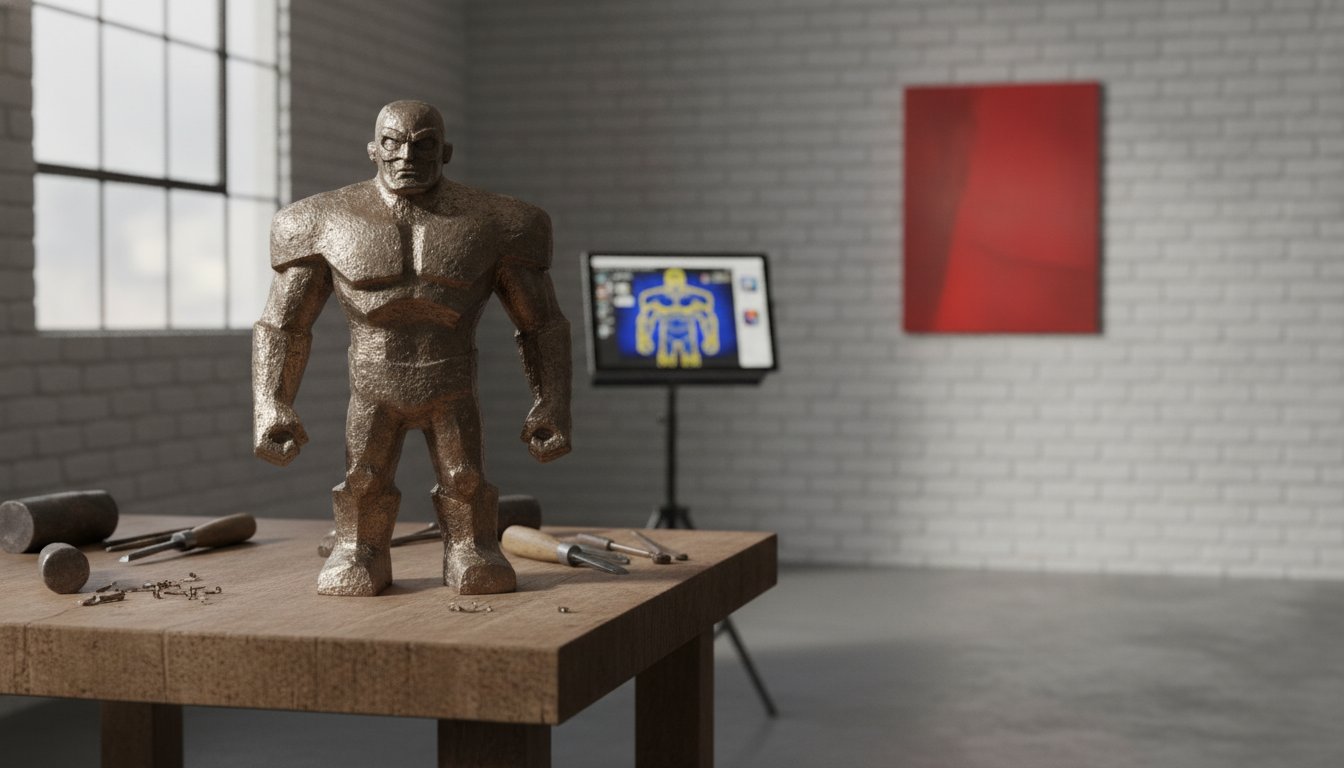
The Origin of Archetypes: Inspiration Behind Original Pop Art Characters
Not everyone understands Mylo. That’s rather the point. Most collectors are exhausted by the oversaturation of derivative fan-art and the lack of depth in mass-produced vinyl toys. You likely feel ...
Read more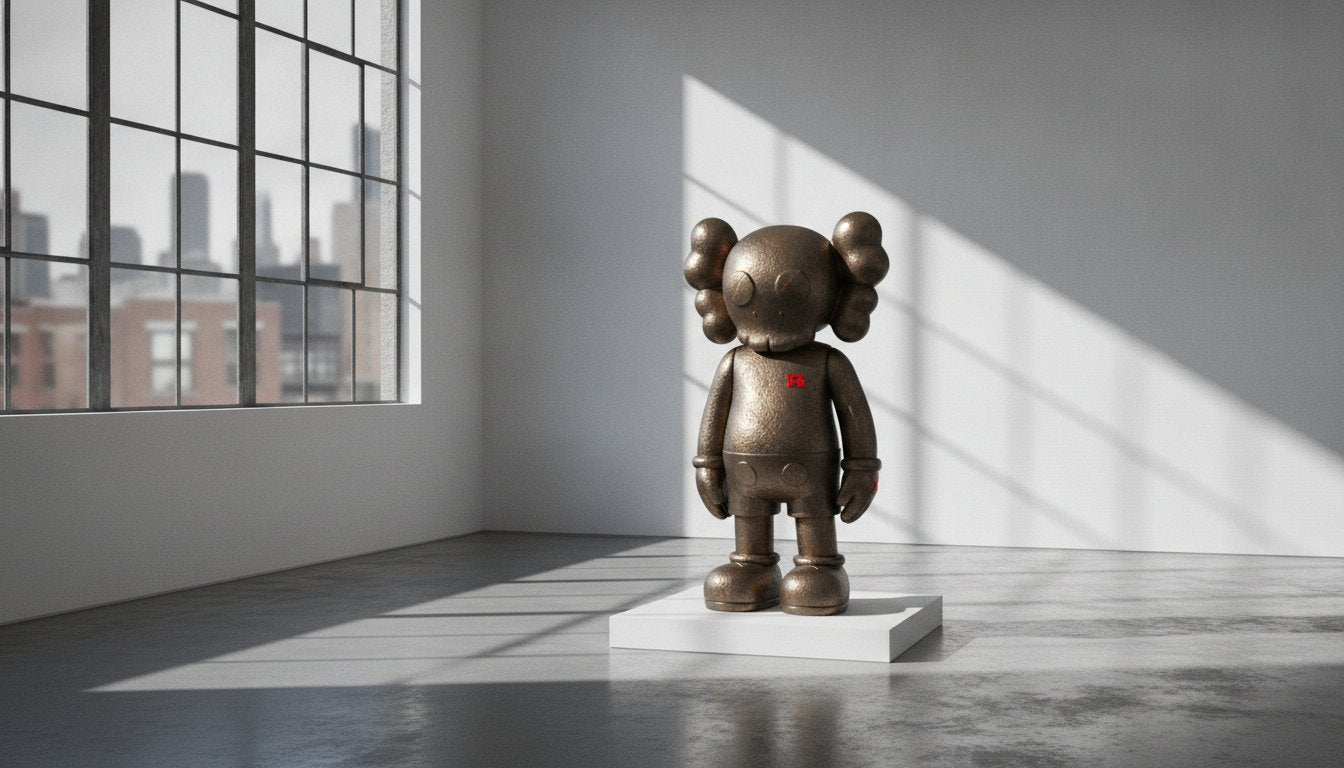
Pop Art Collectible Toys: The Specification of the Physical Character
Not everyone understands Mylo. That’s rather the point. Most shelves are currently crowded with identical, hollow plastic licensed characters that exist only as echoes of cinema. You've likely felt...
Read more
Leave a comment
This site is protected by hCaptcha and the hCaptcha Privacy Policy and Terms of Service apply.