
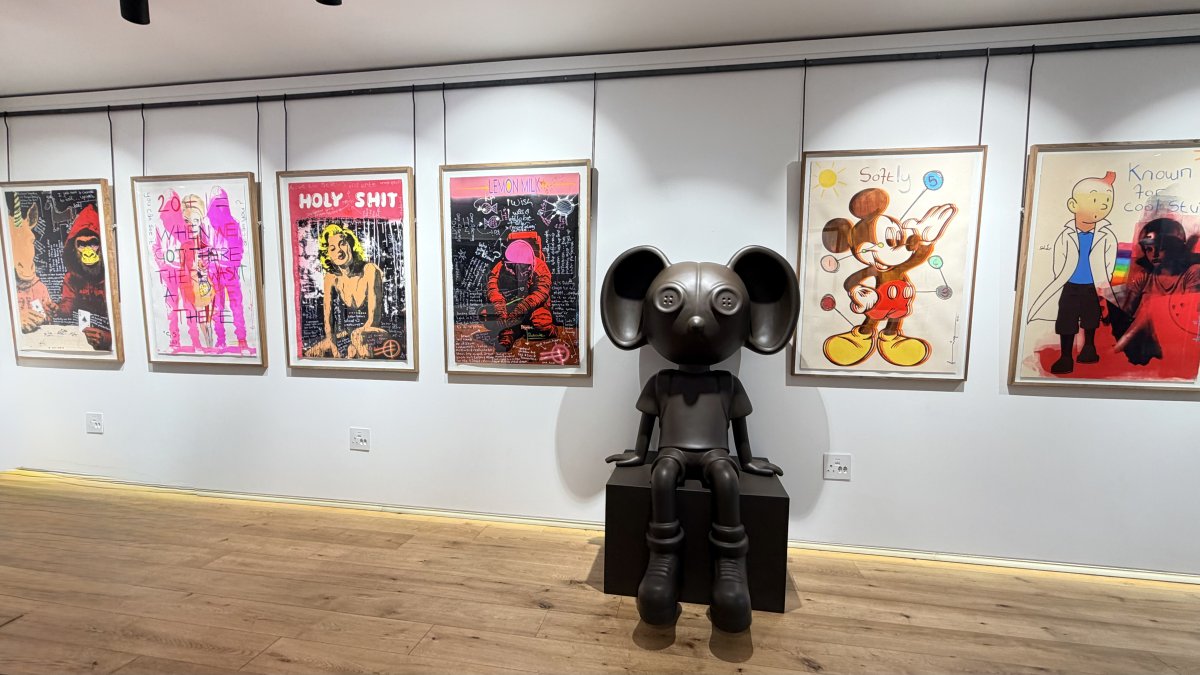
The Collector’s Path: A Guide to Acquiring Meaningful Collectible Art Prints
What if the most profound piece of art you ever own isn't a singular canvas, but a shared chapter of a story told through ink and paper? We often mistake rarity for resonance, assuming that true value only lives in the untouchable. Many people feel a quiet pull toward collectible art prints but hesitate, caught between the desire for a soulful home and the fear of accidentally purchasing a low-value reproduction. It's a vulnerable position to be in. You want your walls to speak, yet the technical fog of terms like Giclee can make the experience feel more like a transaction than a discovery.
We'll walk through the technical markers of quality and the emotional weight of limited editions together. This guide will show you how to evaluate, choose, and preserve pieces that bridge the gap between contemporary decor and meaningful investment. By the end, you'll understand how to build a curated gallery that honors both the artist’s hand and your own personal history.
Key Takeaways
- Understand the quiet distinction between a mass-produced poster and collectible art prints, which exist as intentional multiples born from an artist’s direct supervision.
- Learn to identify the technical markers of a lasting legacy, focusing on archival pigment inks and the atmospheric depth of the Giclee process.
- Decode the language of scarcity by understanding edition numbering and signatures, ensuring you feel confident in the rarity of your chosen piece.
- Discover how to select works that resonate with the emotional pulse of your space, using character-led narratives to build a gallery that feels deeply personal.
- Explore how the Fringe Multiples collection bridges the gap between contemporary decor and fine art investment through meticulous studio craft.
Defining the Value of Collectible Art Prints in a Mass-Produced World
In a world where images are consumed in a flicker of a second, the act of slowing down to acquire collectible art prints becomes a quiet rebellion. It's a choice to invite something intentional into your sanctuary. Unlike a commercial poster that is churned out by the thousands for a fleeting trend, a collectible print is an intentional multiple. It's born from the artist’s own hand and oversight. It carries the weight of a specific moment in their creative journey. These pieces aren't mere copies; they are authorized extensions of an original vision, crafted to bridge the gap between the ephemeral and the enduring.
The concept of "The Multiple" serves as a bridge. It allows the artist’s message to travel further, reaching hearts and homes that might never house a singular oil on canvas. By understanding printmaking techniques, a collector begins to see the labor involved. It isn't just a press of a button. It involves a careful selection of materials, a calibration of color, and a commitment to longevity that standard reproductions simply ignore. It's about the soul of the work surviving the transition from the studio to the paper.
The Emotional Weight of the Multiple
There is a unique intimacy in knowing you hold a piece of a shared narrative. When you choose a print, you aren't just decorating a wall. You're curating a personal history. These works democratize the experience of fine art, especially within the vibrant world of contemporary pop art. They make the profound accessible. The connection between the collector and the artist’s vision remains intact, even if the image exists in several homes at once. It's a collective resonance. You're part of a small, dedicated group that recognized the same truth in the same lines and shadows.
Why Rarity Matters
Rarity acts as a protective shield for the art’s soul. Limited runs ensure that the work remains special, preserving its long-term value for those who cherish it. There's a deep psychological appeal in owning a numbered piece, perhaps a "12/50" or a "5/25." It grounds the artwork in a physical reality. In the context of contemporary art editions, scarcity is the intentional limitation of supply to honor the work’s integrity and ensure it never becomes a nameless commodity. It's about respecting the art enough to let it be rare. It's a promise that your piece will always hold its place in the world.
The Anatomy of Quality: Archival Pigment, Giclee, and the Artist’s Hand
To hold a piece of art is to feel the intention behind its creation. When we talk about collectible art prints, we aren't just discussing an image; we're discussing the physical vessel that carries it. Quality isn't a vague marketing term. It is a measurable standard of longevity. For a print to move beyond a simple reproduction and become a legacy piece, it must adhere to strict technical requirements. This starts with the chemistry of the ink and the composition of the paper. It's about the permanence of the vision.
Standard commercial prints often rely on dye-based inks that fade when exposed to the sun's reach. In contrast, archival pigment inks are made of solid particles of color. These particles sit on the surface of the paper, resisting the slow erosion of time. When paired with acid-free, heavy-weight paper, the artwork gains a structural integrity that prevents yellowing or brittle edges. Principles of art conservation teach us that these materials are essential for ensuring a piece remains vibrant for decades. It's the difference between a memory that fades and a story that endures.
The Giclee Process Explained
The word Giclee, derived from the French term for 'to spray,' represents the pinnacle of high-precision inkjet technology. This isn't your office printer. It utilizes a sophisticated array of nozzles to deposit millions of microscopic droplets of archival pigment onto the page. This method allows for a spectrum of color depth that standard commercial offset printing can't hope to match. For artists working with oil on canvas, the Giclee process is indispensable. It captures the subtle gradations of light and the visual weight of brushstrokes, preserving the narrative weight of the original work in a way that feels tactile and alive.
The Significance of the Signature
A signature is more than a name; it's a seal of authenticity. It transforms a physical object into a direct extension of the studio. While some prints are plate-signed, meaning the signature is part of the printed image, a hand-signed edition carries the literal touch of the creator. This act of signing is a final moment of reflection for the artist, a gesture that confirms the work meets their exacting standards. It's a bridge between the creator and the collector. As we've explored in our discussion on the soul of the object, this human element is what elevates a manufacture into a masterpiece. If you're ready to start your own collection, you might consider exploring limited edition prints that embody this meticulous craft.
Navigating Editions: Understanding Scarcity, Numbering, and Signatures
The fraction penciled into the corner of a print is more than a mathematical notation. It's a map of rarity. When you first encounter a number like 12/50, you're looking at the X/Y system. The first digit identifies your specific piece, while the second defines the total population of that edition. It's a silent pact between the creator and the holder. It's a promise that this specific expression will never exceed its defined boundaries. Understanding these numbers is the first step in recognizing the true value of collectible art prints.
Beyond the standard numbered run, you might encounter the letters "AP." These signify an Artist’s Proof. Historically, these were the early pulls used to check color and detail before the main edition began. Today, they are often the most sought-after versions of a print. They sit outside the primary count, representing the artist's personal stash or the most intimate iterations of the work. As noted in a guide to collecting prints and multiples, these distinctions in edition type are fundamental to how the art world perceives value and legacy.
Limited vs. Open Editions
Provenance and the Certificate of Authenticity
Provenance is the documented history of an art piece. It's the story of where it has been and who has cared for it. A Certificate of Authenticity (COA) acts as the anchor for this history. When acquiring collectible art prints, a valid COA should include:
- The artist’s name and the title of the work.
- The specific edition number and the total edition size.
- The date of creation and the type of materials used.
- The artist’s signature or an authorized studio stamp.
Keep this documentation safe. Store it in an acid-free envelope, perhaps tucked behind the frame or in a dedicated fireproof folder. This paper trail is the birth certificate of your art. It ensures that decades from now, the narrative weight and the technical truth of the piece remain unquestioned.

Curating Your Narrative: Choosing Prints That Resonate with Your Space
Every room has a pulse. It's the silent atmosphere that greets you when you cross the threshold, a collection of shadows and light that dictates how you feel in your own sanctuary. Choosing collectible art prints for your home is an exercise in listening to that pulse. It isn't just about filling a void on a white wall; it's about introducing a voice that complements your own. Whether you're drawn to the vibrant energy of pop art or the muted whispers of minimalism, the art you choose should act as a mirror to your internal landscape.
The Power of Character in Art
Characters like Mylo and Nova serve as more than just visual subjects. They are universal archetypes. Mylo often represents the quiet, contemplative moments of the human heart, while Nova might embody the fiery curiosity that drives us forward. Inhabiting a space with character-based art creates a unique sense of companionship. These aren't just images; they're witnesses to your daily life. When selecting a piece, consider the emotional temperature you want to set. A bold, energetic print can serve as a catalyst for conversation in a living area, while a softer, more reflective work might be the perfect anchor for a bedroom retreat.
Designing a Gallery Wall with Multiples
Building a cohesive display of limited edition multiples requires a balance of structure and soul. When you arrange collectible art prints in a gallery format, you're weaving together different moments of an artist’s story. To create a visual rhythm that feels intentional, consider these elements:
- Scale: Mix large focal pieces with smaller, intimate works to create depth.
- Orientation: Alternate between landscape and portrait views to keep the eye moving.
- Framing: Use consistent archival materials to protect the work from environmental wear.
Framing isn't just a protective shell; it's the final punctuation mark on the artwork’s presence in the room. Using UV-protective glass ensures that each piece in your collection ages at the same graceful rate, preserving the vibrant pop art colors for years to come. This consistency in archival quality is vital for maintaining the collective narrative weight of your gallery.
For those seeking a bridge between the precision of a print and the raw energy of an original, hybrids on paper offer a compelling narrative. These works blend different mediums, creating a tactile depth that feels both modern and timeless. They allow you to own a piece that carries the distinct mark of the artist's experimentation. If you are ready to find a piece that truly speaks to your journey, you can explore our collection of archival works and begin curating a space that feels like home.
The Fringe Multiples Collection: Investing in Contemporary Storytelling
The journey of a collector often begins with a single spark of recognition. It's that moment when a piece of art reflects a part of your own story you hadn't yet found the words for. The Fringe Multiples collection is built on this very foundation of connection. It exists as a curated sanctuary of Giclee prints, each one a chapter in an ongoing narrative of human experience. When you explore these collectible art prints, you aren't just looking at inventory. You're witnessing a meticulous studio craft where archival pigments are used to ensure that every shade and shadow retains its intended soul for generations.
Exclusivity isn't just about small numbers; it's about the enduring quality of the vision. With 155 unique products available within this collection, there is a profound diversity of expression to explore. This breadth allows you to find the specific resonance that fits your life, whether that's a quiet moment of reflection or a bold statement of resilience. Every piece represents a commitment to a standard of excellence that refuses to compromise on the materials or the message. It's art that is built to last, both physically and emotionally. It's a shared philosophical journey between the creator and the holder.
Spotlight on the Collection
Each piece in the Fringe Multiples collection is a signed limited edition, carrying the quiet authority of the artist’s approval. These works capture the evocative nature of characters like Mylo and Nova, bringing their stories into the physical world with startling clarity. Beyond standard prints, the collection also features hybrids on paper. These pieces blend mediums to create a tactile depth that invites closer observation. By buying directly from the artist’s studio, you bypass the detached atmosphere of traditional galleries. You enter into a direct relationship with the source of the work, ensuring the provenance of your piece is clear from the very first day.
Taking the Next Step as a Collector
There is a significant shift that happens when you move from being an observer to being an owner. It's an act of claiming a piece of the world's beauty for your own daily life. Browsing the collection is a methodical, immersive experience. It's a walkthrough of a digital gallery where you can slow down and listen to what each piece has to say. You might find yourself drawn to a specific character's journey or the way a certain color palette interacts with the light in your home. Whatever calls to you, trust that intuition. It's the most reliable guide you have on the collector’s path. If you're ready to find a work that speaks to your heart, you can explore the Fringe Multiples Collection and find your next piece today.
Beginning Your Artistic Narrative
The transition from observer to collector is a quiet transformation of your home. We've moved through the technical foundations of collectible art prints, from the precision of Giclee methods to the essential nature of archival pigments that ensure 100+ year longevity. You now understand that a signature is more than ink; it's a seal of authenticity that connects your sanctuary directly to the artist's studio. By choosing pieces that resonate with your internal pulse, you aren't just filling walls. You're preserving a legacy of contemporary storytelling.
Owning a limited edition print is an invitation to hold a piece of a larger story. Every numbered work bears a testament to exclusivity and carries a direct-from-studio provenance that protects its authentic value. If you're ready to find a piece that reflects your own heart, we invite you to Browse the Limited Edition Fringe Multiples Collection and discover the companions that will inhabit your space for years to come. Your curated gallery is waiting to begin.
Frequently Asked Questions
What is the difference between a Giclee print and a regular print?
Giclee prints are high-precision archival multiples that use pigment-based inks rather than standard dyes. While a regular print might fade over a few years, a Giclee is designed to last over a century. It captures the visceral texture and depth of an original work. It's the difference between a temporary decoration and a legacy piece. This process ensures that the artist’s vision remains as sharp and evocative as the day it left the studio.
Are collectible art prints a good investment for new collectors?
Collectible art prints offer a more accessible entry point into fine art investment compared to original canvases. While no financial return is guaranteed, limited editions by emerging artists often hold or increase in value due to their finite supply. It's a way to build a portfolio while surrounding yourself with work that carries a deep personal resonance. You aren't just buying a copy; you're acquiring a piece of an artist's growing legacy.
How should I frame my limited edition art prints to ensure they last?
What does "Artist Proof" mean on a limited edition print?
An Artist Proof (AP) is a print pulled specifically for the artist's personal use or to check the quality before the main edition is run. These pieces usually represent about 10% of the total edition and sit outside the standard numbering. Collectors often seek them out because they feel like a more intimate connection to the studio. They carry a unique weight in the history of the work, often being the first iterations of the vision.
How can I verify the authenticity of a print I buy online?
Authenticity is verified through a Certificate of Authenticity (COA) and a hand-signed signature from the artist. When buying online, look for a clear history of provenance and direct-from-studio shipping. A valid COA should detail the edition size, the materials used, and the date of creation. This documentation acts as the birth certificate for your collectible art prints. It ensures that the narrative weight of your piece remains unquestioned as it passes through time.
Do limited edition prints come with a signature from the artist?
Most high-quality limited editions are hand-signed by the artist as a final seal of approval. This signature isn't just a mark of ownership; it's a bridge between the creator and the collector. It signifies that the artist has personally inspected the piece and found it worthy of their name. Plate-signed prints exist, but hand-signed versions hold a deeper narrative weight and a more palpable human touch. It's a quiet conversation between the artist and you.
What happens if a limited edition print sells out?
Once a limited edition print sells out, the artist will never produce that exact image in that specific format again. This scarcity is what protects the value for those who were quick enough to acquire a piece. If you missed out, you might find the work on the secondary market, though often at a higher price. It's the finite nature of the edition that makes the work special and ensures its place in the world.
Why are some prints more expensive than others of the same size?
The price of a print is dictated by the complexity of the medium, the size of the edition, and the artist's current standing. A print from a run of 10 will naturally carry a higher cost than one from a run of 500. Additionally, "Hybrid" works that involve hand-applied details or specialized archival papers require more studio labor. You're paying for the rarity and the soul of the creation, not just the physical paper.

Article by
Fringe

Read more

Narrative Pop Art: Where Bold Aesthetics Meet the Human Story
What if the neon glow and bold outlines of a canvas were more than just a commentary on mass production? While the 1960s gave us a mirror of the commercial world, narrative pop art offers something...
Read more
Contemporary Art Investment in 2026: The Rise of Narrative and Form
The most enduring pieces in a collection aren't usually the ones that trended on a screen last week. They're the works that carry the quiet, heavy weight of a human story. If you've felt overwhelme...
Read more
Leave a comment
This site is protected by hCaptcha and the hCaptcha Privacy Policy and Terms of Service apply.