
The Art of Character Design in Pop Art: Specifications of Narrative Form
Not everyone understands Mylo. That’s rather the point. The global collectibles market is valued at $335.7 billion in 2026, yet much of it ignores the art of character design in pop art in favor of generic vinyl. You've noticed the saturation of toys prioritizing hype over narrative depth. It's difficult to find physical character pieces with specific materiality.
This analysis tracks how archetypes transition from abstract concepts into physical oil, bronze, and collectible forms. This includes the process of bringing characters like Mylo and Nova to life through traditional mediums. We'll examine the technical markers of rarity, such as edition sizes limited to fewer than 1,000 units. These objects serve as a physical record of human connection. The value of the work is already a settled matter.
Key Takeaways
- The art of character design in pop art functions as a modern mythology, replacing traditional figures with archetypes like Mylo to reflect internal human states.
- Physical mediums, including oil on canvas and bronze, provide a narrative weight and permanence that contradicts the ephemeral nature of pop culture.
- Rarity in fine art collectibles is defined by specific edition sizes and the artist’s physical signature rather than commercial trends.
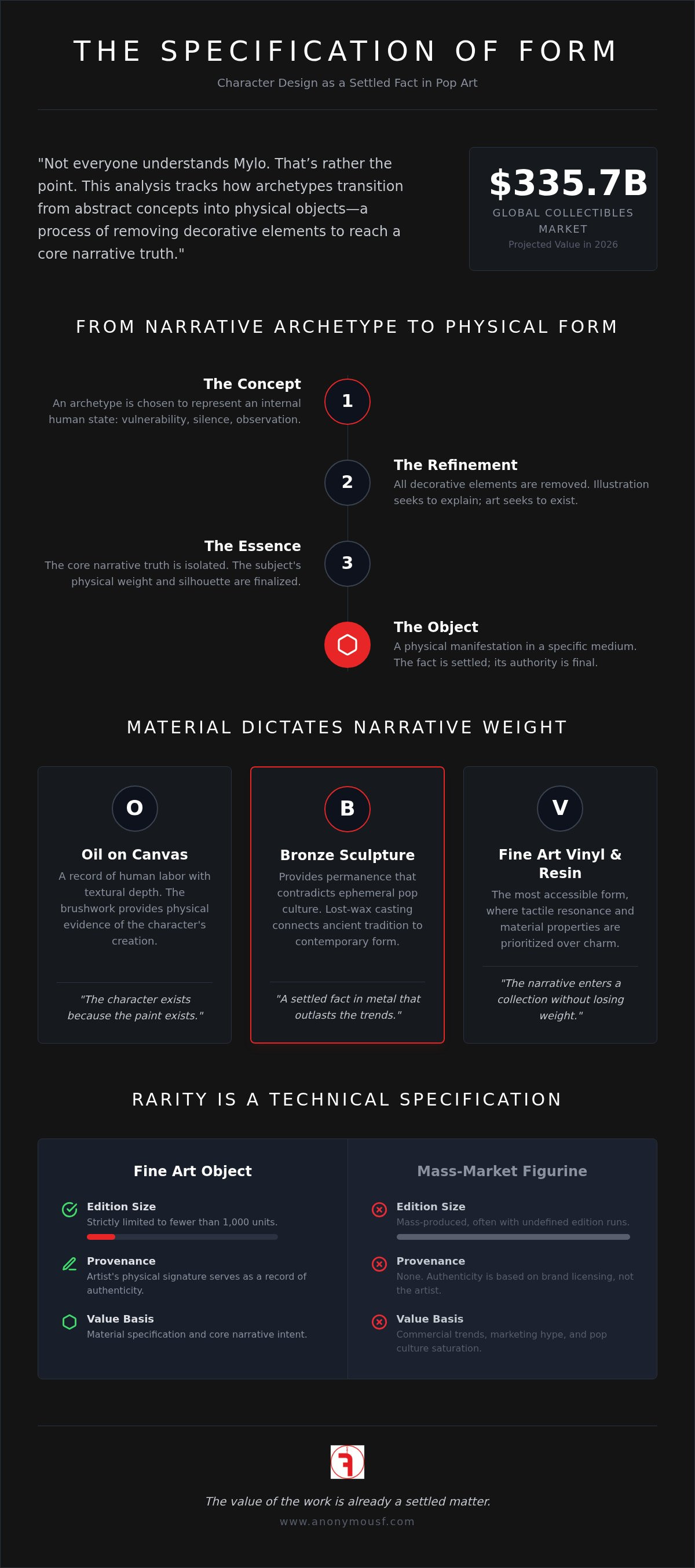
- The transition from a two-dimensional sketch to a physical object requires the removal of decorative elements to reach the core narrative truth.
The Art of Character Design in Pop Art: Defining the Narrative Archetype
Character design in pop art functions as a modern mythology. It replaces traditional religious or historical figures with contemporary archetypes that reflect the collective psyche. While the origins of Pop Art relied on mass-media imagery, the current evolution of the art of character design in pop art focuses on original characters as narrative anchors. The transition from a two-dimensional sketch to a physical object requires the removal of decorative elements to find the core narrative truth. Characters like Mylo and Nova are not commercial mascots. They represent internal human states such as vulnerability, silence, and observation. These figures exist to hold space for the viewer's own reflection rather than to sell a superficial lifestyle. A pop art archetype is the physical manifestation of a psychological state. The authority of the object is final.
The Specification of Form: From Illustration to Fine Art
Illustration seeks to explain; the art of character design in pop art seeks to exist as a settled fact. In original character oil paintings, line weight and silhouette create a presence that functions without external context. The process rejects decorative detail in favor of material gravity. Line weight dictates the subject's physical weight on canvas. Silhouette ensures narrative readability. It's about the authority of the physical form. The work remains indifferent to the viewer; it simply exists.
Material Specifications: The Art of Character Design in Pop Art Bronze and Oil
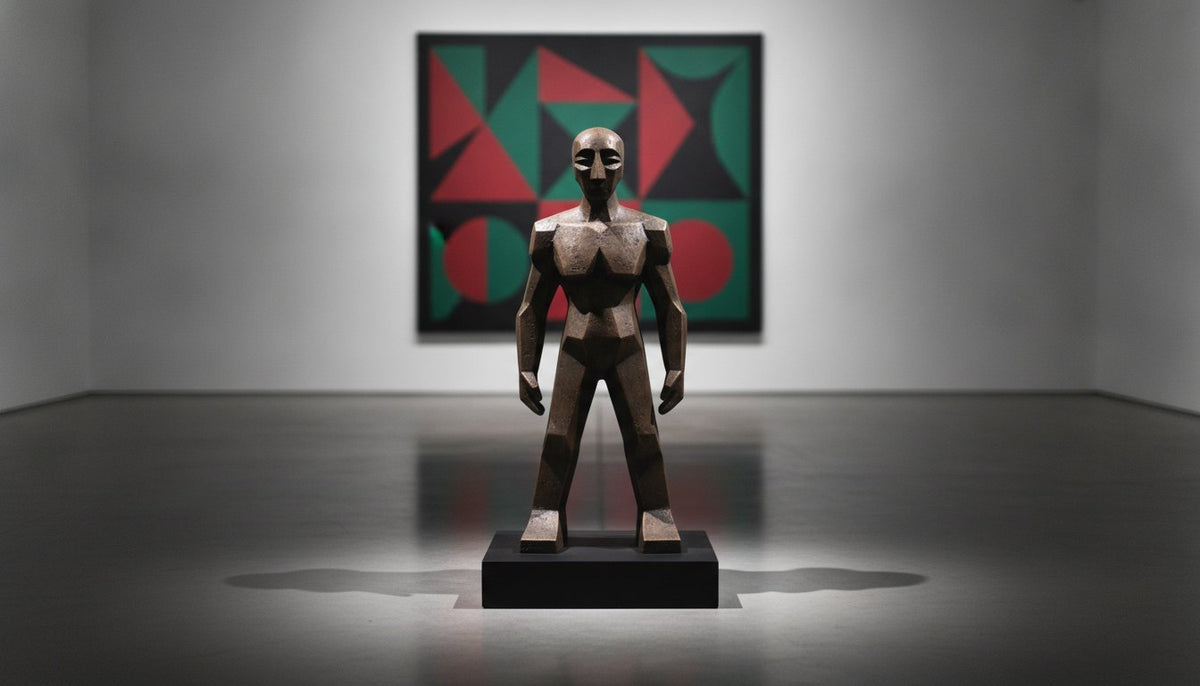
The choice of medium dictates the narrative weight of the character design. While much of the genre remains trapped in digital formats, the art of character design in pop art requires physical presence to achieve authority. Bronze sculptures, such as the Quiet Boy series, provide a permanence that contradicts the ephemeral nature of pop culture. This material weight forces a confrontation with the subject. In this Pop Art overview, the transition from commercial imagery to fine art is documented as a shift in intent. The object is no longer a reference; it's a destination.
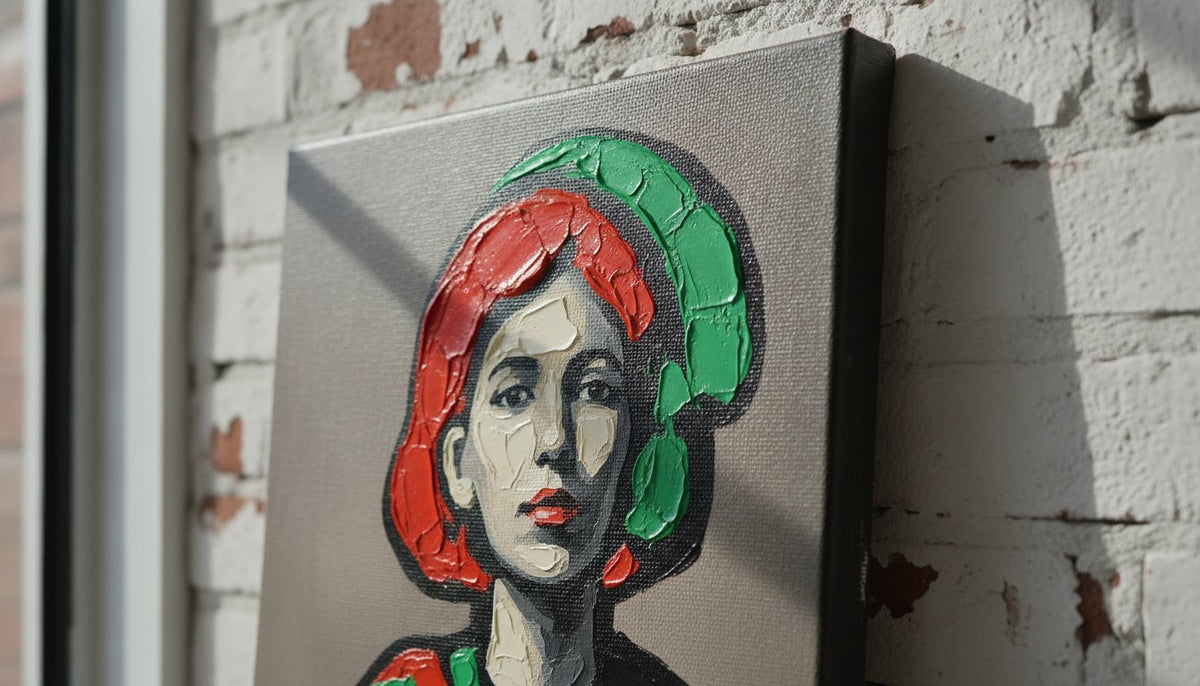
Oil on canvas allows for a textural depth where characters like Mylo emerge from layers of physical paint rather than a flat digital screen. The brushwork provides a record of human labor. Hybrids on paper combine the immediacy of drawing with the permanence of paint. These works document the evolution of form, capturing the transition from a fleeting thought to a physical reality. If you appreciate the weight of physical work, you might consider the Fringe original collections. The character exists because the paint exists.
The Technical Weight of Pop Art Bronze Sculpture
The lost-wax casting process applied to modern silhouettes creates a dialogue between ancient tradition and contemporary form. Patinas and metal finishes alter the emotional register of a character design. A darker finish suggests introspection; a polished surface implies a different psychological state. The Paradox of Permanence explains why bronze characters endure. They outlast the trends that birthed them. Every sculpture is a settled fact in metal. The material dictates the soul of the character.
Provenance and Rarity: The Art of Character Design in Pop Art Toy Collections
Not everyone understands the transition from canvas to vinyl. That is rather the point. The art of character design in pop art reaches its most accessible form in Fringe Collectable Toys. Here, the narrative archetype moves from the gallery wall to the collector's shelf without losing its psychological weight. Rarity is not a marketing claim; it's a technical specification defined by the edition size and the physical signature of the artist. This distinction separates fine art toys from mass-market figurines found in general retail. Characters such as Nova and Gutinke serve as entry points into a broader narrative ecosystem. Historically, the Pop Art Movement blurred the lines between high and low culture. However, the serious collector prioritizes the specification of material over aesthetic charm. Vinyl, resin, or mixed media are selected for their tactile properties. The physical signature provides a provenance that digital assets cannot replicate. A resin cast offers a different tactile resonance than soft vinyl. The collector understands these distinctions.
The Specification of Limited Edition Collectibles
Numbered editions maintain the value of character-based art. In a digital age, the Soul of the Object depends on scarcity. Most art toys are produced in batches of fewer than 1,000 units to ensure this. The work remains indifferent to the viewer's gaze. It doesn't seek approval through commercial appeal. It's a physical record of a specific narrative truth. The object exists whether the market understands it or not. The value of the work is a settled matter.
The Permanence of the Narrative Archetype
The art of character design in pop art is a movement toward physical permanence. It rejects the ephemeral nature of digital screens for the weight of bronze and oil. Limited edition bronze sculptures and original oil on canvas paintings serve as narrative anchors in a saturated market. Signed hybrids on paper provide a record of form that mass-market figurines cannot replicate. The collector understands that value is found in the technical specification of the object. Scarcity is a matter of fact, and the soul of the work is tied to its material reality. These characters exist as settled psychological truths in a physical world.
View The Mylo Collection: Narrative Archetypes in Bronze and Oil to observe the authority of the physical form. The character remains long after the trend has faded.
Frequently Asked Questions
What defines the art of character design in pop art?
The art of character design in pop art is defined by the creation of narrative archetypes that replace traditional historical figures. It prioritizes the removal of decorative detail to reach a core psychological truth. This process transforms a character from a commercial mascot into a physical manifestation of internal human states like silence or observation. The authority of the object remains the central focus.
How do oil and bronze mediums change the perception of pop characters?
Using traditional mediums like oil and bronze provides a narrative weight that contradicts the ephemeral nature of pop culture. Bronze sculptures offer a permanence that forces a direct confrontation with the subject. Oil on canvas creates textural depth through physical layers of paint. These materials move the character beyond the flat digital screen and establish it as a settled fact in a physical space.
What is the role of narrative in original character art toys?
Narrative in original character art toys functions as a modern mythology. Characters like Mylo and Gutinke aren't just figures; they are anchors for complex human stories. The design serves as a bridge between abstract concepts and the collector's internal experience. Scarcity and material choice reinforce this narrative weight by grounding the archetype in a specific physical form that exists independently of market trends.
Why are limited edition pop art characters considered fine art investments?
Limited edition characters are considered fine art investments because of their defined provenance and technical specifications. Scarcity is maintained through numbered editions, often limited to fewer than 1,000 units globally. The presence of an artist's physical signature and the use of high-end materials like bronze or oil distinguish these pieces from mass-market figurines. The value is a settled matter based on material gravity and rarity.

Article by
Fringe

Read more
Investing in Pop Art Oil Paintings: The Specification of the Physical Object
Not everyone understands the weight of a physical object. Most are content with the flat convenience of a digital file or a mass-produced print. Investing in pop art oil paintings requires a differ...
Read more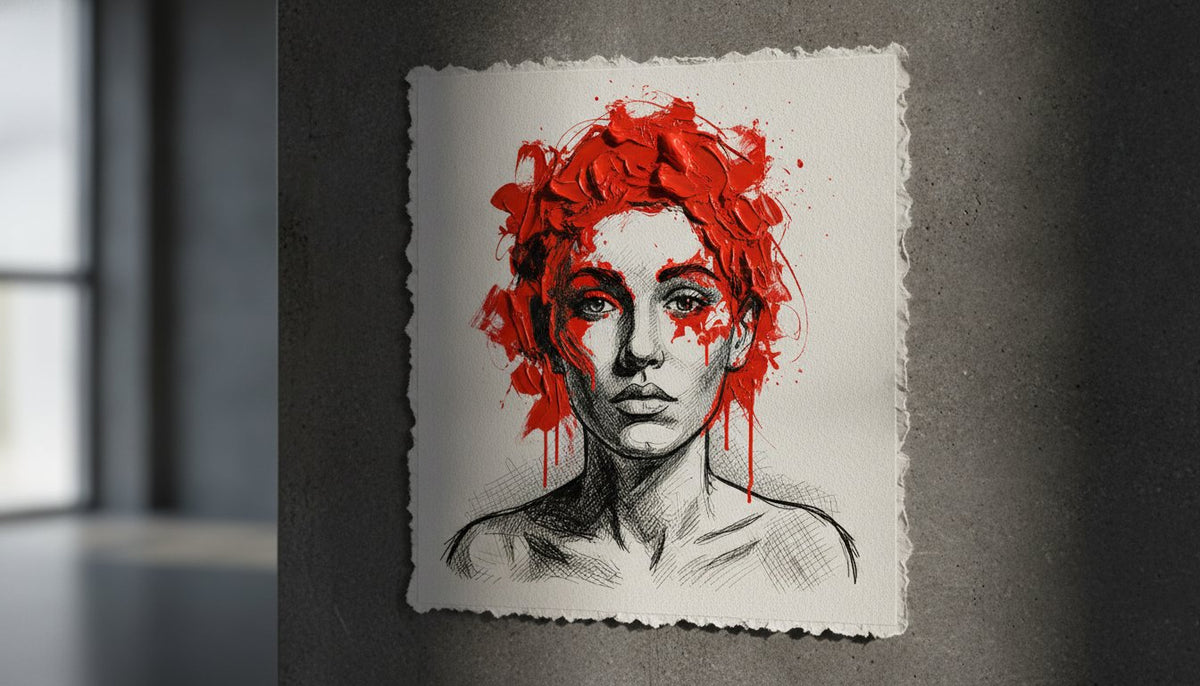
Collecting Mixed Media Paper Art: The Specification of the Hybrid Object
Not everyone understands why a work on paper can carry the same narrative weight as a large-scale canvas. That's rather the point. For the serious collector, the distinction between an amateur coll...
Read more
Leave a comment
This site is protected by hCaptcha and the hCaptcha Privacy Policy and Terms of Service apply.