
Collecting Mixed Media Paper Art: The Specification of the Hybrid Object
Not everyone understands why a work on paper can carry the same narrative weight as a large-scale canvas. That's rather the point. For the serious collector, the distinction between an amateur collage and a professional hybrid is a matter of technical truth. It's common to feel a certain hesitation when collecting mixed media paper art, especially regarding the longevity of layered oil, ink, and graphite. You've likely looked for Mylo or Nova characters beyond the canvas, only to find the market crowded with temporary experiments rather than enduring objects.
This article establishes a technical and philosophical framework for the acquisition of narrative-driven pop art hybrids. We'll examine the material specifications of archival paper works and the preservation methods that ensure their permanence. By looking closely at the soul of the hybrid object, you can integrate these pieces into a collection focused on provenance and character depth. The value of the work is already a settled matter; understanding its specification is simply the next step.
Key Takeaways
- Collecting mixed media paper art involves identifying primary narrative hybrids that utilize a convergence of oil, ink, and graphite on a single substrate.
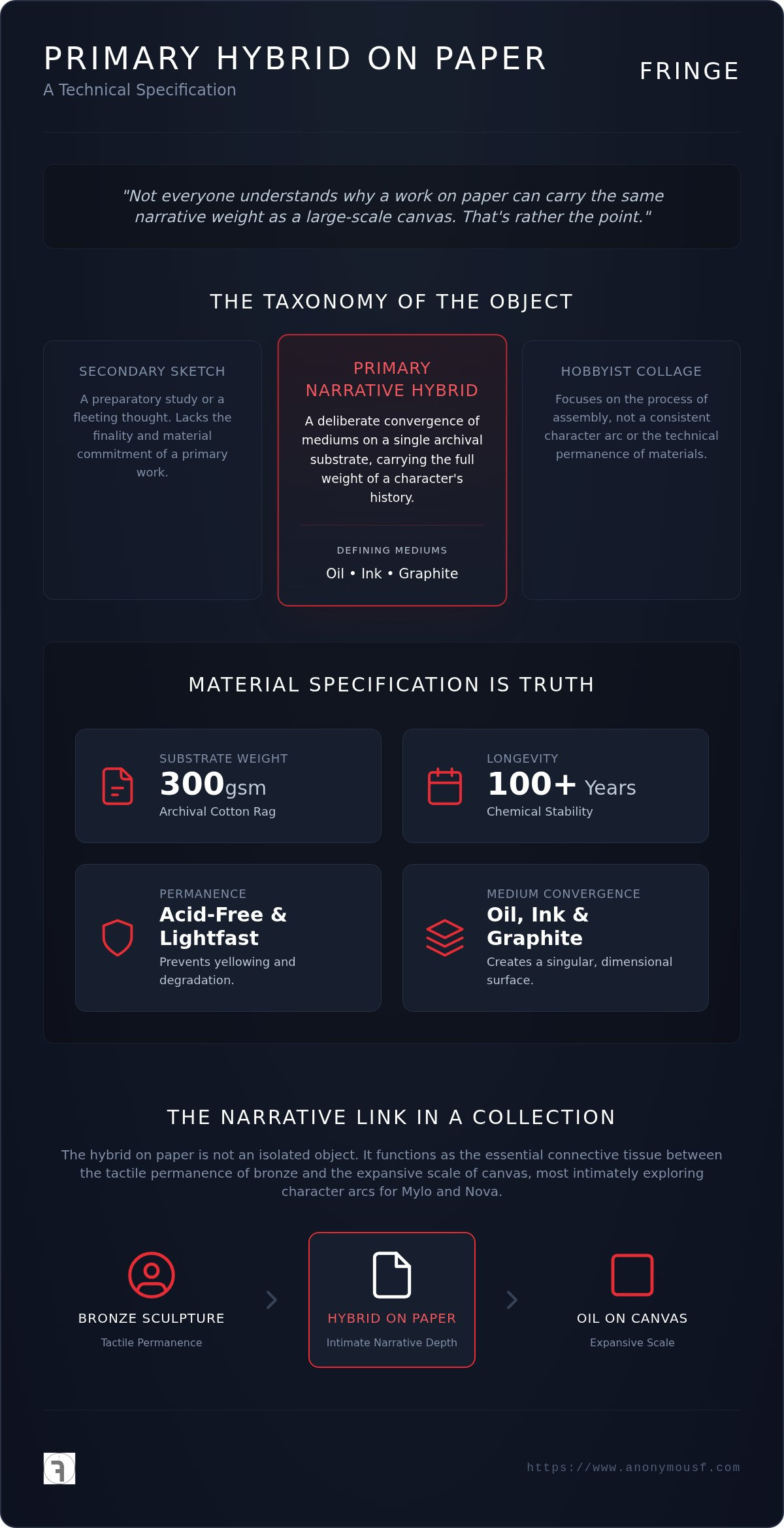
- Technical permanence is achieved through 300gsm archival cotton rag substrates that remain chemically stable for over 100 years.
- These works function as the essential narrative link between bronze sculptures and large-scale oil on canvas.
- Character arcs for Mylo and Nova are most intimately explored through the layered textures and technical specifications of the hybrid paper medium.
The Taxonomy of the Hybrid Object on Paper
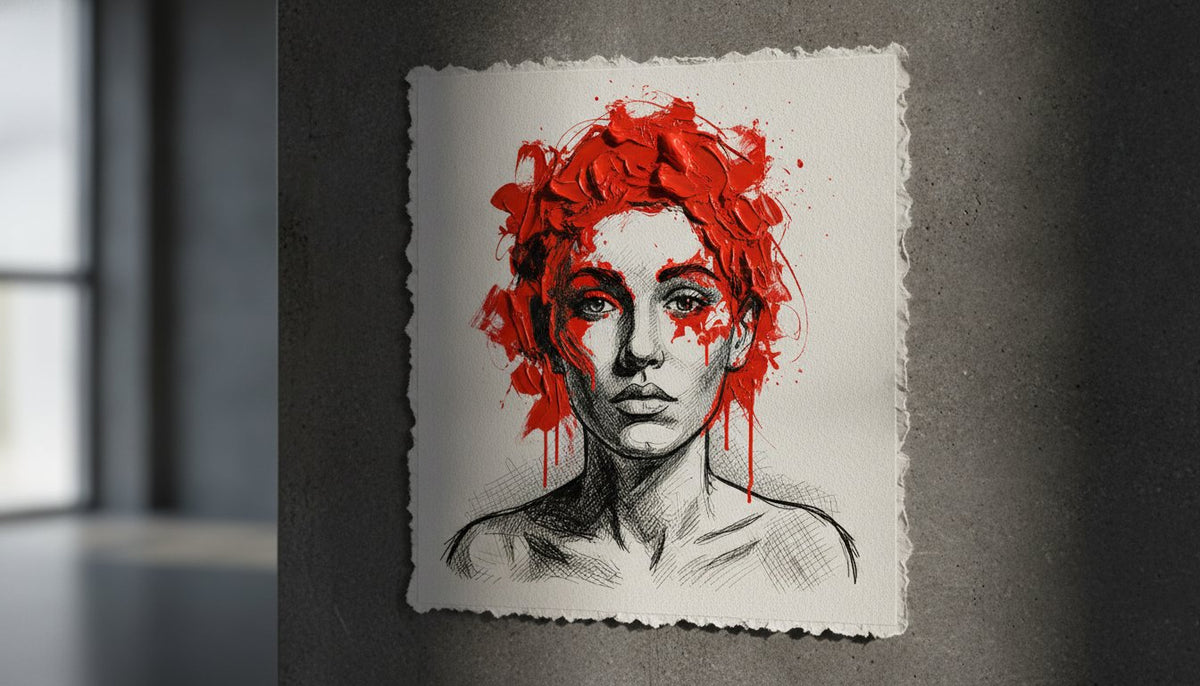
A hybrid on paper is a convergence of mediums. It represents a deliberate layering of oil, ink, and graphite on a single archival substrate. Unlike a secondary sketch or a preparatory study, the primary hybrid is defined by the intent of the narrative. The Mixed Media Art Definition typically covers collage and assemblage, yet the hybrid object is more technically demanding. It's a necessary distinction when collecting mixed media paper art. While a sketch captures a fleeting thought, a hybrid carries the full weight of a character's history. Pop art hybrids utilize the tactile nature of paper to create a vulnerability that canvas cannot replicate. The surface responds to the pressure of the hand and the absorption of the pigment in a way that feels grounded and vulnerable.
Distinguishing Narrative Hybrids from Hobbyist Collage
Professional mixed media relies on the chemistry of pigments and the specific weight of the paper. It's a matter of technical specification rather than casual assembly. While hobbyist collage often focuses on the process of creation, narrative hybrids are defined by a consistent character arc, such as Mylo. This character provides a structural anchor for the disparate mediums. The object is a physical truth. It represents the rejection of the digital and the embrace of the permanent. A professional hybrid uses heavy archival paper to support the saturation of oil and ink without compromising the structure. This ensures the work survives as a physical record of the artist's vision. The weight of the paper carries the drama of the character's internal state. It's a settled matter of quality. The collector isn't looking for a hobby; they're acquiring a narrative artifact.
The Technical Specification of Mixed Media Substrates
Professional hybrids require a substrate that can withstand the physical tension of multiple mediums. High-end paper art requires a minimum substrate weight of 300gsm. This density is necessary to support heavy oil or ink saturation without warping or structural failure. When collecting mixed media paper art, the choice of archival cotton rag paper is a fundamental requirement. This material ensures the object remains chemically stable for over 100 years. It provides a neutral environment where the soul of the work is protected from the atmospheric acidity that destroys lesser papers. The fact of the material is the drama of the object.
The Fringe aesthetic is defined by the specific interaction between oil on paper and graphite. This combination creates a textured, dimensional surface that captures the light differently than a flat canvas. The oil penetrates the fibers while the graphite sits on the surface. It creates a duality of depth and friction. It's a technical reality that dictates the presence of the work in a room. Those interested in the nuance of these physical textures often find that hybrids on paper offer a more intimate connection than traditional canvas.
Lightfastness and Pigment Stability in Multi-Medium Works
Stability is not an accident. Collectors must verify the lightfastness rating of the pigments used in mixed media hybrids. The use of acid-free materials prevents the yellowing and degradation of the character silhouette over time. Without these standards, the narrative weight of the work would eventually fade. Fringe hybrids on paper are documented by medium, scale, and provenance to ensure a permanent record of the work's origin. This documentation is essential for anyone serious about collecting mixed media paper art. Every piece is produced in an independent artist-owned studio where material truth is the primary concern. The quality of the substrate is a settled matter. The reader is simply being informed of the standards already in place.
The Strategic Acquisition of Character-Driven Paper Art
Strategic acquisition requires looking beyond the substrate to the narrative arc itself. When collecting mixed media paper art, the goal is often to follow a specific character like Nova through different states of being. These paper works aren't isolated experiments. They function as the narrative connective tissue between the expansive scale of oil on canvas and the tactile permanence of bronze. The rarity of the hybrid on paper is found in its unique physical state. No two saturations of ink and oil are identical because the paper fibers react differently to each application. It's a physical record of a specific moment in the character's development. The object is the truth.
The collector treats these works as primary objects. They aren't placeholders for larger pieces. Instead, they provide a specific, atmospheric depth that larger formats sometimes bypass. The interaction of graphite and oil on a 300gsm surface creates a singular presence. It's a technical reality that dictates the value of the work within a broader portfolio. The physical weight of the paper supports the narrative weight of the character.
Portfolio Integration: The Mylo and Gutinke Arcs on Paper
A collection is strengthened by the inclusion of various mediums featuring a single character archetype. Seeing Mylo or Gutinke on paper provides an intimate perspective that a larger work might obscure. These hybrids on paper offer a different emotional register than the cold, unyielding weight of pop art bronze sculpture. While bronze represents the immutable form, the paper hybrid captures the character's vulnerability and internal friction. Collecting mixed media paper art allows you to see the layers of pigment as they sit against the archival substrate. The final decision to acquire is based on the authority of the object and the depth of its narrative. It's a settled matter. The work either resonates with the broader collection or it doesn't. There's no need for persuasion when the technical and narrative facts are present.
The Permanence of the Hybrid Artifact
The serious collector understands that the value of a hybrid on paper is a settled matter. The decision to begin collecting mixed media paper art rests on the technical integrity of the physical object. Every piece produced in the independent Fringe studio utilizes 300gsm archival substrates. These materials ensure that the convergence of oil, ink, and graphite remains stable for over a century. Characters like Mylo and Nova provide the narrative consistency required for a cohesive collection, acting as the connective tissue between different mediums. This isn't a digital asset or a temporary sketch. It's a physical truth that carries the weight of a character's history. You can view the current inventory of hybrids on paper to see how these specifications manifest in the physical work. The narrative is already written; the object simply provides the space for it to exist.
Frequently Asked Questions
Is mixed media art on paper considered fine art?
Mixed media on paper is established as fine art when the technical execution and narrative depth match the standards of canvas. For those collecting mixed media paper art, the distinction lies in the substrate weight and pigment stability. Fringe hybrids use 300gsm archival paper to ensure the work functions as a primary artifact rather than a preparatory sketch. The authority of the object is a settled matter.
How should I frame and preserve mixed media paper art?
Preservation requires the use of UV protective glass and acid free mounting materials to prevent chemical degradation. Since these works contain layers of oil and graphite, they must be kept in a stable environment away from direct sunlight and high humidity. Proper framing protects the physical truth of the 300gsm substrate. It ensures the character silhouette remains intact for over a century without yellowing.
What is the difference between a limited edition print and a hybrid on paper?
A limited edition print is a mechanical reproduction, whereas a hybrid on paper is a unique physical object. Hybrids involve the direct application of oil, ink, and graphite onto the archival substrate in the Fringe studio. No two versions are identical because the paper fiber absorbs pigments in a singular way. This technical reality makes the hybrid a primary narrative piece rather than a serialized copy.
Does paper art hold its value as well as canvas?
The value of paper art is driven by provenance and its role within a broader character arc. While canvas offers scale, collecting mixed media paper art provides an intimate exploration of characters like Mylo and Nova. Market data from 2025 shows that the lower and middle tiers of the art market, including works under $5,000, saw a 7% increase in transaction volume. Value is a reflection of narrative weight.

Article by
Fringe

Read more
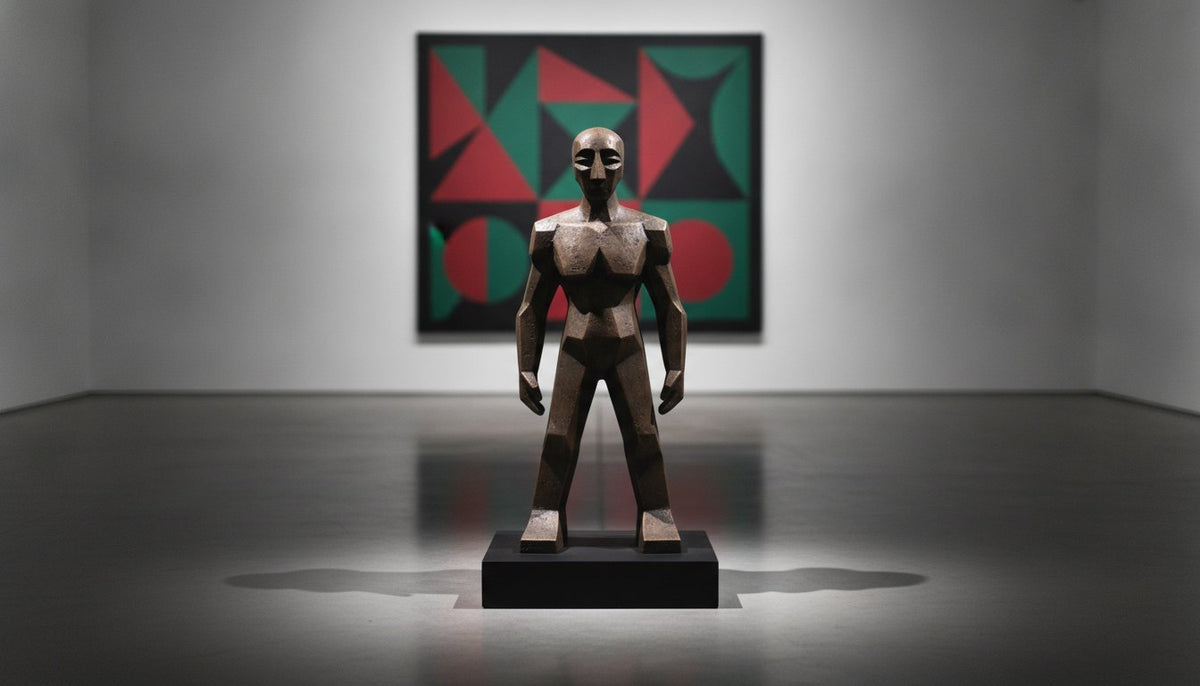
The Art of Character Design in Pop Art: Specifications of Narrative Form
Not everyone understands Mylo. That’s rather the point. The global collectibles market is valued at $335.7 billion in 2026, yet much of it ignores the art of character design in pop art in favor of...
Read more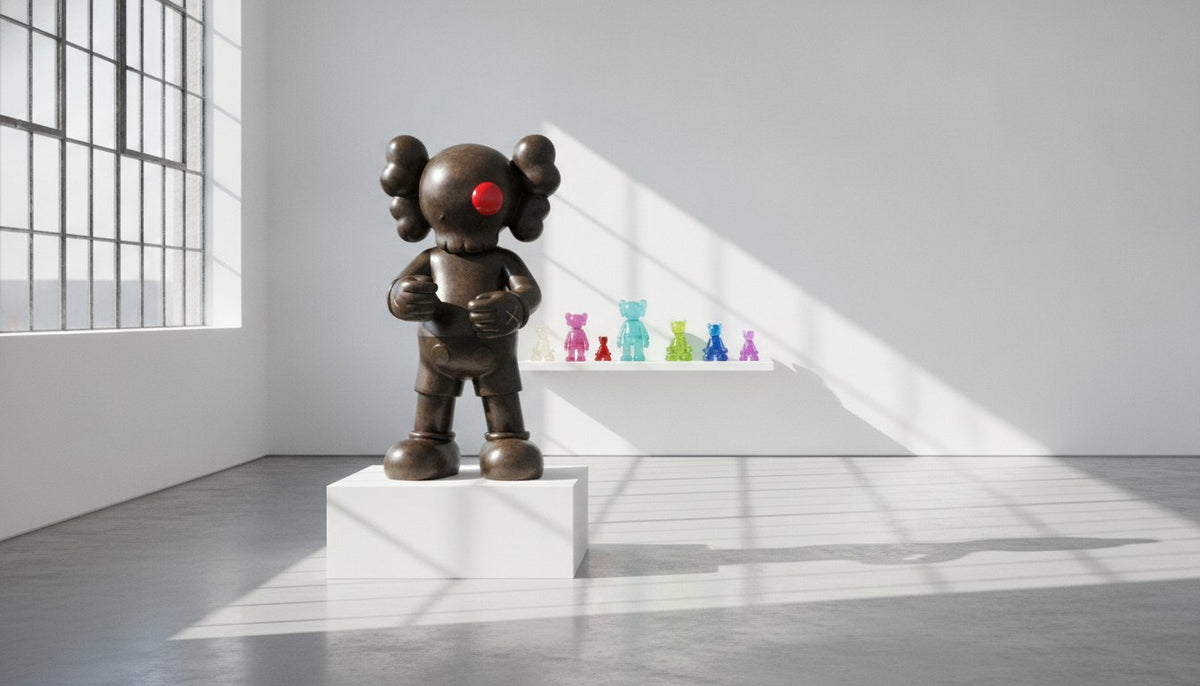
Pop Art Character Sculptures: The Specification of the Physical Object
Not everyone understands Mylo. That’s rather the point. Most modern pop art character sculptures are hollow resin shells, manufactured for a market that prioritizes volume over weight. The fatigue ...
Read more
Leave a comment
This site is protected by hCaptcha and the hCaptcha Privacy Policy and Terms of Service apply.