
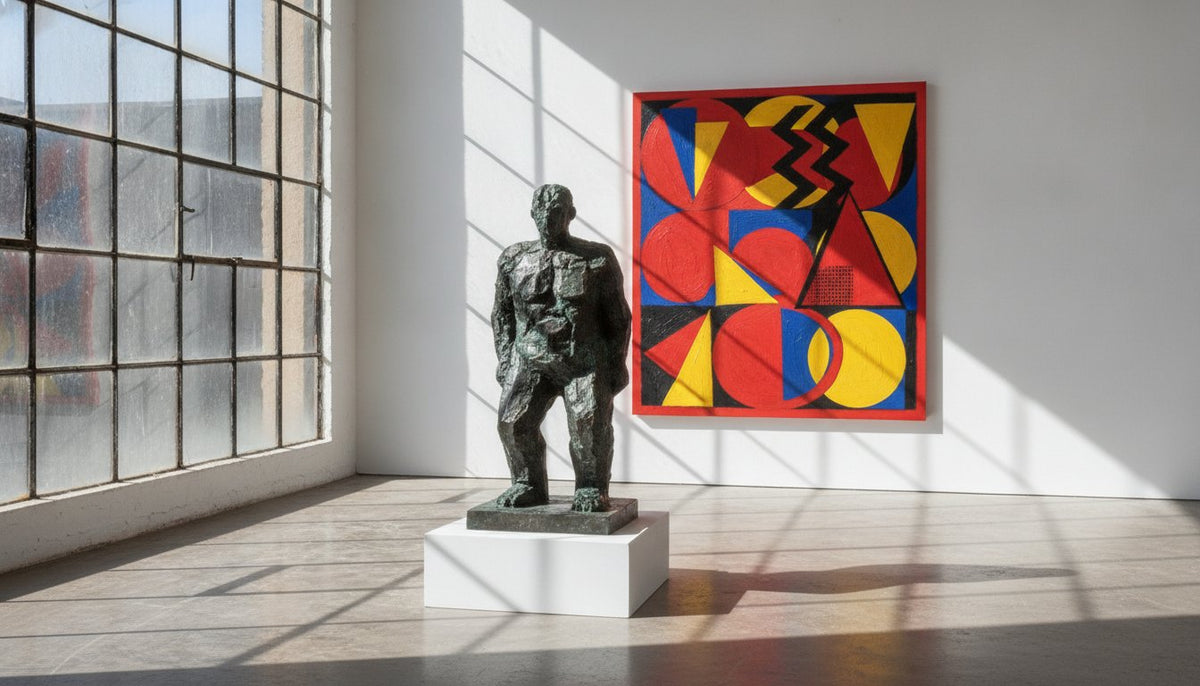
Unique Art for Collectors: The Specification of Contemporary Rarity
Not everyone understands the difference between a trend and a legacy. That is rather the point. The current market is oversaturated with generic pop art that lacks a physical soul, making the search for unique art for collectors a matter of technical discernment. Most collectors are tired of the difficulty in verifying material provenance. It's a common frustration to find a piece that lacks the emotional resonance of a hand-made object.
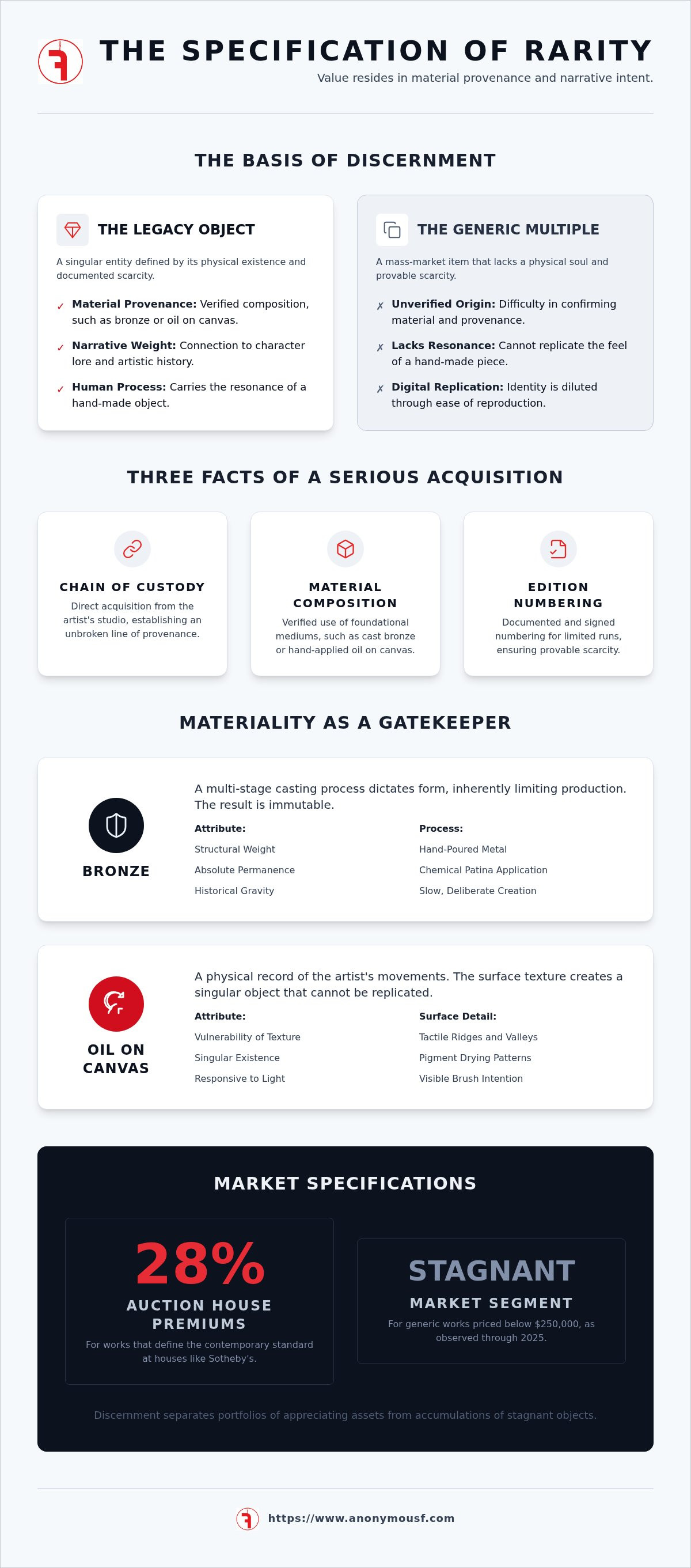
This examination focuses on the material and narrative specifications of high-end work. Bronze sculptures are physical, character-based pieces with documented scarcity. Oil on canvas works carry the weight of the medium and the specific ridges of the brush. While the market for art priced below $250,000 remained stagnant through 2025, auction house premiums at Sotheby's reach 28 percent for works that define the contemporary standard. Real art provides a connection to a human process that digital files cannot replicate. Rarity is a matter of material specification and narrative weight.
Key Takeaways
- Identify the intersection of material provenance and narrative intent that distinguishes unique art for collectors from mass-produced items.
- Analyze the gain in physical permanence when moving from fluid oil on canvas to the structural weight of bronze sculptures.
- Prioritize the material process and narrative soul of an object to ensure alignment with a serious artistic vision.
- Verify the specific documentation and signature standards required to protect the secondary market value of limited edition prints.
- Differentiate between the foundational value of original character toys and the role of hybrids on paper within a portfolio.
The Specification of Rarity in Contemporary Art
Rarity in the contemporary market is often misunderstood as a simple calculation of volume. Not everyone understands that unique art for collectors exists only at the intersection of material provenance and specific narrative intent. A physical object carries a weight, scale, and texture that digital multiples can't replicate. These attributes aren't decorative choices. They're technical specifications that define the work’s identity within private art collections. The value resides in the fact of its existence as a singular or strictly limited physical entity.
Provenance is established through direct studio acquisition and documented edition sizes. It isn't enough for a piece to be rare; it must be provably scarce. This documentation ensures the narrative remains tied to the physical object throughout its history. This transparency is the foundation of a serious portfolio of unique art for collectors. A serious collection relies on three specific facts of acquisition:
- Direct chain of custody from the artist's studio.
- Verified material composition, such as bronze or oil on canvas.
- Documented edition numbering for limited runs.
Materiality as a Gatekeeper
Oil on canvas and bronze are traditional mediums. They're repurposed here for contemporary pop narratives. The physical resistance of these materials dictates the final form. Bronze requires a transition from fluid clay to permanent metal, a process that inherently limits production. Oil paint possesses a drying time and a tactile ridge that mass-market prints lack. This resistance acts as a gatekeeper. It ensures that only a specific number of pieces can exist.
Narrative Weight and Character Lore
Original characters like Mylo or Nova aren't merely shapes. They're vessels for human truth. These figures carry a narrative weight established through specific lore and artistic history. For instance, Mylo by Fringe represents a move toward character-based storytelling that transcends simple aesthetics. The character's history provides an emotional resonance that mass-produced items can't offer. The narrative weight is a fixed attribute of the physical work, a quality mirrored by Memento Mori Clothing through its focus on heavyweight garments and philosophical depth.
Navigating the Intersection of Character and Form
The transition from a charcoal sketch to a bronze sculpture requires a specific sacrifice. You lose the immediate fluidity of the pencil but gain the absolute permanence of the metal. Collectors of unique art for collectors prioritize this "soul" of the object over its decorative utility. They understand that a piece of art is not an accessory for a room. It's a standalone entity with its own gravity. The value isn't found in how the colors match a sofa. It's found in the material struggle of the creation.
The choice of medium dictates the emotional register of the work. Oil on canvas provides a vulnerability of texture that defines modern figurative pop art. In contrast, a bronze sculpture offers a sense of historical weight. When choosing between a hybrid on paper and a bronze, you're choosing between the immediacy of a thought and the finality of a form. This choice defines the character of a portfolio.
The Specification of Bronze Pop Art
Bronze requires a multi-stage casting process. This method ensures that no two pieces in a limited edition are identical. The hand-poured metal and the chemical application of the patina create variations that a machine can't replicate. The Quiet Boy Bronze serves as a study in this material permanence. It's a physical weight that anchors a collection. The process is slow. The result is immutable.
Oil on Canvas: The Singular Object
An oil painting is a physical record of the artist's movements. Unlike a print, the surface contains ridges, valleys, and the drying patterns of the pigment. These variations create a singular object that changes as the light in a room shifts. The Oil on Canvas collection demonstrates how texture replaces the need for digital perfection. You can see where the brush stopped. You can feel the intention in the paint.
Collectors often look to the Fringe studio to bridge the gap between pop culture and traditional craft. The worth of the piece is a settled matter. The reader is simply being informed of the facts.
The Logistics of the Collection: Editions and Authenticity
Not everyone understands the liability of an unverified signature. That is the point of a closed ecosystem. Authenticity is a logistical record. While limited edition prints provide an entry point into a narrative, original character toys and sculptures remain the foundation of a serious portfolio. These physical objects represent the primary source of the artist's intent. For the individual seeking unique art for collectors, the documentation of the object is as critical as the object itself. Every numbered edition art print must be signed and recorded to maintain its standing in the secondary market.
Direct acquisition from an independent studio ensures the chain of custody is unbroken. This transparency is vital when navigating a market where buyer's premiums at houses like Sotheby's reached 28 percent in 2026 for works under $2 million. A collector is a peer who understands that the value of the work is a settled matter of its physical and narrative specification. The provenance is a fact, not a persuasion.
Understanding Edition Sizes
Numbers dictate narrative weight. A 1/1 original carries a different gravity than a 1/100 multiple. Smaller editions, such as those capped at ten pieces, maintain a higher market weight because the material scarcity is absolute. For a technical breakdown of these distinctions, see The Rarity of the Multiple: A Guide to Original Character Art Prints. The size of the edition is the first truth of the investment.
Displaying with Narrative Intent
A collection acts as a shared philosophical dialogue. How a piece is housed reflects the collector’s understanding of the work's internal struggle. Proper display respects the scale and the material needs of bronze or oil. Collectors can find guidance on this process in the study How to Display a Contemporary Art Collection with Narrative Intent. The placement of unique art for collectors is the final act of the narrative process. The work is a permanent part of the domestic landscape.
This sense of curated quality often extends into other areas of a collector's life, including their choice of sporting equipment. For those who appreciate the intersection of performance and value, you can discover Golf Ball Monkey to find premium golf gear and accessories that meet the same high standards of technical discernment.
The Permanence of the Physical Record
Rarity isn't a marketing claim. It's a material fact. The distinction between a mass-produced image and a singular object remains absolute. Bronze sculptures are cast in limited editions to preserve their specific scarcity. Oil paintings exist as singular physical objects that record the tactile history of their creation. These technical details define unique art for collectors who prioritize substance over trends.
Fringe is a 100% independent artist-owned studio. This structure ensures that the provenance of every piece is direct and verifiable. The value of a collection depends on the integrity of this chain of custody. Serious collectors view the specifications of the Fringe collection to align their portfolios with these material truths. The work stands as a testament to the human process. It's a settled matter of form and weight.
Frequently Asked Questions
What defines unique art for collectors in the pop art market?
Unique art for collectors is defined by the intersection of physical medium and strictly limited edition sizes. Unlike mass-market prints, these pieces possess material weight through mediums like bronze or oil on canvas. The value is a settled matter of documented provenance. This ensures the work is classified as fine art rather than temporary decor. The narrative depth of the character adds a layer of human truth that mass-produced items don't replicate.
How do original character toys differ from traditional sculptures?
Original character toys bridge the gap between contemporary pop culture and traditional fine art. While they utilize character-based forms like Mylo or Nova, their construction in bronze or high-end oil places them in the category of contemporary sculptures. These works are intended for long-term collection rather than temporary display. The shift from a sketch to a permanent physical object creates a gain in material permanence that defines the contemporary sculpture category.
Is contemporary art investment a viable strategy for 2026?
Contemporary art investment in 2026 remains a viable strategy when the focus is placed on narrative and material form. Pieces that offer a specific human truth or a complex emotional register hold value better than purely aesthetic works. The market for art between $1 million and $10 million saw a 15 percent growth in sales volume in 2025. Collectors should prioritize original character works and limited editions that provide a clear, unbroken chain of custody.
What is the difference between a print and a hybrid on paper?
A print is a multiple produced as part of a numbered edition, while a hybrid on paper involves the intersection of different mediums on a single sheet. Hybrids often combine ink, paint, and print elements to create a materially complex surface. This process results in a piece that's more limited in its production than a standard edition. The physical record of the artist's hand is more evident in a hybrid, making it a distinct category for those seeking unique art for collectors.

Article by
Fringe

Read more
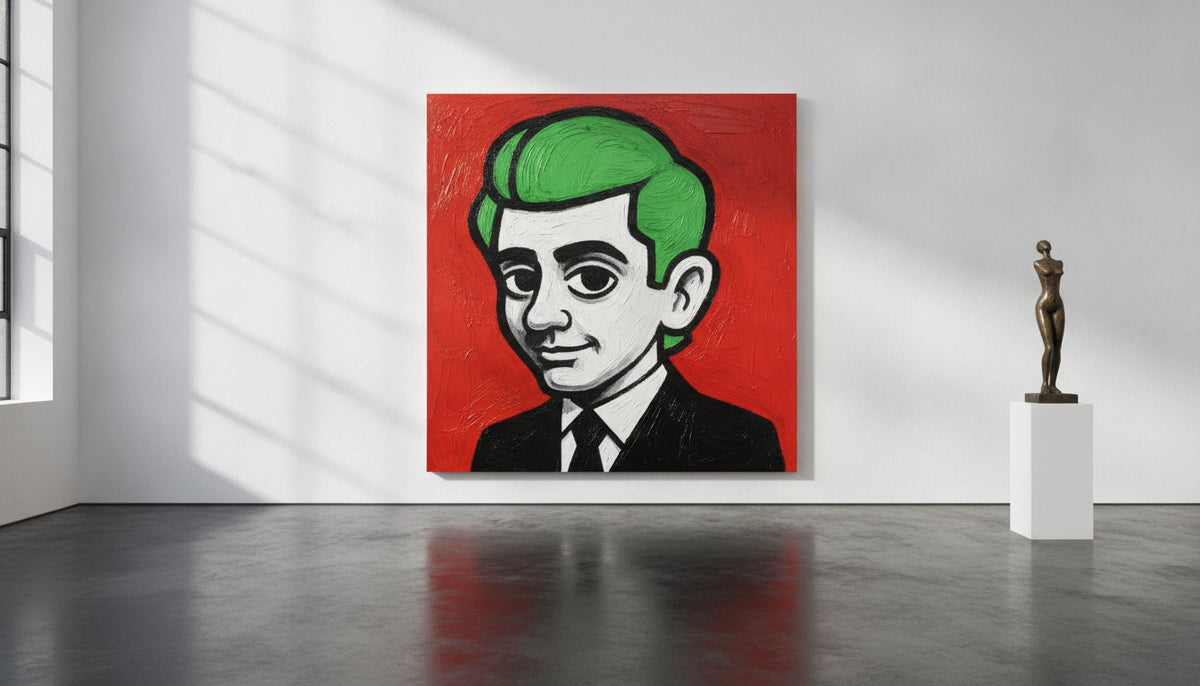
Pop Art Original Artwork: The Specification of the Physical Object
Not everyone understands the necessity of the physical object. That's rather the point. In an era defined by the digital infinite, the distinction of pop art original artwork exists in its material...
Read more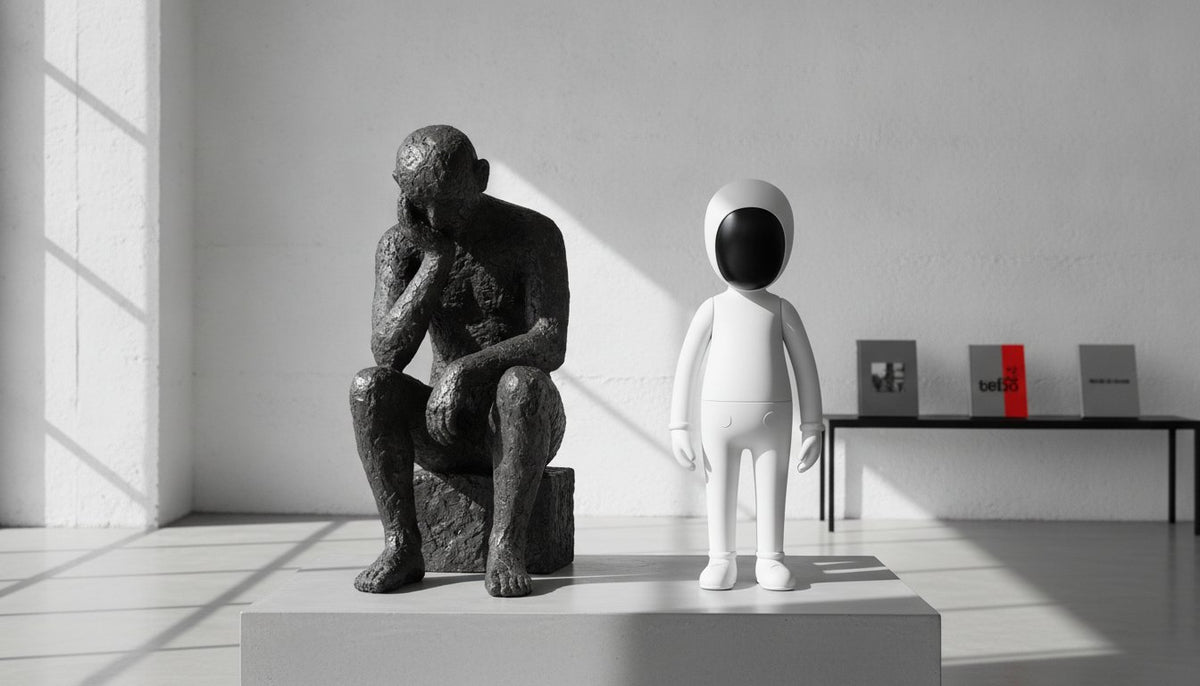
Original Character Collectible Toys: Specifications of the Physical Narrative
Not everyone understands Mylo. That's rather the point. Most collectors are content with mass-produced vinyl that carries no internal weight and lacks a history. You likely recognize the hollowness...
Read more
Leave a comment
This site is protected by hCaptcha and the hCaptcha Privacy Policy and Terms of Service apply.