
Investing in Contemporary Bronze Sculptures: The Specification of Weight
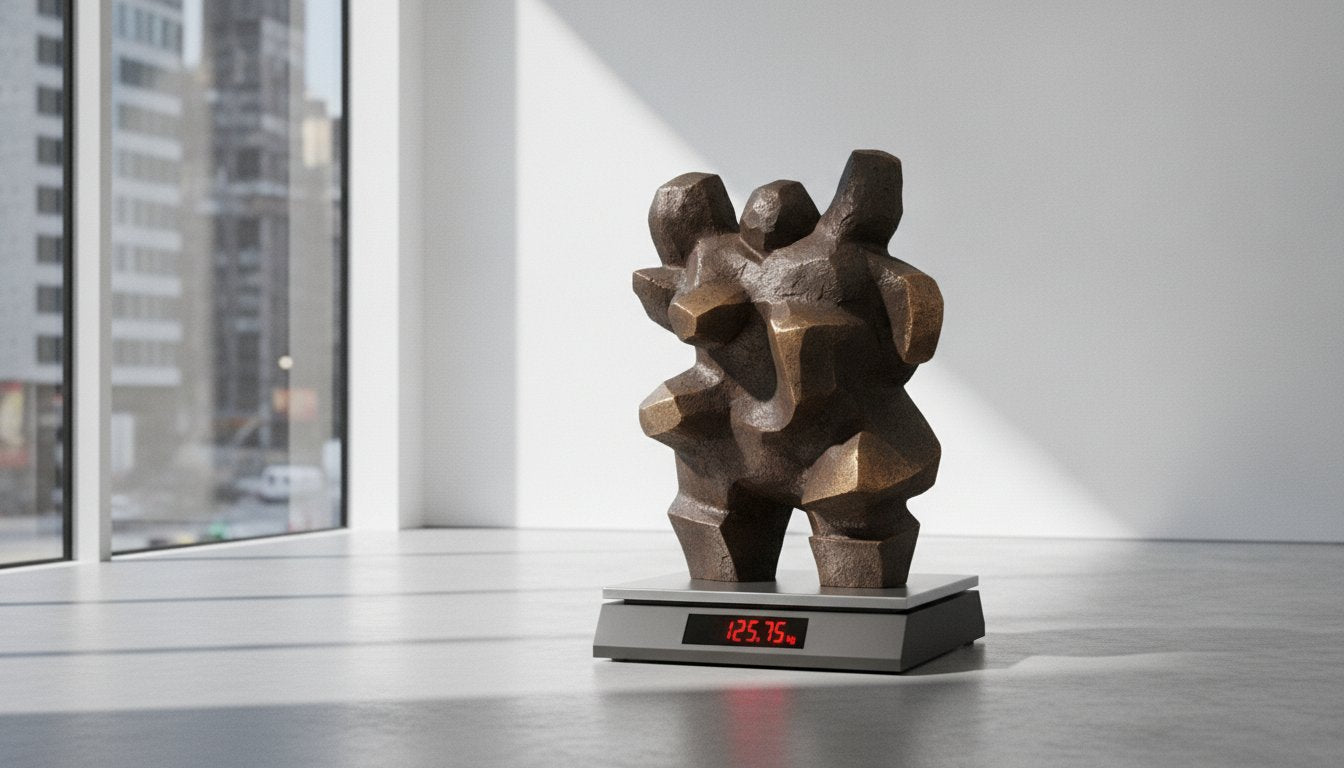
A digital file can vanish with a server error or a market shift, but fifteen kilograms of cast bronze is an immutable fact. Investing in contemporary bronze sculptures offers a physical anchor in a world increasingly defined by the ephemeral. It's understandable that the current volatility of intangible assets makes the permanence of metal feel like a necessary return to form. You aren't just buying a shape; you're acquiring a specific weight of alloy and a verified place in a limited edition.
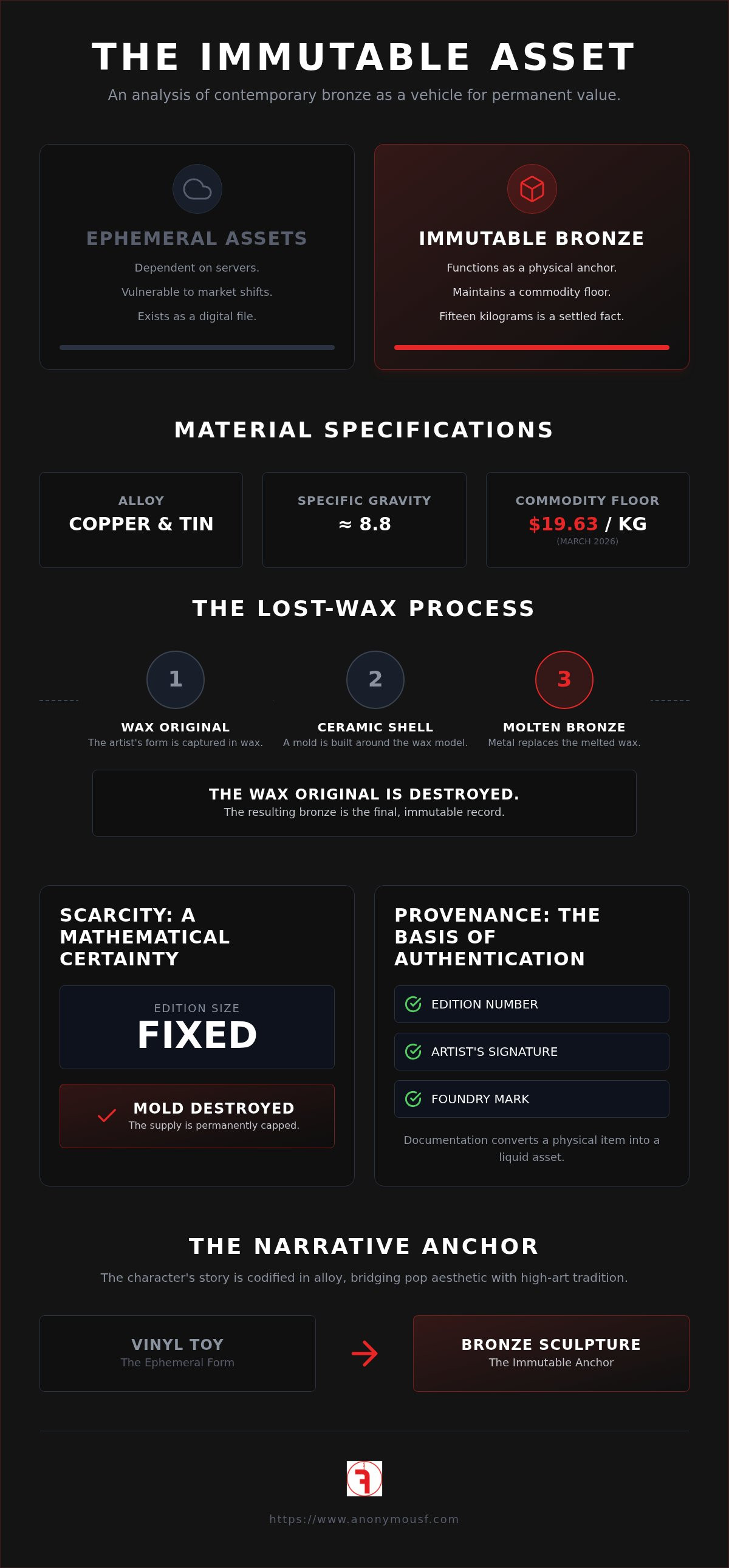
This analysis provides a factual breakdown of bronze as a vehicle for contemporary value, focusing on material specifications and the structures of provenance. We'll look at why the commodity price of bronze, which reached $19.63 per kilogram in early 2026, acts as a floor for your collection. You'll understand the technical drivers of valuation and how character narratives provide the staying power that outlasts market trends.
Key Takeaways
- Bronze is an alloy of copper and tin with a specific gravity that establishes a permanent commodity floor for the physical object.
- Rarity is strictly defined by the fixed edition size and the subsequent destruction of the mold to ensure no further casts are possible.
- The technical specifications of provenance and material weight are the primary drivers when investing in contemporary bronze sculptures.
- Characters like Mylo and Nova function as narrative anchors, translating complex human experiences into the enduring medium of cast metal.
The Intrinsic Value of the Bronze Medium
Bronze is an alloy consisting primarily of copper and tin. It possesses a specific gravity of approximately 8.8. This density provides a permanence that paper, canvas, or vinyl cannot replicate. When investing in contemporary bronze sculptures, the collector is acquiring a material with a global commodity price. In March 2026, the price of bronze reached $19.63 per kilogram. Such data points establish a physical floor for the investment that remains independent of artistic trends. Unlike digital assets, the metal itself retains a baseline worth.
- Material density creates a physical floor for the investment.
- Intrinsic commodity value remains independent of artistic trends.
- Oxidation is a natural evolution, not a defect.
Patina develops over decades as a result of atmospheric exposure. It's a slow, inevitable change. It isn't a defect.
Lost-Wax Casting and Material Permanence
The lost-wax process remains the technical standard for creating high-end sculpture. It involves building a ceramic shell around a wax original. Molten metal replaces the wax, which is melted and drained to leave a permanent void. Because the wax original is destroyed, the resulting bronze is the final, immutable record of the artist's touch. The history of bronze sculpture demonstrates that this method has remained largely unchanged for millennia. Weight is a specification of value. A piece from the Quiet Boy Bronze collection provides a tactile presence that demands physical space. It's the narrative soul of the character given a specific, heavy reality. The metal doesn't ask for attention. It simply occupies the room with total authority. A bronze object is a settled truth in a transient world.
Edition Structures and the Rarity of the Multiple
Scarcity in the bronze market is a mathematical certainty. A limited edition is defined by a specific number of casts. Once the final piece is pulled, the mold is destroyed or retired. This process ensures that the supply is capped permanently. When investing in contemporary bronze sculptures, understanding this hard limit is essential for assessing long-term value. Unlike digital editions that can be duplicated at zero cost, every bronze multiple represents a significant allocation of material and studio time. A reputable art investment guide will emphasize that scarcity drives secondary market performance.
Provenance serves as the documented lineage of an object. It's the paper trail that converts a physical item into a liquid asset. Without a verified history of ownership, a sculpture's value is speculative. For the serious collector, this documentation is as vital as the metal itself. It provides the security required for future resale.
Authenticating Contemporary Pop Art Bronze
A valid certificate of authenticity must include the edition number, the artist’s signature, and the foundry mark. These three elements form the basis of authentication when investing in contemporary bronze sculptures. Numbered editions, like those in the Quiet Boy Bronze collection, dictate the potential market ceiling. While the material quality is identical across the run, collectors often prioritize lower numbers. This preference is a psychological nuance of the market rather than a technical distinction. The value of the work is already a settled matter by the time it leaves the foundry. You can view the current bronze sculptures available to see how these edition structures are applied to specific characters. The integrity of the edition is the integrity of the investment.
Character Narrative: The Fringe Specification
Not everyone understands the weight of a character's soul. That's rather the point. Pop art bronze relies on the specific identity of the subject to maintain long-term relevance. Investing in contemporary bronze sculptures requires an understanding of this narrative foundation. Characters like Mylo and Nova aren't merely toys. They're icons of human complexity cast in metal. The investment value of a character sculpture is tied to the expansion of its story across multiple mediums. When a character's narrative footprint grows, the physical bronze becomes the definitive anchor for that legacy.
Bridging the Avant-Garde and the Everyday
Bronze provides a bridge between high-art tradition and modern character design. There's a deliberate tension between the pop aesthetic and the ancient lost-wax process. Collectors value this friction. It places contemporary characters within a historical lineage that dates back thousands of years. The collection of Fringe collectible toys serves as the entry point for these more substantial works. They introduce the character's form before it's codified in alloy. Transitioning from vinyl to bronze is a move from the ephemeral to the immutable.
A bronze sculpture doesn't just represent a character; it archives it. It's a record of a human truth, held in fifteen kilograms of metal. The story is the value. The bronze is the proof. It's a settled matter of artistic intent.
Establishing a Permanent Collection
A bronze sculpture is a definitive statement of material truth. By prioritizing the lost-wax process and specific alloy density, the collector moves beyond the volatility of digital trends. Investing in contemporary bronze sculptures is a decision to hold a tangible asset with a documented history. Each piece is hand-finished in the Fringe studio and arrives as a numbered edition with a signed certificate of authenticity. These specifications ensure that provenance is a matter of record rather than speculation.
The current bronze editions are documented at anonymousf.com. Holding fifteen kilograms of cast metal provides a grounding presence that digital assets cannot match. It's a connection to an ancient craft that remains indifferent to the passage of time. The weight of the object is the weight of the story it protects. This is the transition from a casual observer to a serious collector of physical legacy.
Frequently Asked Questions
What is the difference between a bronze original and a multiple?
A bronze original is the artist’s initial model in clay or wax, whereas a multiple is one of the casts produced from a mold. In contemporary sculpture, the multiple is the definitive version intended for the collector. Each cast within a limited edition is considered an original work because the artist supervises the final metal chasing and patina application.
How do edition sizes affect the long-term value of a bronze sculpture?
Edition sizes establish a hard cap on the supply of a specific character or form. When investing in contemporary bronze sculptures, smaller edition runs create a scarcity that supports long-term liquidity. Once the mold is destroyed after the final cast, the number of existing pieces becomes a mathematical fact that dictates the market ceiling for that specific work.
Does the patina on a bronze sculpture reduce its investment value?
Patina is the result of natural oxidation or intentional chemical application to the bronze surface. It doesn't reduce investment value. Instead, the patina serves as a protective layer and an aesthetic record of the metal's age. Collectors prioritize the integrity of the surface, viewing the evolution of the metal as a standard characteristic of the medium.
What documentation is required to ensure the provenance of a contemporary bronze piece?
Provenance is secured through a Certificate of Authenticity that includes the edition number, the artist's signature, and the foundry mark. These documents provide the legal and historical record necessary for secondary market transactions. A clear chain of ownership, supported by studio records, ensures that the physical object maintains its status as a verified asset within a collection.

Article by
Fringe

Read more
Art Toy Design Process: The Specification of Character and Form
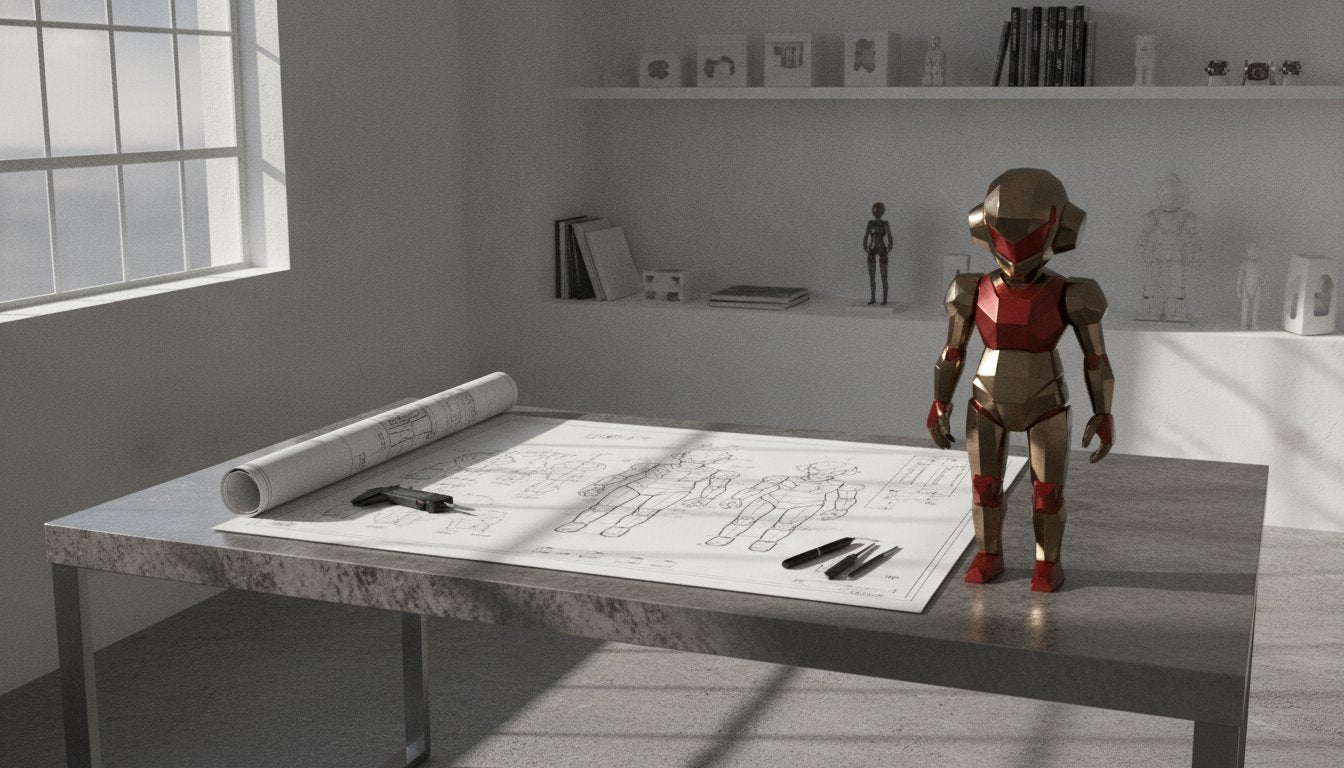
Not everyone understands Mylo. That’s rather the point. Most people view a collectible as a byproduct of a marketing campaign or a simple plastic mold. They see the surface but miss the narrative w...
Read more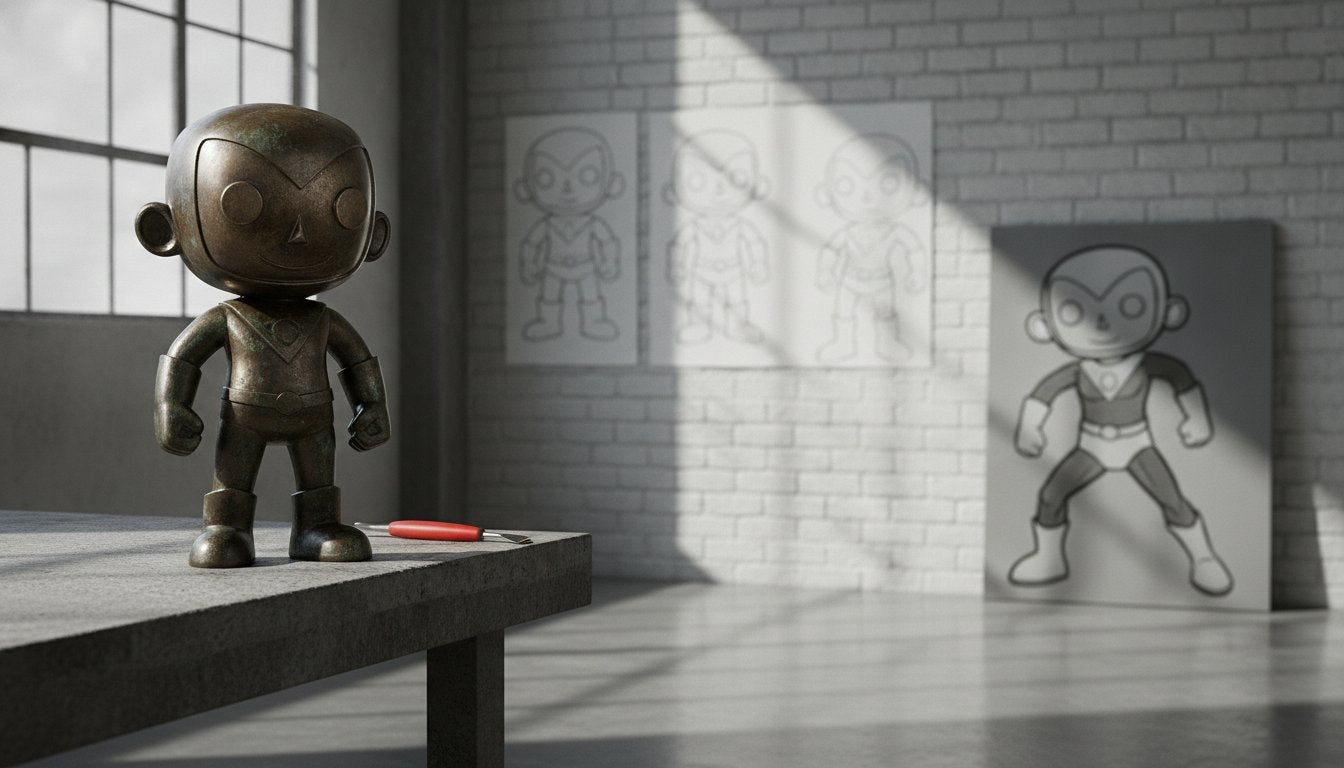
Rare Collectible Art Toys: The Specification of the Physical Object
A plastic figure manufactured in a run of five thousand is not rare. It's simply a delayed commodity. Most enthusiasts recognize the hollow feeling of acquiring a mass-market release that lacks a p...
Read more
Leave a comment
This site is protected by hCaptcha and the hCaptcha Privacy Policy and Terms of Service apply.