
How to Buy Art Directly from an Independent Studio
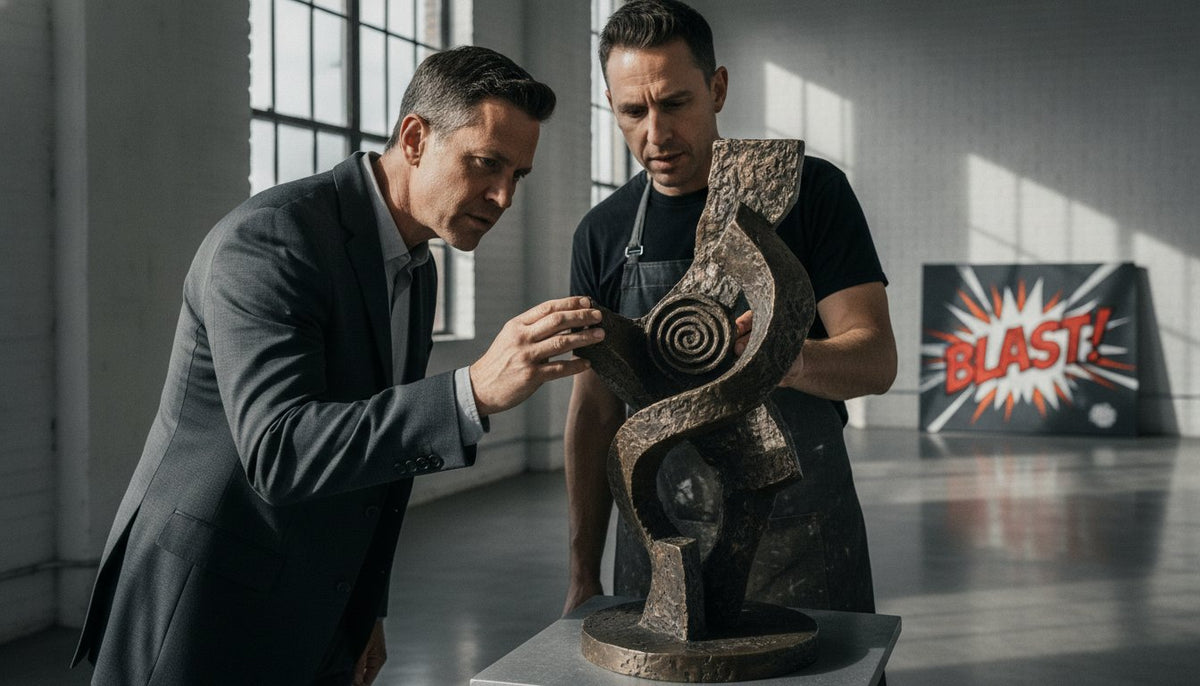
Not everyone understands why a bronze sculpture requires a direct conversation with the studio. That's rather the point. The decision to buy art directly from artist studios is often a quiet rejection of the noise found in commercial marketplaces. It's a move toward clarity. When you bypass the 40% commission rates common on platforms like Saatchi Art, you aren't just saving on markups. You're securing the narrative weight of the object. High-art intermediaries often dilute the provenance of a piece, leaving the collector with a receipt but no real connection to the creator's intent.
You likely recognize that the most significant acquisitions happen in the space where the bronze is cast and the oil meets the canvas. This guide provides a technical protocol for direct acquisition, focusing on the verification of provenance and the nuances of material specifications. We'll cover the logistics of shipping large works, including the standard handling surcharges for items exceeding 48 inches, and the reality of US import tariffs. This is about the physics of the work. You'll understand how to confirm edition sizes for bronze sculptures and verify the specific weight of hybrids on paper without the filter of a third-party salesperson.
Key Takeaways
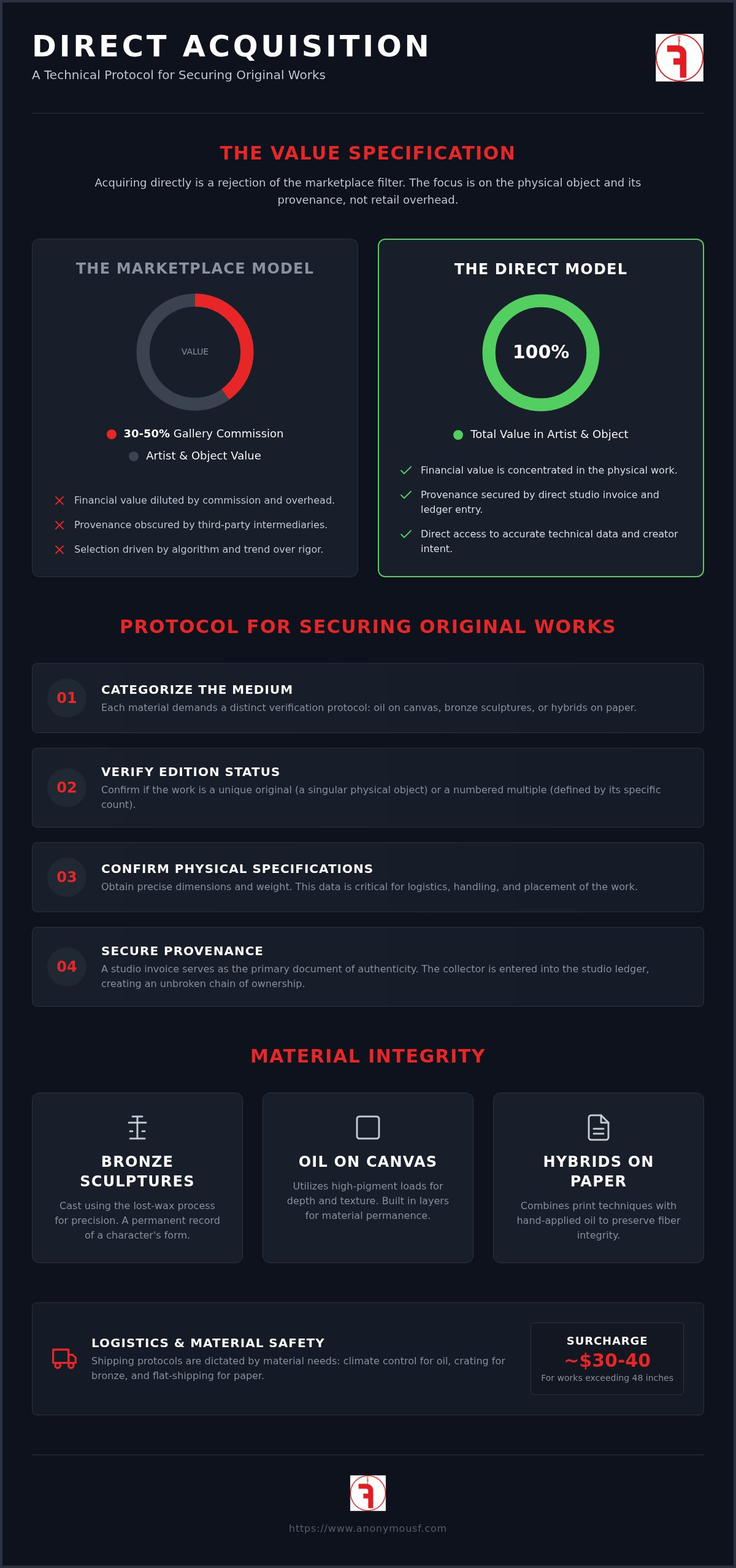
- Direct acquisition removes the 30-50% gallery commission, focusing the financial value entirely on the physical object.
- The protocol to buy art directly from artist studios requires identifying the specific medium and verifying the edition status of the work.
- Provenance is secured through direct studio records, eliminating the diluted history often found in secondary marketplaces.
- Material integrity is confirmed through technical specifications, such as the high-pigment loads in oil on canvas and the lost-wax process for bronze sculptures.
The Specification of Direct Acquisition
Direct acquisition is the transfer of an object from the studio to the collector. It is a precise exchange. When you buy art directly from artist studios, the transaction is stripped of the 30% to 50% commission typically retained by a gallery. Financial value remains concentrated in the physical object rather than the overhead of a retail space. The collector interacts with the primary source. Technical data regarding the lost-wax casting of a bronze or the specific pigment load of an oil painting remains accurate because it comes from the hand that applied it. Factual integrity is the priority.
The Failure of the Marketplace Filter
Digital marketplaces prioritize volume. Their algorithms favor trends and high-frequency turnover rather than material permanence or artistic rigor. This filter often obscures the specific narrative intent of the work. A generic gallery listing cannot replicate the context of a working studio. Within the broader context of The Art Market, the studio represents the primary origin where value is first assigned based on labor and material cost. Direct access provides the context of the struggle. It shows why a character like Mylo exists in bronze rather than just appearing as a thumbnail on a screen.
Provenance as a Technical Requirement
Securing provenance is a technical necessity, not a sentiment. A direct invoice from the studio serves as the primary document of authenticity. It establishes an unbroken chain of ownership from the point of origin. Recording the piece in the physical history of the studio provides security. For those seeking Unique Art for Collectors, this direct link is the only way to ensure contemporary rarity. The collector's name is entered into the studio ledger. This creates a permanent connection between the object and its owner. The fact of the invoice carries the drama of ownership. It is an undecorated truth.
The Protocol for Securing Original Works
Securing original work requires a methodical approach to specifications. To buy art directly from artist studios, you must first categorize the medium. The studio produces oil on canvas, bronze sculptures, and hybrids on paper. Each material demands a different verification of edition status. A unique original exists as a singular physical object. A numbered multiple is defined by its specific count. Confirm the physical dimensions. A bronze sculpture carries significant weight. Finalize the transaction through the secure digital portal to ensure the record is immediate.
Verifying Character Authenticity
Authenticity is found in the physical markers of the character. Fringe characters such as Mylo and Nova possess distinct traits recorded in the studio archives. Original character collectable toys are issued in limited runs. Each piece includes specific numbering on the base. Numbered edition art prints require the artist signature and a clear edition count. These details serve as the barrier against mass-market dilution. It's a way of ensuring the work remains untainted by the noise of the crowd.
Logistics and Material Safety
Material safety dictates the shipping protocol. Oil on canvas is sensitive to rapid temperature shifts. It requires climate-controlled transit to prevent the pigment from becoming brittle. Bronze sculptures are crated based on their specific weight. This prevents structural fatigue during movement. For works with a side exceeding 48 inches, FedEx and UPS impose a surcharge of approximately $30 to $40. Hybrids on paper are shipped flat. This preserves the integrity of the fibers. We seek these objects because they reflect the quiet contradictions of our own nature. You can review the current studio collections to see these material specifications in practice. The data confirms the value of the acquisition.
Material Specifications of the Fringe Studio Output
The decision to buy art directly from artist studios is a commitment to the material weight of the work. It's an acknowledgment that the physical object carries more significance than its digital representation. Oil on canvas works utilize high-pigment loads. This creates a depth and texture that remains visible even in low light. These works are built in layers. Bronze sculptures are cast using the lost-wax process. This ancient technique ensures precision in the modern form. Precision is a requirement for the character's intent. Each material is chosen for its ability to endure. This same dedication to material permanence can be found at Artgal.Online, which features original contemporary African artworks, including meticulously crafted stone sculptures.
- Hybrids on paper combine traditional print techniques with hand-applied oil.
- Art toys are designed as physical characters, not mass-market figurines.
- Bronze sculptures provide a permanent record of the character's silhouette.
The Physicality of Pop Art
Pop art bronze sculpture represents a paradox of modern form and ancient material. It's a collision of the contemporary character and the permanence of metal. The weight of a bronze piece is a fact-based indicator of its permanence. It demands a specific location. Unlike Original Oil on Canvas, which relies on the play of light across pigment, bronze relies on the physical displacement of space. It's unyielding. This density is the primary evidence of its value. It doesn't ask for attention; it commands the room through its mass.
Acquiring the Narrative
The collector is a steward of the character’s narrative. From Gutinke to Nova, these figures exist within a specific studio history. The acquisition is the final step in that history. Proper placement is essential for the object's voice. You can find guidance on How to Display a Contemporary Art Collection to ensure the narrative intent is preserved. The value of the work is a settled matter of material and intent. It doesn't seek approval. It simply occupies its space with total confidence. The transaction is complete when the object is understood.
The Stewardship of Physical Objects
Not everyone values the unbroken chain of a studio ledger. That's why the protocol for direct acquisition exists. To buy art directly from artist studios is to participate in the physical history of the work, ensuring that provenance is established at the source. The studio invoice is the primary document of authenticity. It records your ownership of characters like Mylo, Nova, or Gutinke without the dilution of marketplace mediation. You aren't just acquiring an object; you're securing its narrative weight.
Material integrity remains a settled matter of physics. Whether it's the density of bronze, the pigment load of oil on canvas, or the specific fibers of hybrids on paper, the quality of the output is a known constant. The lost-wax process and traditional layering techniques are chosen for their permanence. The data is now clear. You understand the specifications required to maintain the integrity of a contemporary collection.
View the specifications of the current studio output at anonymousf.com.
The work is ready for the space it will occupy.
Frequently Asked Questions
How do I verify the provenance of an artwork bought directly from the Fringe studio?
Verification is established through the direct studio invoice. This document acts as the primary record of authenticity. It confirms the transfer of ownership from the studio to the collector without intermediary interference. When you buy art directly from artist ledgers, the provenance is recorded at the point of origin. This creates an unbroken history for characters like Mylo and Gutinke. The record is a permanent fact within the studio archives.
What are the shipping protocols for large-scale bronze sculptures or oil paintings?
Large-scale works follow rigorous transport protocols. Bronze sculptures are crated based on their specific weight to prevent movement during transit. Oil on canvas requires climate-controlled shipping to maintain the stability of the pigment layers. As of 2026, any package with a side exceeding 48 inches incurs a handling surcharge of approximately $30 to $40. These technical measures ensure the physical integrity of the work remains uncompromised during delivery.
Are the collectible art toys such as Mylo and Nova limited in edition size?
Collectable toys featuring Mylo and Nova are issued in strictly limited runs. The edition size is determined before production and is never exceeded. Each unit is marked with its specific number on the base of the object. This numbering is a physical marker of rarity. Once a series is closed, the character exists only in that fixed quantity. This protocol ensures the narrative weight of the character is preserved as a singular historical fact.
Can I request technical specifications for the materials used in oil on paper hybrids?
Material data for hybrids on paper is provided as a standard technical specification. These works combine traditional print techniques with hand-applied oil pigments. The base material is 100% cotton paper selected for its ability to support high pigment loads without fiber degradation. You may request the specific weight and acid-free status of the paper. These facts confirm the material permanence of the work. The quality of the hybrid is an established studio standard.

Article by
Fringe

Read more
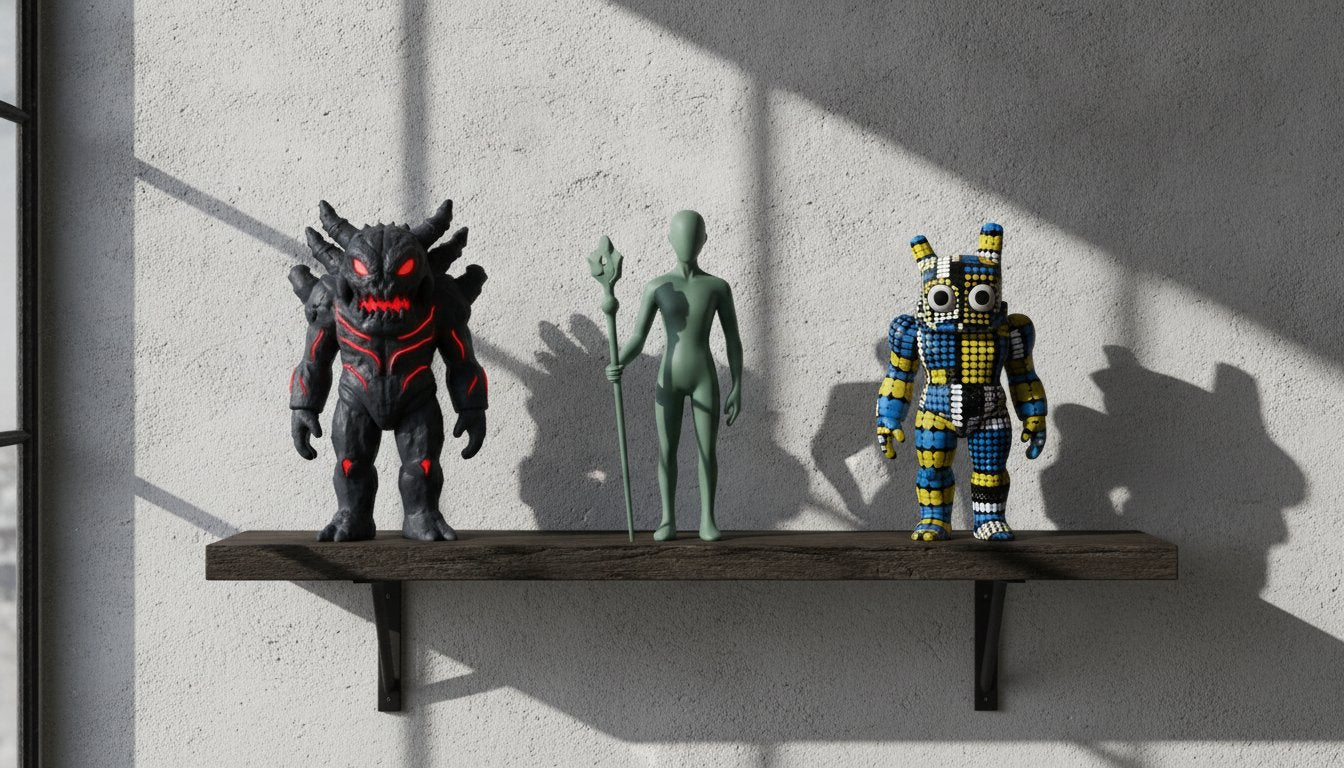
The Specification of Form: A Guide to Fringe Collectable Toys
Not everyone understands Mylo. That’s rather the point. To some, the distinction between mass-market vinyl and hand-finished resin is negligible, but for the serious collector, the weight of the ob...
Read more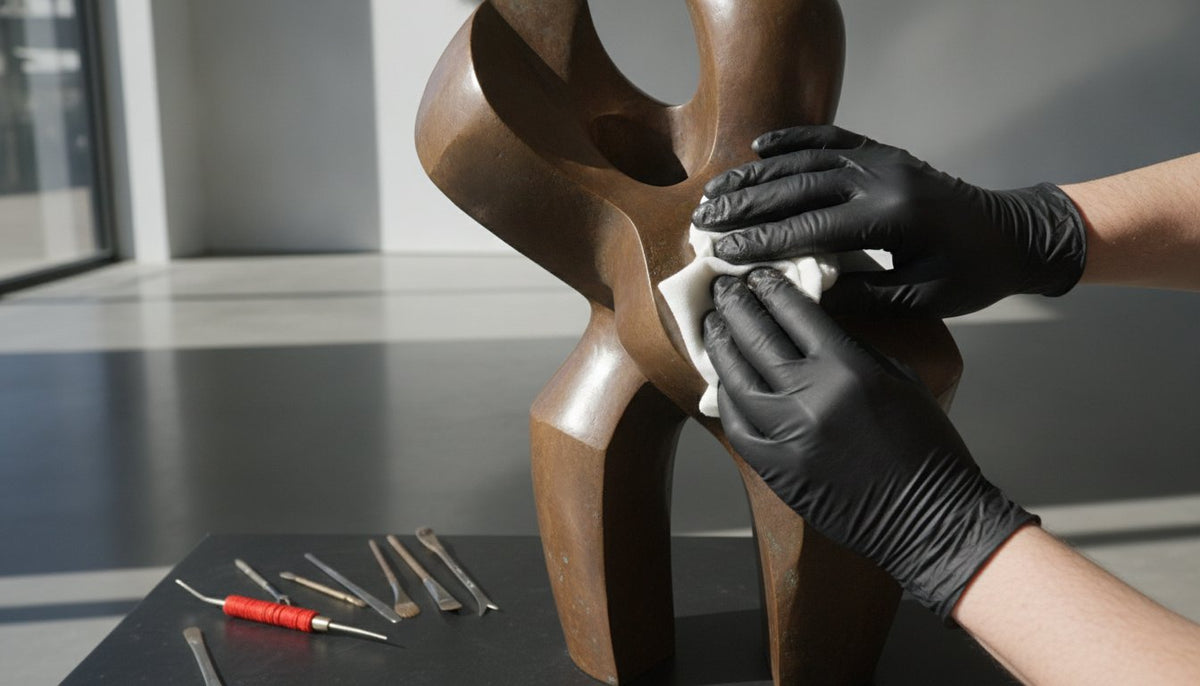
How to Care for a Bronze Sculpture: A Technical Specification
Not everyone understands that a bronze sculpture is a living chemical record. That's rather the point. To own a solid bronze piece is to accept stewardship of a surface that never truly stops react...
Read more
Leave a comment
This site is protected by hCaptcha and the hCaptcha Privacy Policy and Terms of Service apply.