
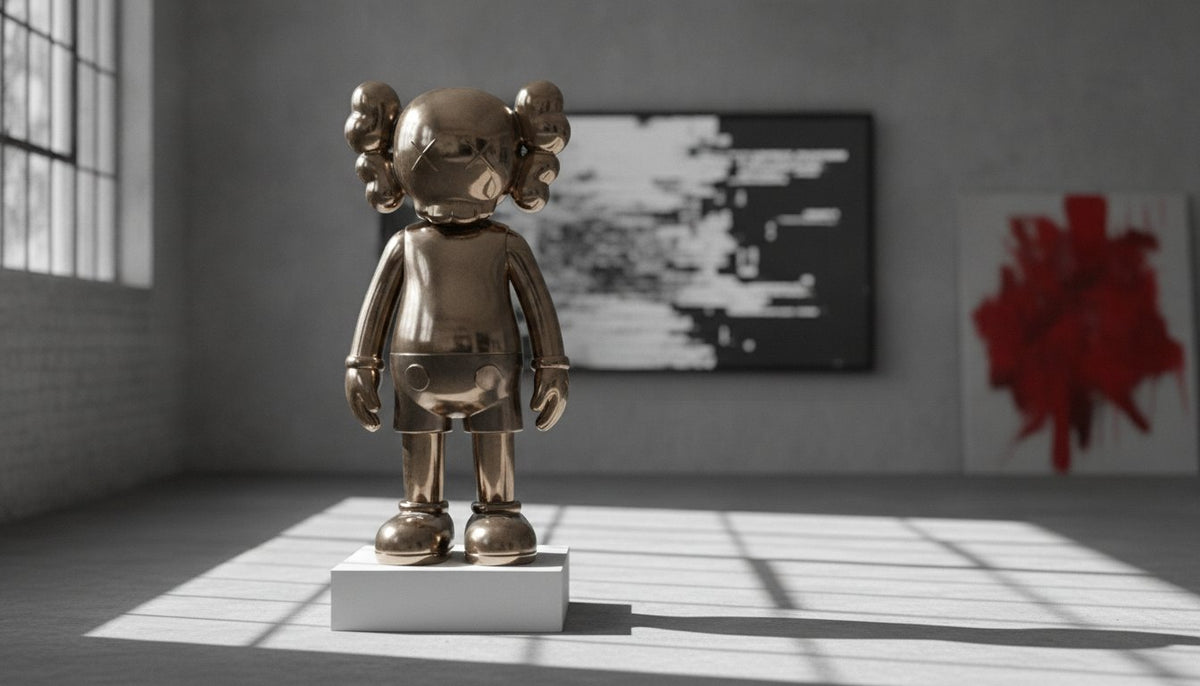
Emerging Pop Artists to Watch in 2026: The Specification of the Physical Object
Not everyone understands the difference between a viral image and a permanent object. That's rather the point. Most people consume art through a backlit screen, mistaking a temporary glow for a lasting presence. You likely feel the exhaustion of this digital oversaturation. Even as we rely on digital hubs like Popcorn Pirate for entertainment, current pop art character design trends are often hollow, lacking the tactile resistance that defines a true collection. This analysis identifies the shift toward the physical specification of the object in 2026.
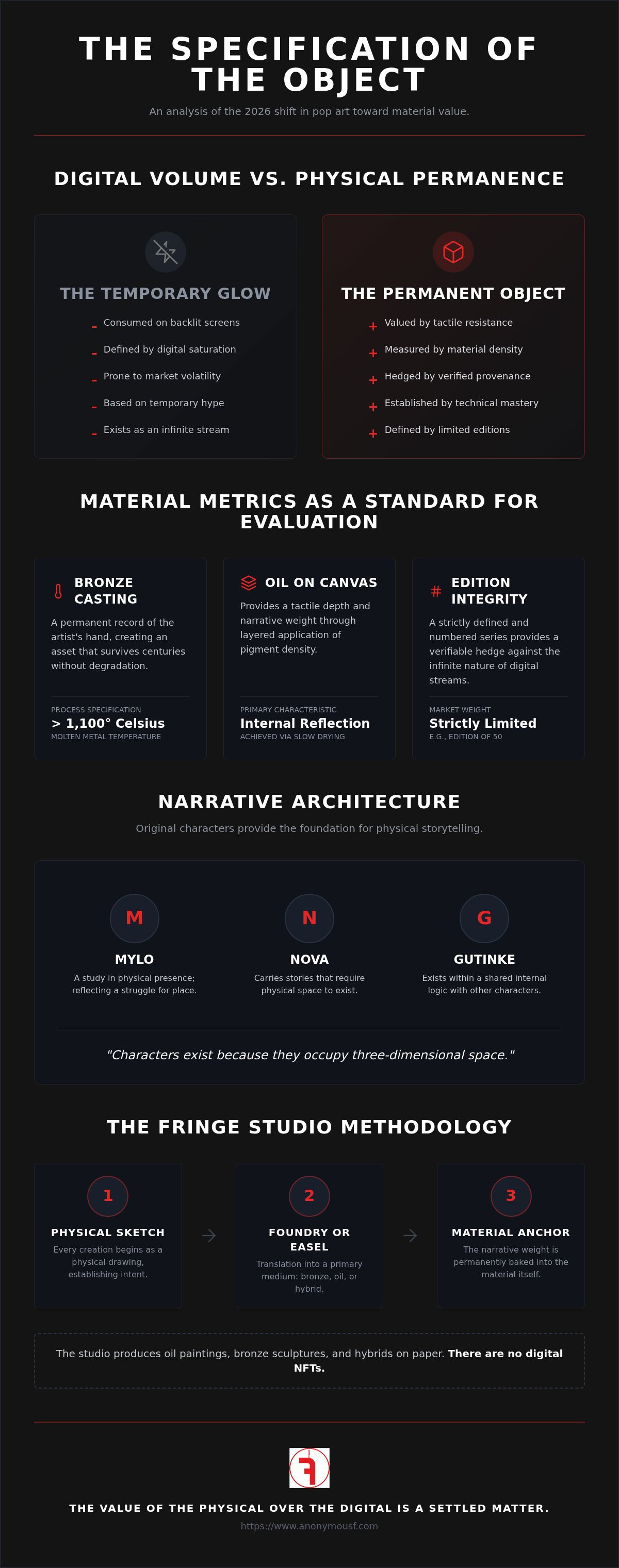
We examine the technical proficiency required for bronze casting and oil painting on canvas. We focus on works that prioritize the density of molten metal over the flicker of pixels. Characters like Mylo exist because they occupy three-dimensional space. They reflect the quiet struggle of finding a place in a crowded world. The value of the work is already settled by its materiality.
Key Takeaways
- Identify the shift in pop art character design trends that prioritizes physical permanence over digital volume.
- Apply material metrics like bronze casting and oil on canvas to distinguish between temporary hype and tangible assets.
- Recognize how the narrative architecture of characters like Mylo and Nova provides a foundation for physical storytelling.
- Establish a standard for verifying edition sizes and provenance to hedge against digital market volatility.
The Structural Shift in Pop Art Character Design Trends
Not everyone understands the 2026 shift toward physical permanence; the distinction lies in the weight of the object. For years, the market was flooded with digital-only assets that lacked material soul. Today, pop art character design trends are defined by multidisciplinary specifications rather than the sheer volume of a social media stream. The value is found in the technical evaluation of how a character narrative translates into oil on canvas or bronze sculptures.
A character like Mylo is not a temporary graphic. It's a study in physical presence. This structural shift requires collectors to look beyond the screen. They must consider the density of the medium and the permanence of the pigment. The digital hype has subsided. What remains is the specification of the physical object. It's a matter of technicality and weight.
Beyond Digital Saturation to Physical Specifications
Artists are now judged on their ability to anchor narratives in tangible forms. The transition from digital saturation to physical specification is a return to technical mastery. It involves a specific process of bronze casting and layered oil painting. This approach avoids the ephemeral nature of digital-only releases. It focuses instead on verified provenance and limited edition numbering.
- Materiality: The use of bronze and oil provides a hedge against digital volatility.
- Narrative Weight: Characters like Nova and Gutinke carry stories that require physical space.
- Technical Proficiency: The process of bronze casting creates a permanent record of the artist's hand.
The human truth behind these objects is found in the struggle for connection in a world of pixels. A bronze sculpture feels cold until it's held. The weight is the evidence of its existence. The market has decided the value of the physical over the digital. It's a settled matter.
Material Metrics for Evaluating Contemporary Pop Collectibles
Not everyone recognizes that materiality serves as the primary metric for distinguishing between fleeting hype and tangible art assets. In the landscape of pop art character design trends, the physical weight of a piece dictates its longevity. Edition size must be strictly defined. Numbered prints and sculptures provide a hedge against digital volatility. Provenance isn't a suggestion; it's a requirement for a serious collection. A numbered edition of 50 carries a different market weight than an infinite digital stream.
Narrative consistency across original characters like Mylo, Nova, and Gutinke creates a cohesive world. This interconnection increases the value of individual pieces. When a character is translated from a sketch into a bronze sculpture, it gains a permanent record of existence. The transition from oil on canvas to hybrids on paper allows for a multifaceted study of the same internal state.
- Edition Integrity: A strictly numbered series provides a verifiable hedge against market volatility.
- Narrative Cohesion: Characters like Mylo and Nova exist within a shared internal logic.
- Tactile Provenance: The physical signature of the medium confirms the artist's direct involvement.
The Permanence of Bronze and Oil Mediums
Bronze sculptures represent a permanence that contrasts with the fast-moving nature of pop culture. The casting process involves molten metal at temperatures exceeding 1,100 degrees Celsius. This results in a material that survives centuries without degradation. Oil on canvas provides a tactile depth and narrative weight that digital reproductions cannot replicate. The slow drying time of oil allows for a layering of internal reflection and pigment density. These mediums demand a slower pace of observation.
The human truth of these objects lies in their resistance to the ephemeral. A character that exists only in pixels can be deleted. A character cast in bronze or painted in oil remains. This is the distinction between a trend and a legacy. The market value of the physical object is a settled matter.
Narrative Architecture in the Fringe Studio
Not everyone understands the labor of a physical cast. That's rather the point. In a market fixated on the ephemeral, the Fringe studio operates through the specification of the object. We produce oil paintings, bronze sculptures, and hybrids on paper. There are no digital NFTs here. The value of the work is anchored in its material presence. Current pop art character design trends often lean toward the temporary, but our studio focuses on the structural weight of original characters. Mylo, Nova, and Gutinke serve as the narrative foundation for every piece.
The oil on canvas works use specific pigment densities to create a depth that a screen cannot replicate. Hybrids on paper combine traditional drawing with layered applications. Every creation starts as a physical sketch before moving into the foundry or the easel. This methodology ensures that the narrative weight is baked into the material itself. The characters are observers of their own physical reality. This focus on physicality contrasts with broader pop art character design trends that prioritize rapid digital iteration.
Character Case Studies: Mylo and Nova in Three Dimensions
The Mylo character bronze represents a convergence of pop imagery and classical material. It is a 3000-year-old process applied to a modern silhouette. Limited edition Fringe collectable toys bridge the gap between high art and toy culture. These are not mass-market items. They are numbered editions. These specifications are documented in the Pop Art Original Artwork: The Specification of the Physical Object guide.
These objects reflect the quiet struggle of the human condition. They occupy space because the emotions they represent are heavy. A bronze sculpture doesn't ask for attention. It simply exists. The market has already decided the value of this permanence. The object is the final authority.
The Material Future of Visual Pop
The market for 2026 has already identified its priority. It's the physical object. We've examined how pop art character design trends now favor the density of bronze and the texture of oil on canvas over the flicker of a digital screen. Character narratives like Mylo and Nova provide the foundation for this material shift. These are limited edition releases with verified provenance. Every piece carries the weight of technical proficiency. The studio remains committed to the specification of the object. There are no digital shortcuts here.
The value is found in the material and the story it holds. You can track these developments through Fringe Studio News as we continue to document the transition from digital saturation to physical permanence. The work is ready for those who understand the difference. The object remains the final authority in a collection.
Frequently Asked Questions
What defines an emerging pop artist in the visual arts?
An emerging pop artist is defined by their ability to anchor character narratives in physical mediums with verified provenance. This distinction is critical as pop art character design trends move away from digital streams toward material specification. The artist demonstrates technical proficiency in bronze casting or oil painting. This ensures the work exists as a permanent object, reflecting the quiet struggle for material connection.
Why are bronze sculptures considered a significant pop art investment?
Bronze sculptures offer a material hedge against the volatility of digital assets because of their physical durability and technical complexity. The casting process creates a permanent record of the artist's hand that cannot be replicated. These pieces are issued in strictly numbered editions. The weight of the metal provides evidence of an enduring existence that transcends the flicker of a screen.
How do original character toys differ from mass-produced collectibles?
Original character toys differ from mass-produced items through their limited edition numbering and specific narrative weight. Characters like Mylo and Nova are designed as extensions of a broader artistic world. These physical releases include verified provenance and reflect the technical standards of a studio environment. They occupy space because the human emotions they represent are heavy and require physical form. For those who appreciate this blend of character narrative and physical presence in more accessible or wearable forms, you can learn more about WhimSpin and how they integrate wit into their graphic-printed collections.
Oil on canvas provides a tactile depth and pigment density that digital reproductions lack. The slow drying time of the medium allows for a layering of internal reflection and physical texture. In a modern collection, these works represent a return to technical mastery within pop art character design trends. The texture reveals the artist's internal state through the permanence of the medium.

Article by
Fringe

Read more
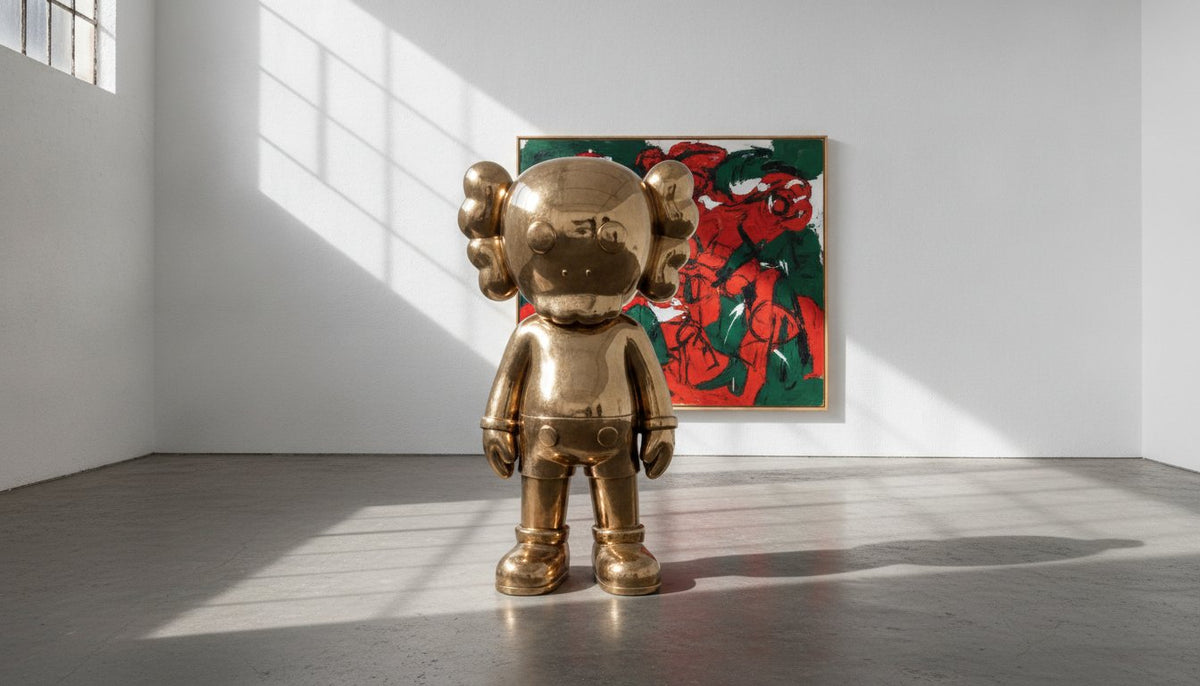
Pop Art Investment Guide 2026: The Specification of Physical Scarcity
Not everyone understands why a physical character holds more weight than a thousand pixels. That’s rather the point. The volatility of digital markets has finally met its match in the quiet, heavy ...
Read more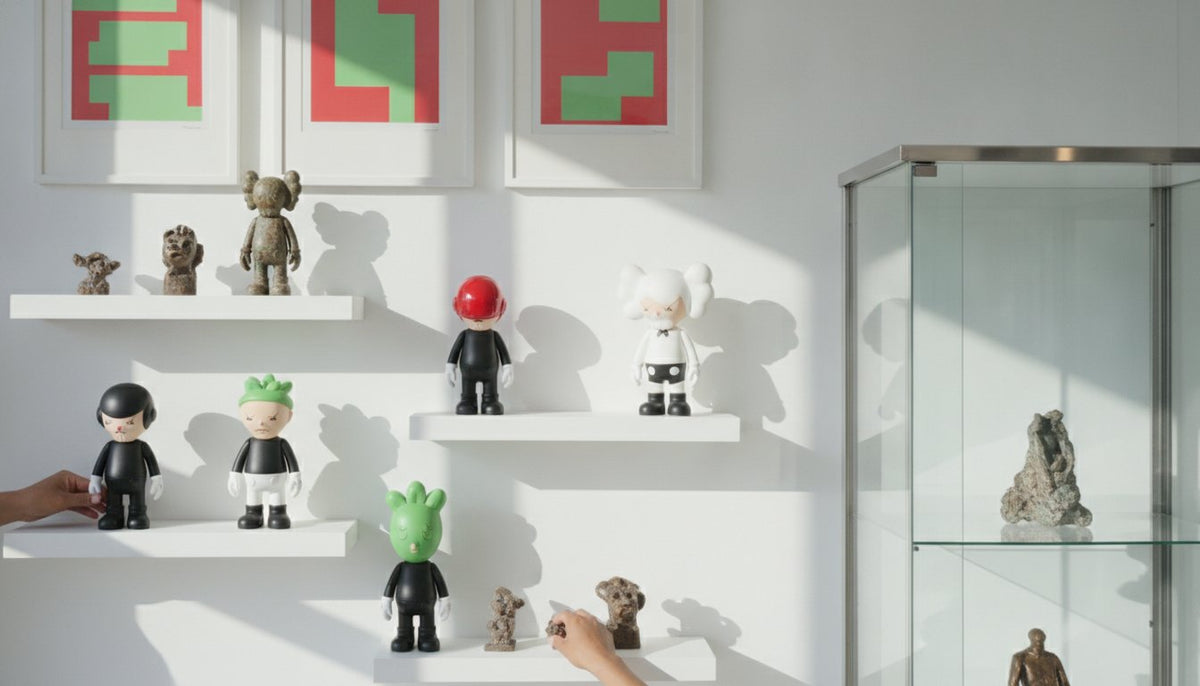
Specification for the Display of Collectible Art Toys
Not everyone understands why a Mylo figure requires the same environmental precision as an oil on canvas. That's rather the point. Most treat character-based art as shelf fillers, yet the material ...
Read more
Leave a comment
This site is protected by hCaptcha and the hCaptcha Privacy Policy and Terms of Service apply.