
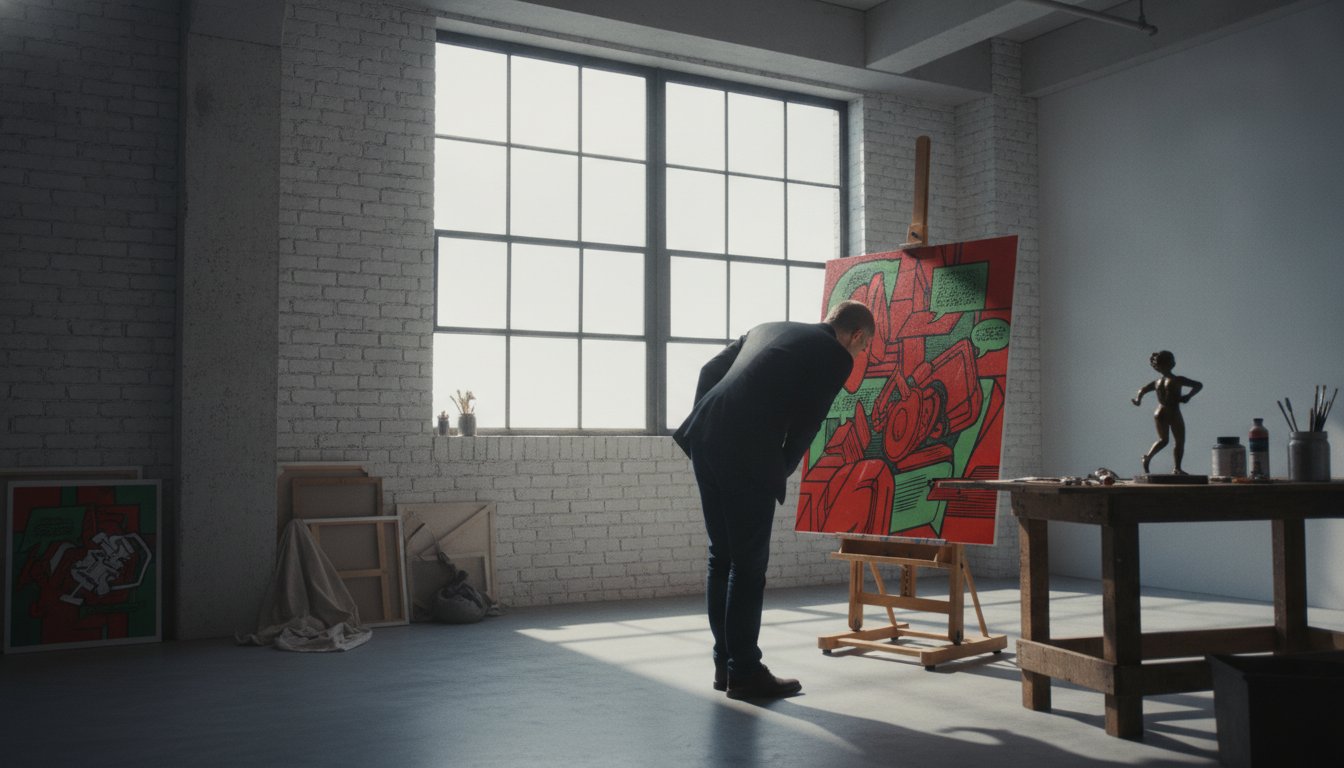
Buying Pop Art Directly from the Artist: The Specification of Provenance
Not everyone understands Mylo. That’s rather the point. For the serious collector, the gallery wall often acts as a barrier that inflates costs while diluting the artist's original intent. You understand that the value of an object is found in its physical truth rather than a third-party sales pitch. Buying pop art directly from artist studios eliminates these intermediaries, preserving the unfiltered provenance of the work. Similarly, OohYeah! enables music fans to support artists directly by bypassing traditional gatekeepers. This guide outlines the technical protocols and material facts required to acquire contemporary pieces like Nova or Gutinke directly from the independent studio. We examine the weight of bronze sculptures and the specific layering of oil on canvas to provide a clear specification of ownership. By focusing on the narrative weight of the object, we establish a framework for provenance that prioritizes the integrity of the studio process. The facts of the material define the value of the acquisition.
Key Takeaways
- Acquiring an object at its point of origin removes the price inflation and narrative sanitization common in secondary markets.
- Verification of the specific medium, such as bronze casting or oil on canvas, establishes the technical foundation of the work.
- Buying pop art directly from artist studios ensures an unfiltered provenance that documents the object’s history from the moment of creation.
- Professional studio protocols include specialized art handling and direct access to the narrative histories of characters like Nova or Mylo.
The Distinction Between Studio Acquisition and Marketplace Intermediaries
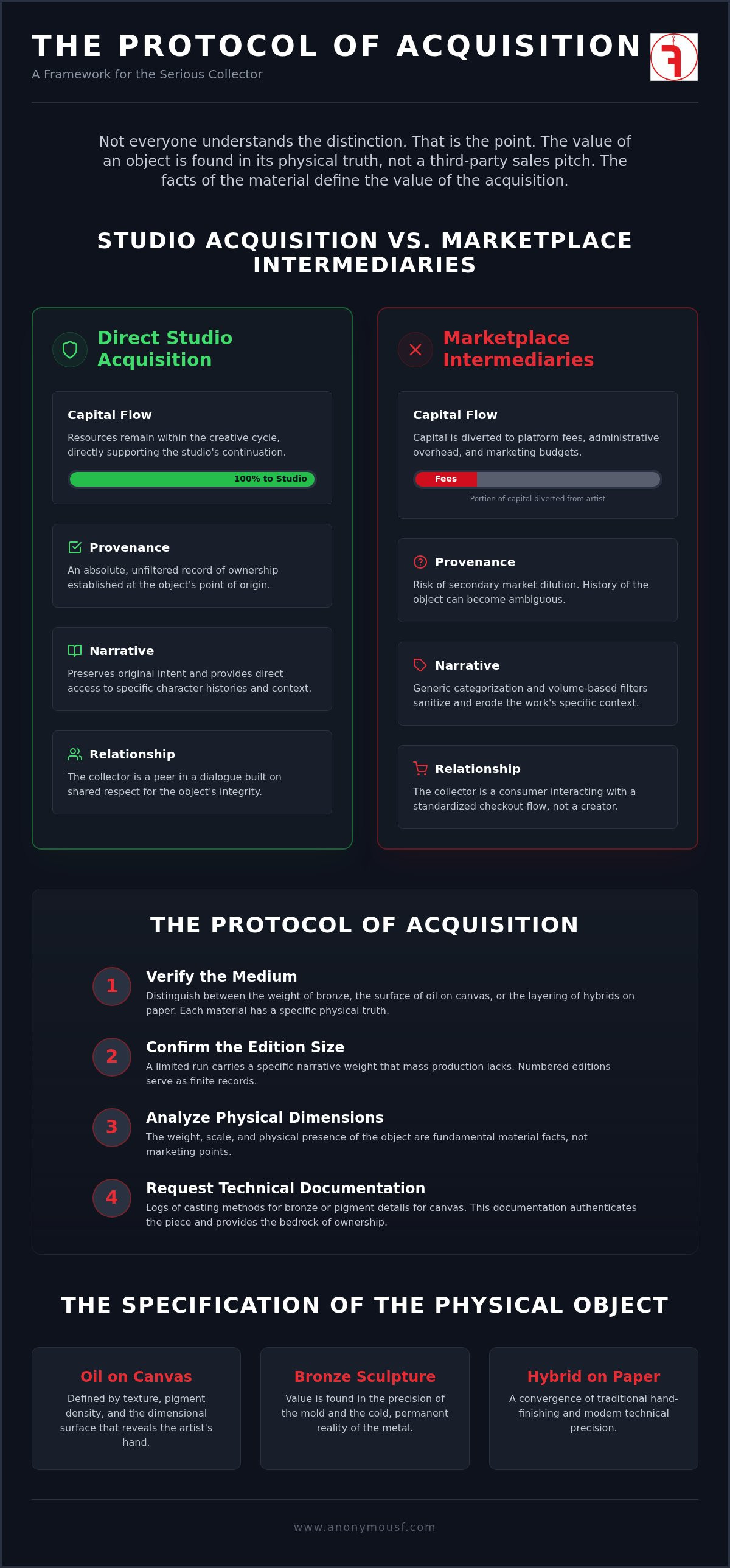
Buying pop art directly from artist studios is an act of acquiring an object at its point of origin. Intermediaries often sanitize the relationship between the creator and the collector, replacing direct dialogue with standardized checkout flows. When you bypass these platforms, 100% of the capital supports the continuation of the studio's work. It ensures that the resources remain within the creative cycle rather than being diverted to platform fees or administrative overhead. This model prioritizes the survival of the craft over the convenience of the algorithm.
Direct acquisition provides an absolute record of ownership. The Specification of Provenance is established the moment the work leaves the studio, eliminating the risk of secondary market dilution. In these transactions, the collector is a peer. The authority of the piece is a settled matter, documented by the hands that cast the bronze or applied the oil. There is no ambiguity in the history of the object.
The Erosion of Narrative in Aggregated Platforms
Aggregated marketplaces prioritize volume over the specific narrative weight of individual characters. They use generic category filters that cannot replicate the context found within the studio. For example, the history of Mylo is a specific exploration of human vulnerability that loses its nuance when categorized simply as a "collectible toy." The studio provides the necessary context. It preserves the intent behind the physical object. Authentic provenance requires this direct link to the source. It is the difference between owning a product and holding a piece of a larger history.
Evaluating Material Facts and Provenance in Direct Pop Art
The protocol of buying pop art directly from artist studios begins with a technical audit of the physical object. Step one is the verification of the medium. You must distinguish between the weight of bronze, the surface of oil on canvas, or the layering of hybrids on paper. Step two involves confirming the edition size. A limited run carries a specific narrative weight that mass production lacks. Step three is the analysis of physical dimensions and weight. Establishing provenance through buying pop art directly from artist sources eliminates the ambiguity of the secondary market. Finally, request documentation that authenticates a piece. This includes technical logs of the casting method for bronze sculptures. These material facts provide the bedrock of ownership.
The Specification of the Physical Object
Oil on canvas is defined by texture and pigment density. The physical application of paint creates a dimensional surface that reveals the artist's hand. Bronze pop art offers permanence. Its value is found in the precision of the mold and the cold reality of the metal. Hybrid works on paper represent a convergence of traditional hand-finishing and modern technical precision. These material facts are the metrics that matter when evaluating contemporary studio works. The object holds its own authority. It doesn't require a gallery's approval to exist. It simply is. The cooling of bronze or the drying time of oil are material truths. They aren't marketing points. This technical clarity ensures the collector remains a peer in the creative process rather than a mere consumer of imagery.
The Protocol of Independent Studio Acquisition
Direct communication in the studio environment allows for the discussion of specific character histories. When buying pop art directly from artist sources, the collector gains access to the narrative origins of figures like Nova. This dialogue isn't a sales tactic; it's a transfer of context. It establishes why a character exists before it ever becomes a physical object.
Logistical protocols are rigid. Shipping from an independent studio involves specialized art handling and insurance coverage tailored to the specific medium. Unlike generic logistics, these protocols account for the physical weight of bronze or the surface sensitivity of oil on canvas. This due diligence aligns with the standards found in an art lawyer's guide regarding the legal and physical protection of an acquisition. The studio remains responsible for the integrity of the object until it enters the collector's environment.
The collector acts as a peer in the preservation of the work. Authenticity is a matter of record when buying pop art directly from artist studios, documented through direct correspondence and original receipts. It isn't a marketing claim. It is a material fact. The relationship is built on shared respect for the object's survival.
Maintaining the Integrity of Limited Editions
Numbered editions serve as finite records of a specific creative period. They aren't infinitely reproducible. Signed limited edition prints provide a technical entry point into the studio's narrative without compromising the exclusivity of the larger body of work. For a deeper technical analysis of these protocols, see The Rarity of the Multiple: A Guide to Original Character Art Prints. The integrity of the edition is maintained through strict numbering and the artist's signature. This process ensures that the scarcity of the object remains a settled matter.
The Standard of Authentic Ownership
Establishing the history of an object requires a focus on material truth rather than marketplace sentiment. You've seen how the elimination of intermediaries preserves the narrative integrity of works like Mylo or Gutinke. Buying pop art directly from artist studios ensures that the technical specifications of bronze casting and the density of oil on canvas are documented at the point of origin. This direct provenance acts as a material record, securing the long-term value of the acquisition through undecorated facts. Authenticity is not a claim but a physical reality verified by the studio's own protocols. When the collector and artist engage as peers, the preservation of the work becomes a shared responsibility. The Fringe studio catalog is available for review here, featuring original character series in bronze, oil, and hybrids on paper. Secure the narrative weight of your collection by prioritizing the direct history of the object.
Frequently Asked Questions
Is buying art directly from an artist safer than using a gallery?
Security is found in the removal of intermediaries. Galleries act as third-party filters, but buying pop art directly from artist establishes a primary link to the source. This eliminates the risk of fragmented histories or secondary market markups. The safety of the transaction is guaranteed by the studio's direct record-keeping. You are dealing with the origin point, which is the most secure form of provenance available.
How do I verify the provenance of a piece bought from an independent studio?
Verification is a matter of material record. When buying pop art directly from artist, you receive a direct receipt and a certificate of authenticity signed by the creator. This documentation tracks the object from the mold or canvas to your collection. It includes edition numbers and technical specifications. These facts constitute an unimpeachable history that secondary marketplaces cannot replicate without a direct paper trail.
What are the shipping protocols for large bronze sculptures or oil paintings?
Shipping protocols are determined by the physical weight and surface sensitivity of the medium. Large bronze sculptures require specialized crates and white-glove handling to manage their density and patina. Oil paintings are packed to prevent contact with the drying surface. Every shipment includes transit insurance and a tracking log. The studio manages these logistics to ensure the object's narrative weight remains intact during transport.
Can I request specific technical details about the artist’s process?
Technical transparency is a standard protocol in studio-direct acquisitions. You can request specific data regarding the casting method for bronze or the layering sequence of oil on canvas. This often includes details on the professional-grade pigments and markers used; for instance, many creators rely on specialized tools from PoscART for their precision and archival quality. This information provides the material context for characters like Mylo or Nova. Understanding the physical construction of the work is part of the peer-to-peer relationship. It ensures you hold a technical understanding of the object you own.

Article by
Fringe

Read more
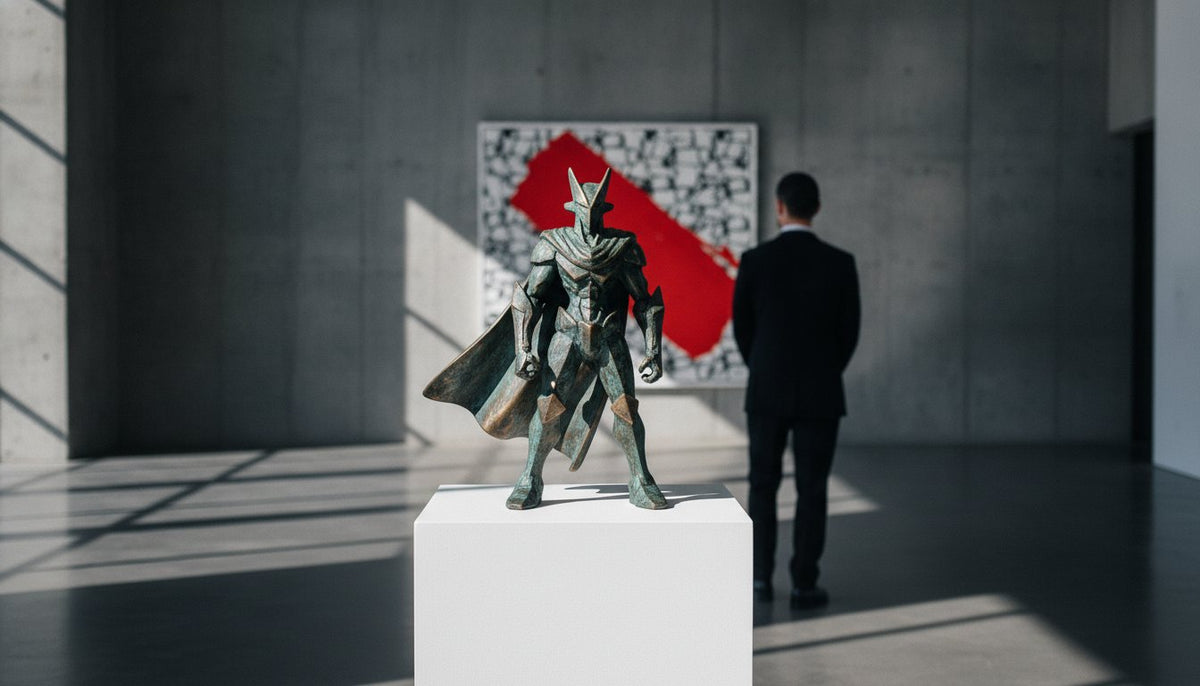
Investing in Original Character Art Toys: The Specification of Rarity
A plastic figure is a toy. A bronze Mylo is a record of human struggle. Not everyone understands the distinction. That is rather the point. You've likely noticed the exhaustion of an oversaturated ...
Read more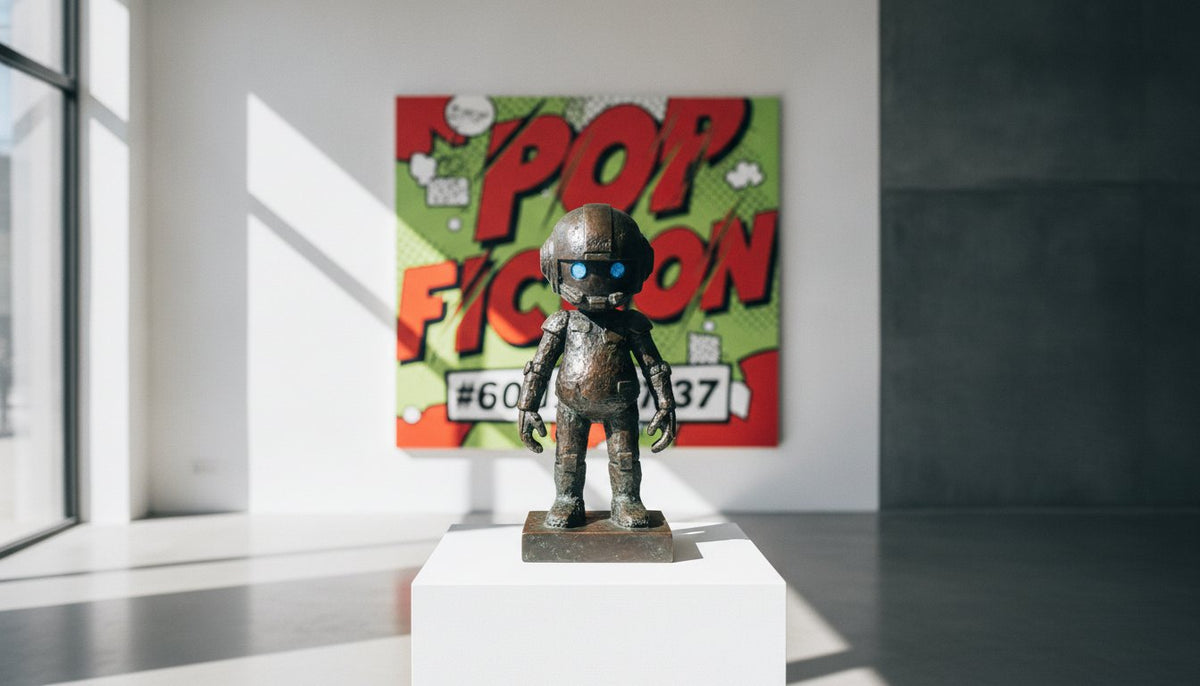
Modern Pop Art Trends: The Specification of the Physical Object in 2026
Not everyone understands why a 6.94 billion dollar market is turning its back on the infinite digital screen. That's rather the point. You've likely felt the exhaustion of the algorithm, where AI-g...
Read more
Leave a comment
This site is protected by hCaptcha and the hCaptcha Privacy Policy and Terms of Service apply.