
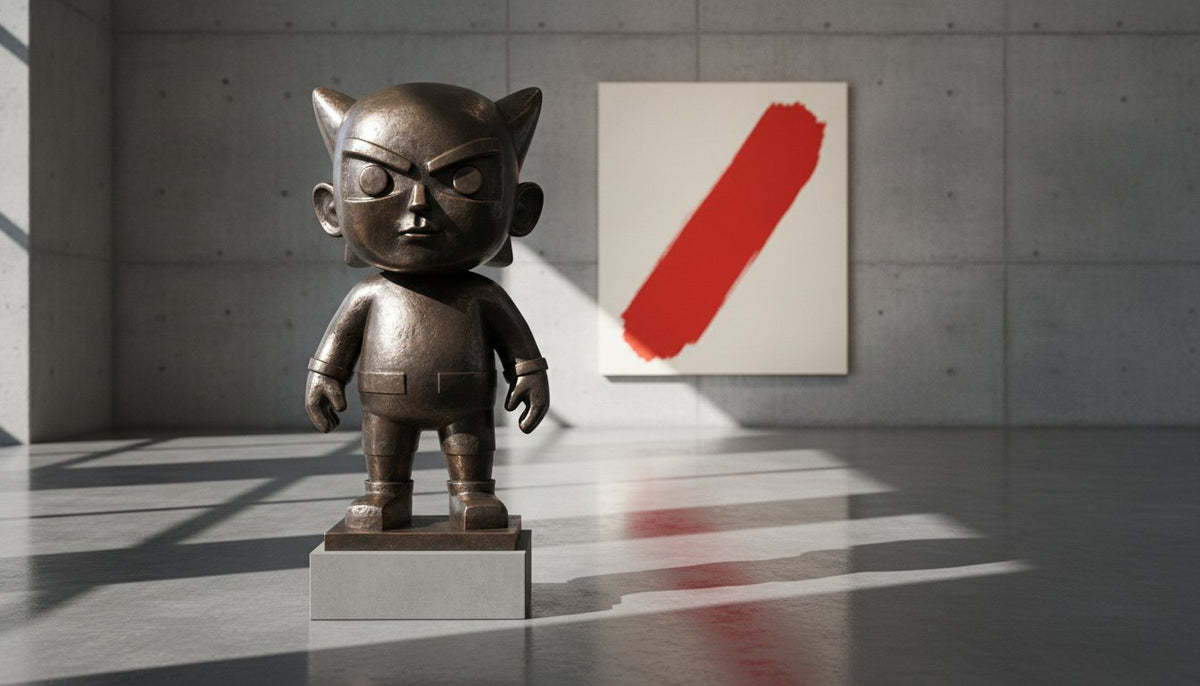
Bronze Sculpture Investment Value: The Specification of Permanent Assets (2026)
Not everyone understands Mylo. That's rather the point. The contemporary art market is often saturated with mass-produced objects, making it difficult to find clarity in edition sizes or true rarity. You're right to be skeptical of the noise. This analysis offers a grounded look at bronze sculpture investment value by examining the metallurgical and market-driven factors of wealth preservation. We will detail the markers of high-end pop art sculptures and the strict mathematics of edition integrity. The focus remains on physical studio provenance and the lost-wax casting process. This is a study of how a specific material becomes a permanent asset through the intersection of craft and scarcity.
Key Takeaways
- Define the metallurgical baseline of copper and tin as a physical defense against material decay and structural fatigue.
- Evaluate bronze sculpture investment value through the lens of strict edition integrity and verified studio provenance.
- Distinguish between mass-produced decorative items and high-end pop art by identifying the specific technical markers of the lost-wax casting process.
- View character-driven figures such as Mylo and Nova as physical anchors that translate internal human experiences into permanent assets.
The Material Integrity of Bronze as an Investment Asset
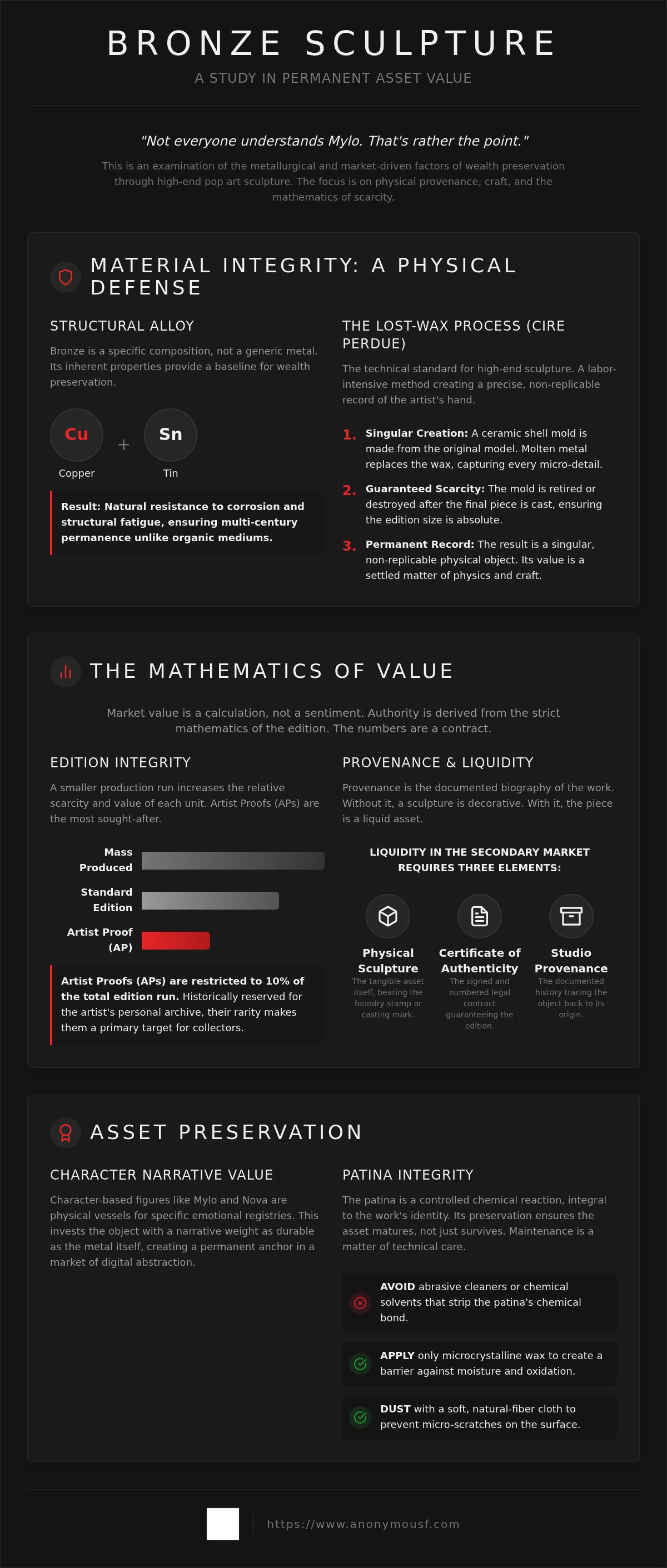
Bronze is a structural alloy of copper and tin. This specific composition ensures a natural resistance to corrosion and structural fatigue. While organic mediums succumb to oxidation or light damage, bronze maintains its density for centuries. The material itself provides a baseline for wealth preservation. However, the true bronze sculpture investment value emerges at the intersection of this physical permanence and the artist's intent. It's a deliberate choice to cast characters like Mylo in a medium that survives environmental shifts. Unlike canvas or paper, which require climate-controlled environments to prevent physical degradation, bronze acts as a stable, physical anchor for a contemporary collection.
Lost-Wax Casting and the Permanence of Form
The lost-wax process, or cire perdue, is the technical standard for high-end sculpture. It's a labor-intensive method where the original model is encased in a ceramic shell. Molten metal replaces the wax, creating a precise record of the artist's hand. Every piece in the Quiet Boy Bronze series carries the weight of this history. The process requires a high level of technical mastery from the foundry. The following facts dictate the integrity of these assets:
- The mold is retired or destroyed after the final piece is cast to ensure edition scarcity.
- Each sculpture captures the micro-details of the original clay or wax model.
- The casting process creates a singular, non-replicable physical object.
The material doesn't care about market trends. It simply exists. This indifference to external pressure is what makes it a permanent asset. The value is a settled matter of physics and craft.
Scarcity and the Mathematics of Bronze Sculpture Value
Market value is a calculation, not a sentiment. In the contemporary art market, authority is derived from the strict mathematics of the edition. A smaller production run increases the relative scarcity of each unit. A signed and numbered bronze functions as a legal and ethical contract between the artist and the investor. It guarantees that the supply remains fixed and the mold is no longer active. This transparency is the core of bronze sculpture investment value. The numbers don't lie, and they don't change based on trends.
Provenance serves as the documented biography of the work. It begins at the Fringe studio and follows the object through every subsequent owner. Without a verified history, a bronze risks being categorized as a mere decorative object. With it, the piece transforms into a liquid asset. This historical record ensures that the scarcity isn't just claimed, but proven. The record is as heavy as the metal itself.
Edition Numbering and Provenance Documentation
Collectors must identify the distinction between standard numbered editions and Artist Proofs (APs). APs are typically restricted to 10 percent of the total run. Historically, these were reserved for the artist's personal archive, making them highly sought after by insiders. A foundry stamp or casting mark is another essential marker. It is a permanent signature struck into the metal during the finishing stage. This mark identifies the origin and technical lineage of the casting.
Liquidity in the secondary market requires three specific documents. You must have the physical sculpture, the Certificate of Authenticity (COA), and the original studio provenance. These elements verify that the work is an official part of the Mylo collection. The facts are the only things that matter when the transaction occurs. The object is a settled matter of record, and the documentation is the proof of that settlement.
Market Dynamics of Character-Based Bronze Collectibles
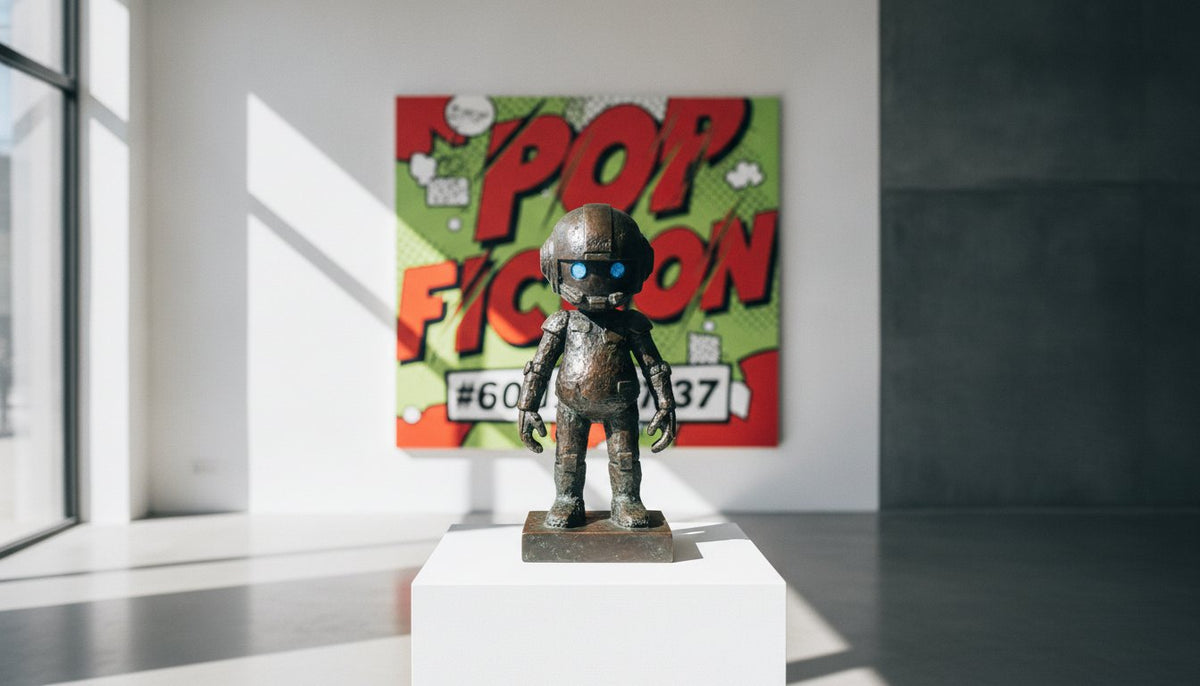
The contemporary market has moved beyond the traditional subjects of bronze casting. Character-based narratives now represent a distinct sector of the industry. Figures like Nova and those found in the Mylo bronze collection aren't merely decorative objects. They function as physical vessels for specific emotional registries. This shift from the literal to the metaphorical creates a specific type of bronze sculpture investment value. It's an investment in a character's narrative weight. Collectors who prioritize bronze sculpture investment value understand that the narrative is as durable as the metal. These pieces act as permanent anchors in a market of digital abstraction.
Preservation of Patina and Physical Integrity
A bronze's surface is defined by its patina. This is a controlled chemical reaction on the metal's surface, not a layer of paint or pigment. It's an integral part of the work's identity. Maintaining the integrity of this surface requires specific technical care. The following maintenance facts ensure the longevity of the asset:
- Avoid abrasive cleaners or chemical solvents that strip the chemical bond.
- Apply only microcrystalline wax to create a barrier against moisture and oxidation.
- Dust the surface with a soft, natural-fiber cloth to prevent micro-scratches.
The authority of the object remains constant through generations. A well-maintained bronze doesn't just survive; it matures. It is a multi-generational asset that remains indifferent to the passage of time. The permanence of the metal is a settled fact. The object is a finished truth.
Securing the Physical Legacy of Contemporary Art
The stability of a collection depends on the physical resilience of its components. Bronze provides this stability through its metallurgical composition and the lost-wax process. We've established that bronze sculpture investment value is a product of strict edition numbering and verified studio provenance. These aren't just figures. They're original character narratives like Mylo and Nova, cast into permanent forms that resist environmental degradation. The scarcity is a matter of record. A signed piece from the studio carries the weight of its own history. You now have the metrics to distinguish between a decorative object and a multi-generational asset. View the current collection of Fringe bronze sculptures to see how these narratives maintain their form. The record is clear, and the metal remains ready for the next generation.
Frequently Asked Questions
Is bronze art a better investment than paintings?
Bronze offers a different risk profile than paintings due to its physical durability. While canvas and paper are susceptible to humidity, light damage, and structural decay, bronze is a stable alloy. It acts as a hedge against environmental degradation. The bronze sculpture investment value lies in this permanence. It's a structural asset that requires less climate control than organic mediums.
How do limited edition sizes affect bronze sculpture prices?
Edition sizes dictate the scarcity and market authority of a piece. A smaller edition size, such as those found in the Mylo or Nova series, ensures a fixed supply that cannot be expanded once the mold is retired. This transparency directly influences the bronze sculpture investment value. Collectors prioritize lower numbers because they represent a higher concentration of rarity.
What is the role of patina in determining a sculpture’s value?
The patina is a chemical bond on the surface of the bronze that defines its technical identity. It's not an applied layer of paint but a transformation of the metal itself. A well-preserved patina indicates proper maintenance and physical integrity. If the patina is damaged or stripped by abrasive cleaners, the market liquidity and value of the sculpture are compromised.
How do I verify the authenticity of a contemporary bronze sculpture?
Verification requires three specific elements: the physical foundry mark struck into the metal, a signed Certificate of Authenticity, and documented studio provenance. These records trace the object from the Fringe studio to the current holder. Without this chain of custody, the work lacks the necessary proof of origin. Authenticity is a settled matter of physical evidence and historical record.

Article by
Fringe

Read more
Modern Pop Art Trends: The Specification of the Physical Object in 2026
Not everyone understands why a 6.94 billion dollar market is turning its back on the infinite digital screen. That's rather the point. You've likely felt the exhaustion of the algorithm, where AI-g...
Read more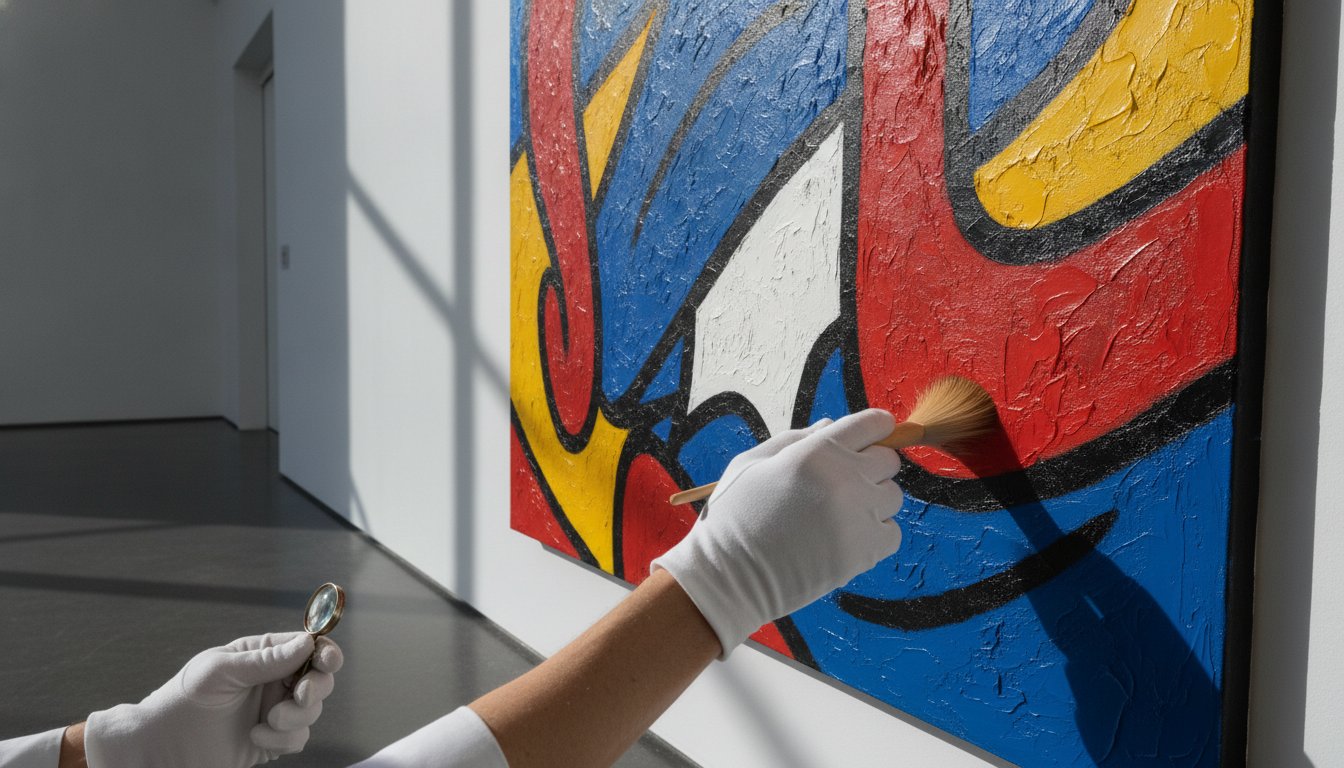
Maintenance Protocols for Original Pop Art Oil Paintings
Not everyone understands Mylo. That's rather the point. Owning an oil on canvas is not a passive act of decoration. It's a commitment to the stewardship of a physical narrative. You already recogni...
Read more
Leave a comment
This site is protected by hCaptcha and the hCaptcha Privacy Policy and Terms of Service apply.