
Artist Studio Visit: What to Expect Before and After
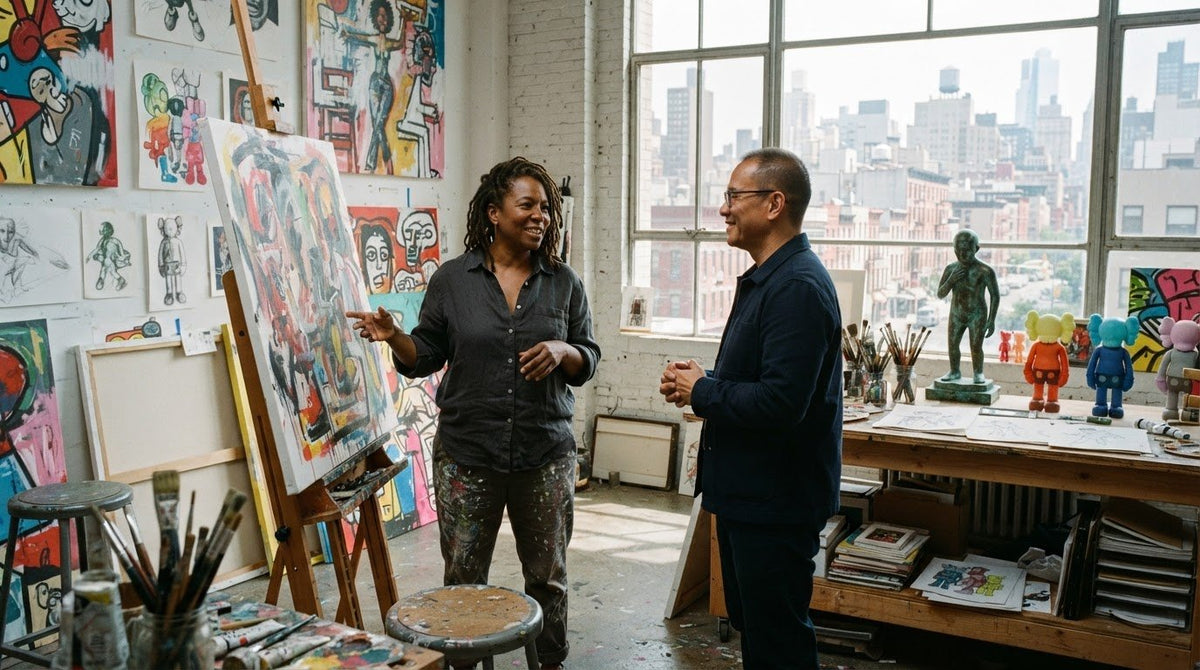
A studio visit is a meeting between an artist and a guest in the artist’s workspace. If you’re wondering what to expect from an artist studio visit, expect to discuss selected work, current projects, and the choices behind them. The conversation can include finished pieces or work still in progress.
The purpose of the meeting shapes what you’ll see and discuss. An educational visit may focus on conversation and feedback, while a professional visit may consider an exhibition or project. Knowing what to expect from an artist studio visit helps you understand why the artist has chosen particular work to share.
This article explains what a studio visit is, what typically happens before and during one, and how to close and follow up afterward. It also clarifies the difference between a private visit and a broader studio tour.
Key Takeaways
- A studio visit is a conversation in the artist’s workspace about their work, process, and current projects. Its purpose can range from feedback to considering an exhibition or collaboration.
- Present selected work with clear context, but let visitors form their own responses rather than telling them what they should see.
- Close by acknowledging the conversation and clarifying any agreed next steps; a brief thank-you email can include relevant images or documents.
- Pay attention to the work itself and the quality of the exchange. The strongest follow-up reflects what was actually discussed.
What an artist studio visit is
A studio visit gives you a close look at an artist’s practice in the place where the work is made. You can consider individual pieces alongside the broader body of work, rather than encountering them as isolated objects on a gallery wall.
For a gallerist, that wider view may include a substantial selection of current and earlier work. The connections between pieces matter: recurring subjects, changes in medium, and shifts in approach can reveal how a practice develops. The artist’s selection gives you work to assess, not necessarily a finished exhibition proposal.
A visit may focus on a particular project or commission. The conversation then turns to the artist’s existing work and how it relates to the proposed idea. This gives both sides room to assess whether the project fits before treating it as an agreement.
Timing affects what you see. Visiting an artist while work is still taking shape can give you a chance to discuss experiments before the artist settles on a direction. That differs from reviewing a completed series: the focus is on the questions the work raises now, not a verdict on finished pieces. In practice, a studio visit means giving close attention to an artist’s work, with the focus shaped by the purpose of the meeting and the people taking part.
Artists invite guests into their creative spaces for a close look at their practice. You may see work in progress and gain insight into the artist’s process. Conversation, feedback, and new relationships can sometimes lead to exhibitions or collaborations. For students or artists in residency programs, visits often center on conversation.
Concluding and following up after a visit
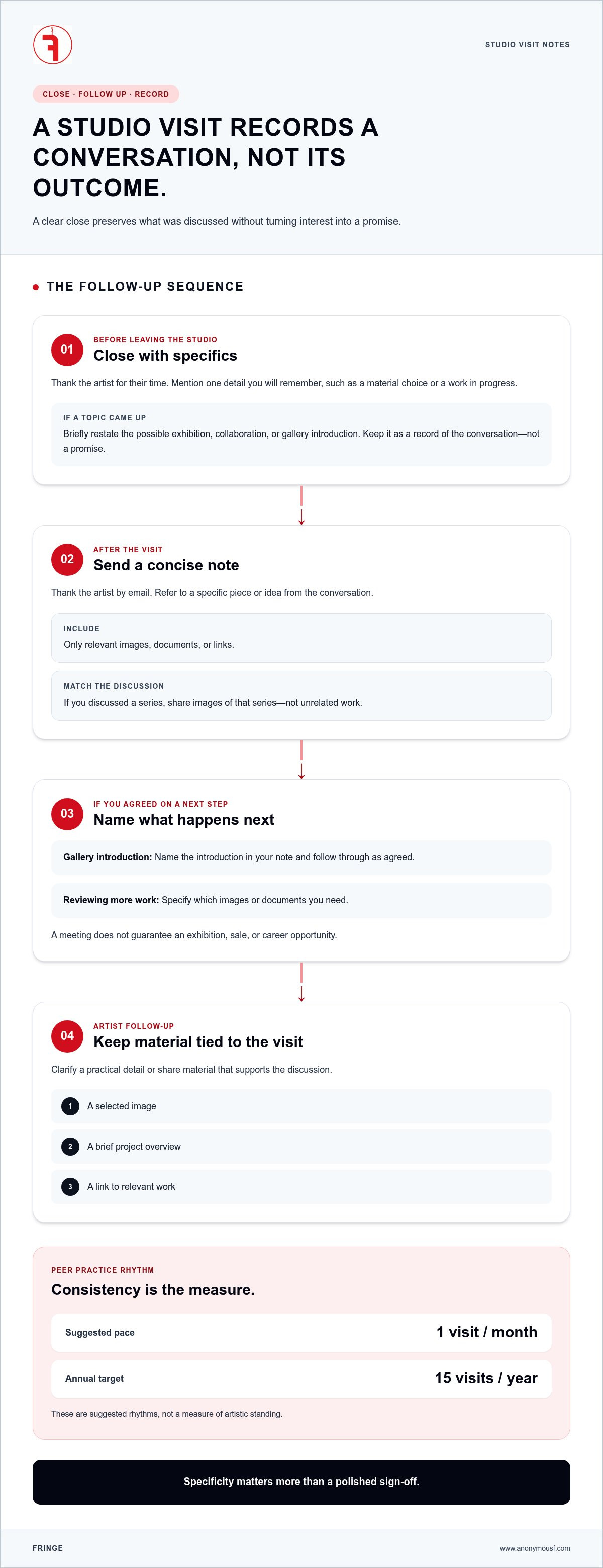
Close the meeting by thanking the artist for their time and mentioning one detail you’ll remember, such as a choice of material or a work in progress. If you discussed a possible exhibition, collaboration, or gallery introduction, briefly restate the topic. This gives both of you a clear account of the conversation without turning interest into a promise.
After the visit, send a concise thank-you email. Mention a specific piece or idea, and attach only relevant images, documents, or links. If you discussed a series, for example, share images of that series rather than a file of unrelated work. A focused message helps the artist connect it to your conversation.
Make any next step specific. If you offered to introduce the artist to a gallery, name the introduction in your note and follow through as agreed. If you discussed reviewing more work, say which images or documents you need. Don’t suggest that a meeting guarantees an exhibition, sale, or career opportunity: it records a conversation, not its outcome.
Artists can also follow up to clarify a practical detail or share material that supports the discussion. A selected image, brief project overview, or link to relevant work can help the visitor remember the pieces accurately. Keep the message tied to what came up in the studio, rather than making a general request for attention.
A thoughtful close leaves room for the relationship to develop without pressure. If you’re genuinely interested, say what kind of update would be useful. The artist can then decide whether and when to reconnect. Specificity matters more than a polished sign-off.
What an artist studio visit is
Studio visits matter when artists visit one another, too. Seeing a peer’s work can build a professional relationship around shared practice rather than competition. These connections support artistic development and may lead to introductions to people who have not encountered an artist’s work.
The value isn’t limited to formal opportunities. Ongoing exchanges with peers can make later conversations more direct and useful. A visit might give you a new contact or simply a better understanding of another artist’s practice. Neither outcome needs to be treated as a transaction.
For consistency, artists are advised to aim for one studio visit per month, with 15 visits per year as an annual target. These are suggested rhythms, not a measure of artistic standing. A steady schedule creates regular opportunities to see how other practices develop and to remain connected to a wider artistic community.
A studio visit can therefore play a part in maintaining relationships throughout an artist’s career, beyond the meeting itself. What matters is whether the exchange has substance. A visit centered on the work can build familiarity over time; one pursued only for access offers little foundation for a lasting connection. Its value lies in sustained attention between peers, not an assumed outcome.
Fringe: Collectable Toys
After seeing how a studio visit puts artwork in context, you may want to explore the work itself. Fringe creates original pop art, including collectable toys featuring characters such as Mylo, Nova, and Gutinke.
Fringe’s collectable toys sit alongside bronze sculptures, oil on canvas, and limited edition prints. Each offers a different form: a character-based object, a sculpture, a painting, or a print. Consider which form best suits your collection.
If collectible figures are the point of interest, the Fringe collectable toys provide a direct place to view them. For questions about Fringe’s work, contact Fringe.
Let the Conversation Continue
An artist studio visit can change what you notice in a work afterward. A choice of medium, a recurring character, or an unfinished edge may stay with you longer than the conversation. Knowing what to expect from an artist studio visit helps you carry those observations into your next encounter with art, whether you’re considering an unfamiliar artist or returning to work you already know.
Fringe’s practice includes collectable toys, bronze sculptures, and oil on canvas. Each offers a different way to engage with an artist’s ideas: through a character, a sculptural form, or a painted surface. Follow the form or work that interests you, rather than expecting a particular outcome from a single meeting.
For a direct conversation about your interest in Fringe’s work, contact Fringe to discuss your visit. Let curiosity guide what comes next.
Frequently Asked Questions
What happens during an artist studio visit?
During a studio visit, you spend time with the work in the place where it is made. The conversation may move between finished pieces, experiments, and the choices shaping a current project. A visitor considering an exhibition can focus on how the work might function in a larger setting, while a peer might discuss a specific artistic question. The purpose of the meeting shapes its focus.
How should you prepare for an artist studio visit?
Before you arrive, decide what you hope to understand: the artist’s materials, a particular series, or how it relates to earlier work. If you’re visiting as a curator, consider the exhibition context you have in mind. If you’re a fellow artist, bring one focused topic for discussion. A clear purpose helps keep the exchange specific without scripting it.
Is it appropriate to buy or commission artwork during a studio visit?
Yes, if the artist is open to discussing a sale or commission. A visit isn’t automatically about purchasing, so raise the subject directly rather than assuming every piece is available. For a commission, start by discussing the idea, intended medium, and creative boundaries. This helps both sides assess whether the proposed work fits the artist’s practice.
How long does an artist studio visit usually last?
Plan for about 1–1.5 hours.
What questions should you ask an artist during a studio visit?
Ask focused questions about the artist’s materials, a particular series, how it relates to earlier work, or the choices shaping a current project.

Article by
Fringe

Read more
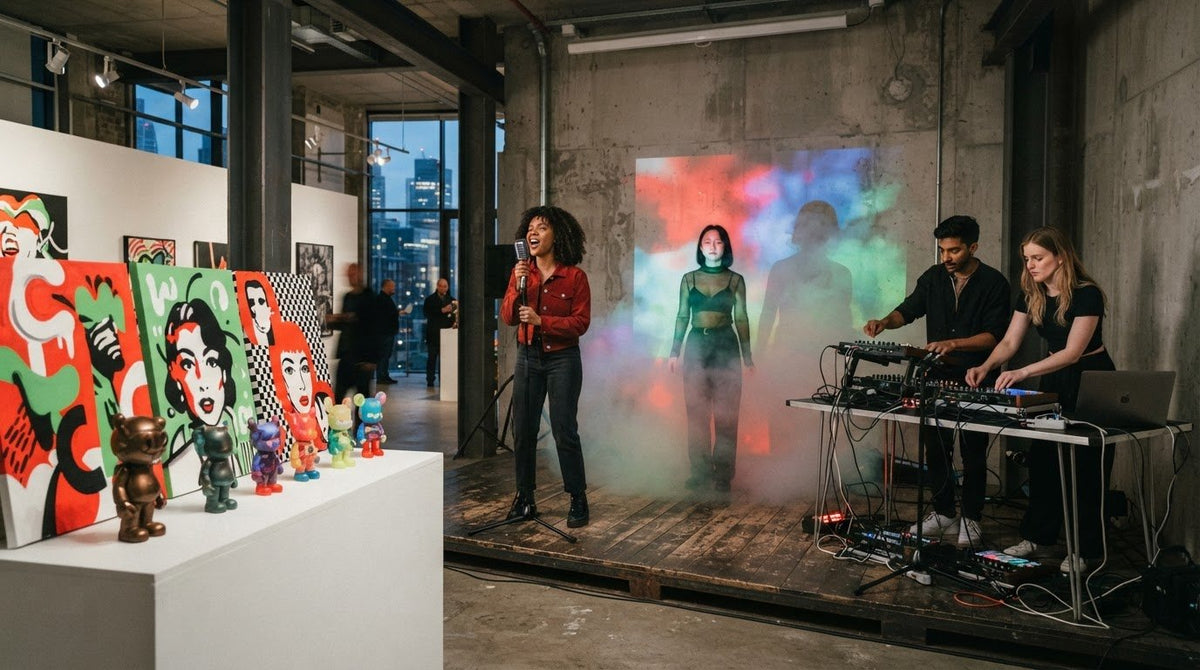
Emerging Pop Artists to Watch in 2026: Music and Visual Art
The 2026 coverage names three music acts as emerging pop artists to watch: Sung Holly, Sarah Kinsley, and Cardinals. Each profile rests on a different kind of evidence, from a debut single to a gro...
Read more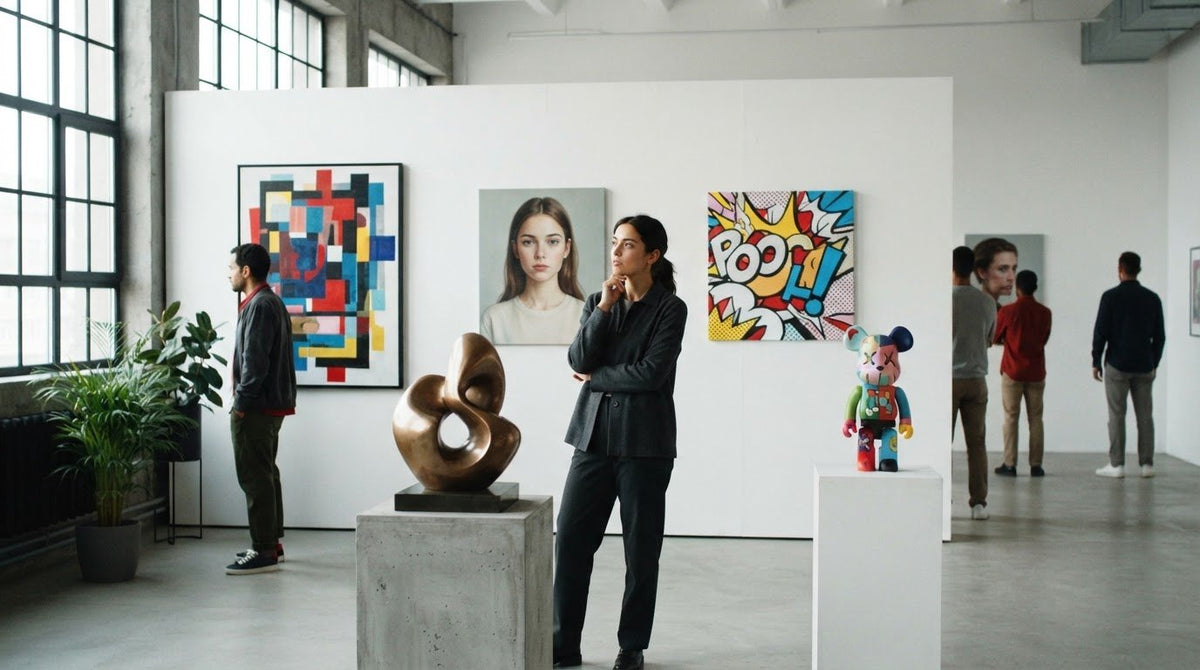
Finding Art That Reflects Your Personality and Artistic Taste
Your art preferences can offer clues about your personality, but they don’t define it. Openness to experience is often associated with abstract and other non-traditional art, while people drawn to ...
Read more
Leave a comment
This site is protected by hCaptcha and the hCaptcha Privacy Policy and Terms of Service apply.