
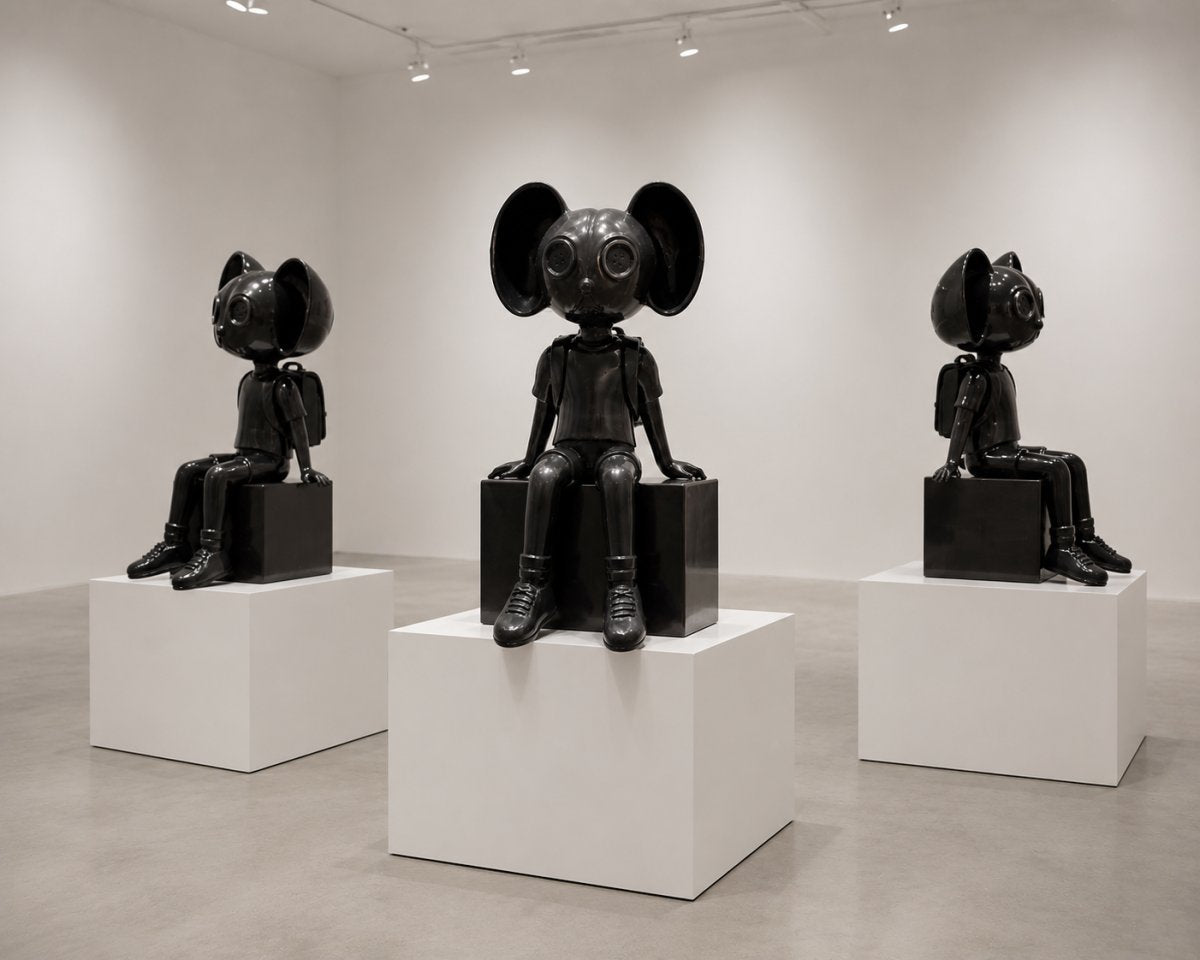
Character Based Sculpture: The Art of Giving Form to the Human Narrative
We often mistake the presence of a character for a lack of seriousness, assuming that anything with a face belongs in a child’s playroom rather than a collector’s gallery. It's a common hesitation. You seek art that resonates with the modern world, yet you fear the thin line between a mass-produced trinket and a masterpiece. You aren't alone in wanting your collection to feel deeply human while maintaining the tangible weight of a true investment.
A character based sculpture is not a mere object; it's a physical manifestation of our shared internal narratives. When executed in timeless materials like bronze, these figures bridge the gap between pop culture's vibrant energy and the quiet dignity of fine art. They give form to the complexities of the heart, turning a gallery space into a stage for a silent, evocative performance that reflects our own struggles and joys.
In this exploration, you'll discover how these sculptures transcend their playful origins to become profound vessels for contemporary storytelling. We'll examine the narrative depth of original archetypes, learn how to evaluate the enduring quality of bronze and pop art pieces, and find the personal connection that turns a curious observer into a lifelong collector.
Key Takeaways
- Distinguish between mass-produced figurines and fine art by identifying the narrative depth and technical mastery that define a gallery-quality piece.
- Understand the significance of materiality, specifically how the use of bronze lends a sense of permanence and "soul" to contemporary pop subjects.
- Discover how a character based sculpture acts as a modern archetype, allowing you to connect with universal human stories through original figures like Mylo and Gutinke.
- Learn the essential criteria for evaluating limited edition works to ensure your collection remains a meaningful and valuable investment.
Beyond the Maquette: The Rise of Character-Based Sculpture in Fine Art
For decades, the art world viewed small-scale figures as mere prototypes. These "maquettes" served as technical references, built to help illustrators or animators maintain consistency across a narrative. But the modern character based sculpture has evolved far beyond the utility of a workshop tool. It's no longer a means to an end; it's the final destination. Unlike mass-produced toys that mirror existing franchises, these works are original vessels for philosophical inquiry. They carry a "human pulse" that demands a place on a gallery pedestal, inviting us to see our own reflections in their cast forms.
The Psychology of the Character Figure
Humans possess an innate, hardwired need to find connection in figurative forms. This instinct traces its lineage back to the traditions of Classical sculpture, where the shift from idealized gods to naturalistic, character-driven humans first began. We don't just look at a character; we look into it. A sculpture becomes a silent companion in a living space, offering a sense of presence that abstract art often lacks. It acts as a mirror for our internal states, capturing a specific moment of vulnerability or resilience that feels intensely personal.
Pop Art Evolution
The journey from the comic book page to the fine art pedestal was paved by the audacity of Pop Art. As artists began to strip away the "low art" stigma of character design, they replaced it with narrative weight. Contemporary collectors aren't looking for nostalgia alone. They're looking for characters like Mylo or Gutinke, who act as modern archetypes for the complexities of the heart. This evolution is defined by several key shifts:
- Originality: Moving away from licensed characters toward unique, artist-conceived personas.
- Materiality: The transition from disposable plastic to enduring materials like bronze.
- Narrative Weight: Using form to explore themes of loneliness, connection, and the human condition.
This shift isn't about following a trend. It's about recognizing that a character, when given three-dimensional form, becomes a powerful storyteller. It bridges the gap between the avant-garde and our everyday emotions, making the complex business of being human feel a little less solitary.
The Weight of Time: Why Bronze and Materiality Matter
There's a striking paradox in casting a modern, whimsical figure in a metal that has endured for millennia. Bronze carries a gravity that plastic cannot mimic. When a character based sculpture is realized in this ancient alloy, it instantly sheds its associations with the ephemeral. It stops being a trend and starts being a legacy. The choice of material isn't just about durability; it's about the emotional resonance that only weight and cold metal can provide. It's the difference between a fleeting thought and a permanent truth.
The Soul of Bronze
Bronze is the ultimate medium for character investment because it lives. As light dances across its surface, the interplay of shadows reveals new facets of the character’s personality. This tradition of capturing life in metal is part of the long evolution of the human form in sculpture, where the physical object serves as a vessel for the spirit. The patina, a chemical skin that develops over time, ensures that no two pieces are ever identical. It’s a form of tactile storytelling where the very surface of the art reflects the passage of years. Every scratch and shade of oxidation adds to the narrative weight of the piece.
Alternative Mediums in Character Art
While high-end resins and hybrid materials offer a different kind of precision, they often lack the deep-seated "soul" of metal. Many collectors find that a physical figure gains even more depth when paired with original oil on canvas art that explores the same character’s world. This duality allows the narrative to breathe across different dimensions. The transition from a two-dimensional sketch to a three-dimensional bronze is a journey of solidification. It's about turning a fleeting inspiration into something that will outlast us all. If you're ready to explore how these materials transform a simple figure into a profound statement, you might find resonance in our latest bronze creations.

Decoding the Archetypes: The Stories of Mylo, Nova, and Gutinke
To look at a character based sculpture is to witness a story frozen in time. These figures aren't just shapes. They're archetypes. Mylo, for instance, stands as a study in the quiet friction between vulnerability and resilience. He represents the part of us that feels small in a vast world yet chooses to remain present. Nova explores a different duality, acting as a bridge where the nostalgia of the past meets the uncertainty of the future. Then there's Gutinke. Gutinke embodies the multifaceted nature of the human personality, reminding us that we're rarely just one thing. Through these figures, Fringe translates abstract philosophical struggles into tangible companions.
The Anatomy of an Original Character
Creating a character that resonates requires more than just anatomical correctness. It demands a recognizable silhouette that speaks before the viewer even sees the face. This is where Fringe the Artist has carved out a new pop aesthetic. By stripping away generic tropes, the focus shifts to the "soul" of the form. The result is a collection of characters that feel like they've existed in our collective subconscious long before they were cast in bronze. They don't rely on existing film or comic franchises; they stand on their own narrative weight.
Character as Metaphor
Every curve of a limb or tilt of a head serves as a metaphor for an internal state. This exploration of archetypes through character-based sculpture proves that figurative art is the most direct route to empathy. A single bronze pose can encapsulate a lifetime of emotion, holding a heavy grief or a light hope within its metallic skin. These works don't just decorate a room. They populate it with stories. If you feel a pull toward these narratives, you can view the latest character-based sculptures to find the one that speaks to your own journey.
Curating the Narrative: A Collector’s Guide to Character-Based Art
Curation is not merely the act of buying. It is the art of choosing which voices you want to live with. When you choose a character based sculpture, you're selecting a witness for your daily life, a physical anchor for the stories you tell yourself when the world gets loud. Identifying high-quality work in this space requires an eye for both technical mastery and narrative intent. Look for the artist's hand in the finish. High-end pieces aren't just manufactured; they're wrestled into existence from clay and fire. The significance of limited editions cannot be overstated. Rarity ensures that the dialogue between the creator and the collector remains intimate, protecting both the emotional and financial value of the work.
Building a Cohesive Collection
A collection shouldn't feel like a random assembly of objects. It should feel like a family. You can create a more immersive environment by pairing your three-dimensional figures with limited edition art prints that expand on the character's world. This layering of media allows the narrative to breathe across different surfaces of your home or office. Buying directly from an independent studio ensures the integrity of the vision remains intact. It keeps the story pure and the connection personal.
The Investment Potential of Character Art
The contemporary art market is undergoing a profound shift. Works that were once dismissed as niche are now becoming staples in sophisticated portfolios. This isn't about chasing a passing trend. It's about recognizing the enduring power of the figurative form in a digital age. You can read more about the soul of the object in our detailed guide to the future of designer art. These pieces are the heirlooms of the new avant-garde, combining pop aesthetics with the permanence of traditional materials.
Every piece you bring into your space changes the air in the room. A character sculpture doesn't just sit on a shelf. It watches. It waits. It serves as a quiet reminder that even in a world of mass production, the human narrative remains unique, cast in bronze, and utterly timeless.
The Future of the Figurative Form
Art is a living dialogue between the creator and the observer. By bringing a character based sculpture into your world, you aren't just filling a void in a room; you're inviting a story to take root. We've seen how the transition from technical maquette to fine art allows for a deeper exploration of the human condition. The choice of bronze ensures that these narratives don't just exist for a season. They endure as legacies, gaining depth and character as the years pass by.
Every piece in the "Soul of the Object" collection represents a marriage of exquisite bronze craftsmanship and the original narratives by Fringe. Whether it's the quiet resilience of Mylo or the multifaceted spirit of Gutinke, these forms offer a bridge between the avant-garde and the heart. It's time to find the archetype that mirrors your own journey and gives physical form to the complexities of your own narrative.
We invite you to Explore the Original Character Sculptures of Fringe and discover a piece that resonates with your spirit. Your collection is a reflection of your own internal landscape. Choose pieces that speak to the soul, and let them be the silent, enduring companions that grow with you through the years.
Common Questions About Character-Based Art
What is the difference between a character maquette and a final sculpture?
A character maquette is a technical tool used as a reference to solve problems of form and balance during a creative process. In contrast, a final character based sculpture is the finished, intentional masterpiece designed for exhibition and collection. While the maquette is a means to an end, the final sculpture is the end itself, possessing the narrative depth and material quality required for a gallery setting.
Why is bronze used for character-based sculptures instead of vinyl?
Bronze is chosen for its permanence and its unique ability to capture a sense of "soul" that synthetic materials don't possess. Vinyl is suitable for mass production, but it lacks the tactile gravity and longevity of metal. Bronze develops a living patina over time, ensuring that the piece evolves alongside the collector. This material choice transforms a modern figure into a timeless investment that can endure for centuries.
How do I know if a character sculpture is a piece of fine art or a toy?
The distinction lies in the narrative intent, the scarcity of the work, and the originality of the design. Toys are typically replicas of existing commercial franchises produced in large volumes. Fine art character sculpture is born from an artist's unique vision and produced in strictly limited editions. High-quality pieces focus on the "why" of the creation, using sophisticated materials and casting techniques to provoke deep emotional reflection.
Who are Mylo and Nova in the Fringe character universe?
Mylo is a central figure who serves as a study in the quiet friction between vulnerability and resilience. He represents the human need for presence and connection in a vast world. Nova acts as a bridge where the nostalgia of the past meets the uncertainty of the future. She embodies the duality of progress, reminding us that our history always informs our forward motion. Together, they give form to universal human archetypes.
How should I display and care for a bronze character sculpture?
Bronze is remarkably resilient, but it requires minimal maintenance to preserve its finish and patina. You should dust your sculpture regularly with a soft, dry microfiber cloth to prevent buildup. It's best to avoid harsh chemicals or abrasive cleaners that might damage the surface. When displaying the work, choose a stable surface in a space with indirect lighting. This allows shadows to naturally define the character's form and highlights the subtle textures of the metal.

Article by
Fringe

Read more
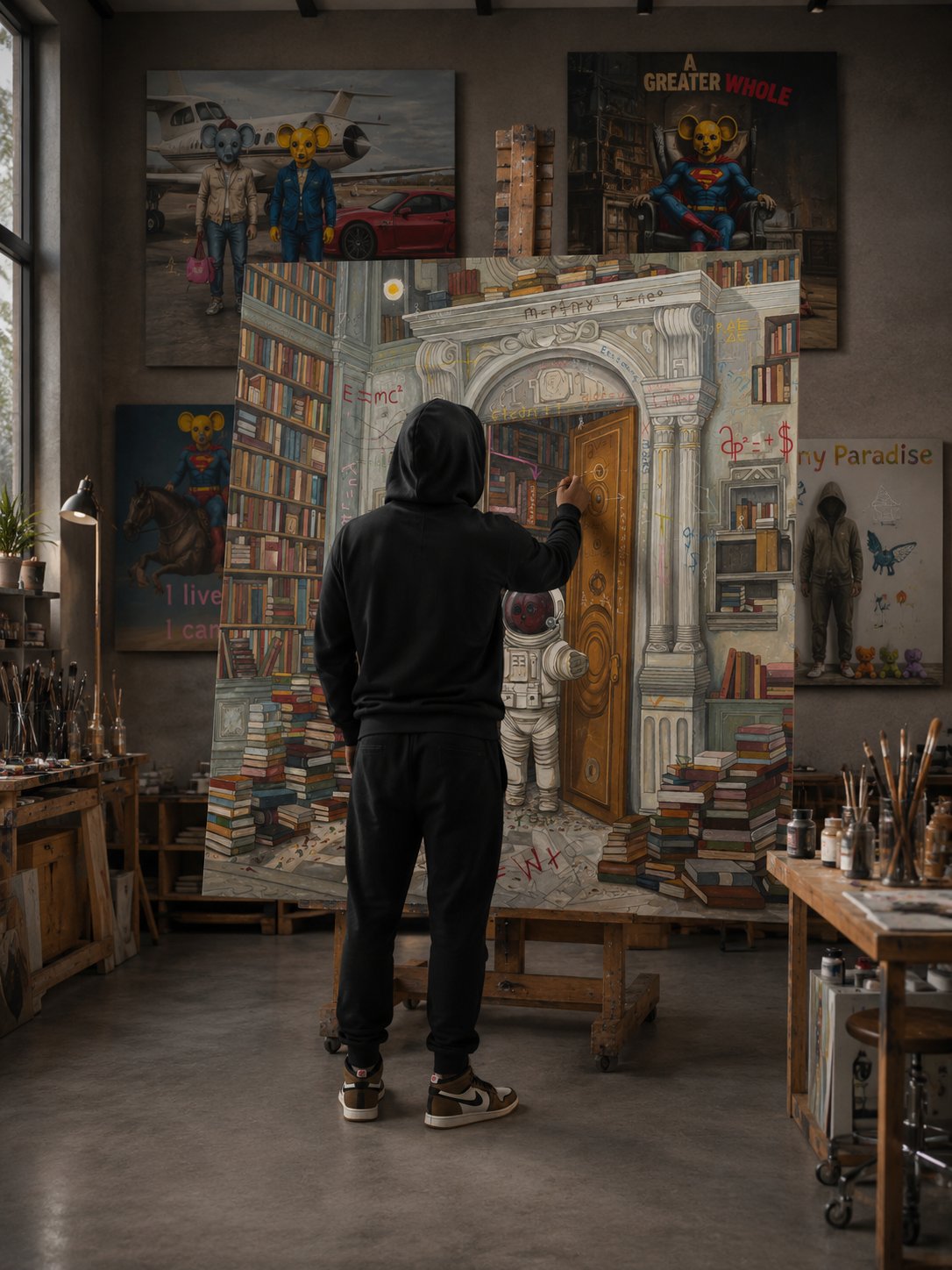
Figurative Pop Art Painting: The Narrative Pulse of Modern Collecting
What if the most honest reflection of your inner life wasn't found in a mirror, but in the stylized gaze of a stranger on a gallery wall? We often mistake the vibrant hues of a figurative pop art p...
Read more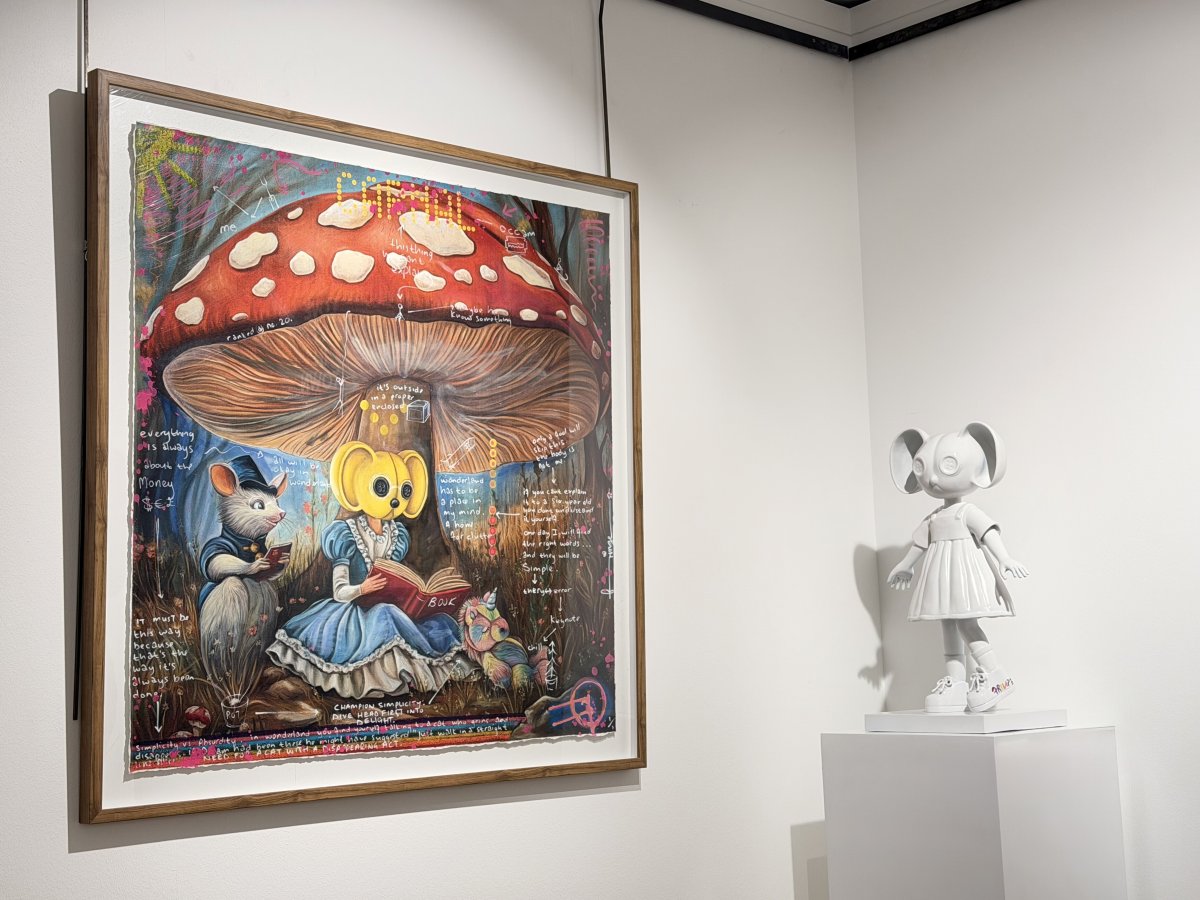
The Paradox of Permanence: A Guide to Pop Art Bronze Sculpture
We often think of pop culture as a flash of neon that fades as quickly as it arrives, yet the most profound stories are those that refuse to disappear. You might feel a deep, quiet connection to a ...
Read more
Leave a comment
This site is protected by hCaptcha and the hCaptcha Privacy Policy and Terms of Service apply.