
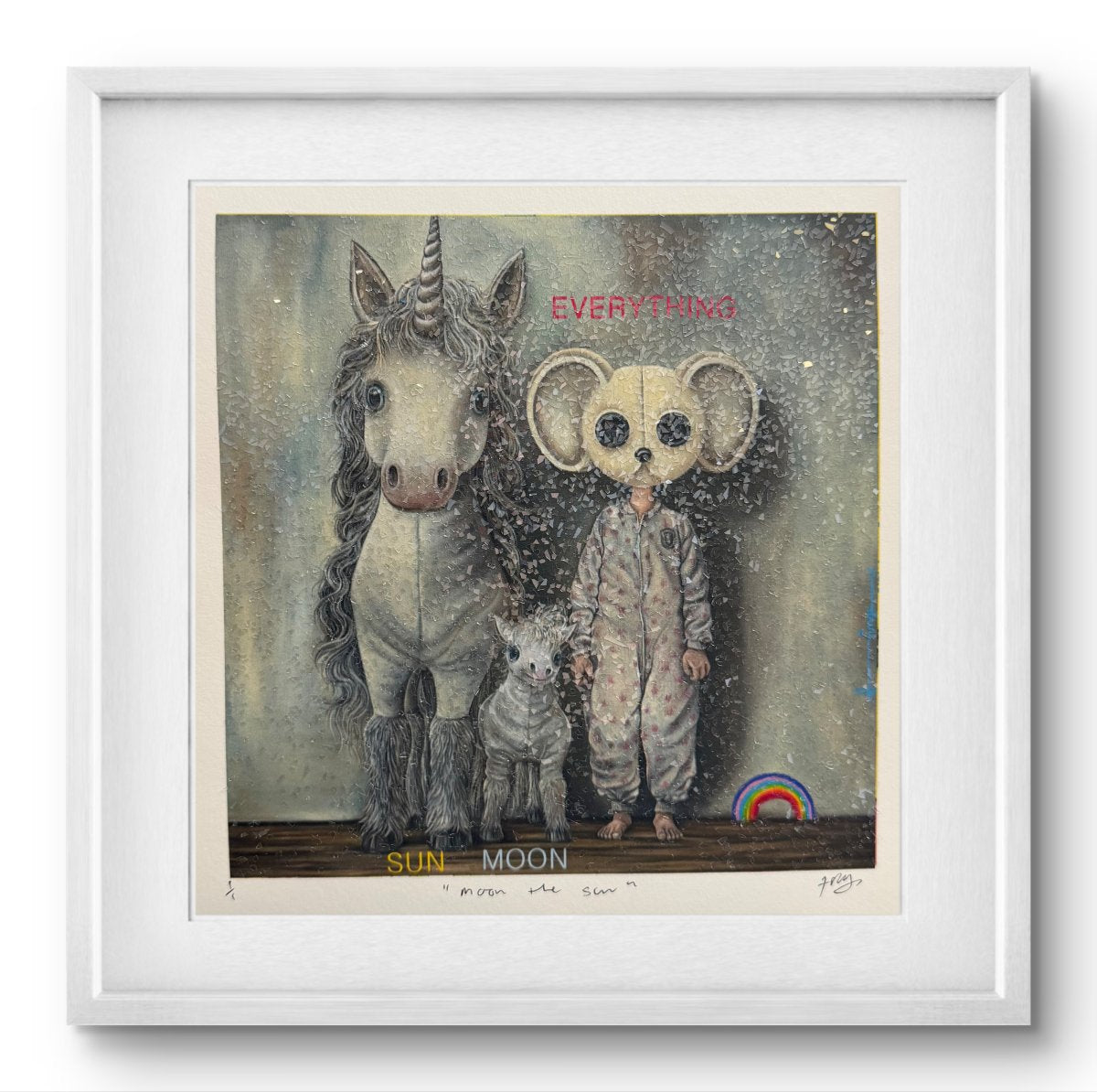
The Connoisseur’s Guide to High End Pop Art: A Study in Narrative and Craft
If a piece of art is designed to be popular, does it inevitably lose its soul to the machine of mass production? It's a question that haunts the modern collector, especially when the line between a genuine masterpiece and a clever marketing campaign begins to blur. You likely recognize the hollow feeling of discovering that a "limited edition" is little more than mass-produced plastic with a famous signature attached. You're looking for something with more substance; you want high end pop art that possesses an internal life and a physical weight that matches its price point.
This guide will help you distinguish the nuances of the market by shifting your focus from bright colors to the gravity of narrative and materiality. You'll learn how to identify investment-grade works that honor traditional craftsmanship, such as bronze casting and oil on canvas, rather than following passing trends. We'll examine why the philosophical identity of a character is the true anchor of its value, ensuring your collection reflects your own depth and stays relevant long after the current hype has faded.
Key Takeaways
- Understand why narrative depth is the true currency of modern collecting, moving beyond visual recognition to find the internal life of the work.
- Explore the tactile permanence of traditional materials, contrasting the enduring weight of bronze with the fleeting nature of mass-market plastic.
- Utilize a refined four-step framework to identify high end pop art that offers both technical mastery and lasting resonance.
- Learn how to curate your space by fostering a dialogue between modern characters and historical pieces, ensuring your collection reflects a cohesive personal philosophy.
Defining High End Pop Art: Why Narrative is the New Gold Standard
Owning a piece of art should feel like starting a conversation that never quite ends. You aren't just a spectator in this process; you're an active participant in the story being told. While the traditional Pop Art movement often celebrated the disposable and the mass-produced, high end pop art has evolved into something far more permanent. It represents a deliberate intersection where iconic, approachable imagery meets the rigorous discipline of fine-art mastery. It's the difference between a catchy jingle and a symphony.
In the 2026 art market, "Narrative Pop" is rapidly surpassing mass-market repetition as the gold standard for serious collectors. People are moving away from the hollow echoes of celebrity faces and commercial logos. They're seeking works that possess an internal life. This shift isn't just about aesthetics; it's about the search for meaning in a world of flat, digital noise. A piece of high end pop art succeeds when it captures a universal emotional truth through a modern lens, offering a sense of gravity that "fast art" simply cannot replicate.
The Rise of Original Characters
Generic icons are being replaced by characters with distinct philosophical identities. Figures like Mylo and Nova don't just sit on a shelf; they represent specific human experiences. Mylo, known as The Quiet Boy, serves as a narrative archetype for the introspective observer. These characters offer a personal connection that a corporate mascot never could, bridging the gap between the avant-garde and our own daily struggles. They invite you to look inward rather than just outward at a consumerist culture.
Exclusivity and the Studio Connection
The value of a piece is often tied to the intimacy of its creation. Buying directly from an independent studio like Fringe ensures that the artist's hand is present in every detail. It removes the sterile distance of the third-party gallery. Limited editions shouldn't be viewed as mere copies. They are "multiples" that maintain the soul of the original concept through meticulous production. This direct connection preserves the integrity of the work, ensuring that the physical object carries the narrative weight intended by its creator from the very first sketch.
Evaluating Materiality: The Weight of Bronze and Depth of Oil
In a world increasingly obsessed with the ephemeral glow of digital screens, there is a profound, quiet rebellion in the physical. High end pop art distinguishes itself through the gravity of its materials. While Tate's definition of Pop Art often highlights its roots in mass media and consumerism, the modern connoisseur looks for the subversion of those roots through traditional fine-art mediums. It's a deliberate choice to cast a contemporary character in bronze or render a pop-culture archetype in oil. These materials don't just hold color; they hold history.
Bronze: The Paradox of Permanence
There's an undeniable weight to bronze that transcends the visual. When you hold or touch a bronze sculpture, you're feeling a material that has survived empires. Using such a permanent medium for a pop-inspired character creates a fascinating tension. It elevates a fleeting narrative into something timeless. Turning a character into bronze requires a level of technical mastery that mass-produced vinyl simply avoids. It involves a labor-intensive casting process where every curve and shadow is an intentional mark of the artist's hand. This permanence ensures the piece isn't just a trend; it's a legacy.
The Vulnerability of Oil on Canvas
Digital prints are flat, predictable, and often lack a soul. In contrast, oil paintings offer a landscape of texture, light, and human error. You can see the artist's struggle in the layers of pigment. Every brushstroke is a record of a decision made in a specific moment of time. Collectors of high end pop art prioritize this "hand of the artist" because it provides a vulnerability that a machine cannot simulate. The depth of oil creates a dialogue between the viewer and the canvas, inviting you to explore the narrative weight behind the imagery.
Hybrids on paper serve as a vital bridge in this material journey. They capture the raw energy of an initial sketch while maintaining the sophistication of a finished masterpiece. This is the ultimate paradox of the genre: taking the "low" culture icons of our everyday lives and immortalizing them through "high" culture materials. It's a way of saying that our modern stories are just as worthy of preservation as the myths of old. If you're ready to explore these physical narratives further, you might enjoy browsing the latest studio releases to see how these materials come to life.

The Collector’s Framework: Identifying Value Beyond the Aesthetic
A collection is more than a display of taste; it's a map of your internal world. Acquiring high end pop art requires a shift in perspective, moving from the impulse of visual attraction to a deeper study of substance. History shows that the global emergence of Pop wasn't merely a fascination with neon colors, but a profound commentary on the human condition. To build a collection that endures, you must look for the precise equilibrium where technical mastery of permanent materials meets a narrative that echoes a universal human truth.
The question often arises: is this art or a toy? The answer is found in the weight of the material and the soul of the execution. A toy is designed for the fleeting moment of consumption; a masterpiece is designed for the permanence of contemplation. Investment-grade pop art is the rare point of intersection where the artist’s technical discipline honors a character’s philosophical weight.
Step 1: Assessing the Narrative Pulse
Before you commit to a piece, ask yourself if it tells a story or merely references a trend. A work with a "narrative pulse" possesses an internal life that doesn't rely on external hype. You can explore this concept further by reading about Narrative Pop Art, which explains how bold aesthetics must meet the human story to remain relevant. If a character feels like a shell without a history, it's unlikely to hold its value as the cultural winds shift.
Step 2: Technical Execution and Provenance
Inspect the physical reality of the object. Look for the artist’s hand in the finish, the intentionality in the weight of the bronze, and the clarity of the signature. In 2026, collectors are increasingly favoring independent studio provenance over mass-market gallery brands. Buying directly from the studio ensures the integrity of the work and establishes a "blue chip" foundation based on authenticity rather than marketing budgets. When the craft is undeniable, the value becomes undeniable. If you're ready to apply this framework to your own collection, you can view the latest studio collections to see how these principles are put into practice.
Curating a Legacy: Integrating Pop into a Sophisticated Home
Your home is more than a sequence of rooms; it's a sanctuary for your personal philosophy. Integrating high end pop art into a sophisticated interior isn't about filling space with trendy colors. It's about creating a dialogue between the objects you love and the stories you want to tell. While some view art as a mere asset class, the true collector understands that a home should feel like a shared philosophical journey. It's a place where a modern character study can sit comfortably alongside a centuries-old antique, bridging the gap between our history and our future.
When you display these pieces, focus on the narrative intent. A bronze sculpture shouldn't just be placed; it should be staged to catch the light of a specific hour. An oil painting should have the room to breathe, allowing the viewer to get close enough to see the artist's struggle in the texture. This intentionality transforms a showroom into a living legacy, ensuring that your collection reflects a depth of character rather than a fleeting market trend.
The Dialogue Between Mediums
A truly multifaceted collection embraces a variety of textures and forms. Don't be afraid to mix collectible toys with the heavy permanence of bronze or the rich depth of oil on canvas. This interplay of materials creates what we call a "narrative corner" in a modern interior. The contrast between the playful silhouette of a character and the serious technical execution of the medium invites curiosity. It suggests that the owner values both the avant-garde spirit of pop culture and the timeless discipline of fine art.
The Future of Your Collection
We are living in a pivotal era where the boundaries of what constitutes "fine art" are being redrawn. Choosing to invest in Pop Culture Fine Art is a commitment to the legacy of our time. These pieces are the artifacts that will carry our modern myths into the next century. They represent the intersection of craft, character, and the human condition. We invite you to explore the Fringe studio to find a piece that resonates with your own story. After all, art is the only object we own that truly carries our humanity into the future.
Building a Legacy of Narrative and Craft
True collecting is an act of preservation; it's a commitment to the stories that define our era. You've seen how narrative depth has become the new gold standard, moving beyond the hollow repetition of mass-market icons. By prioritizing the permanence of bronze and the vulnerability of oil, you ensure your collection possesses a weight that transcends the ephemeral. High end pop art succeeds when it bridges the gap between modern character archetypes and the timeless discipline of the fine-art studio.
Characters like Mylo, Nova, and Gutinke offer more than visual appeal; they provide a mirror to the human condition. These limited edition physical releases, including hand-finished bronze sculptures and oil on canvas works, are artifacts of a shared philosophical journey. They represent the rare intersection where pop culture meets the enduring soul of the artist's hand. We invite you to explore the Fringe Studio and discover a piece that resonates with your own internal narrative. Your collection is the legacy you leave behind. Make sure it speaks with a voice that is uniquely yours.
Common Questions for the Discerning Collector
What defines pop art as 'high-end' compared to standard prints?
High end pop art is distinguished by its technical rigor and narrative depth. Unlike standard prints that prioritize mass distribution, high-end works utilize permanent materials like hand-finished bronze and oil on canvas. These pieces represent a deliberate intersection of iconic imagery and fine-art discipline. They carry a physical and philosophical weight that standard editions lack, ensuring the work remains a point of contemplation rather than just a wall decoration.
Is high-end pop art a good long-term investment in 2026?
Investment-grade works in 2026 favor substance over fleeting trends. As the market matures, collectors are prioritizing "Narrative Pop" that offers original character storytelling and technical mastery. High end pop art that avoids celebrity repetition and focuses on unique philosophical identities tends to maintain its resonance. The value lies in the rarity of the physical object and the direct studio-to-collector relationship, which preserves the work's integrity over time.
How do I care for a bronze pop art sculpture?
Bronze is remarkably resilient, yet it requires gentle maintenance to preserve its patina. You should dust your sculpture regularly with a soft, dry microfiber cloth to prevent buildup. Avoid using abrasive chemicals or household cleaners, as these can strip the protective wax or damage the finish. If the piece is kept indoors and away from direct moisture, it will age gracefully, developing a rich character that reflects the passage of time.
Why should I buy art directly from an independent studio?
Buying directly from an independent studio like Fringe ensures absolute provenance and a direct connection to the artist's vision. It removes the sterile distance of the third-party gallery, allowing you to participate in the work's journey from sketch to finished piece. This transparency guarantees authenticity. It also ensures that your investment supports the creator's ongoing narrative directly, fostering a more intimate and meaningful relationship between the collector and the object.
Can character-based collectible toys be considered fine art?
Character-based pieces transition into fine art when they possess a distinct philosophical identity and are rendered in archival materials. When a collectible toy is reimagined through the lens of bronze casting or oil painting, it ceases to be a disposable consumer product. It becomes a narrative archetype. The distinction lies in the artist's intent and the technical execution, which elevate the character from a plaything to a profound study of human nature.

Article by
Fringe

Read more
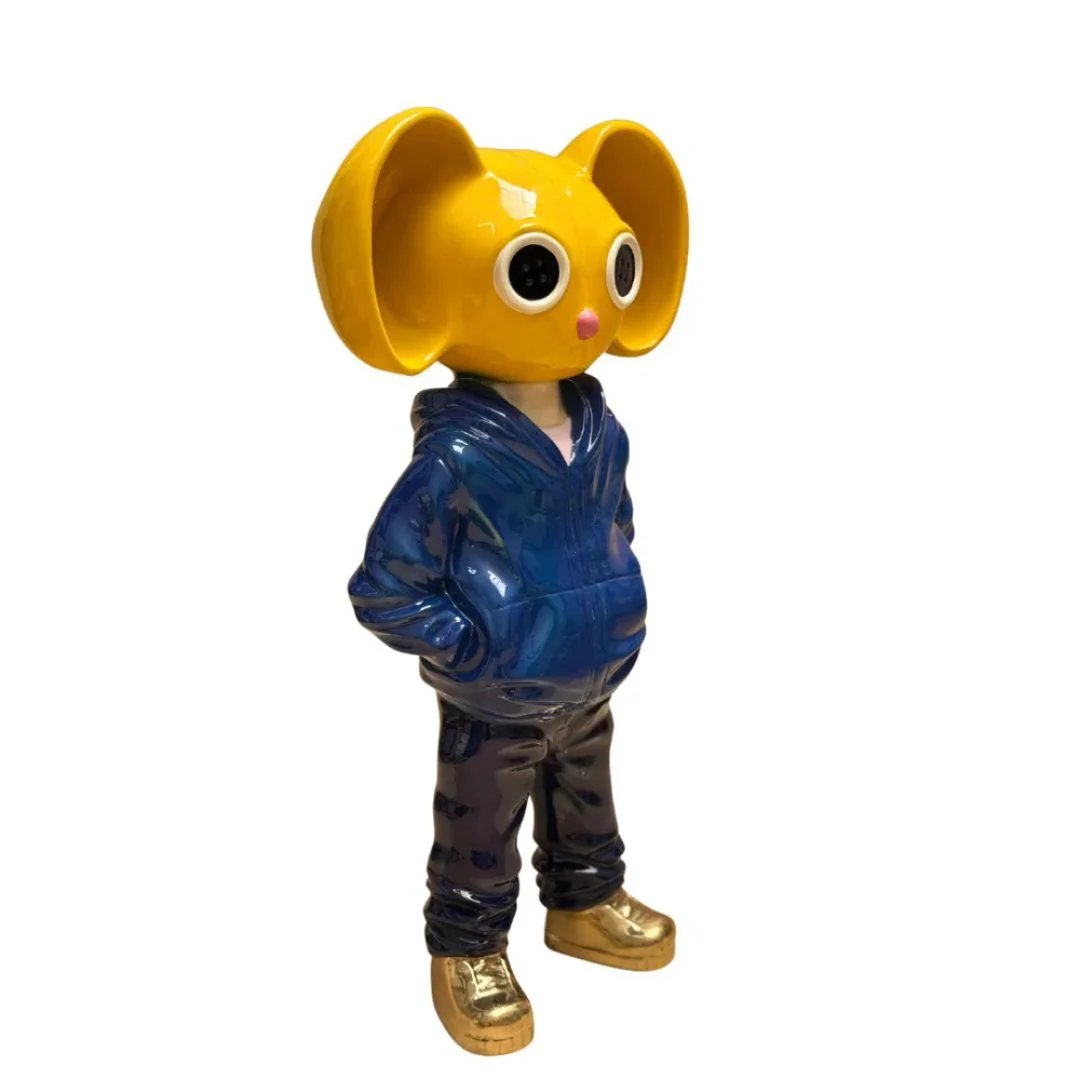
Pop Art Screen Prints for Sale: A Connoisseur’s Guide to Contemporary Serigraphs
A digital print is often a ghost of a memory, but a true serigraph is a physical conversation between heavy ink and textured paper. When you search for pop art screen prints for sale, it's easy to ...
Read more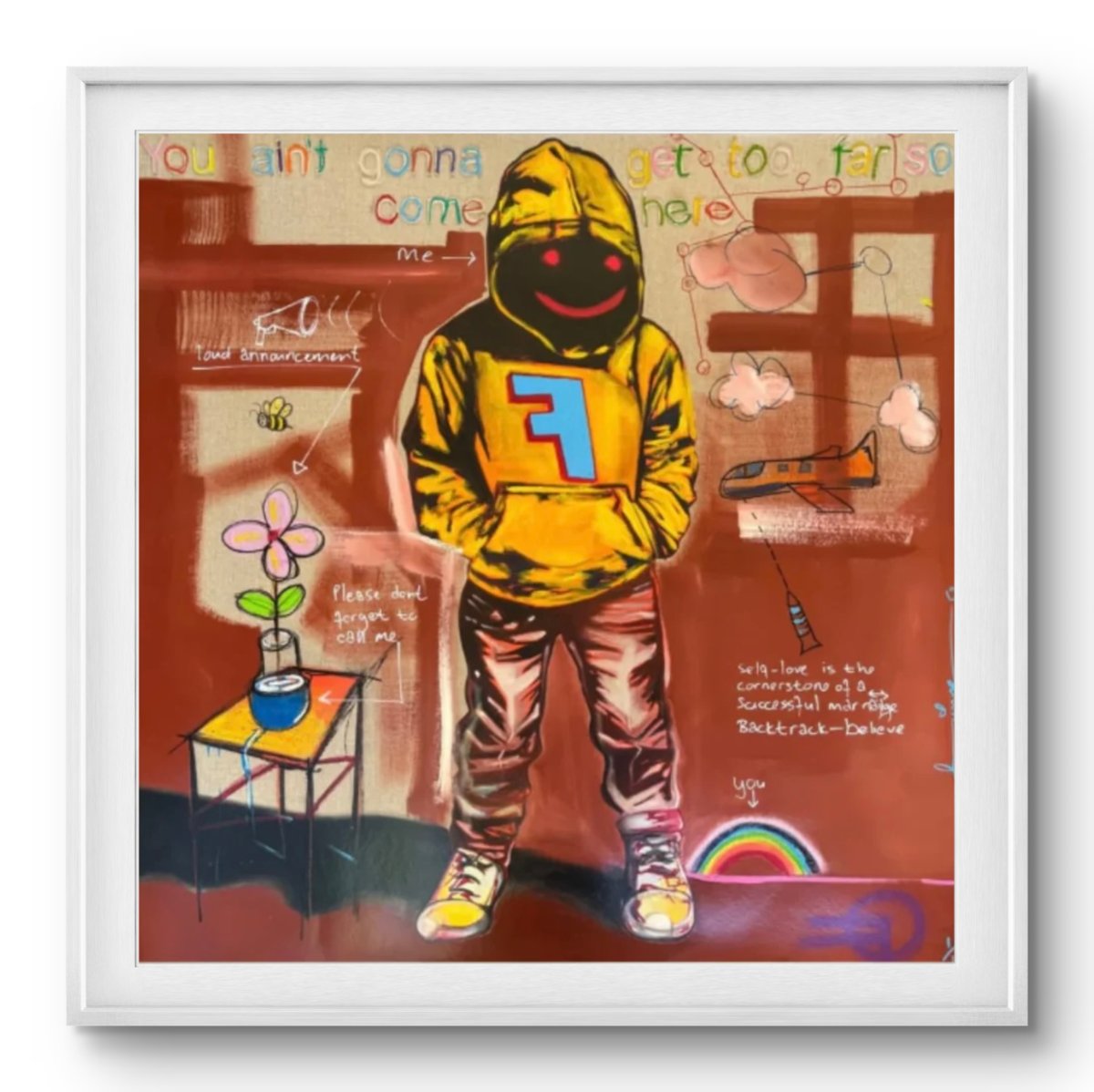
The Hybrid Original: A Discerning Collector’s Guide to Pop Art Prints on Paper
A mass-produced poster is a ghost of an idea, whereas a hybrid original is the idea itself, caught mid-breath and layered with a human touch. It's easy to feel lost when searching for collectible p...
Read more
Leave a comment
This site is protected by hCaptcha and the hCaptcha Privacy Policy and Terms of Service apply.